Made ByRestaurant
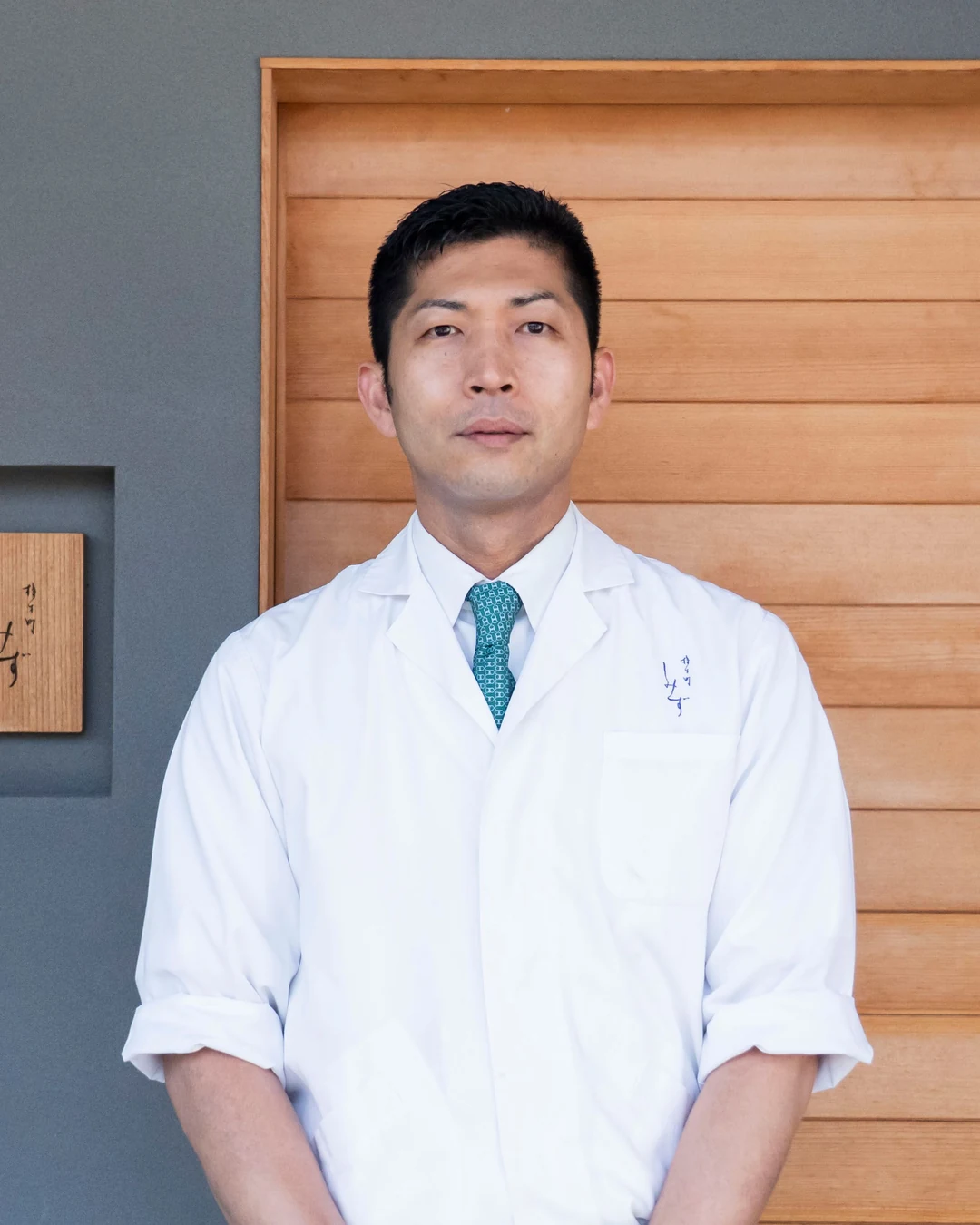
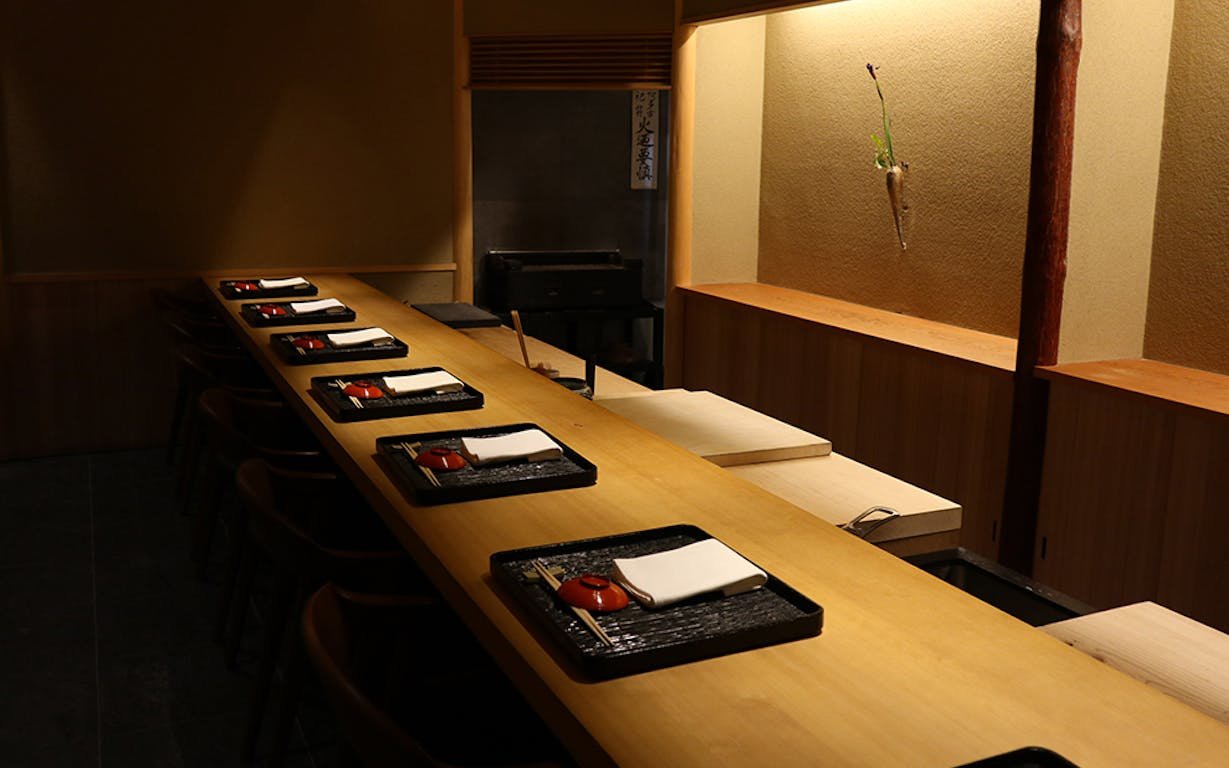
Yosuke Shimizu cooks seasonal Japanese cuisine as chef at Shumokucho Shimizu in Nagoya, with Gifu flavors held close.
At a glance
- Cuisine
- Japanese Cuisine
Season first, then the hand
Summer ayu sets the measure for Yosuke Shimizu , chef at Shumokucho Shimizu in Nagoya, before the cooking reaches the counter. At this small Japanese restaurant in Higashi Ward, he works from the season outward, giving particular weight to the flavors of Gifu while holding the line of Japanese cuisine close. His training passed through Honkotsuki in Osaka and Takada Hachisho in Gifu City, two stations that sit behind the restraint now visible in Nagoya. Yosuke Shimizu does not treat that restraint as a surface. It is the result of repetition, the kind that teaches a cook when to stop cutting, when to let fragrance stand, when decoration begins to pull attention away from taste. Autumn brings matsutake mushrooms into the frame; summer brings sweetfish. Between those markers, the menu reads place and weather before it reads composition. The restaurant has been recognized for this cooking, including a Tabelog Award Gold winner for Shumoku Cho Shimizu in 2026, selection for Tabelog Japanese cuisine EAST Tabelog 100 in 2025, and a Silver Award for Shumokuchou Shimizu in 2024. Shumoku Cho Shimizu confirms this house, while the station keeps its seasonal measure, clean flavor, and Gifu memory.
Gifu carried into the course
The program at Shumokucho Shimizu turns on timing rather than display. Ayu arrives when sweetfish season gives it purpose, not as a fixed emblem; matsutake comes when autumn gives the mushroom its proper register. That structure keeps the cooking close to the four seasons in Nagoya, with Gifu ingredients and flavors given the heavier accent. The method described by those who have sat at the counter is modern in its clarity, with less emphasis on ornament and more on drawing flavor out of the ingredient. That is a narrow path. Japanese cuisine can carry ceremony in the plate, in the vessel, in the order of the meal; here, the gesture seems to narrow toward taste. The address itself is precise, in Shumokuchō, Higashi Ward, on the 1F of Plandoll撞木. Precision matters in the cooking as well. A course built around dried sea cucumber, bluefin tuna, ayu, or matsutake asks for different pressure from the knife and different patience from the pass. Shimizu’s training gives the restaurant its grammar, but the season supplies the verb.
Eight seats and little noise
The room is quiet enough for the counter to become the main instrument. One diner noted 8 counter seats and a silent atmosphere; that small scale suits a kitchen where the work benefits from close distance. Food photography has been prohibited at times, which shifts attention back to the sequence in front of the guest: the bowl set down, the temperature held, the scent rising before the first bite. The Takaoka area location is not written as theater. It is a working room, and the work happens at bench-side range. Bottles from Obuse Winery have appeared with the meal, another sign of a program assembled by taste rather than noise. The most useful way to read Shumokucho Shimizu is through its recurring materials, not its outward polish: ayu in summer, matsutake in autumn, Gifu carried to an 8-seat counter in Nagoya.
Address
Japan, 〒461-0014 Aichi, Nagoya, Higashi Ward, Shumokucho, 3 Chome−24 プランドール撞木 1F
In residence
Similar places
Modern French with Japanese influences
Reminiscence
Nagoya, Japan
Edomae Sushi
Shimizu
Nagoya, Japan
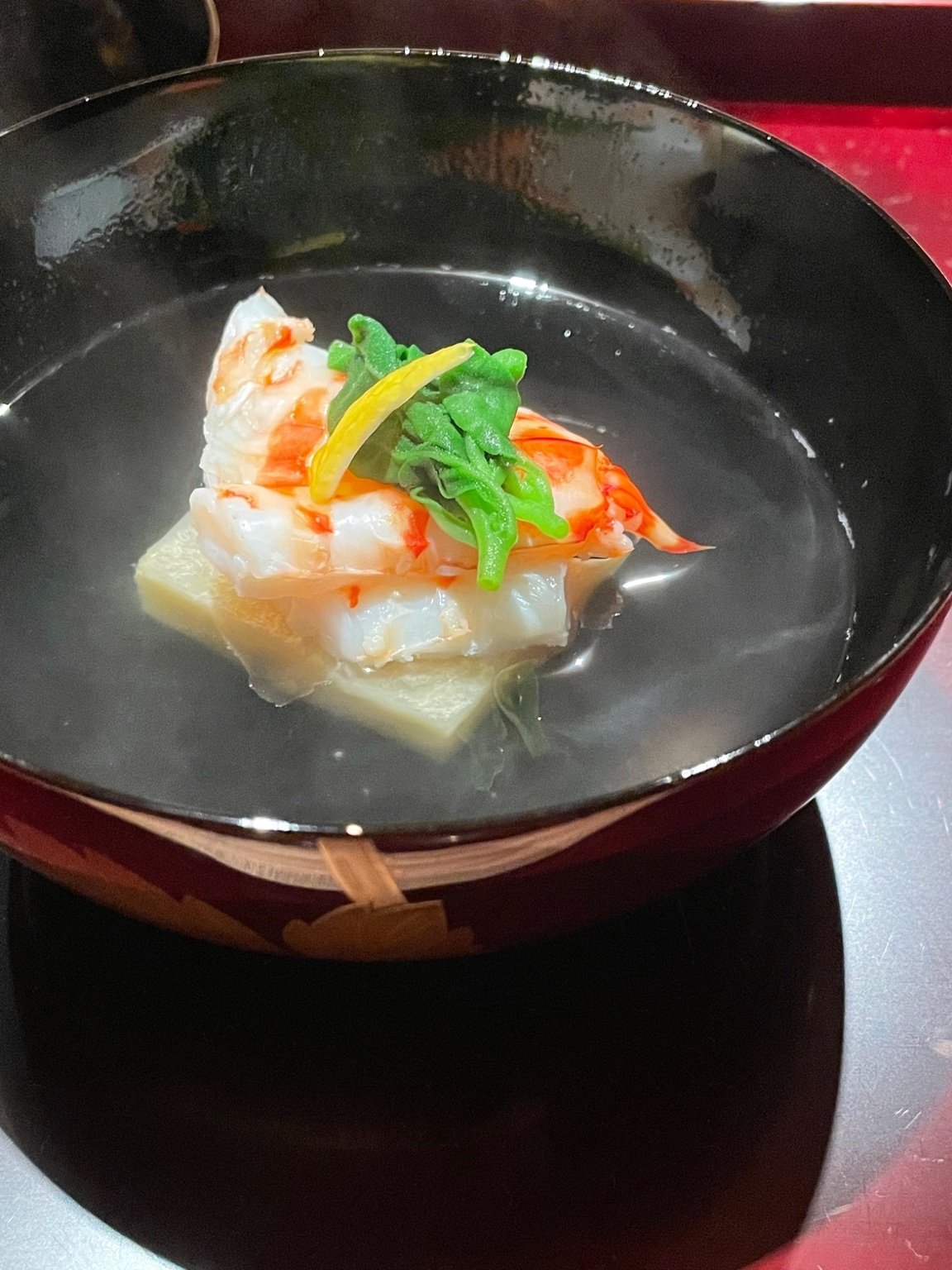
Traditional Kaiseki Omakase
Hijikata (土方)
Nagoya, Japan
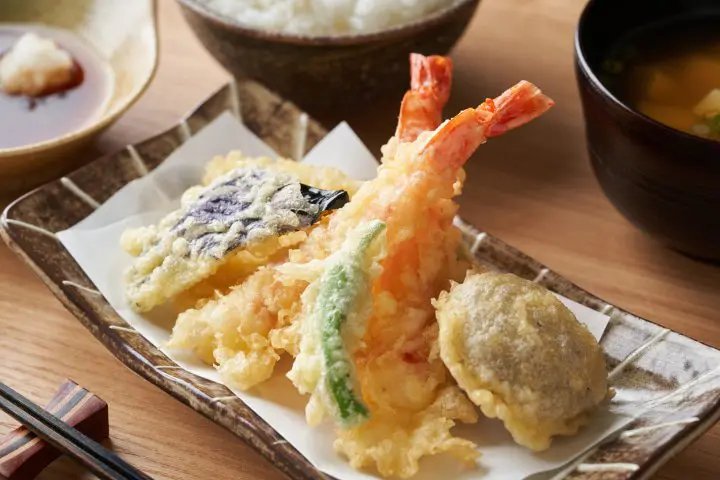
Modern Tempura Omakase
Kusunoki Nagoya
Nagoya, Japan
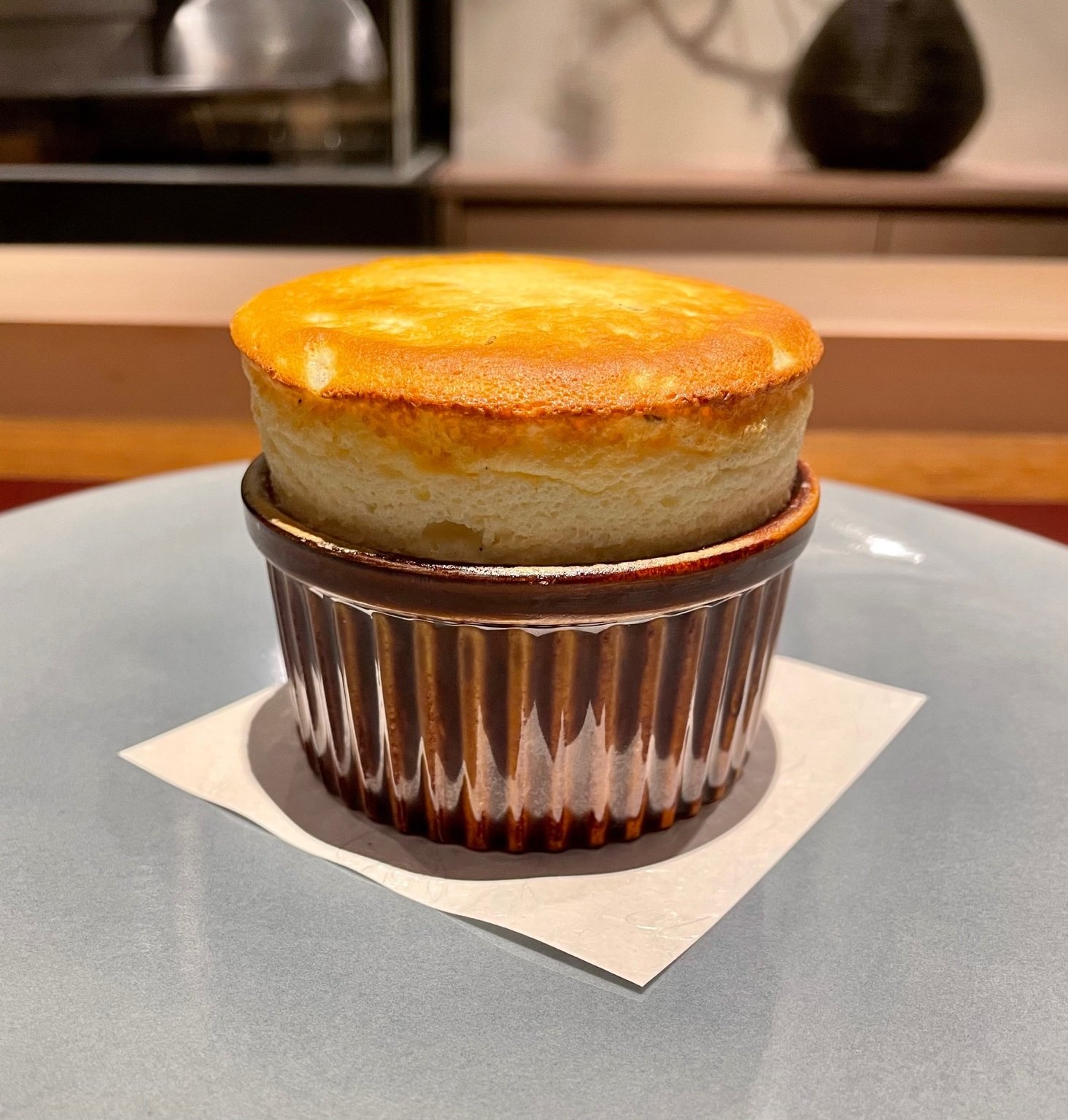
Japanese-Inflected Italian Cuisine
il AOYAMA
Nagoya, Japan
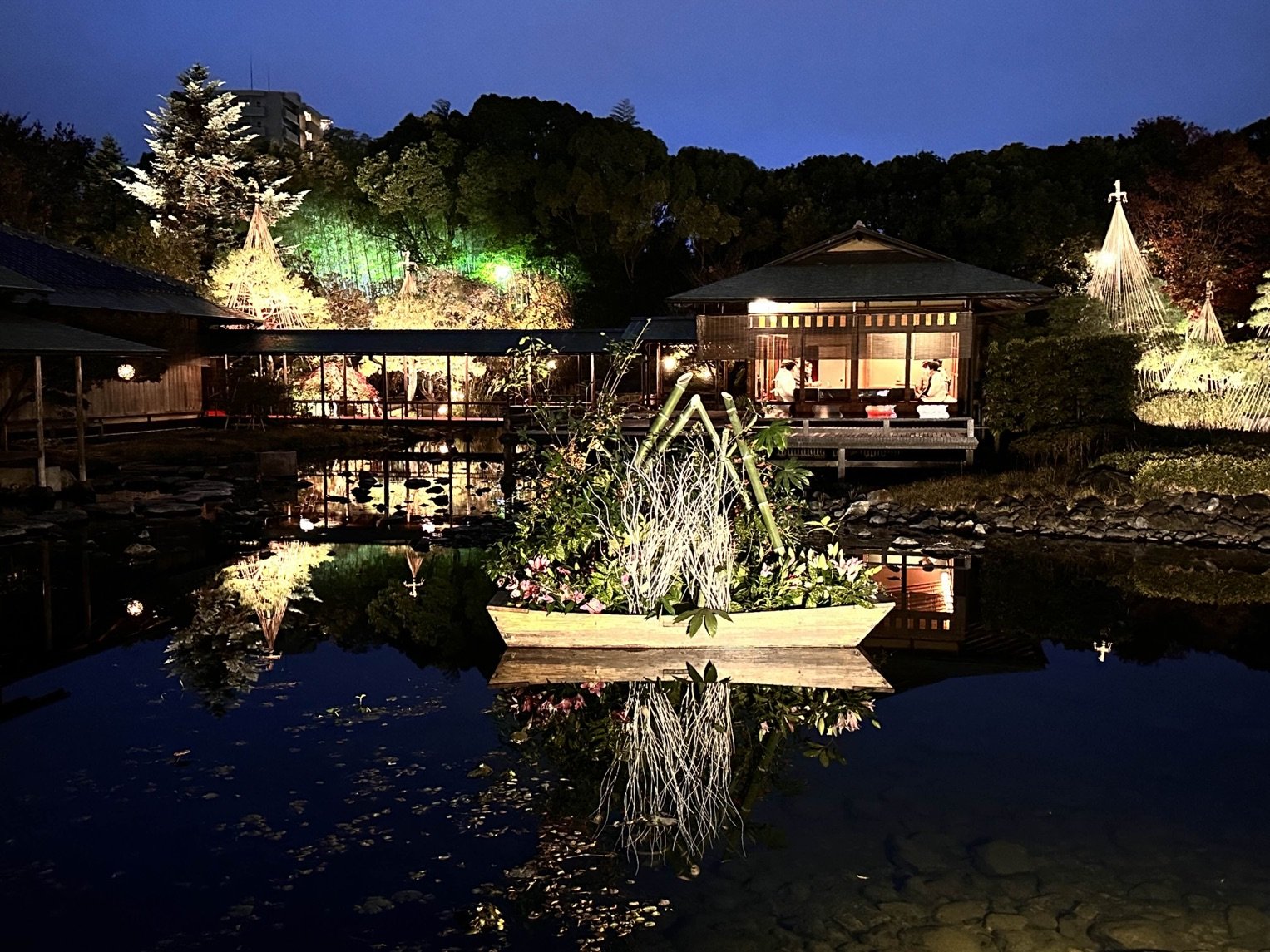
Modern French-Japanese Fusion
Tout La Joie
Nagoya, Japan