Made ByRestaurant
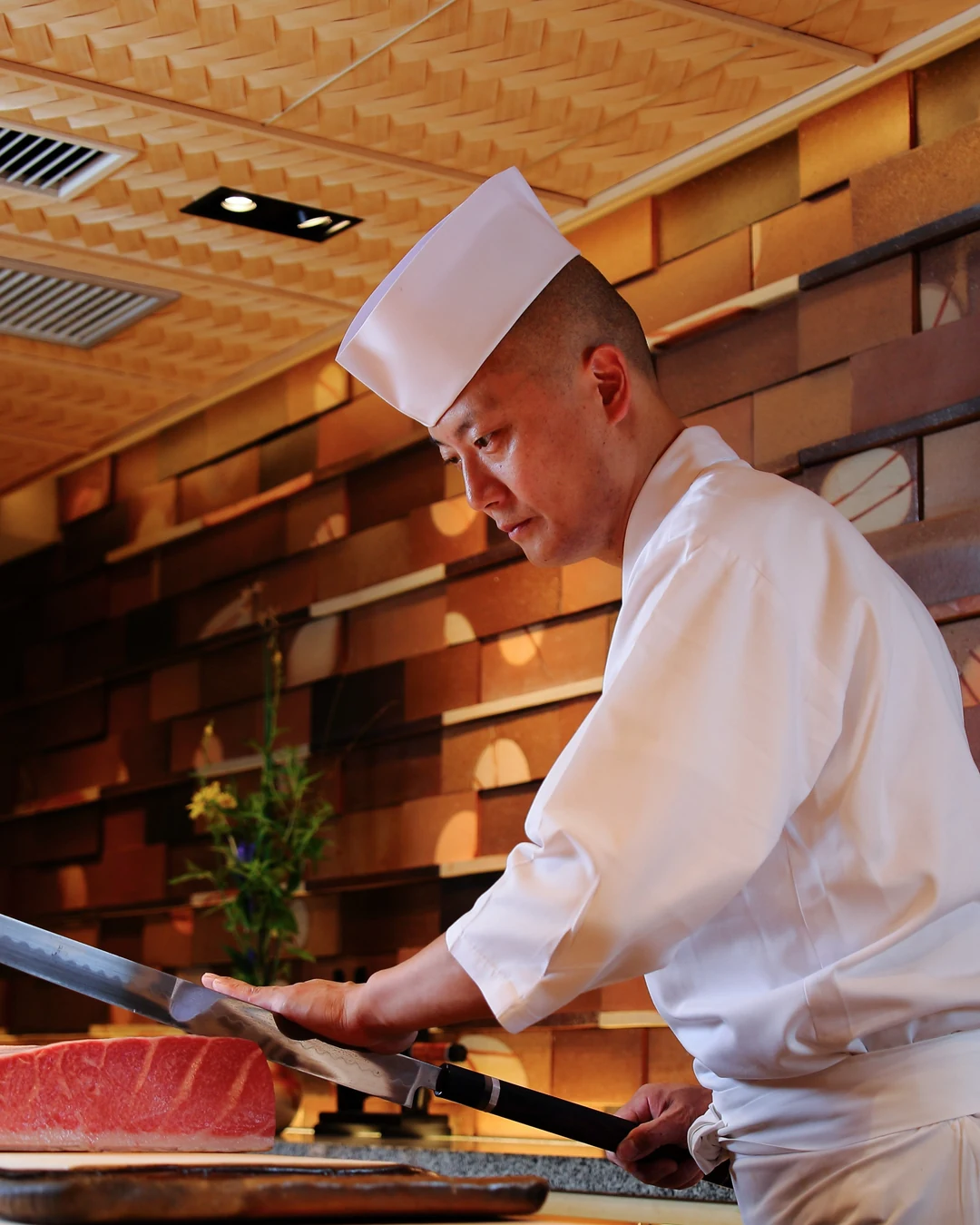
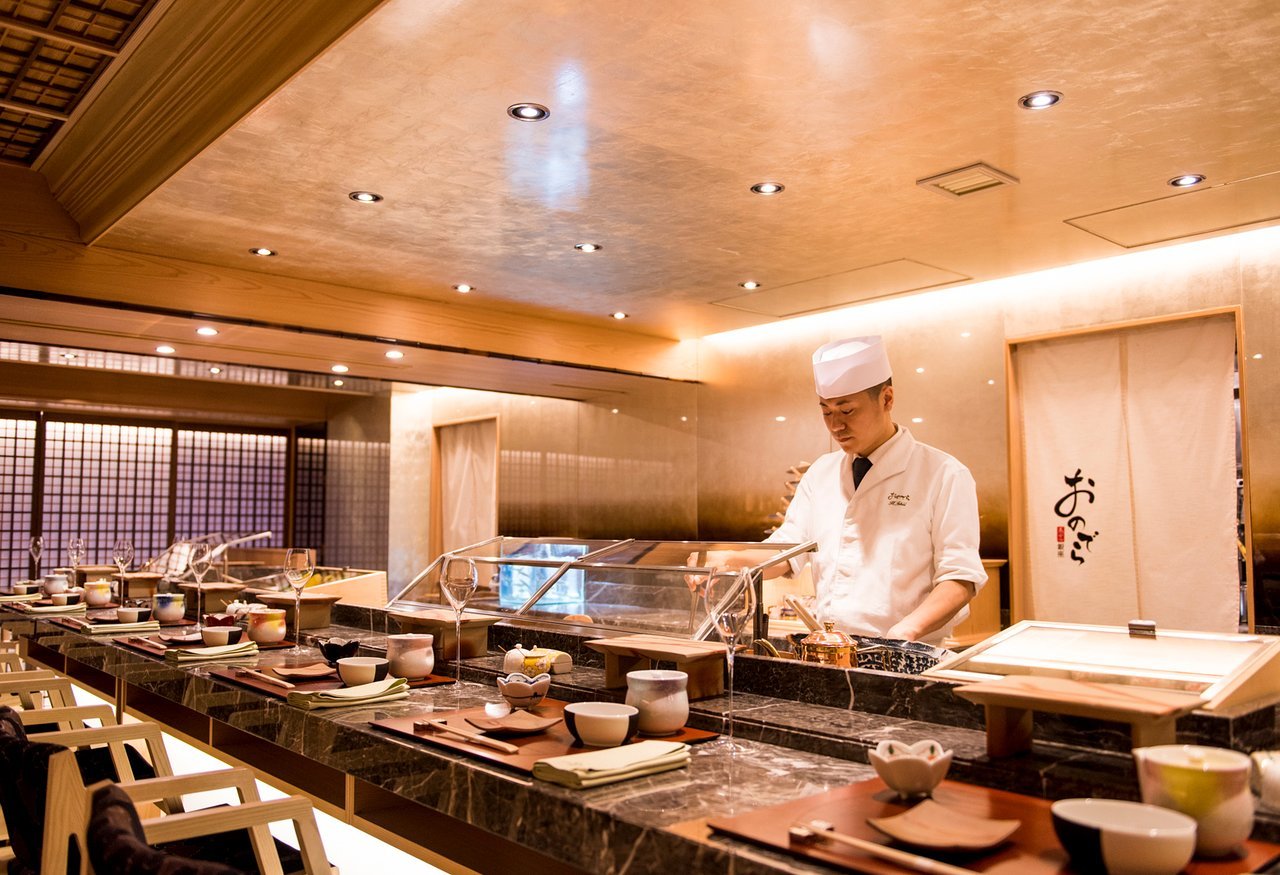
Akifumi Sakagami guides Edomae discipline as chef at Sushi Ginza Onodera in Tokyo, keeping rice, fish and tempo aligned.
At a glance
- Cuisine
- Sushi
Rice judged by the hand
The rice reaches the hand warm, seasoned, and still subject to judgment. Akifumi Sakagami, chef at Sushi Ginza Onodera in Tokyo, works inside Onodera Group’s Edomae discipline, where the standard lives in pressure, temperature and sequence rather than in explanation. His wider title, Executive Master Chef, matters here because sushi at this level depends on supervision as much as individual touch. The same decisions must hold at the counter, in prep, and through service, piece after piece.
Sakagami’s known work sits in the Traditional Edomae register: rice handled with judgment, fish prepared with restraint, seasoning kept in balance, and service paced by repetition rather than display. He carries Onodera Group’s standard through the method itself. In this craft, seniority shows in what the guest may barely notice: the pressure of a formed nigiri, the degree of expression allowed to the fish, the tempo held between one placement and the next.
Edomae as sequence
The program is omakase, which makes order part of the method. Edomae sushi is not a tray of preferences; each piece sits in relation to the one before it and the one after it. Fish may be seasoned, cured, simmered, marinated in soy, or rested with kombu, depending on the material and the intended texture. The rice often carries the tint and depth of red vinegar. None of those gestures needs theatre. They need timing.
At Sushi Ginza Onodera, the counter puts those choices at close range. The guest sees the pressure of the hand, the angle of placement, the pause before the next course. During Sakagami’s special appearance at Sushi Ginza Onodera New York in 2023, the same counter format framed lunch and dinner service: traditional sushi presented near the diner, with technique made visible by proximity. That engagement was brief, but it clarifies the discipline. The work depends on a narrow field of movement and a repeatable standard.
The counter keeps the cadence
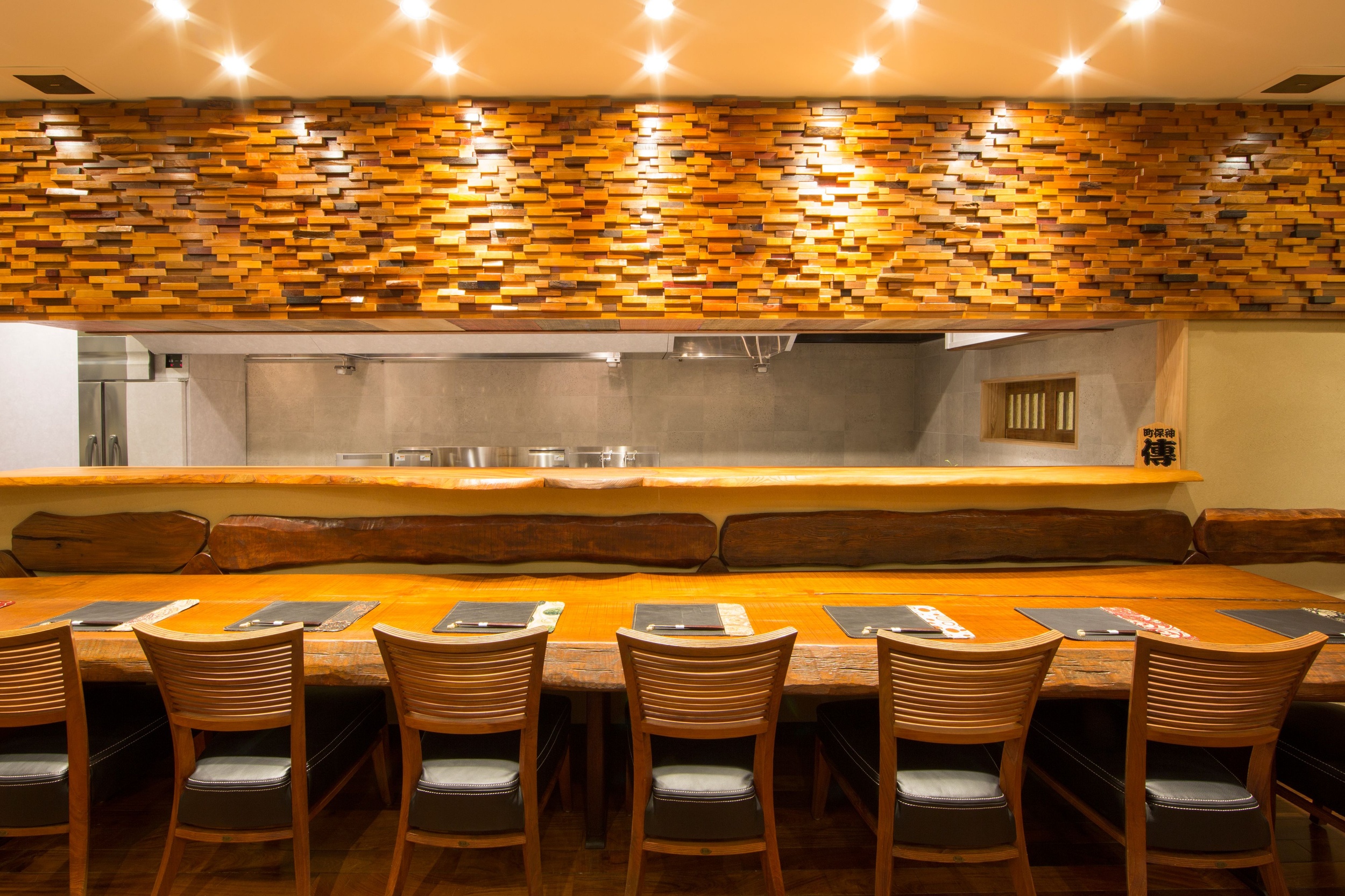
The room is small and wood-hued, built around the sushi counter rather than around distance. The bench-side view matters. A diner watches fish move from preparation to hand to rice, then to the plate with little space for correction. Service, in this setting, becomes part of the craft: the cadence between courses, the cleaning of the counter, the way attention returns to the next piece without a flourish.
Materials remain close to the hand. Tuna, uni, white shrimp, abalone, chawanmushi and soup belong to the broader Onodera vocabulary, but the meal’s shape depends less on any single luxury ingredient than on proportion. Too much pressure closes the rice. Too much seasoning interrupts the fish. Too much delay changes the bite. The room is quiet enough for those decisions to register.
A standard carried in service
Sakagami’s responsibility at Onodera Group is stewardship, not ornament. Traditional Edomae technique reaches the guest through daily repetition: prep before the first seating, the counter’s tempo, the sequence of nigiri, the hand’s final adjustment. If there is a next movement to see here, it is not an announcement. It is the same standard handed through the room at Sushi Ginza Onodera.
In residence
Similar places
French
Sézanne
Tokyo, Japan
★★★ · 50 Best
Modern Chinese Fine Dining
Sazenka
Tokyo, Japan
★★★ · 50 Best
Modern Japanese Satoyama Fine Dining
Narisawa
Tokyo, Japan
★★ · 50 Best
Modern French-Japanese Plant-Based Fine Dining
Florilège
Tokyo, Japan
★★ · 50 Best
Modern Japanese Kaiseki
Den
Tokyo, Japan
★★ · 50 Best
Modern French Fine Dining
Quintessence
Tokyo, Japan
★★★