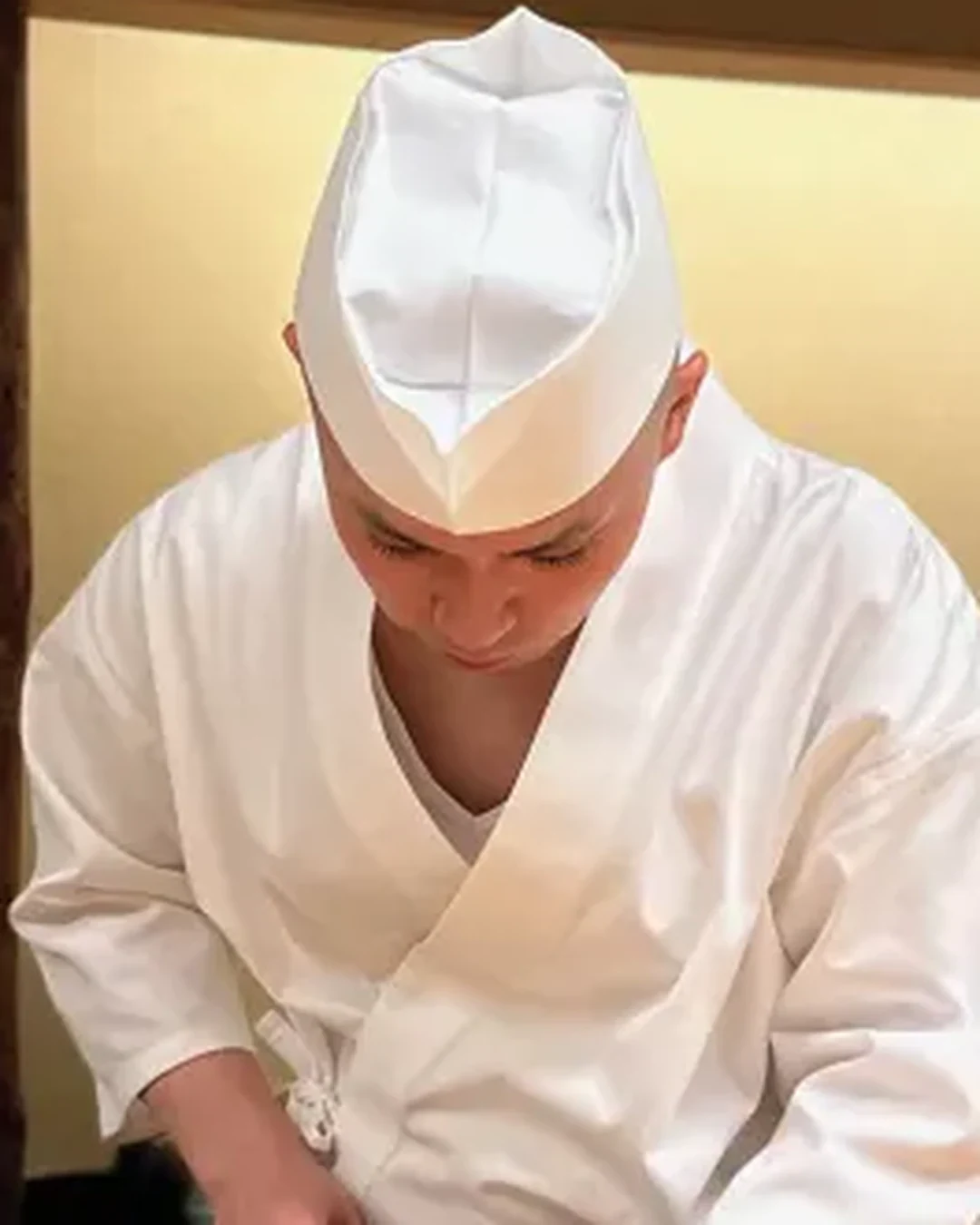
Shunji Hashiba, chef at Sushi Shunji in Tokyo, crafts Edomae sushi with red-vinegar rice and seasonal catches here.
- Opinionated About Dining Top Restaurants in Japan Ranked #58 · 2026
Rice held with air in the grain
A piece of rice gets shaped lightly, air still held in the grain, as Shunji Hashiba, chef at Sushi Shunji in Tokyo, sets the pace of the counter. Since 2020, he has held the dual role of head chef and founder here, building the restaurant around original Edomae-style sushi, seasonal catches brought in from across Japan, and rice seasoned with red vinegar. The title gives him authority; the work asks for restraint. Hashiba’s station is a sequence of small decisions, how firmly to mold, how long to let a flavor settle, when a cut fish should stay direct and when it can take seasoning or heat.
The restaurant does not frame his role as performance. It frames it as control. His published line for the work is simple, “Respect and gratitude for guests and for ingredients.” At the counter, that reads less like a motto than a method: catch, vinegar, rice, season, then the next piece only when the last one has had its time. The lineage made visible here is not a list of names on a wall. It is the discipline of Edomae practice carried through the hands, one course at a time.
Red vinegar and the Edomae measure
Sushi Shunji works with Hokkaido Yumepirika rice seasoned with Yokoi’s Kohaku red vinegar, molded lightly rather than pressed into density. That choice matters because the rice is not background. It sets the temperature, acidity, and give of each piece, then yields to the fish without disappearing. The seafood comes through seasonal catches from across Japan, including tuna from Funka Bay through Yamayuki at Toyosu Market, and the progression is built to move in sequence rather than in a rush.
The program includes an opening warm bowl of steamed sushi, often white tilefish in a thickened sauce over vinegared rice with asparagus and ginger. From there, the counter can move through Edo-style gizzard shad, chutoro, otoro, uni maki, and futomaki, with cooked dishes held in the same register. Stir-fried tiger prawns with dashi and sesame oil sit beside ankimo with fugu skin plated in Singapore Lo Hei style. “Shunji Oden” uses parts of fish that sushi counters often leave aside. Nothing in that list needs ornament. The craft is in the ordering, the weight of the rice, and the point at which Hashiba stops touching the piece.
Ten seats around pale wood
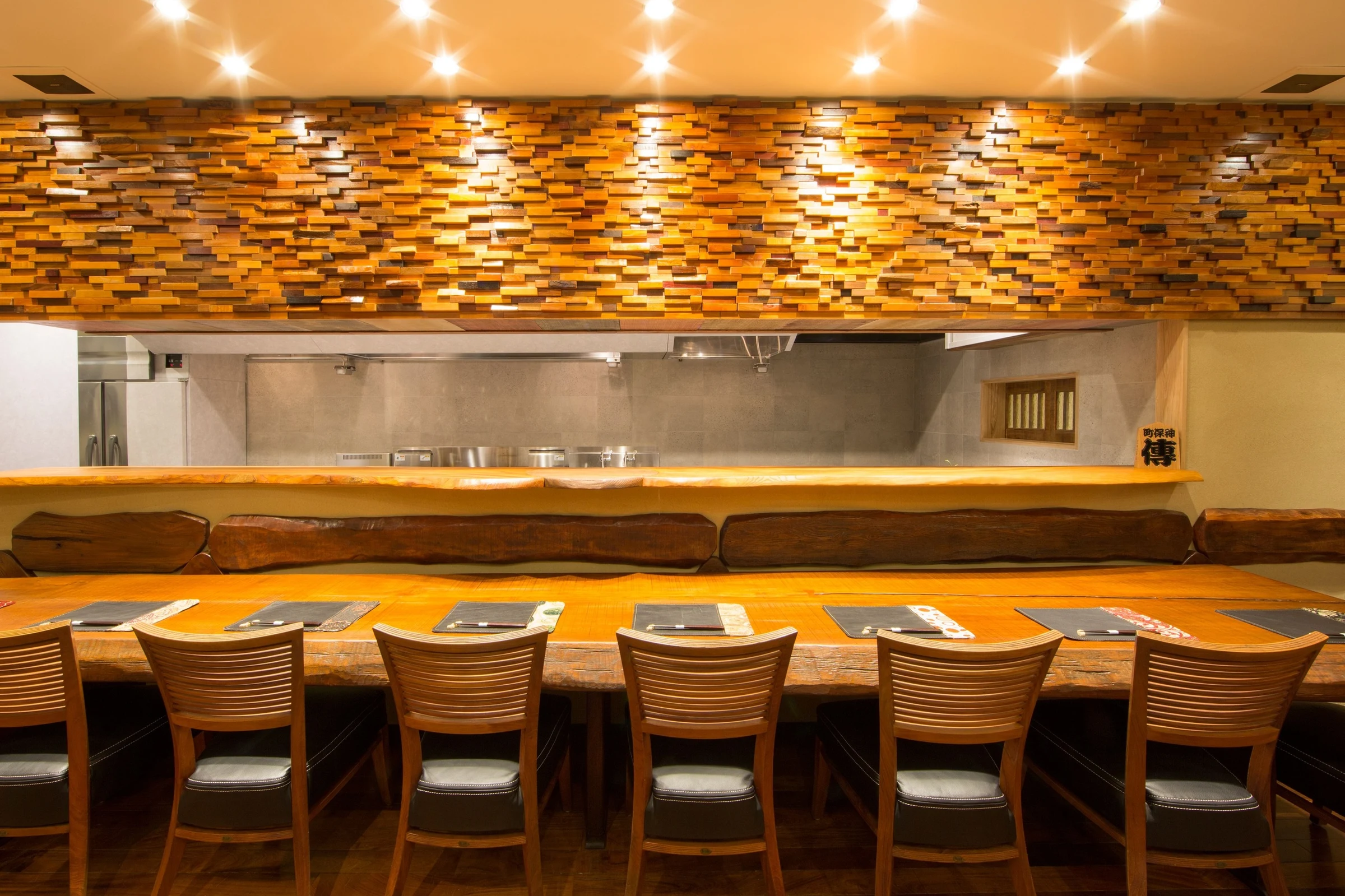
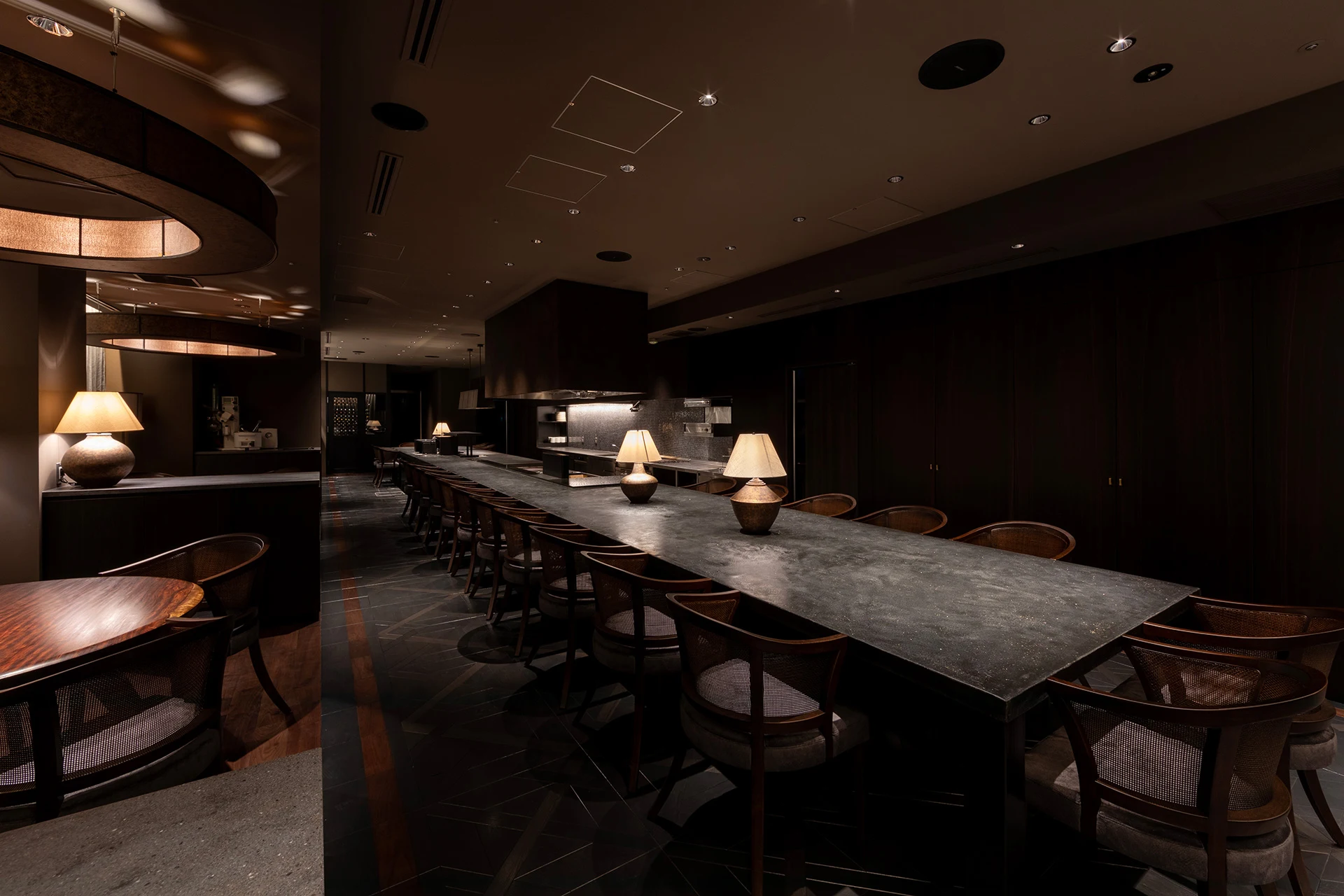
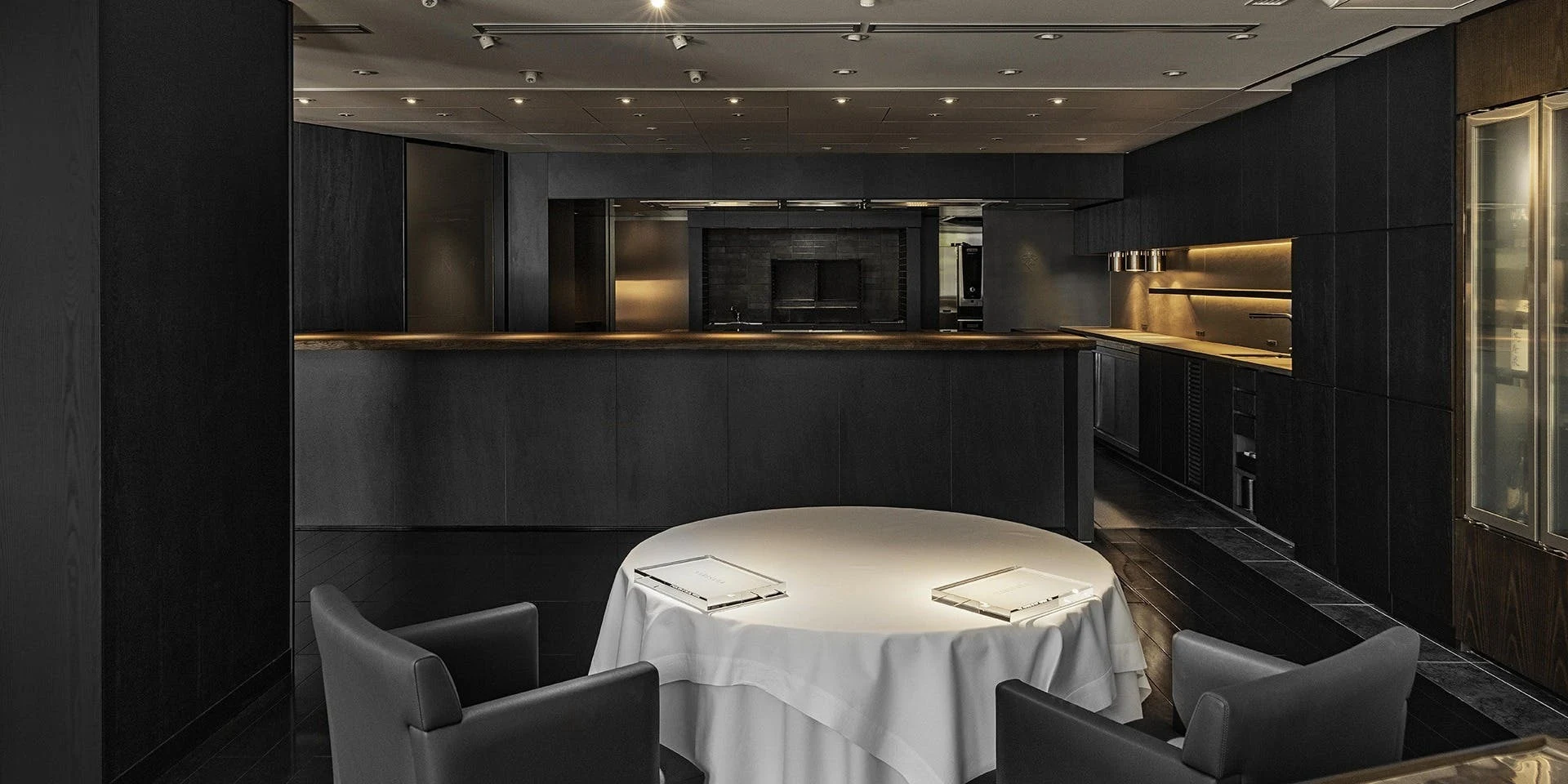
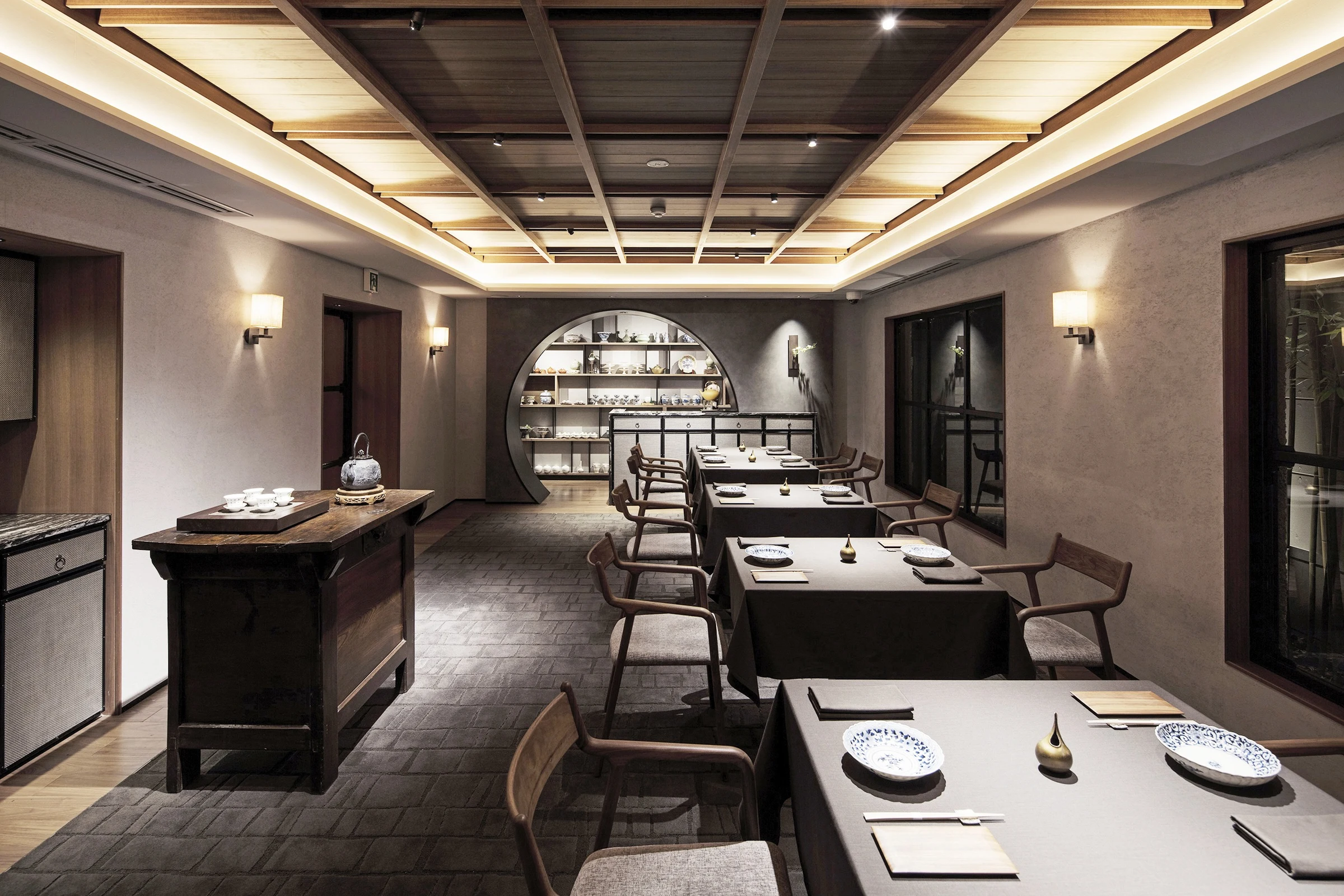
The room gathers around 10 counter seats, close enough that the bench-side gestures remain part of the meal. Toru Kijima designed the dining room with warm, low light, pale wood, and handmade ceramics; the surface in front of Hashiba includes a cutting board of 300-year-old Kiso cypress. Serving trays by Shiro Tsujimura bring another hand into the room, not as decoration but as part of the same conversation between material and use.
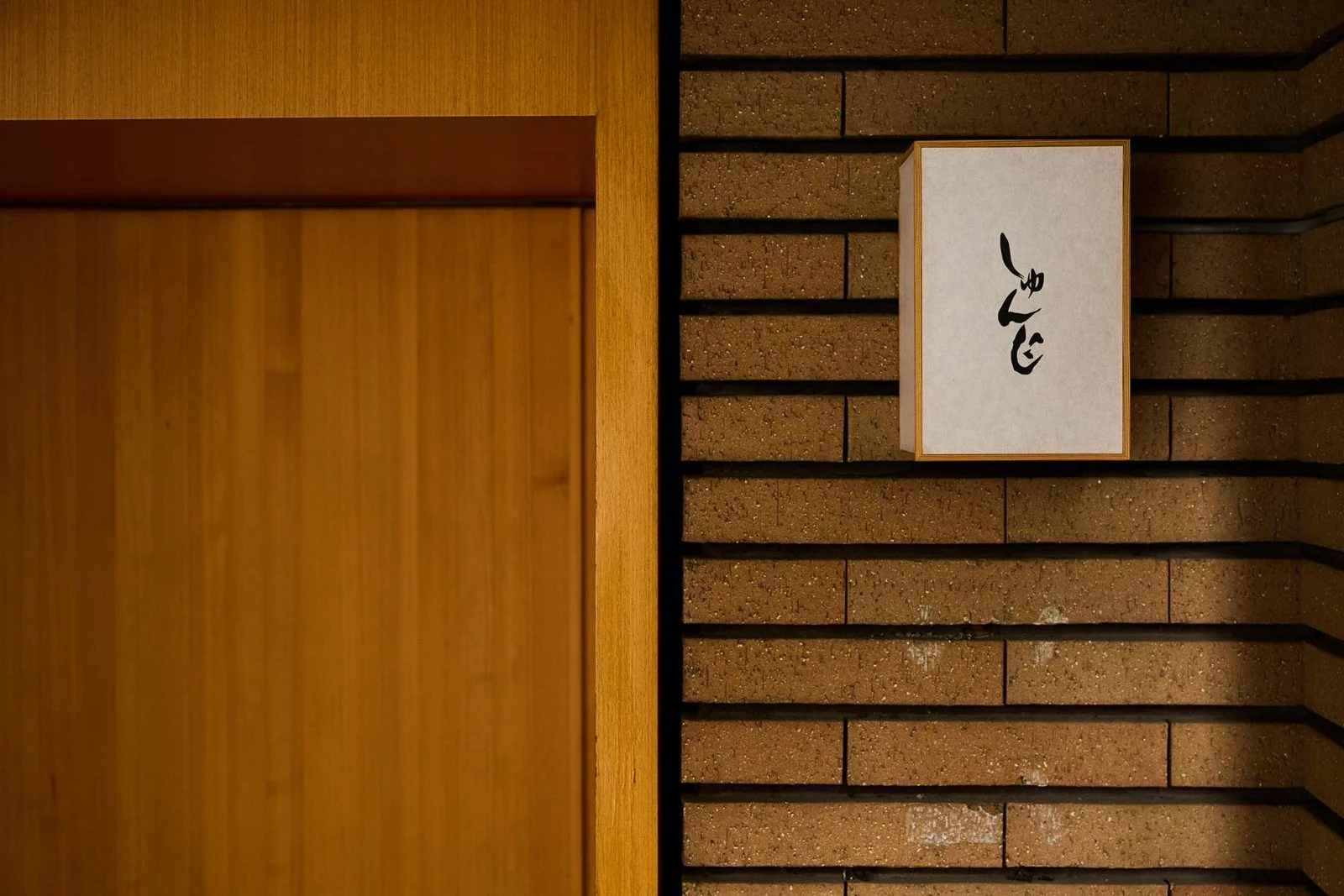
In Motoazabu, the restaurant sits quietly, away from the louder circuits of Tokyo dining. Inside, the pace belongs to the pass. Sake bowls are chosen by the guest, wine can enter the pairing, and the counter keeps returning to rice, vinegar, fish, and timing. The room leaves little space for distraction. Hashiba’s 2026 Tabelog Award Silver belongs to Sushi Shunji, and a piece of uni futomaki lands at the counter while the Kiso cypress still holds the cut.
Questions
Frequently asked
Who is behind Sushi Shunji?
Shunji Hashiba is the chef, head chef, and founder of Sushi Shunji. Since 2020, he has shaped the restaurant around Edomae-style sushi, seasonal catches from across Japan, and rice seasoned with red vinegar.
What kind of sushi does Sushi Shunji serve?
The restaurant serves original Edomae-style sushi built around Hokkaido Yumepirika rice seasoned with Yokoi’s Kohaku red vinegar. The menu draws on seasonal seafood from across Japan and can include tuna from Funka Bay through Yamayuki at Toyosu Market, as well as dishes such as steamed sushi, gizzard shad, chutoro, otoro, uni maki, futomaki, and Shunji Oden.
How many seats are there at the counter?
There are 10 counter seats around a pale wood dining room.
What recognition has Sushi Shunji received?
Sushi Shunji received a 2026 Tabelog Award Silver.
The field
How it compares
| Place | Cuisine | Awards | Notes |
|---|---|---|---|
| Sushi Shunji | Sushi | · | · |
| Den | Modern Japanese Kaiseki | Michelin 2 Stars, World's 50 Best | Tokyo |
| Florilège | Modern French-Japanese Plant-Based Fine Dining | Michelin 2 Stars, World's 50 Best | Tokyo |
| Narisawa | Modern Japanese Satoyama Fine Dining | Michelin 2 Stars, World's 50 Best | Tokyo |
| Quintessence | Modern French Fine Dining | Michelin 3 Stars | Tokyo |
| Sazenka | Modern Chinese Fine Dining | Michelin 3 Stars, World's 50 Best | Tokyo |
| Sézanne | French | Michelin 3 Stars, World's 50 Best | Tokyo |
In residence
Similar places
Modern Japanese Kaiseki
Den
Tokyo, Japan
★★ · 50 Best
Modern French-Japanese Plant-Based Fine Dining
Florilège
Tokyo, Japan
★★ · 50 Best
Modern Japanese Satoyama Fine Dining
Narisawa
Tokyo, Japan
★★ · 50 Best
Modern French Fine Dining
Quintessence
Tokyo, Japan
★★★
Modern Chinese Fine Dining
Sazenka
Tokyo, Japan
★★★ · 50 Best
French
Sézanne
Tokyo, Japan
★★★ · 50 Best