Made ByRestaurant
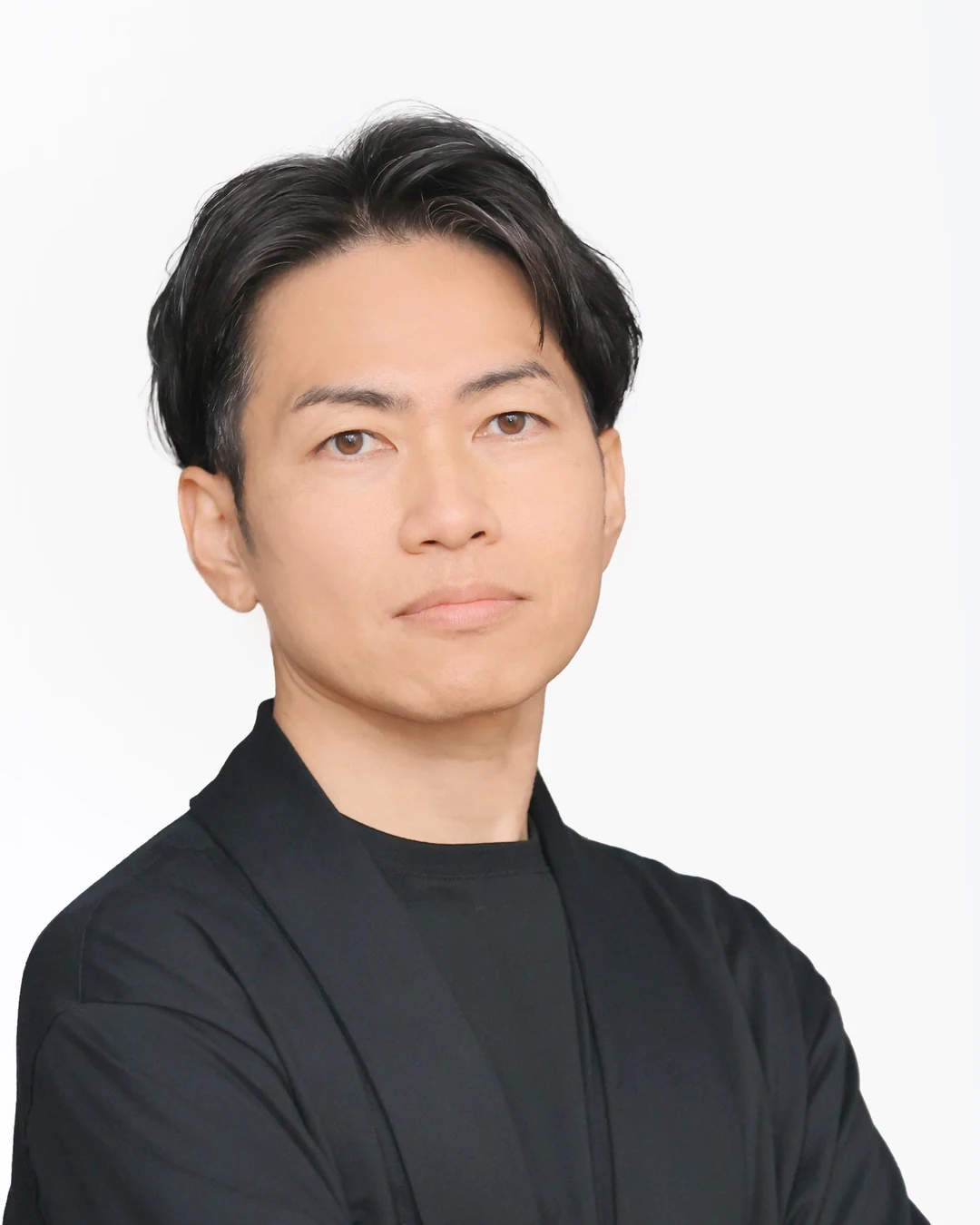
Takahiro Okada, owner-chef at Sushi Zai in Tokyo, builds Edomae sushi around Toyosu seafood and shari with care.
At a glance
- Cuisine
- Sushi
Rice cut while it is still hot
Quick cutting movements set the first rhythm for Takahiro Okada, owner-chef at Sushi Zai in Tokyo, Japan, as vinegar meets hot rice before the counter begins. Okada has held the role since 2019, working Edomae sushi as a discipline of selection, preparation, seasoning, forming, brushing, and serving. The restaurant’s center is not a flourish of fish over rice, but the pressure between them: shari as structure, seafood as season, soy as the last adjustment before the piece leaves his hands.
Okada’s lineage at this address is stated most clearly through the method he keeps in motion. He chooses seasonal seafood personally from Toyosu Market, placing it alongside domestic vegetables, rice, and seasonings, then lets the meal read through proportion rather than display. The decision happens before service, but it governs the pass: what waits, what moves early, what needs warmth, what should arrive cooler, what can carry acidity, and what asks for sweetness. The house gives his craft a casual tone without loosening the work. Seriousness stays in the fingers.
The shari carries the sequence
At Sushi Zai, Edomae technique begins with procurement and becomes visible in the rice. Okada treats water, cooking time, and temperature as the controls that decide grain texture and pace. Vinegar goes in while the rice is hot, cut through quickly rather than folded lazily, so the shari keeps shape without turning heavy. The finished sushi receives a final brush of soy sauce. Nothing in that sequence is decorative. Each move fixes how the bite lands, whether the warmth of the rice meets the coolness of the fish cleanly, and whether seasoning completes the piece before the guest reaches for anything else.
The omakase format moves in small measures. Steamed eel with cherry blossoms, fresh sea urchin, monkfish liver pâté with wasabi and seaweed tempura, abalone risotto, and deep-fried sea bream with scales have all appeared in the restaurant’s account of the meal. Abalone is named here as a daily signature, and abalone risotto gives the same ingredient another register, with rice, concentration, and texture doing different work. Repetition does not become redundancy when the method changes the grain of the experience.
Eight seats around the bench
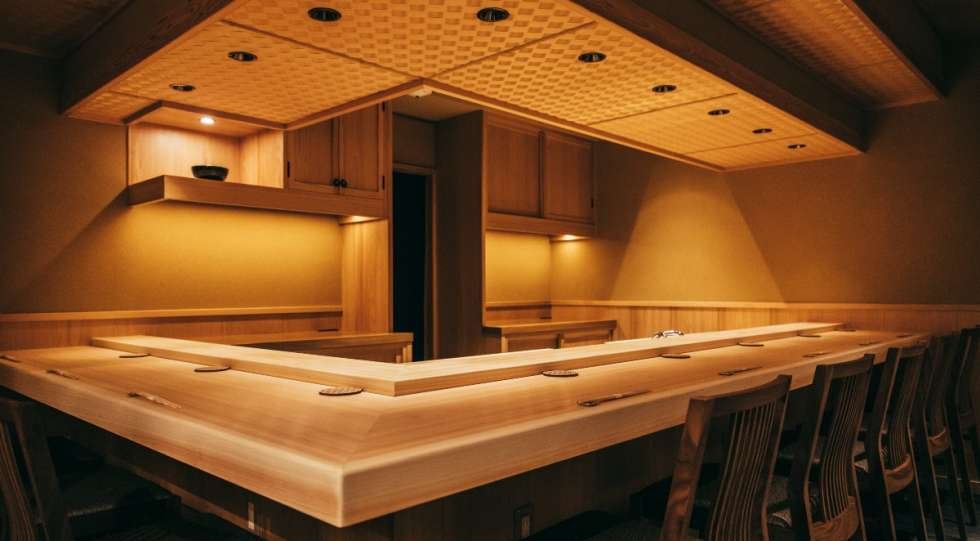
The room is built around an eight-seat main counter, a scale that makes the work difficult to hide. The counter is described in hinoki, and the material suits the manner of service: clean, close, and quiet enough for small hand movements to matter. The guest sees procurement’s consequences only after they have passed through trimming, seasoning, temperature, and timing. A piece arrives, brushed and complete. Then the station resets.
Hiroo gives the restaurant an address with polish, but the counter does not lean on neighborhood theater. The atmosphere aims for warmth, and the name Zai carries an idea of home or hometown. That matters because Okada’s cooking works against stiffness. The discipline remains exact, yet the room allows the meal to breathe, especially when the sequence moves from sea urchin to monkfish liver, from abalone to sea bream.
A bronze year, a daily shellfish
Sushi Zai received the Tabelog Award Bronze in 2025 and was listed in OAD Japanese Restaurants 2025 at rank 412. Awards can mark attention, but they do not explain the work. The venue returns daily to selection, hot rice, vinegar, soy, and the counter’s pace. If the meal leaves a signature behind, it is likely the abalone at Sushi Zai, held close enough to appear twice without repeating itself.
Address
Japan, 〒150-0012 Tokyo, Shibuya, Hiroo, 5 Chome−3−13 Barbizon86 5F
In residence
Similar places
French
Sézanne
Tokyo, Japan
★★★ · 50 Best
Modern Chinese Fine Dining
Sazenka
Tokyo, Japan
★★★ · 50 Best
Modern Japanese Satoyama Fine Dining
Narisawa
Tokyo, Japan
★★ · 50 Best
Modern French-Japanese Plant-Based Fine Dining
Florilège
Tokyo, Japan
★★ · 50 Best
Modern Japanese Kaiseki
Den
Tokyo, Japan
★★ · 50 Best
Modern French Fine Dining
Quintessence
Tokyo, Japan
★★★