Sushidokoro Shigeru
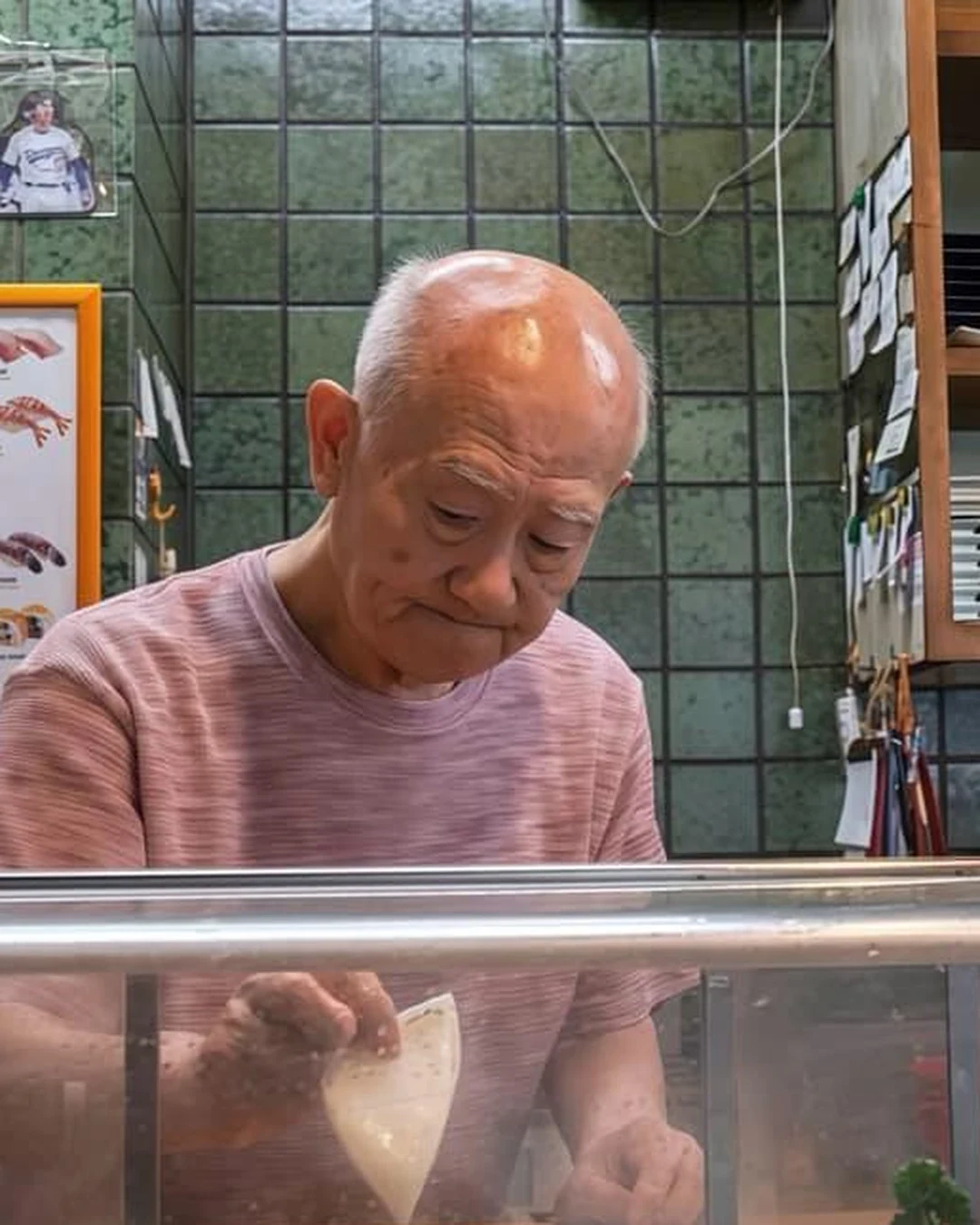
In Residence
Shigeru Sagara
Chef
- 01CuisineTraditional Sushi Omakase
- 02CityTokyo, Japan
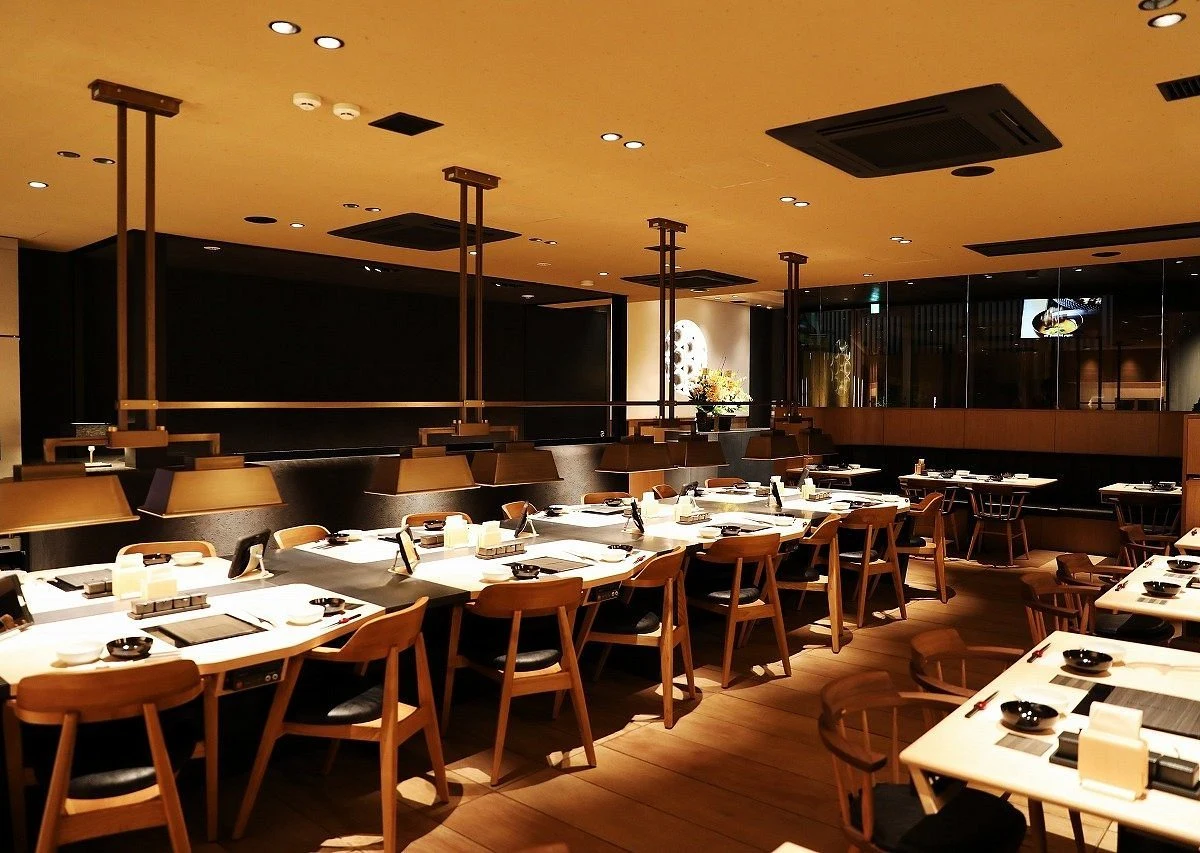
Torotaku shaped at seven seats
- Michelin Bib Gourmand · Michelin Guide
- Michelin Bib Gourmand · 2026
- Michelin Bib Gourmand · 2024
Torotaku at the counter
Fatty tuna is beaten, then cut with pickled daikon; Shigeru Sagara , chef at Sushidokoro Shigeru in Shinjuku, Tokyo, makes torotaku the preparation regulars return for. The dish gives his bench a clear grammar: richness checked by crunch, knife work held inside repetition, a few ingredients asked to carry the piece without ornament. Sagara works here as owner-chef, which places him at the center of the daily decisions, from the progression of snacks into nigiri to the final pressure of rice and fish between the hands. He also serves as executive chef of Tachiguisushi Sushikawa in Tokyo, a parallel responsibility that keeps the discipline present tense rather than biographical. At Sushidokoro Shigeru, that time has narrowed into tuna handled with restraint: torotaku, then maguro ohagi, each one direct enough that excess would show immediately.
Nigiri measured by seven seats
The program is omakase, but its center is nigiri. Sagara salts, marinates, simmers, cuts, and hand-forms, keeping the method close enough for every guest at the counter to see the sequence. The scale matters. With 7 seats, the pass is not separated from the room; each piece leaves the bench almost as soon as the rice has taken shape. The menu moves through small preparations and seasonal fish before returning to the essential test of a sushi shop, the formed piece. Grilled makajiki brings smoke and tenderness into the run without breaking its register. Wasabi stays quiet. Sake carries the beverage program, chosen to sit beside the fish rather than become a second performance. Michelin Bib Gourmand recognition, including 2024, names the consistency of the work without changing its posture. The standard remains the same small sequence: fish, rice, hand, counter.
The Sunday letter
Find new places through the people who run them.
Our Sunday email brings you the chefs, winemakers and hoteliers behind our newest stories. See a sample before you subscribe.
See a sample of the Sunday emailOne email a week. Unsubscribe from any issue.
The room keeps the pace
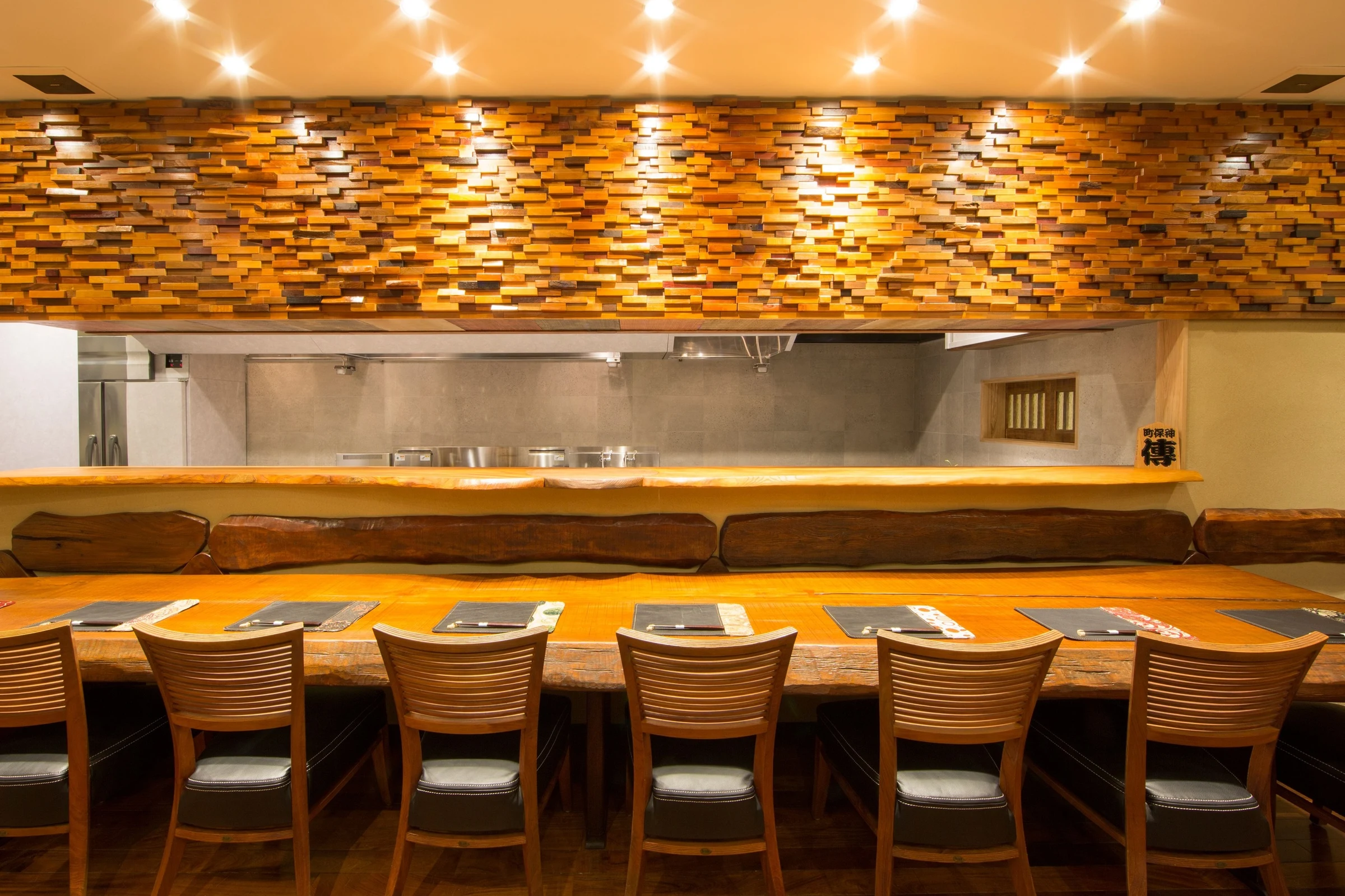
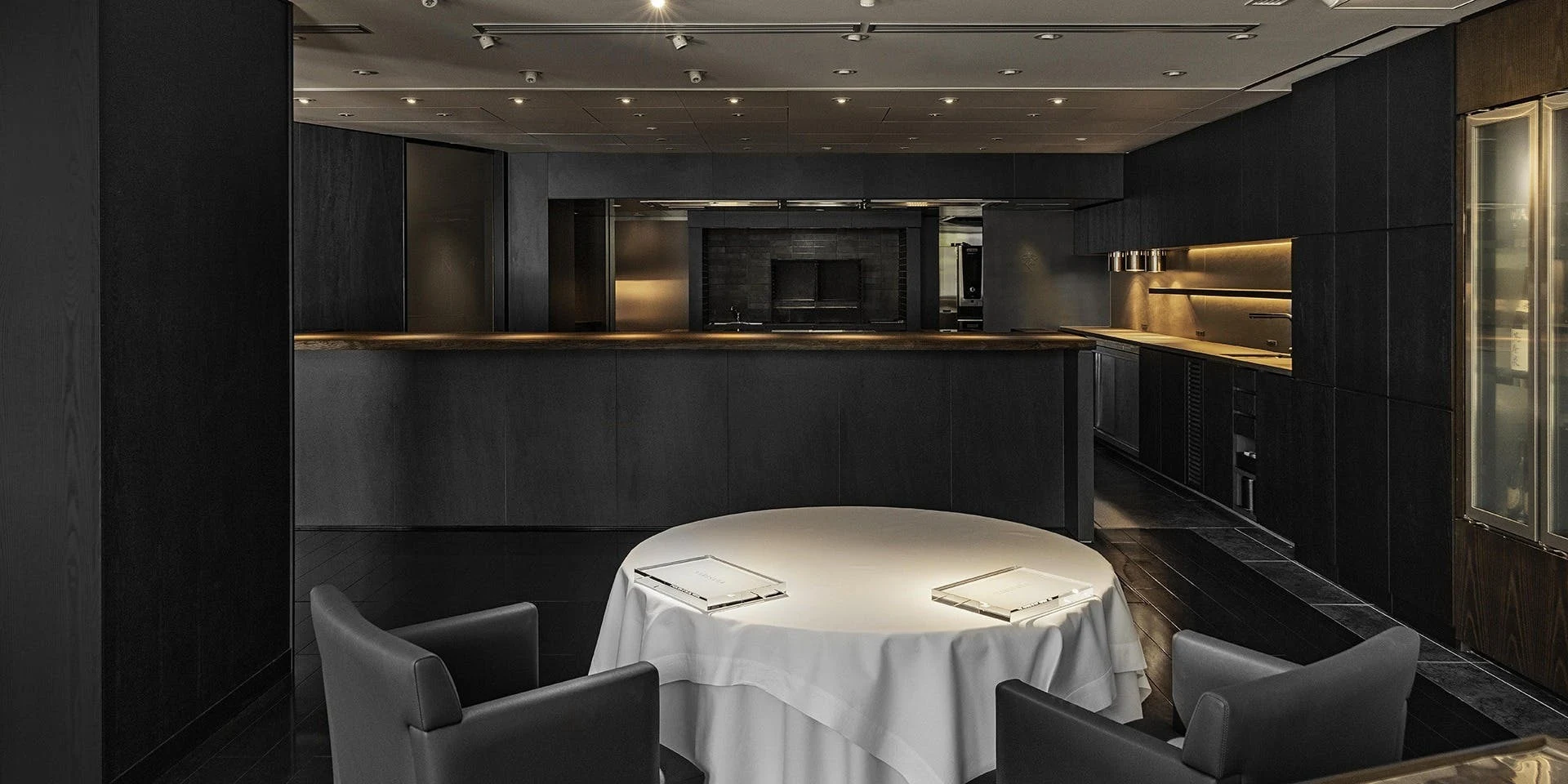
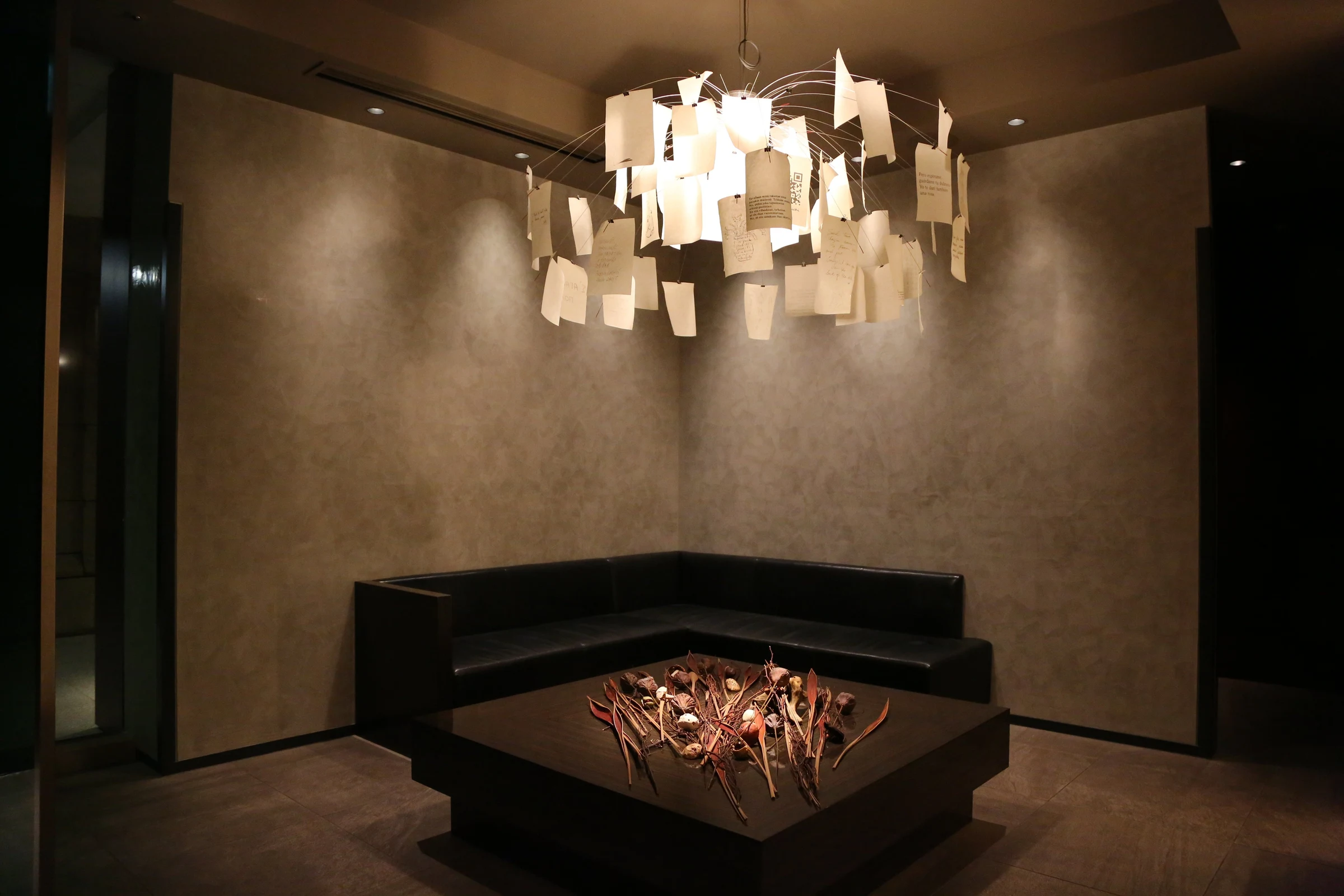
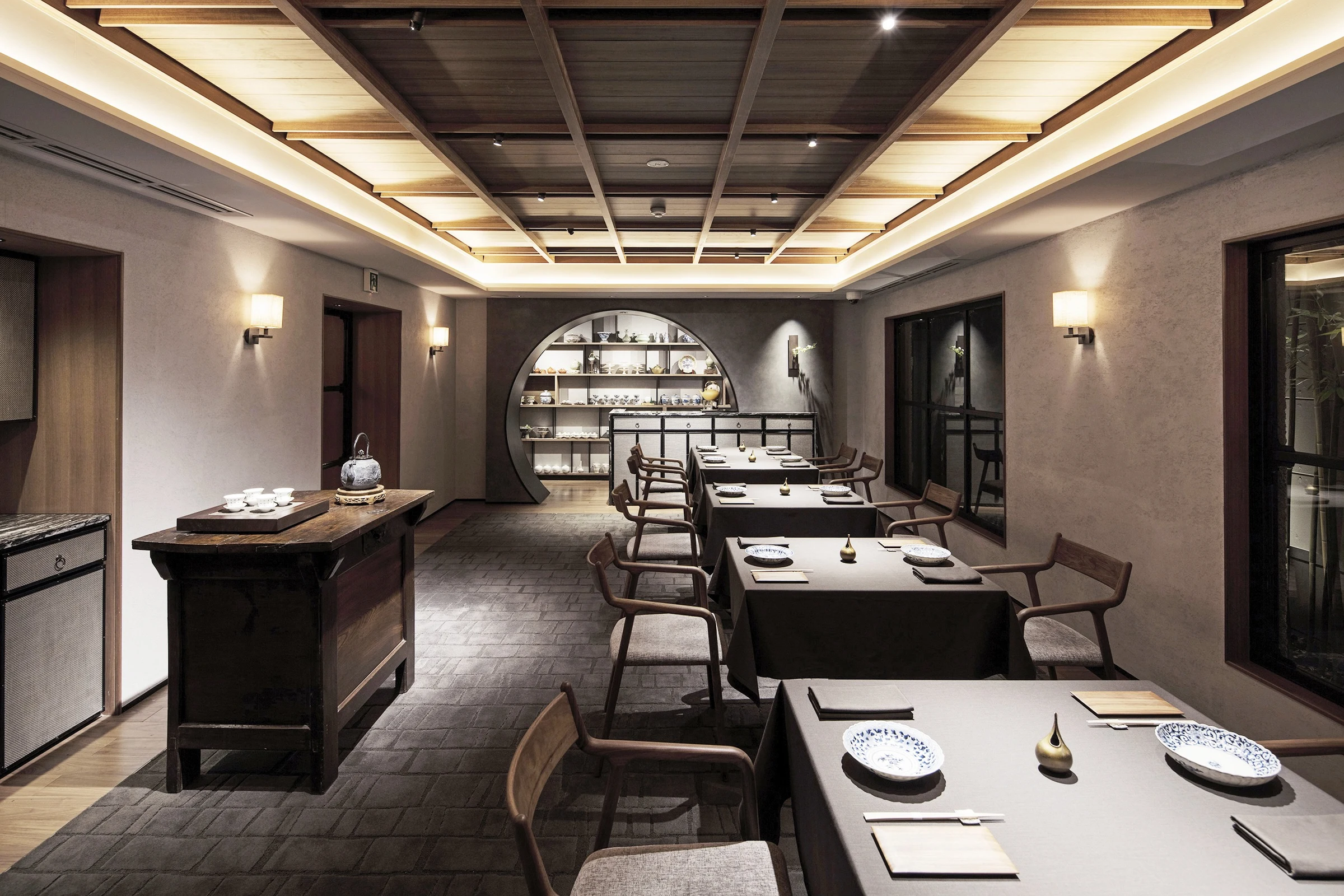
The counter is intimate enough that conversation becomes part of service, not a layer placed on top of it. Guests sit within reach of the pass, watching the knife, the damp cloth, the shaping of rice, and the pause before Sagara sets down the next piece. Shinjuku is outside, but the room does not borrow its volume. It stays quiet, compact, and conversational, a sushi shop where kinship forms because everyone shares the same line of sight. The atmosphere is not grand, and it does not need to be. Its luxury is proximity to the method: the chef's hands, the immediate exchange, the knowledge that a piece can be corrected only before it leaves the fingers.
What remains in the hand
Sagara’s work matters here because the restaurant keeps its ambition inside the old constraints of the form. The counter is small, the menu is focused, and the house reputation rests on pieces that regulars can name. Nothing about torotaku asks for scale. It asks for the same pressure, the same cut, and the same judgment each time. At Sushidokoro Shigeru, the clearest signature is still Shigeru Sagara’s torotaku.
Questions
Frequently asked
What kind of restaurant is Sushidokoro Shigeru?
Sushidokoro Shigeru is a traditional sushi omakase restaurant in Shinjuku, Tokyo.
What is the place known for?
The restaurant is known for torotaku, with Shigeru Sagara working at the counter and serving nigiri, seasonal fish, and sake.
What recognition does Sushidokoro Shigeru hold?
Sushidokoro Shigeru holds a Michelin Bib Gourmand recognition, including 2024.
How is the dining room set up?
The restaurant has 7 seats at the counter, so guests sit close to the pass and watch the preparation as it happens.
Do guests need to book ahead?
Reservations are essential.
The field
How it compares
| Place | Cuisine | Notes | Awards |
|---|---|---|---|
| Sushidokoro Shigeru | Traditional Sushi Omakase | Shinjuku, $$ | · |
| Den | Modern Japanese Kaiseki | Tokyo | Michelin 2 Stars, World's 50 Best |
| Florilège | Modern French-Japanese Plant-Based Fine Dining | Tokyo | Michelin 2 Stars, World's 50 Best |
| Narisawa | Modern Japanese Satoyama Fine Dining | Tokyo | Michelin 2 Stars, World's 50 Best |
| Quintessence | Modern French Fine Dining | Tokyo | Michelin 3 Stars |
| Sazenka | Modern Chinese Fine Dining | Tokyo | Michelin 3 Stars, World's 50 Best |
| Sézanne | Modern French Fine Dining | Tokyo | Michelin 3 Stars, World's 50 Best |
In residence
Similar places
Modern Japanese Kaiseki
Den
Tokyo, Japan
★★ · 50 Best
Modern French-Japanese Plant-Based Fine Dining
Florilège
Tokyo, Japan
★★ · 50 Best
Modern Japanese Satoyama Fine Dining
Narisawa
Tokyo, Japan
★★ · 50 Best
Modern French Fine Dining
Quintessence
Tokyo, Japan
★★★
Modern Chinese Fine Dining
Sazenka
Tokyo, Japan
★★★ · 50 Best
Modern French Fine Dining
Sézanne
Tokyo, Japan
★★★ · 50 Best
The Sunday letter
Get the next Made By story in your inbox.
We send one email every Sunday morning with the places and people we covered that week.
See a sample of the Sunday emailOne email a week. Unsubscribe from any issue.