Made ByRestaurant
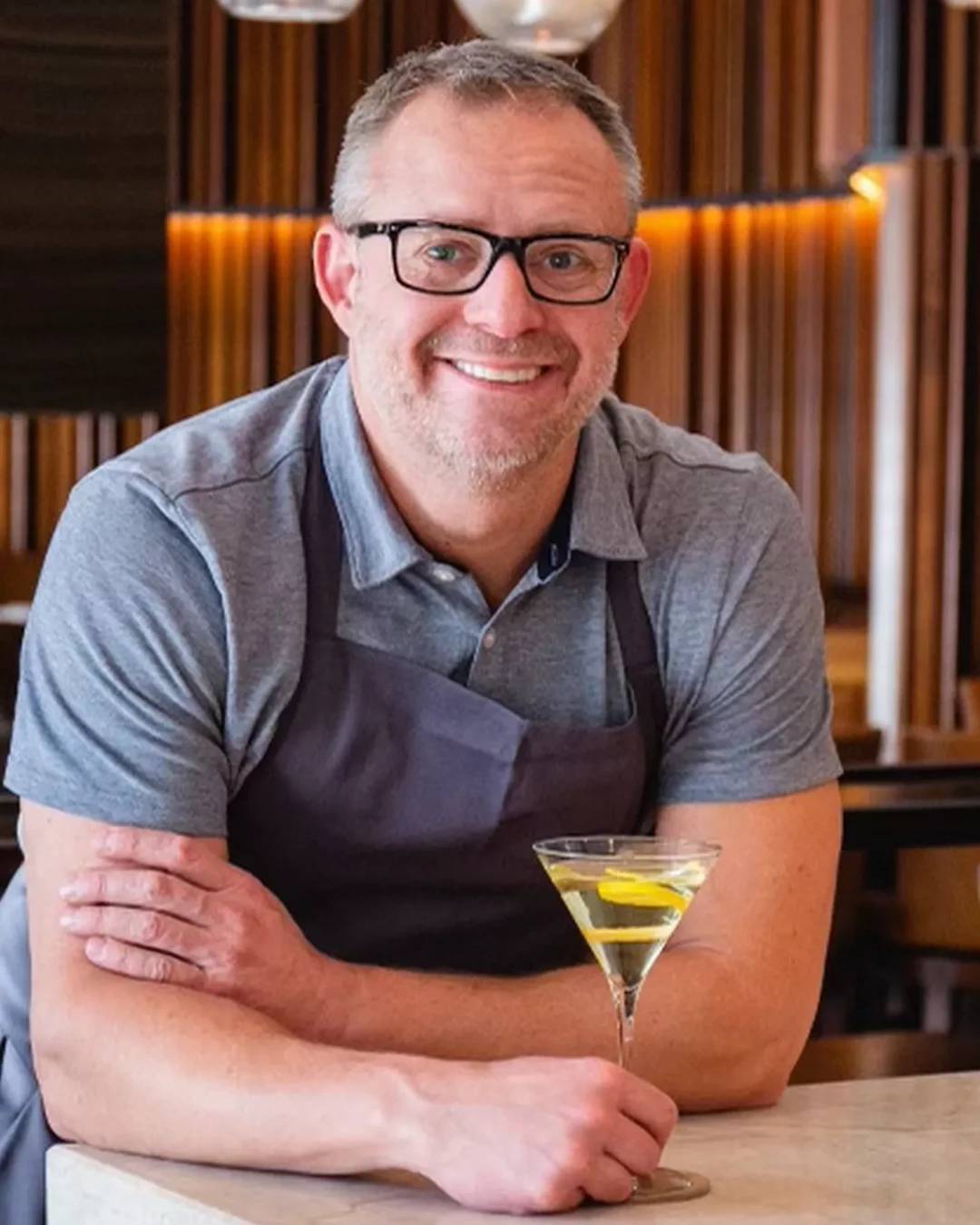
Ethan Stowell, chef at Tavolàta in Seattle, keeps Italian cooking close to the bench through daily pasta and shared plates.
At a glance
- Cuisine
- Ita
Pasta water before the first ticket
Pasta water sets the pace before service; Ethan Stowell, chef at Tavolàta in Seattle, builds the room around Italian cooking that can hold through a long pass. His name sits across a wider Seattle group, but this address asks for a particular discipline: fresh pasta, direct sauces, small plates that arrive without excess, and a dining room built for shared plates rather than ceremony. Stowell came through Lampreia, Nell's, and The Painted Table, rooms where control mattered and repetition taught its own form of judgment. At Union in Seattle, from 2003, he moved into the combined work of chef and restaurateur, carrying both the plate and the operating frame. Cortina followed in Washington. Ethan Stowell Restaurants now gives that work its structure, with Stowell as founder and chief executive officer as well as chef and restaurateur of several rooms, including Tavolàta. The lineage is not presented here as a romance of apprenticeship, but as time spent learning how a kitchen keeps its shape when the room fills. At Tavolàta, that shows in the decision to make Italian food readable: pasta, salumi, burrata, calamari, croquettes, and desserts that stay close to the grammar of the table.
A pasta program with a steady hand
The method at Tavolàta begins with house-made pasta, prepared daily and cut into forms that ask different things from the bench. Rigatoni can take spicy sausage without losing its bite; spaghetti pomodoro depends on restraint; bucatini carbonara needs enough structure to carry egg, cheese, and cured pork without turning heavy. Linguine, pappardelle, ravioli, gnocchi, and other shapes give the kitchen a working range, each one tied to sauce in the old practical way. The menu also leaves space for piatto di salumi, burrata, fried calamari, and Romana croquettes, the kind of first plates that let a table begin slowly while the pasta station gathers its rhythm. Stowell's broader signature is simple Italian cooking, direct flavors and clean execution, with no movement added for its own sake. At Tavolàta, that discipline has to survive volume. A pasta program is only as good as its repeatability: water held hot, sauce finished at the right moment, starch carried into the pan, plates leaving the pass while the noodle still has tension.
The room around the long table
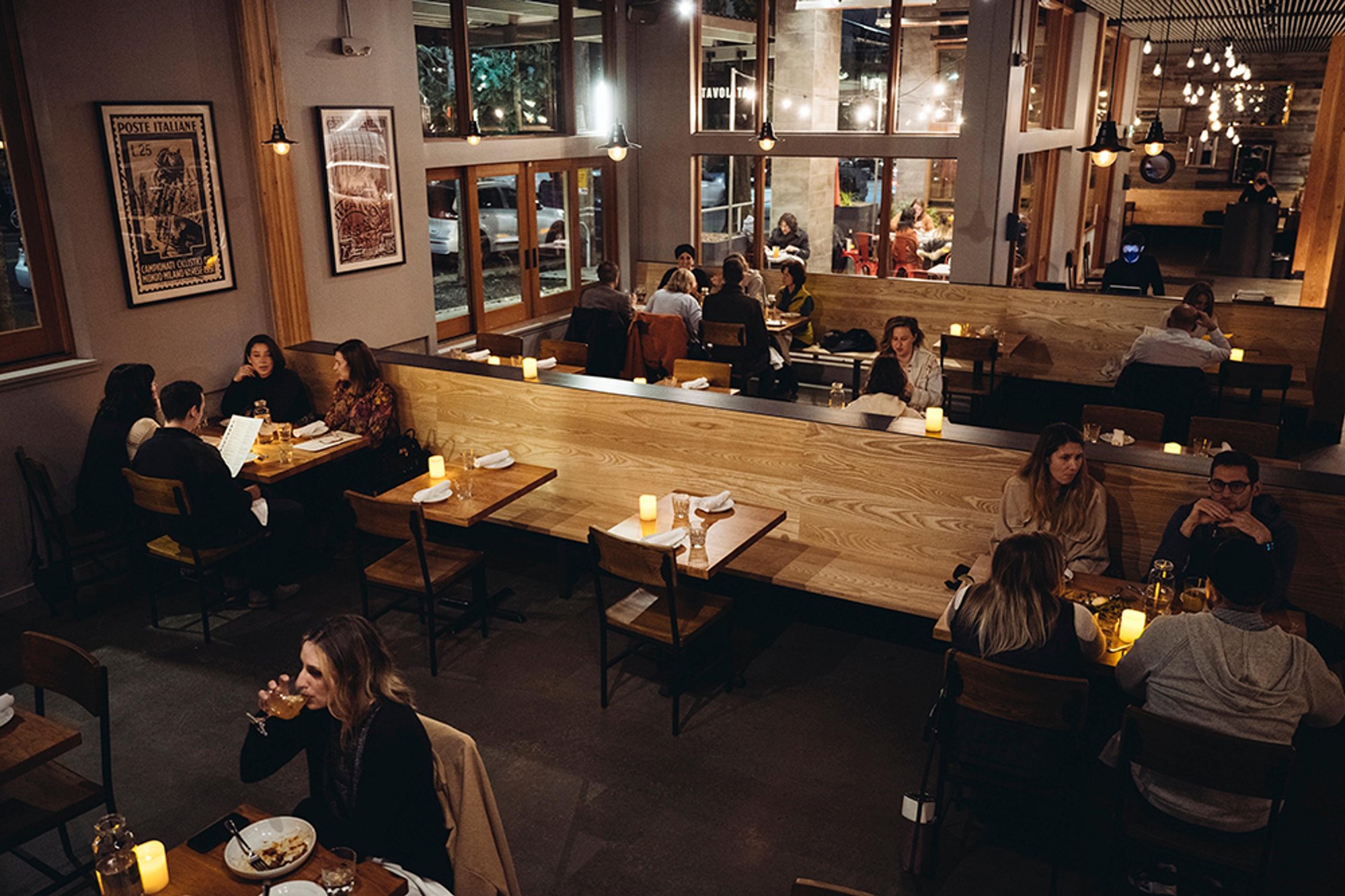
The room is not arranged around distance. Communal tables are part of Tavolàta's character, and they change the way the cooking lands: salumi crosses the table, pasta bowls move between hands, and the sound of the room stays close to the work rather than apart from it. The atmosphere has been described as lively and loud, which matters here because the food is built for appetite rather than hush. Industrial-chic details appear in some locations, but the more useful texture is bench-side and practical: a counter rhythm, a pass that keeps moving, servers threading plates through conversation, and a wine list built to sit beside tomato, pork, butter, herbs, and wheat. Seattle gives the restaurant its audience and its weather; the cooking answers with warmth, salt, and the steady repetition of pasta service.
One restaurant inside a larger body of work
Tavolàta belongs to a larger Stowell pattern rather than standing apart from it. Goldfinch Tavern, How to Cook a Wolf, Red Cow, Rione XIII, and Tavolàta each carry a version of the same operating discipline, but this room is where the pasta bench does the clearest speaking. Recognition has followed Stowell across his career, including Outstanding Restaurateur semifinalist in 2020, with dough, sauce, pass, table. At Tavolàta, the shape of the place is plain in bucatini carbonara.
Address
Seattle, West, United States
In residence
Similar places
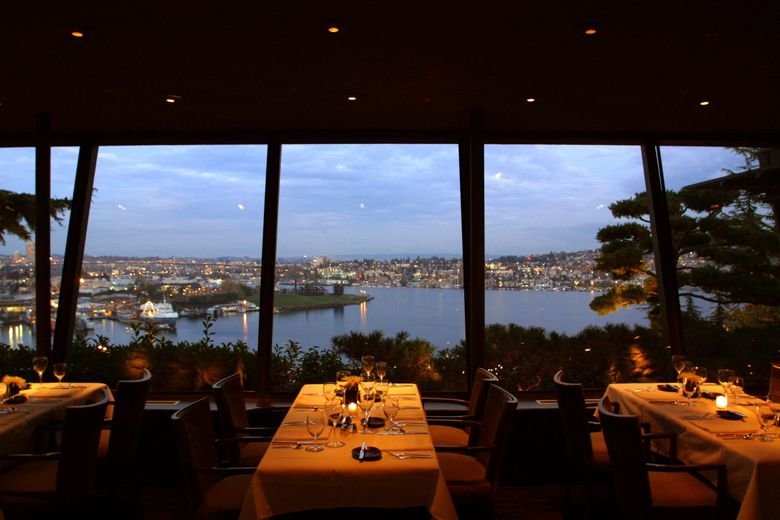
Modern American Fine Dining
Canlis
Seattle, United States
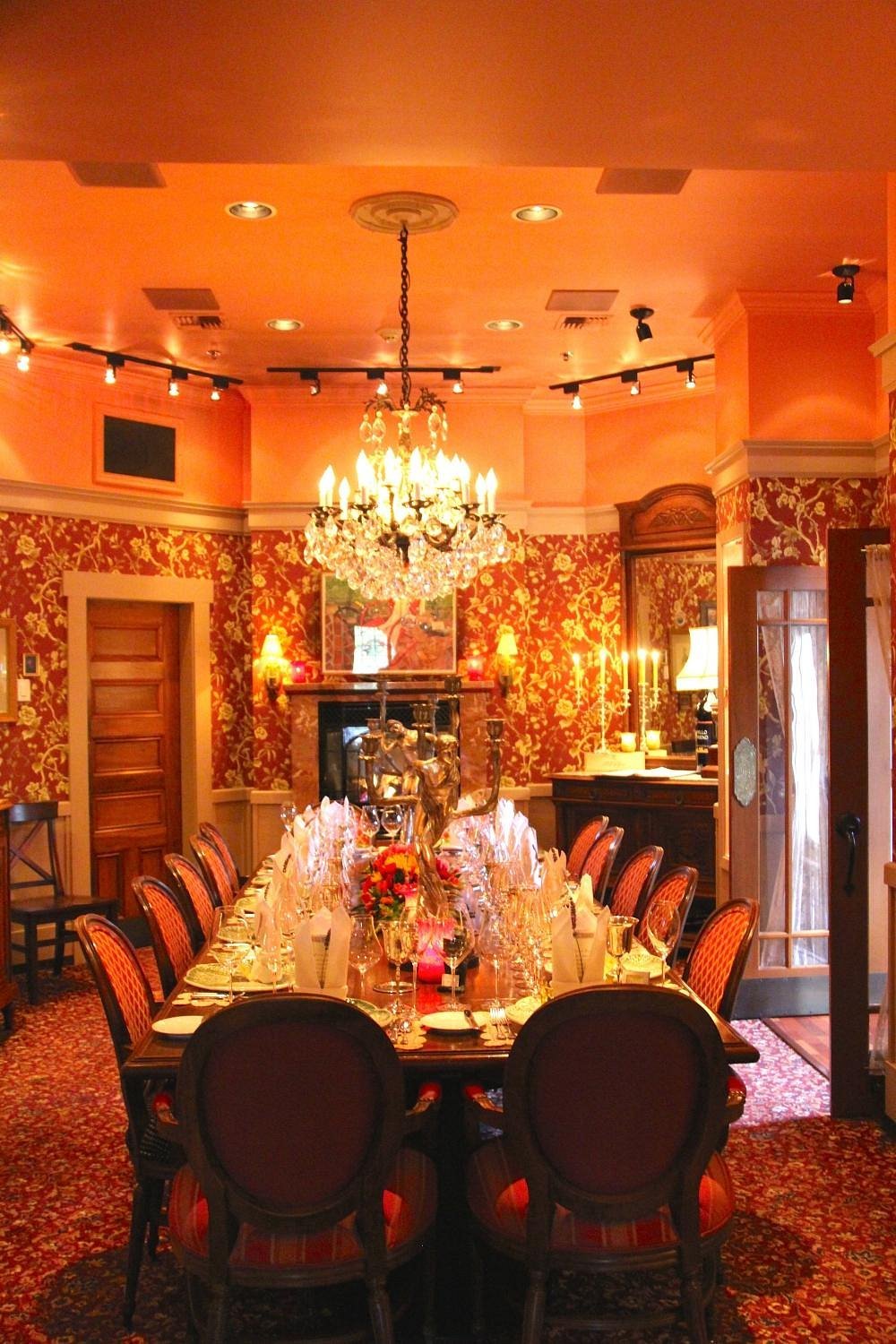
Pacific Northwest Farm-to-Table Tasting
The Herbfarm
Seattle, United States
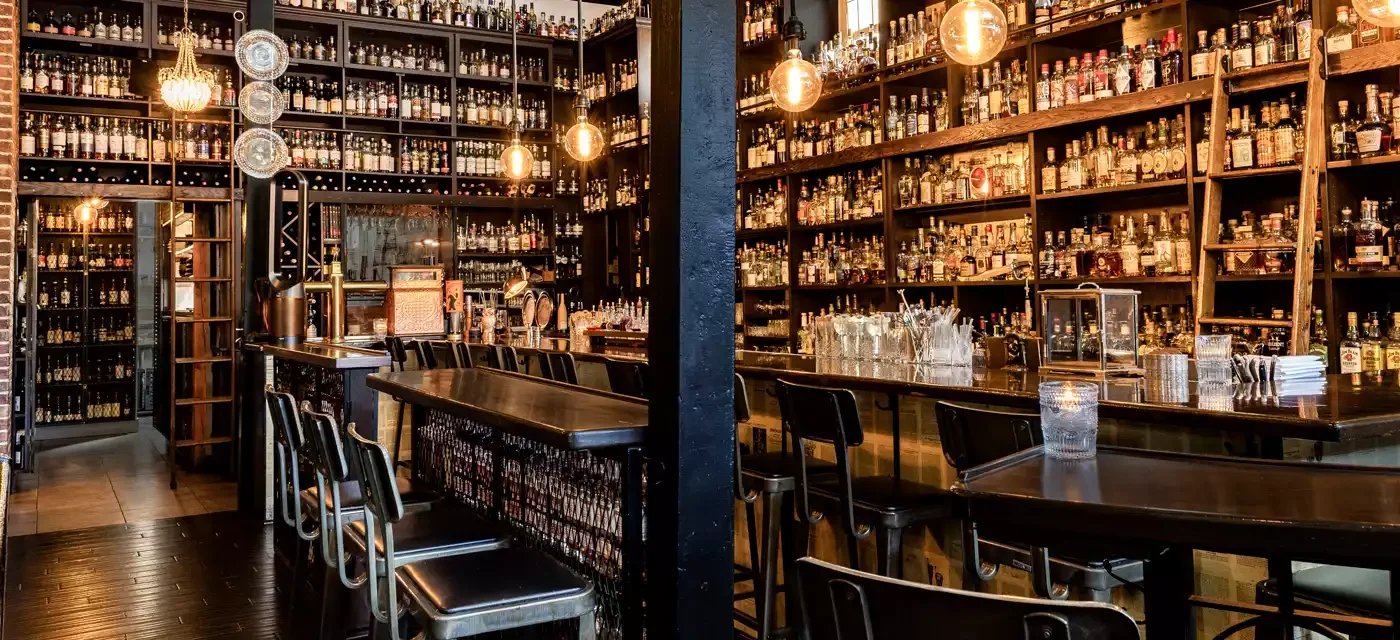
American Small Plates & Cocktails
canon
Seattle, United States
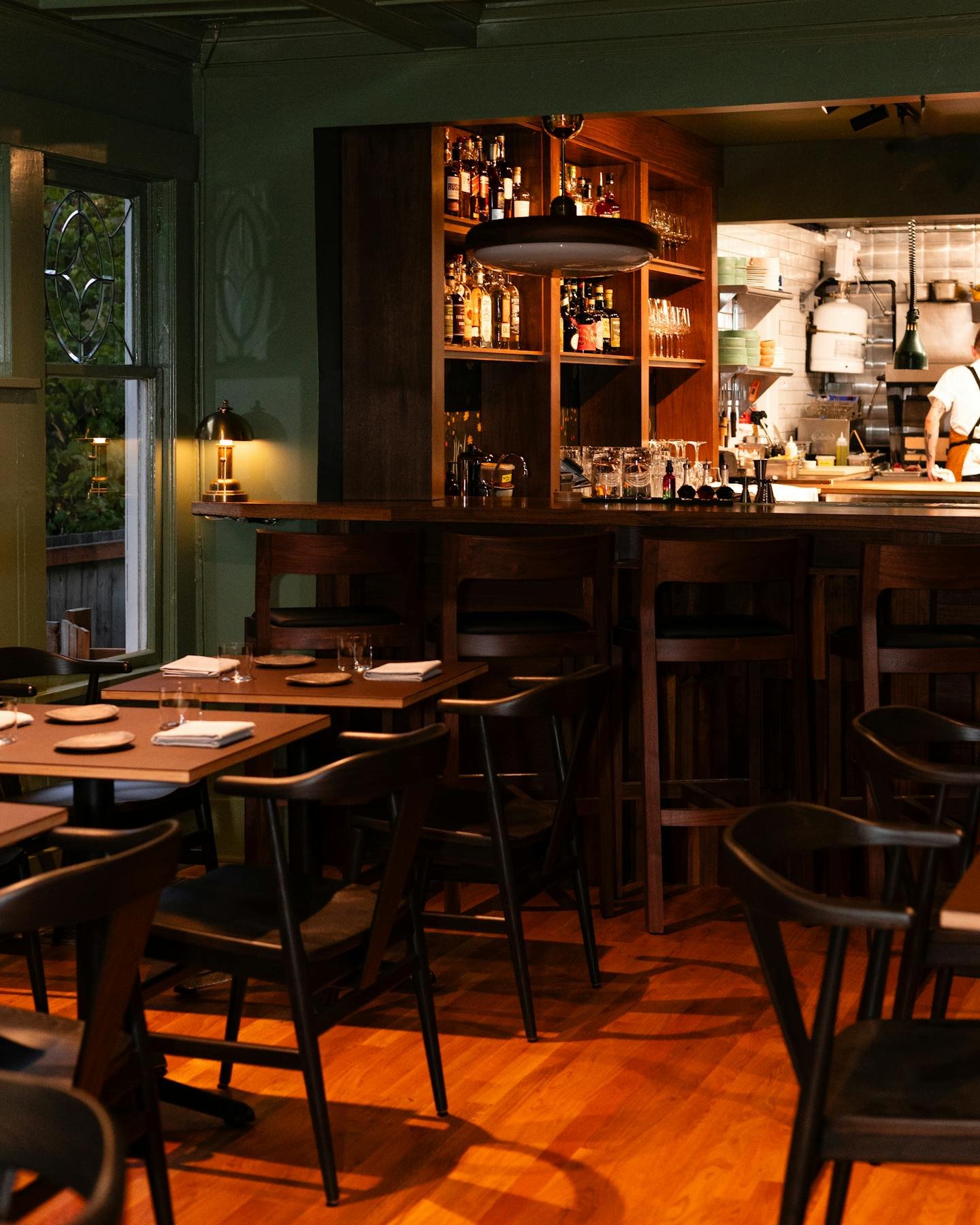
Modern New American
Atoma
Seattle, United States
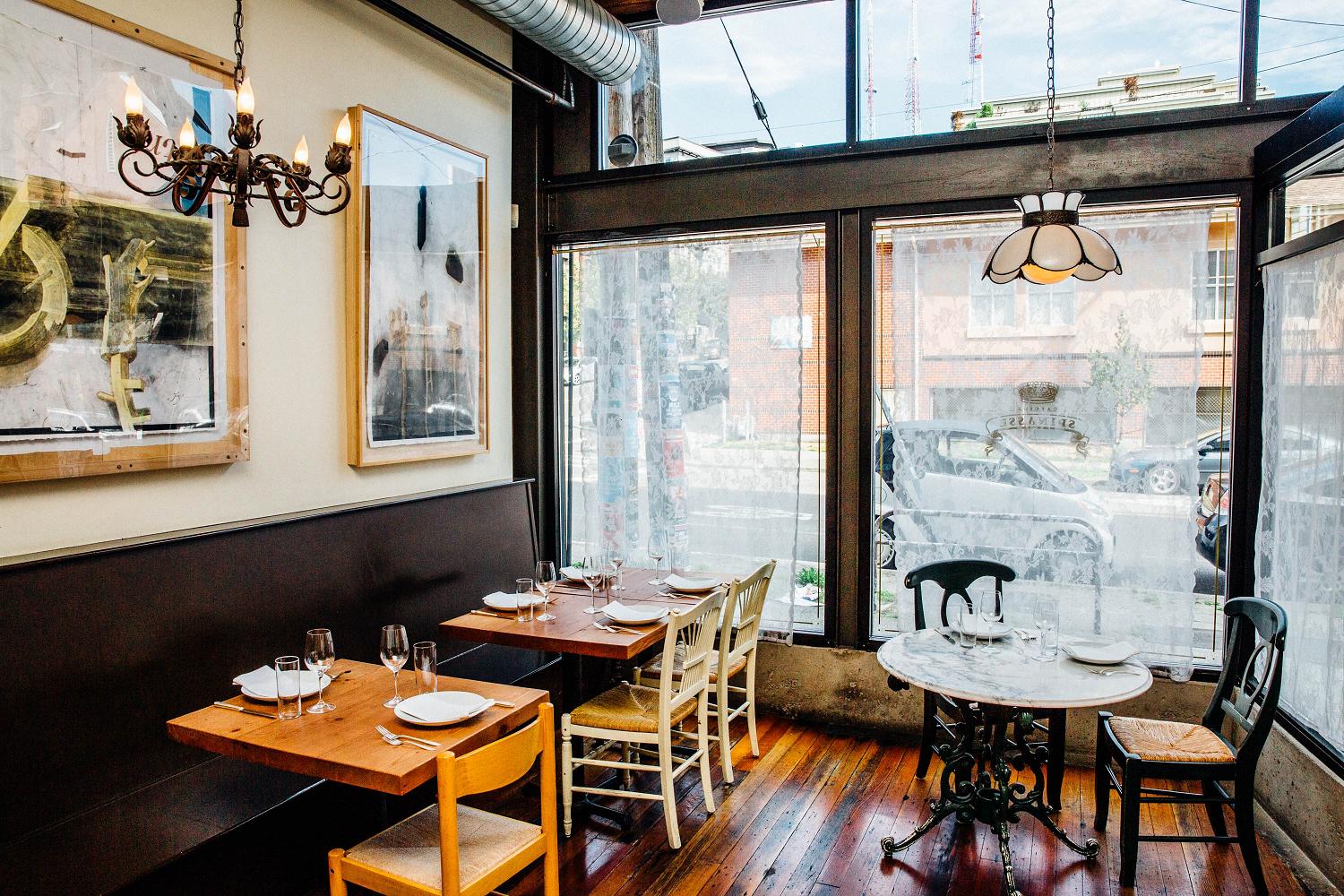
Piedmontese Northern Italian
Spinasse
Seattle, United States
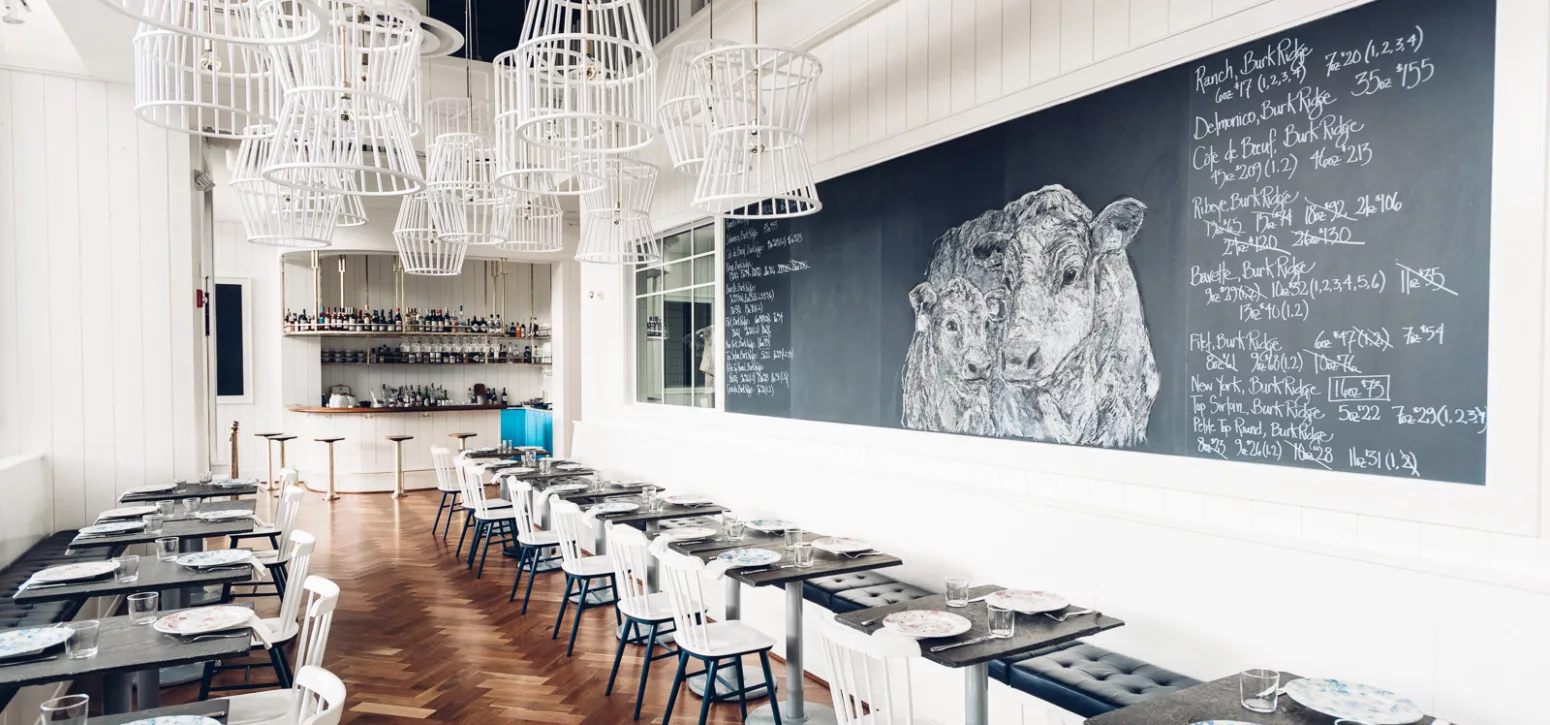
Contemporary Steakhouse
Bateau
Seattle, United States