Made ByRestaurant
The Factory Kitchen

Chef in Residence
Angelo Auriana
Chef
- 01CuisineTraditional Northern Italian Trattoria
- 02CityLos Angeles, United States
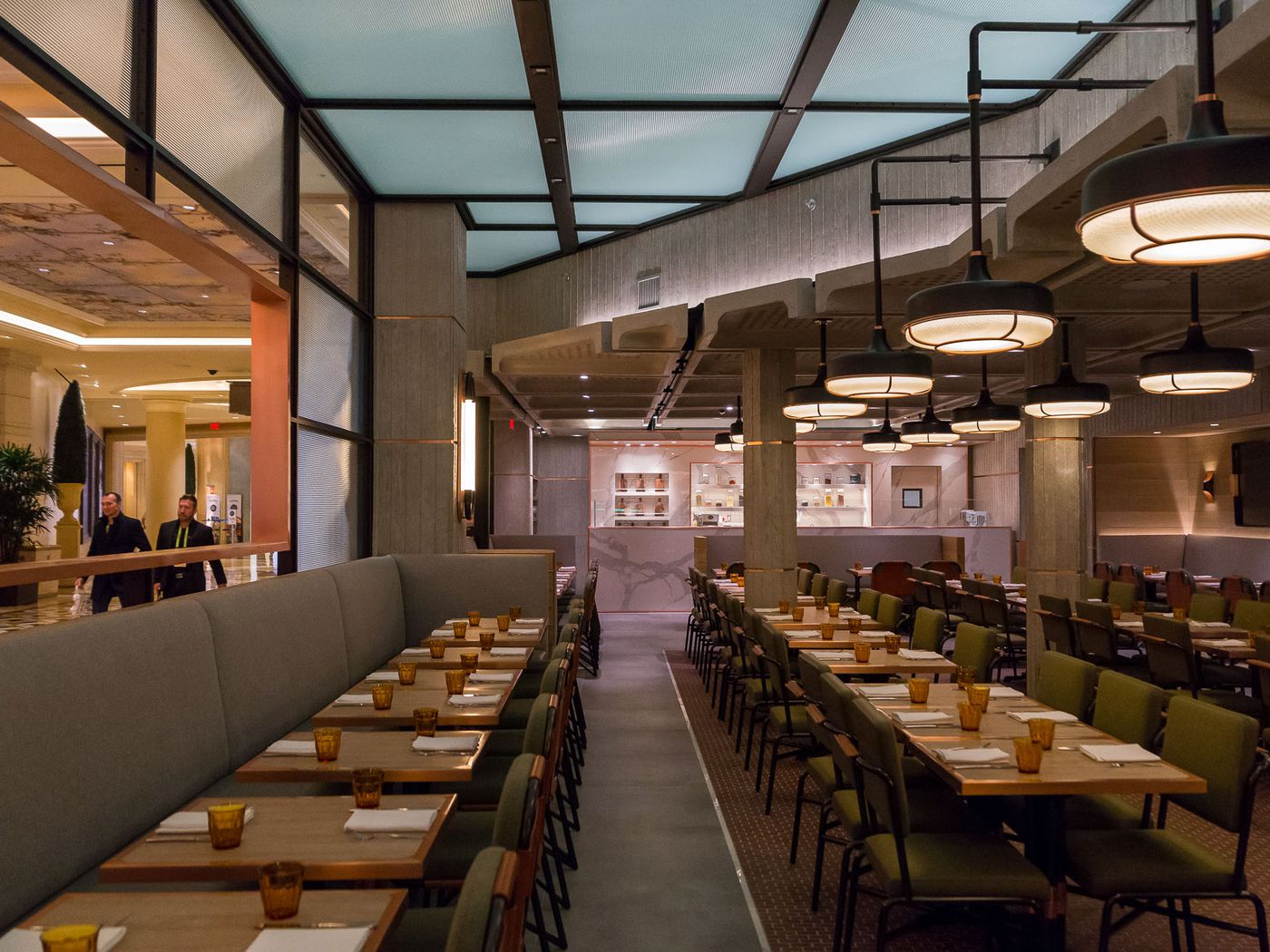
A Michelin Bib Gourmand recipient ranked among the top casual Italian addresses in North America by Opinionated About Dining, The Factory Kitchen brings Northern Italian regional cooking to LA's Arts District. Cement columns, a modern bar, and open garage doors frame a menu where handmade pasta and the focaccina calda di Recco, thin dough filled with Crescenza cheese, set the standard for the price tier.
- Michelin Bib Gourmand
At a glance
- Cuisine
- Traditional Northern Italian Trattoria
- Price
- $$
- Per person
- $50
- Hours
- Mon: 11:30 AM–2:30 PM, 5–9 PM; Tue: 11:30 AM–2:30 PM, 5–9 PM; Wed: 11:30 AM–2:30 PM, 5–9 PM; Thu: 11:30 AM–2:30 PM, 5–9 PM; Fri: 11:30 AM–2:30 PM, 5–10 PM; Sat: 5–10 PM; Sun: 5–9 PM
- Neighborhood
- Arts District
- Rating
- 4.5 (1,051)
<h2>Northern Italian Regionalism in the Arts District</h2><p>Los Angeles has, over the past decade, built a credible Italian dining tier that runs from the grand osteria format of <a href="https://www.enprimeurclub.com/restaurants/osteria-mozza">Osteria Mozza</a> down through neighbourhood trattorias and fast-casual pasta counters. The middle of that range, serious regional cooking at accessible prices, is where the city has historically been thinner. The Factory Kitchen, operating from a converted industrial space on Factory Place in the Arts District, has occupied that gap with some consistency, accumulating a Michelin Bib Gourmand recognition in 2024 and multiple Opinionated About Dining rankings across consecutive years, including a position at #43 in the Casual North America list for 2025.</p><p> Northern Italian cuisine, Ligurian focaccia, hand-rolled pasta from Emilia-Romagna, the restrained, herb-forward saucing of the Po Valley, does not travel to American cities with the same frequency as its Roman or Neapolitan counterparts. Pizza and carbonara are familiar reference points. Crescenza cheese and seafood-filled ravioli in aromatic broth are not, at least not at this price point. The Factory Kitchen's durability across the OAD rankings (appearing in both the Casual and Gourmet Casual categories in 2023, and holding ground through 2024 and 2025) reflects what that kind of regional specificity can do for a restaurant's critical standing over time.</p><h2>The Space: Industrial Shell, Considered Interior</h2><p>The Arts District became the default address for this kind of project in LA, raw square footage, high ceilings, neighbourhood credibility before gentrification smoothed the edges. The Factory Kitchen fits that pattern without being defined by it. Cement columns and wide-open garage doors give the room its lofty industrial character, but the modern bar and overall layout push the experience toward something more polished than the surroundings might suggest. The effect is a dining room that reads as relaxed but composed, which aligns with the cooking's own register: technically careful, regionally grounded, presented without ceremony.</p><p> <a href="https://www.enprimeurclub.com/restaurants/bestia">Bestia</a> to more casual formats. The Factory Kitchen sits in a cohort defined not by spectacle but by craft, specifically, by what happens when kitchen discipline is directed at traditional technique rather than innovation for its own sake.</p><h2>The Cooking: Regional Specificity as a Guiding Principle</h2><p>The Factory Kitchen’s citations are consistent in their language: devotion to regionally specific flavors. Northern Italian regional cooking, at its most serious, involves a significant degree of restraint, fewer ingredients, cleaner technique, respect for the original product. It also involves in-house production of components that cheaper operations buy in: pasta being the most obvious example.</p><p>The handmade ravioli, filled with seafood and tossed in an aromatic, savory sauce, appears in the OAD citation as a benchmark dish. So does the focaccina calda di Recco, thin, almost translucent dough wrapped around Crescenza, a fresh, mild Northern Italian cheese with a slight tang, cooked hot so the exterior shatters while the interior remains molten. Recco is a small Ligurian coastal town, and focaccina di Recco has Protected Geographical Indication status in Italy; producing a credible version of it in an LA industrial space requires both the right sourcing and the right technique. That the OAD citation singles it out is a meaningful data point. The dessert program, anchored by the paciugo, a Ligurian layered dessert of gelato, cream, and fruit, completes the regional picture without deviation.</p><p>Chef Angelo Auriana and his partner Matteo Ferdinandi have built a small operation around this approach. Within the Italian dining tier in Los Angeles, the peer comparison is instructive: <a href="https://www.enprimeurclub.com/restaurants/angelini-osteria">Angelini Osteria</a> works a similar regional-Italian lane at a slightly different price point, while newer arrivals like <a href="https://www.enprimeurclub.com/restaurants/antico-nuovo-los-angeles-restaurant">Antico Nuovo</a> and <a href="https://www.enprimeurclub.com/restaurants/bianca-los-angeles-restaurant">Bianca</a> reflect the ongoing appetite for Italian cooking done with precision rather than approximation. Other references include <a href="https://www.enprimeurclub.com/restaurants/8-12-otto-e-mezzo-bombana-hong-kong-restaurant">8½ Otto e Mezzo Bombana in Hong Kong</a> and <a href="https://www.enprimeurclub.com/restaurants/cenci-kyoto-restaurant">cenci in Kyoto</a>, both of which demonstrate how Italian technique reads when exported with discipline intact.</p><h2>Sustainability Through Restraint: What Regional Sourcing Actually Means</h2><p>The sustainability conversation in restaurant criticism has often focused on headline gestures, composting programs, zero-waste tasting menus, local farm name-drops on menu headers. The quieter argument, and arguably the more substantive one, is that cooking defined by regional specificity and in-house production carries its own structural discipline around ingredients. When a kitchen builds its identity around handmade pasta, around a specific fresh cheese, around a dessert that requires particular components to be authentic, the sourcing calculus becomes tighter by default. There is less room for substitution, less tolerance for generic product.</p><p>Northern Italian cuisine is not inherently low-waste, but it is ingredient-honest in a way that many contemporary menu formats are not. The focaccina di Recco demands Crescenza or it is not focaccina di Recco. The ravioli filling determines the sauce. That kind of cooking requires the kitchen to know its supply chain because the cooking will fail otherwise, not because a sustainability statement says so. At the $$ price tier, this kind of discipline is comparatively rare. Most casual Italian addresses at this price point work from purchased pasta and broad-stroke saucing. The OAD recognition, sustained across multiple years, is partly a recognition of that discipline holding.</p><p> The Factory Kitchen's contribution is different: proving that regional Italian craft, applied consistently at a casual price point, generates a decade-long critical record in a city that has plenty of distractions.</p><h2>Planning Your Visit</h2><div style="background:#f7f5f0;border-left:4px solid #b5924c;padding:1.2em 1.5em;margin:2em 0;"><h3 style="margin-top:0;">Know Before You Go</h3><ul><li>Address: 1300 Factory Place, Los Angeles, CA 90013 (Arts District)</li><li>Cuisine: Northern Italian, regional-focused</li><li>Price range: $$ (mid-range, accessible by LA standards)</li><li>Awards: Michelin Bib Gourmand (2024); OAD Casual North America #43 (2025); Pearl Recommended (2025)</li><li>Google rating: 4.5 from 1,051 reviews</li><li>Booking: Reservations recommended; reservations are recommended</li><li>Context: Sits within the Arts District alongside a range of dining options; parking in the neighbourhood is easiest on weeknights</li></ul></div><p> For comparison with other celebrated American dining rooms at different price points, <a href="https://www.enprimeurclub.com/restaurants/le-bernardin">Le Bernardin in New York City</a> and Emeril's in New Orleans offer useful reference points across cuisine categories.</p>
Know before you go
- Dress code
- smart_casual
- Reservations
- recommended
- Parking
- valet
- Payment
- credit_card
- Accessibility
- wheelchair_accessible
- Outdoor seating
- Yes
- Groups
- Welcomed
Frequently asked
What's the overall feel of The Factory Kitchen?
The room reads industrial but considered: cement columns, a modern bar, and wide-open garage doors give it an open, lofty quality that fits the Arts District address. The cooking pulls in the opposite direction from the space — disciplined Northern Italian regionalism with no concessions to trend. The combination has earned consistent recognition, including a Michelin Bib Gourmand in 2024 and multiple Opinionated About Dining rankings across both casual and gourmet-casual categories.
Is The Factory Kitchen award-winning?
The Factory Kitchen has received recognition including: Opinionated About Dining Casual in North America Ranked #43 (2025); This “factory” is actually sleek, with cement columns, a modern bar and wide-open garage doors that enhance its lofty feel. However, the heart and soul of its kitchen is de….
What's the signature dish at The Factory Kitchen?
Two dishes draw the most consistent citation from award bodies: the house-made ravioli, filled with seafood and finished in an aromatic, savory sauce, and the focaccina calda di Recco — a thin, shatteringly crisp flatbread filled with Crescenza cheese that references a specific Ligurian tradition rather than a generic Italian-American interpretation. The Opinionated About Dining citation, which ranked the restaurant #43 in North America for 2025, calls both out by name.
Is The Factory Kitchen more mid-range or high-end?
Pricing at The Factory Kitchen is listed as $$.
What's The Factory Kitchen's location?
The Factory Kitchen is located at 1300 Factory Pl, Los Angeles, CA 90013, Los Angeles.
Is The Factory Kitchen chef-led?
The chef associated with The Factory Kitchen is Angelo Auriana.
Address
1300 Factory Pl, Los Angeles, CA 90013
Arts District
How it compares
- Cuisine
- Traditional Northern Italian Trattoria
- Price
- $$
- Awards
- Michelin Bib Gourmand
- Notes
- Arts District
- Cuisine
- Modern Italian Osteria
- Price
- $$
- Awards
- Michelin Bib Gourmand
- Notes
- Fairfax
- Cuisine
- Modern Neapolitan Pizza
- Price
- $$
- Awards
- Michelin Bib Gourmand
- Notes
- Brentwood
- Cuisine
- Italian Wood-Fired Pizza and Bakery
- Price
- $$
- Awards
- Michelin Plate
- Notes
- Northeast
- Cuisine
- Modern Taiwanese
- Price
- $$
- Awards
- Michelin Bib Gourmand
- Notes
- Downtown
- Cuisine
- Modern Tuscan Steakhouse
- Price
- $$$
- Awards
- Michelin Plate
- Notes
- Hancock Park
In residence
Similar places
Modern Seafood Fine Dining
Providence
Los Angeles, United States
★★★ · 50 Best
Modern Taiwanese Fine Dining
Kato
Los Angeles, United States
★★ · 50 Best
Modern Mexican Seafood
Holbox
Los Angeles, United States
★ · 50 Best
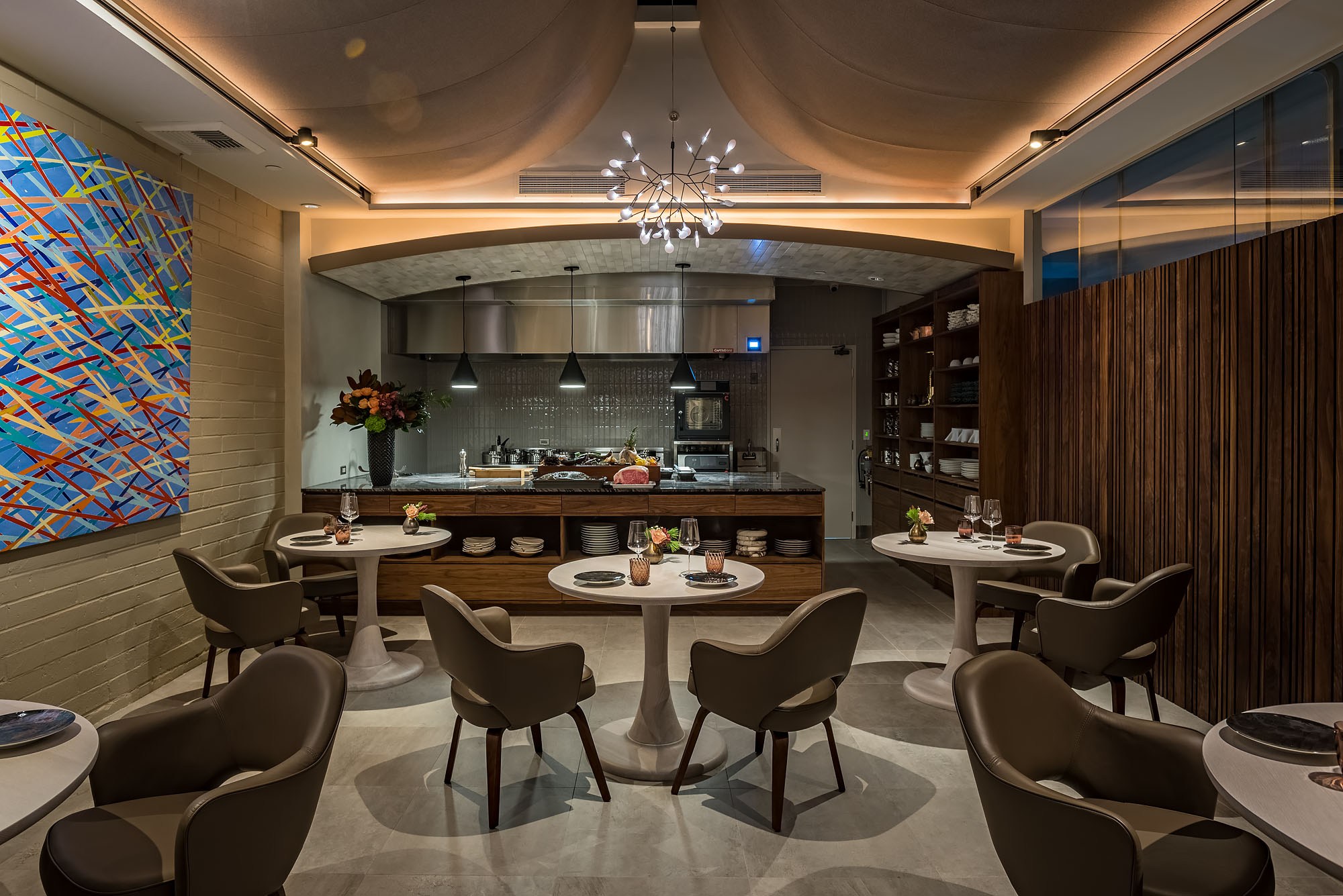
California-French Fine Dining
Mélisse
Los Angeles, United States
★★
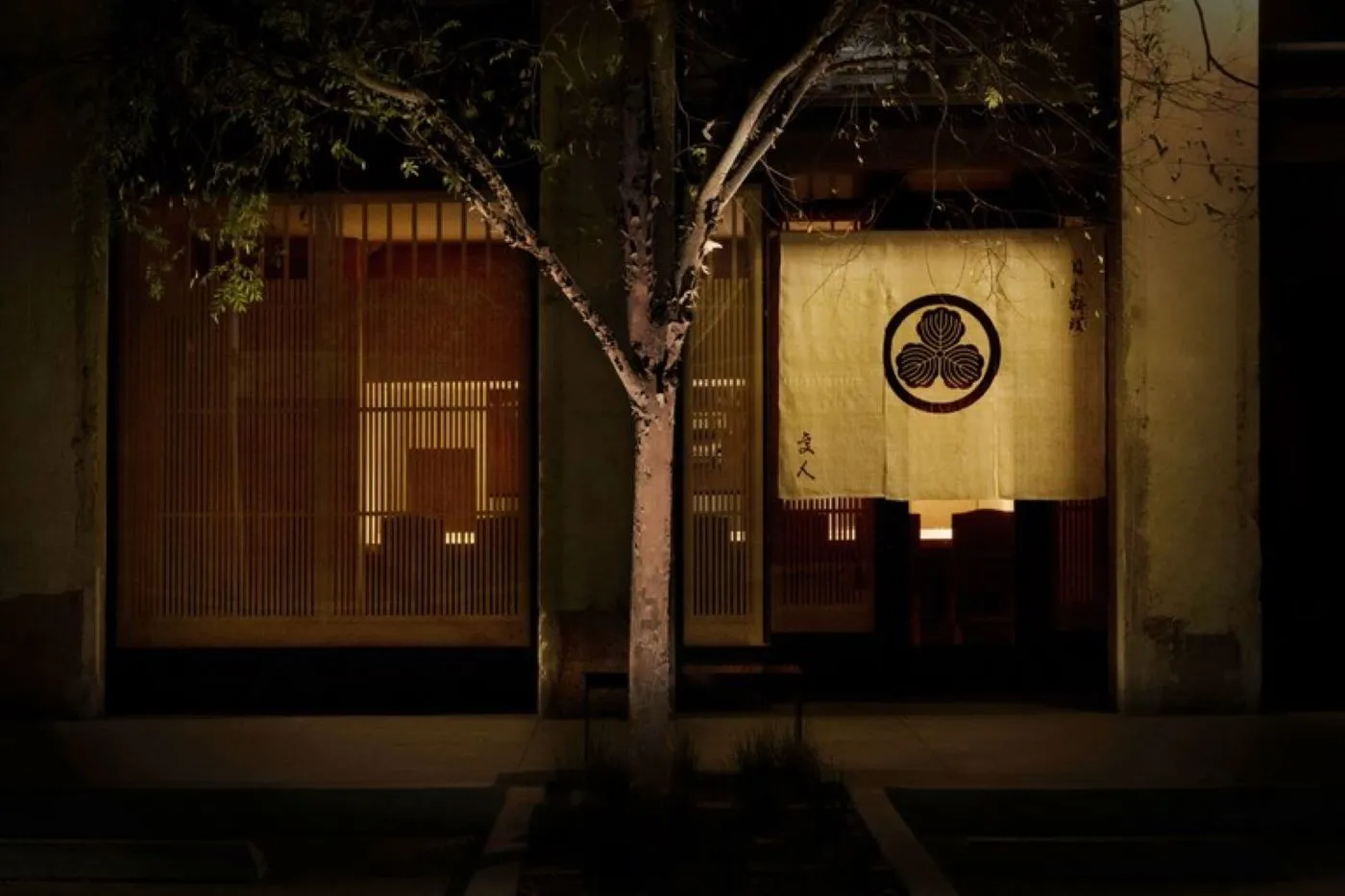
Traditional Japanese Kaiseki
Hayato
Los Angeles, United States
★★
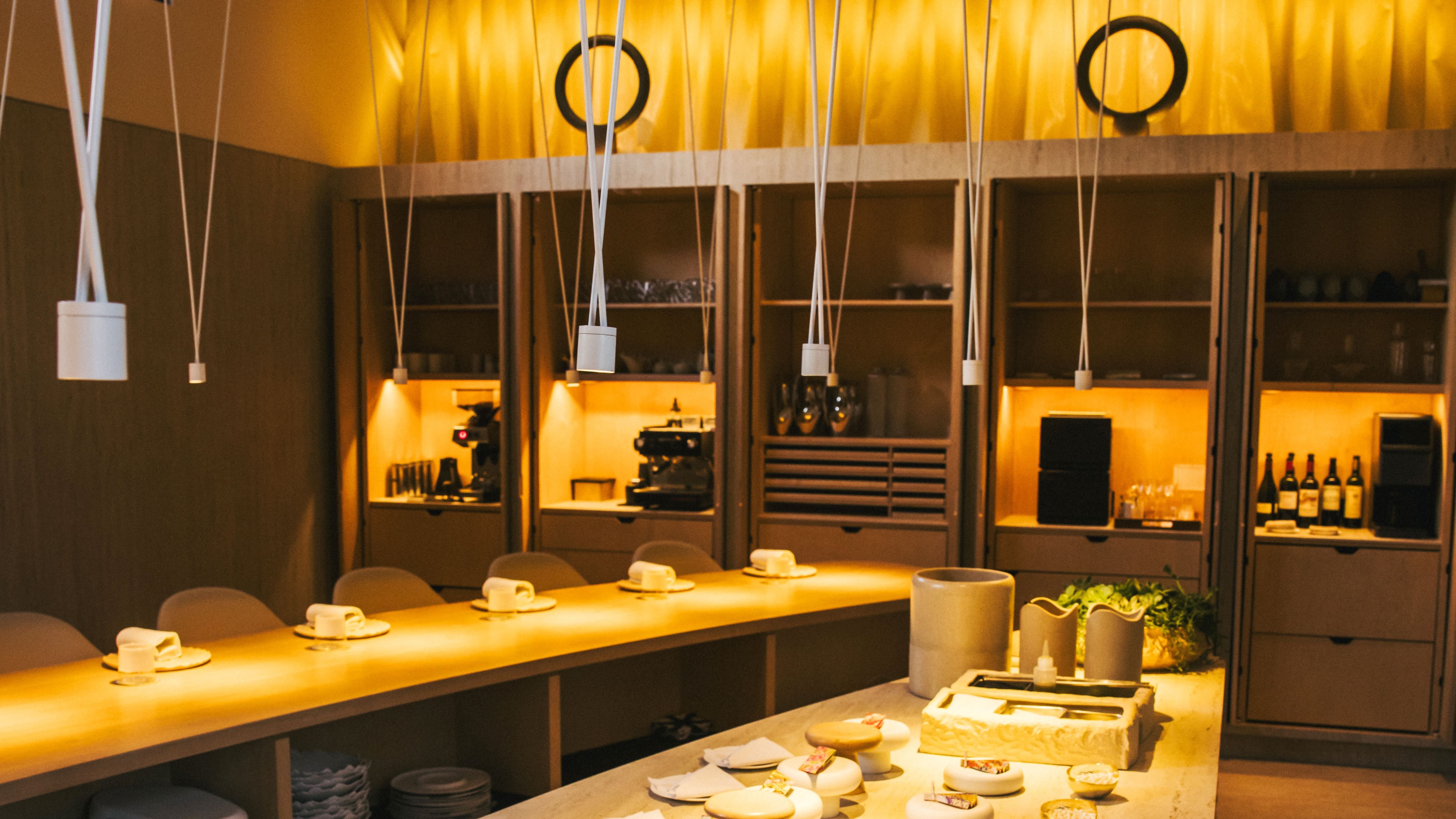
Modern Spanish Fine Dining
Somni
Los Angeles, United States
★★★ · 50 Best