
- 50 Top Pizza Latin America #4 · 2026
- 50 Top Pizza World #24 · 2026
- 50 Top Pizza World Best Pizza #21 · 2025
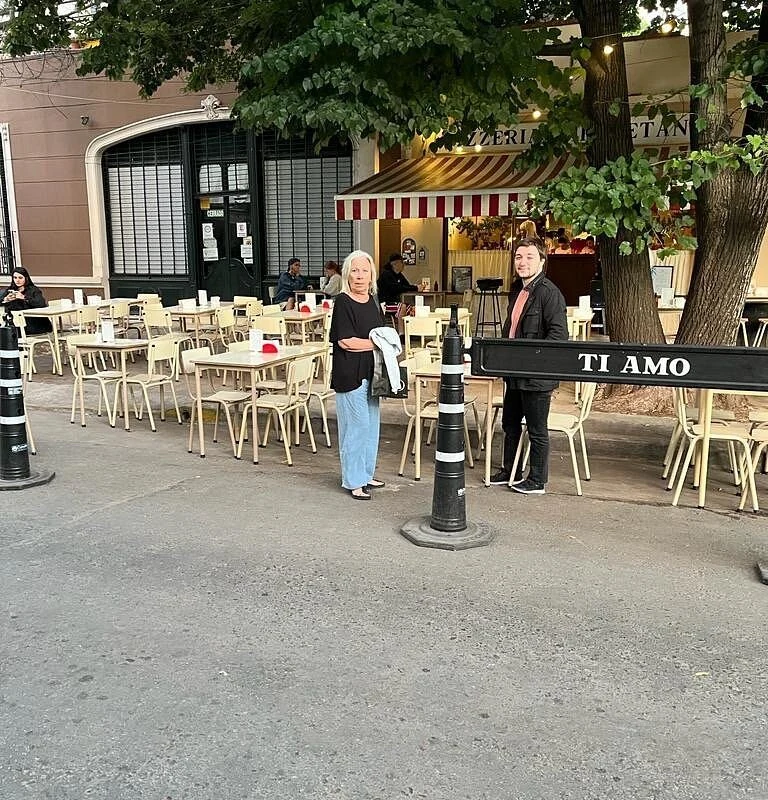
Where Neapolitan Tradition Found a Home in Buenos Aires' Southern Suburbs
The suburban dining belt south of Buenos Aires has historically played second fiddle to Palermo and San Telmo, with most serious restaurant conversation anchored inside the capital. Adrogué sits roughly 25 kilometres from the city centre, and its dining scene has long reflected its residential character: neighbourhood-oriented, low-key, and built around regulars rather than destination seekers. Against that backdrop, Ti Amo reads as something of an outlier, a pizzeria with a clear editorial identity, a documented following, and a kitchen discipline that places it in a different conversation than most suburban pizza operations in the province.
The Neapolitan Framework and Why It Matters Here
Contemporary Neapolitan pizza has become one of the more contested categories in global gastronomy over the past decade. The Associazione Verace Pizza Napoletana has formalized standards around dough hydration, fermentation time, oven temperature, and approved toppings, and the category now splits between purists who adhere to that canon and practitioners who treat Naples as a starting point rather than a constraint. Ti Amo sits in the latter camp: the framing is Neapolitan, the reverence is genuine, but the designation "contemporary" signals room to move. That positioning matters in Argentina, where pizza culture has its own deep local history, the Buenos Aires media luna, the fugazza, the high-sided Genoese variants, and where Neapolitan-style operations represent a distinct and smaller sub-category within a very crowded field.
The Sunday letter
Find new places through the people who run them.
Our Sunday email brings you the chefs, winemakers and hoteliers behind our newest stories. See a sample before you subscribe.
See a sample of the Sunday emailOne email a week. Unsubscribe from any issue.
What distinguishes the more credible operations in this sub-category is dough literacy. Fermentation schedules, flour protein content, and hydration ratios produce results that are legible to anyone who has eaten seriously in Naples or at the better Neapolitan-trained counters in cities like New York or São Paulo. Ti Amo operates in a warmer, more accessible register, but the underlying commitment to the craft reads through in what has become its most requested offering.
The Margherita as a Benchmark, and the Sorrento as the Counterpoint
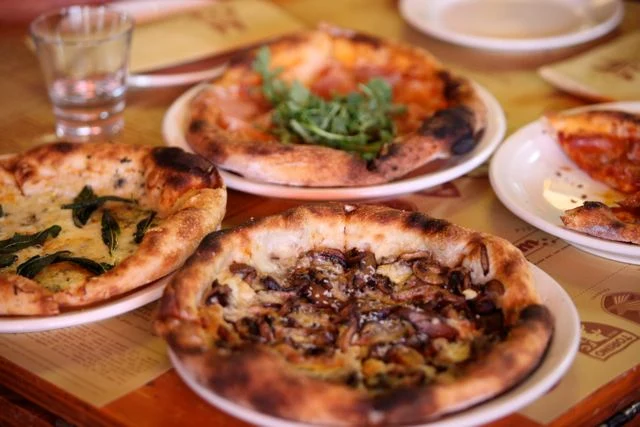
In any serious Neapolitan pizzeria, the Margherita functions as a diagnostic: it has nowhere to hide. Tomato, fior di latte, basil, and olive oil leave every element of the dough and fermentation process exposed. The fact that it is Ti Amo's most requested pizza is not incidental, it suggests a kitchen confident enough to let the base do the work. The Sorrento, the second most ordered, introduces the citrusy brightness associated with the Amalfi Coast corridor, where lemon is treated as a savoury ingredient rather than a garnish. That lemon note is described as inevitable, which positions the dish within a clear regional reference rather than treating it as a novelty addition.
Both pies reflect a kitchen approach that prioritises clarity of flavour over accumulation of toppings, a discipline that runs counter to much of the Argentine pizza tradition, where generosity of ingredient tends to be the dominant signal of quality. For Argentine diners accustomed to the thickness and topping density of Buenos Aires-style pizza, the Neapolitan register requires a degree of recalibration. The venues that manage that recalibration successfully, like Ti Amo, tend to build their following through repeat visits rather than first-impression spectacle.
A Space That Works Because of the Details
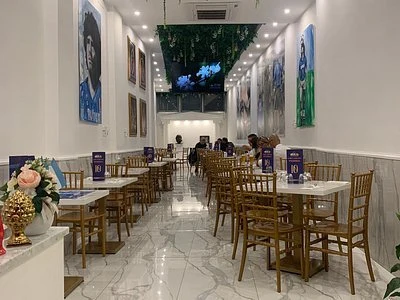
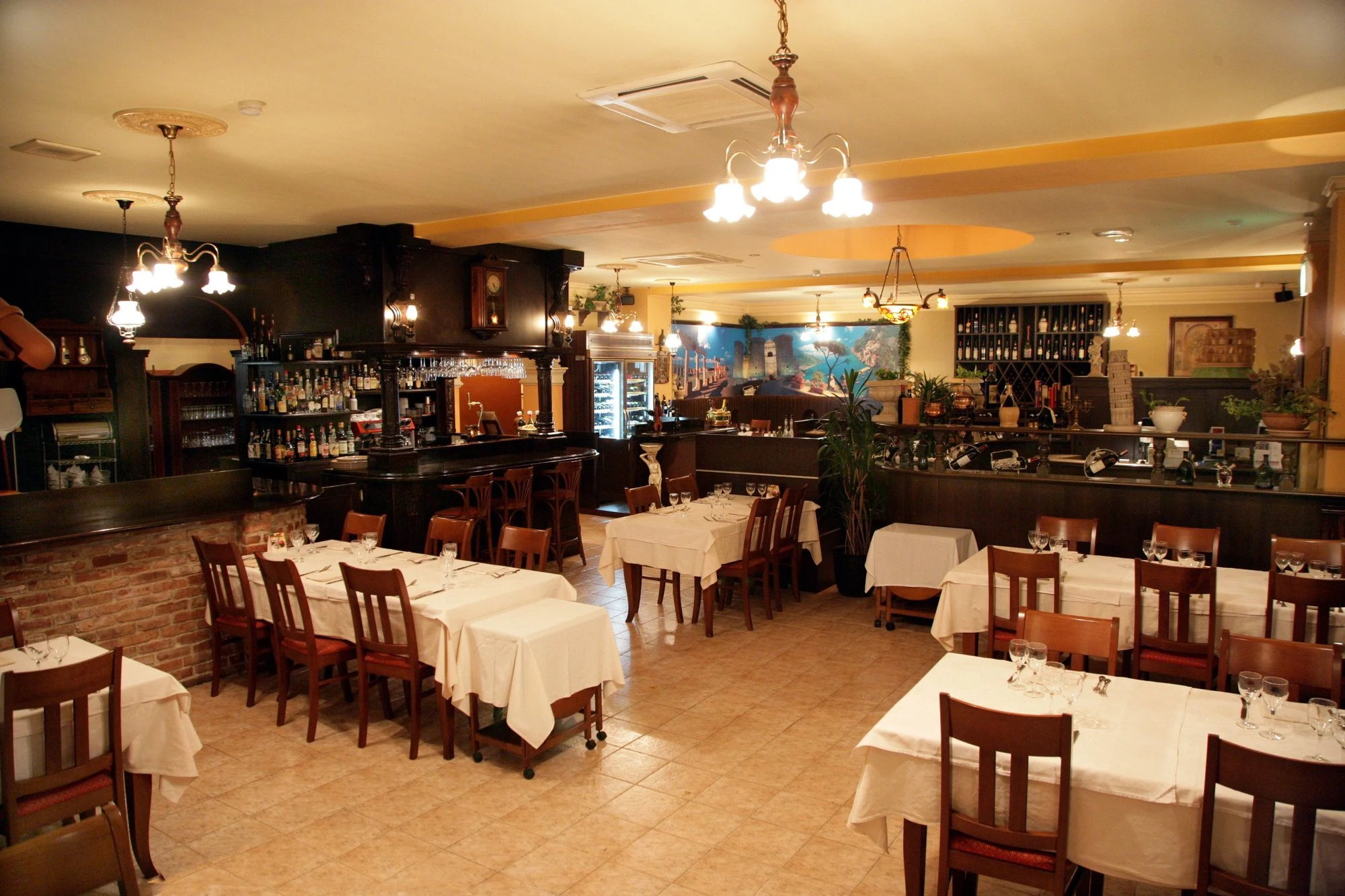
The room at Ti Amo carries deliberate visual storytelling: Napoli football scarves, Maradona imagery, the iconography of a city that exists simultaneously as a football religion and a culinary tradition. Maradona's connection to Naples, seven years at Napoli, two Serie A titles, an almost theological status in the city, makes that imagery less decorative and more ideological. It locates Ti Amo within a specific cultural register: Southern Italian, working-class in its roots, deeply emotional in its relationship to food and identity.
The feminine touch noted across the dining experience, the work of sisters Victoria and Carola Santoro, is credited with making the room feel at ease in a way that pizza spaces, which can trend toward the brusque and utilitarian, often do not. The service complements a wine selection that has been called a good one, which in the context of a suburban pizzeria in greater Buenos Aires carries genuine weight. The Argentine wine program at this level of operation is typically an afterthought; a considered glass list is a signal of broader hospitality intent.
How Ti Amo Sits Relative to Argentina's Broader Restaurant Conversation
Argentina's most discussed restaurants in international circles tend to cluster around Buenos Aires proper: Don Julio in Buenos Aires represents the steakhouse canon at its most polished; Aramburu sits at the creative end of modern Argentine cooking. Further afield, the country's premium lodges and wine-country tables, Cavas Wine Lodge in Alto Agrelo, Azafrán in Mendoza, EOLO in El Calafate, Las Balsas in Villa La Angostura, and Awasi Iguazu in Puerto Iguazu, operate in a destination-hospitality register that has little to do with the suburban pizzeria category. Ti Amo does not compete in that conversation and does not try to. It competes as the reference point for contemporary Neapolitan pizza in its specific geography, which is a more useful distinction.
That geographic specificity matters for how you plan a visit. Adrogué is reachable from Buenos Aires by train on the Roca line, a roughly 40-minute journey, making a dedicated trip feasible without requiring a car. The suburb itself has a quiet, tree-lined residential character, hotels and overnight options are limited, but our full Adrogué hotels guide covers what exists. For those looking at the broader Buenos Aires day-trip circuit, La Bamba de Areco in San Antonio de Areco and El Colibri in Santa Catalina represent comparable suburban and rural excursion formats at different price points and culinary registers.
Planning Your Visit
Ti Amo is located at Diagonal Toll 1420 in Adrogué. Reservations are recommended, and the pizzeria can be busy on peak nights.
Questions
Frequently asked
Who works at Ti Amo?
Made By profiles Carola Santoro (Chef) and Victoria Santoro (Chef) at Ti Amo.
How expensive is Ti Amo?
Ti Amo is listed at a price level of $$.
Where is Ti Amo and what does it serve?
Ti Amo is in Adrogue, Adrogué, serving Neapolitan Pizza.
The field
How it compares
| Place | Cuisine | Notes |
|---|---|---|
| Ti Amo | Neapolitan Pizza | Adrogue, $$ |
| Giovanni Santarpia | Neapolitan Pizza | Florence |
| Inferno Pizzeria Napoletana | Neapolitan Pizza | Darnestown |
| Palazzo Petrucci Pizzeria | Neapolitan Pizza | Naples |
| Pizzeria Braceria CESARI!! | Neapolitan Pizza | Nagoya |
| Pizzeria Mozza | Neapolitan Pizza | Los Angeles |
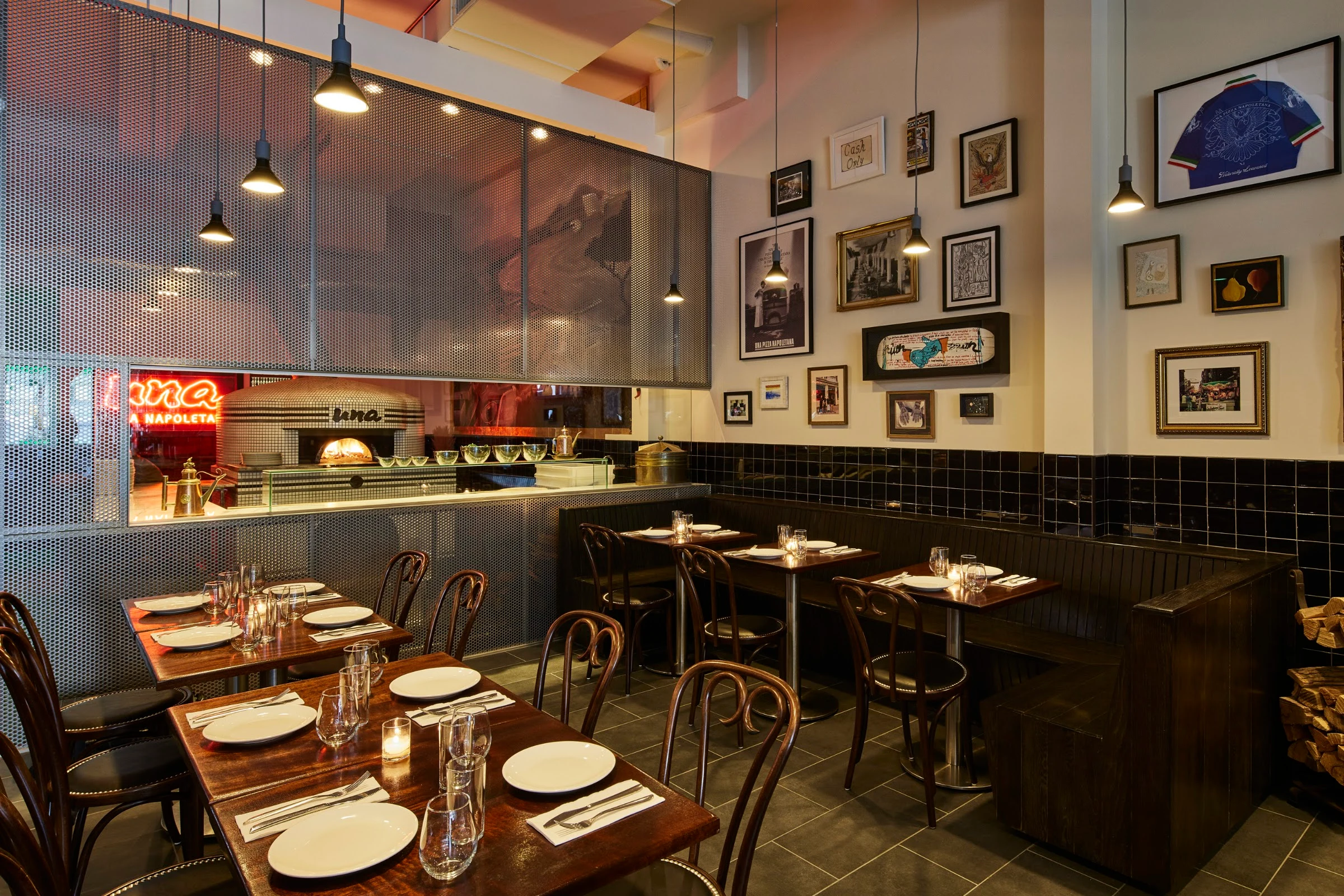
| Una Pizza Napoletana | Neapolitan Pizza | New York City |
In residence

Similar places
Neapolitan Pizza
Giovanni Santarpia
Florence, Italy
Neapolitan Pizza
Inferno Pizzeria Napoletana
Darnestown, United States
Neapolitan Pizza
Palazzo Petrucci Pizzeria
Naples, Italy
Neapolitan Pizza
Pizzeria Braceria CESARI!!
Nagoya, Japan
Neapolitan Pizza
Pizzeria Mozza
Los Angeles, United States
Neapolitan Pizza
Una Pizza Napoletana
New York City, United States
The Sunday letter
Get the next Made By story in your inbox.
We send one email every Sunday morning with the places and people we covered that week.
See a sample of the Sunday emailOne email a week. Unsubscribe from any issue.