Txanton
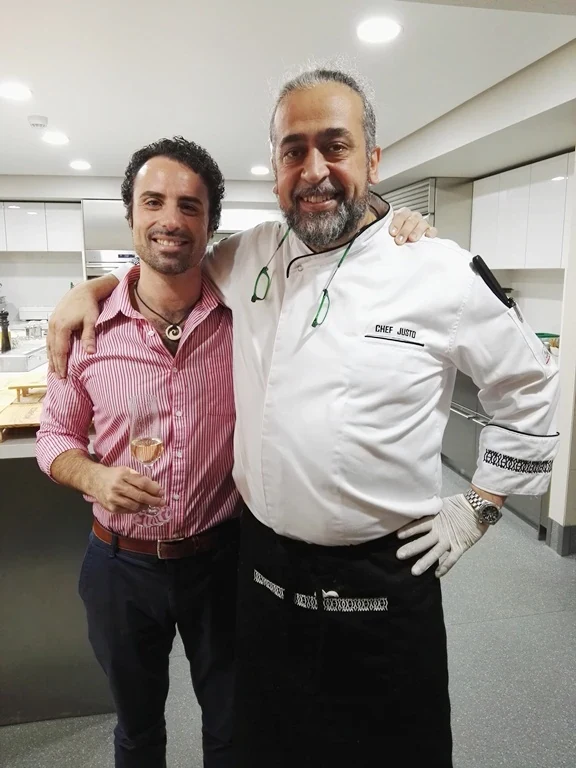
In Residence
Justo Rodrigo Lopez
Chef
- 01CuisineSpanish Jamón & Wine Bar
- 02CityManila, Philippines
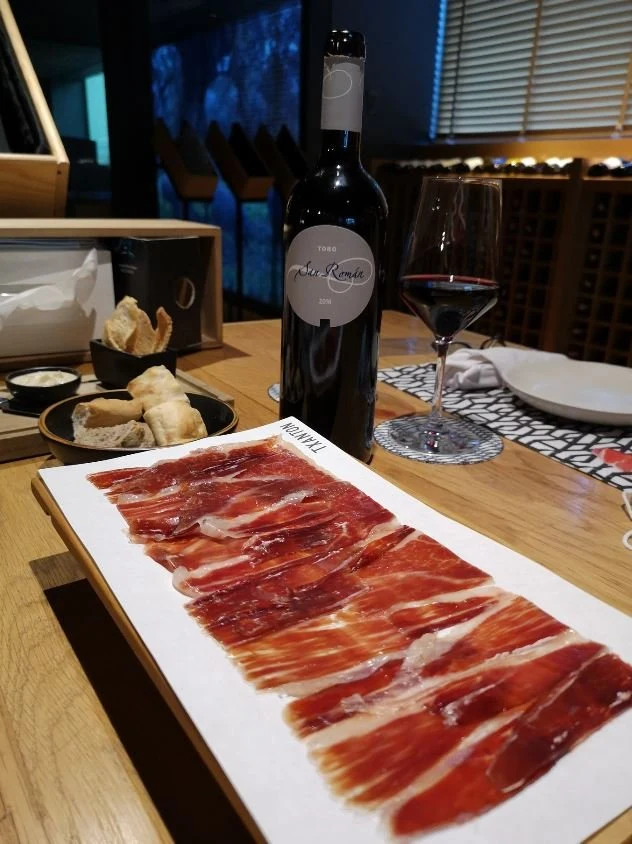
Jamón Ibérico at the bench
- Michelin Plate · 2026
- Opinionated About Dining Top Restaurants in Asia Recommended · 2026
- Opinionated About Dining Top Restaurants in Asia Ranked #377 · 2025
- Opinionated About Dining Top Restaurants in Asia Ranked #339 · 2024
Jamón cut to the pace of the room
The knife work begins at the ham stand, thin slices lifting from the leg before Justo Rodrigo Lopez, Executive Chef at Txanton in Makati, Manila, sets the kitchen’s Spanish cadence around it. He is from Bilbao and has run a restaurant in Madrid, a background that matters here because Txanton is not built as a broad survey of Spain. It is a jamonería first, a wine bar and restaurant around that discipline, with the kitchen asked to protect the flavor of Iberian produce rather than decorate it.
Lopez’s role is one of control. The plates stay close to their materials: jamón Ibérico tastings, roasted octopus, carabinero carpaccio, bone-in dry-aged Spanish beef sirloin, croquetas that carry ham through the center rather than using it as a garnish. That restraint gives the room its shape. Txanton can feel like a shop, a cellar, a bar, and a dining room at once; Lopez keeps the pass from becoming diffuse.
The Sunday letter
Find new places through the people who run them.
Our Sunday email brings you the chefs, winemakers and hoteliers behind our newest stories. See a sample before you subscribe.
See a sample of the Sunday emailOne email a week. Unsubscribe from any issue.
A jamonería with a cellar attached
Txanton grew from AWC Philippines’ wine and goods import business into the Philippines’ only dedicated jamonería, a place built to teach the difference between legs, cuts, fat, salt, and wine. The program gathers premium European goods, Spanish hams, and more than 3000 bottles into the same working vocabulary. A tasting may move through different jamones, or through the parts of one leg, with sherry and Spanish bottles used as tools rather than ornaments.
The cooking follows that same order. Octopus comes from the brasa with mashed potatoes and chorizo picante; beef cheeks are slow cooked until the collagen carries the sauce; tortilla española appears plain or enriched with truffle or Iberian shavings. Lopez uses carpaccio for carabinero and acorn-fed Iberian pork shoulder, keeping the cut thin enough that fat, temperature, and seasoning do the work. Even the vegetable dishes, pisto, leeks from Navarra, green salads, serve a purpose against the salt and depth of the ham. The method is not minimal for its own sake. It leaves room for the leg, the bottle, and the hand at the slicer.
The counter, the shelves, the pass
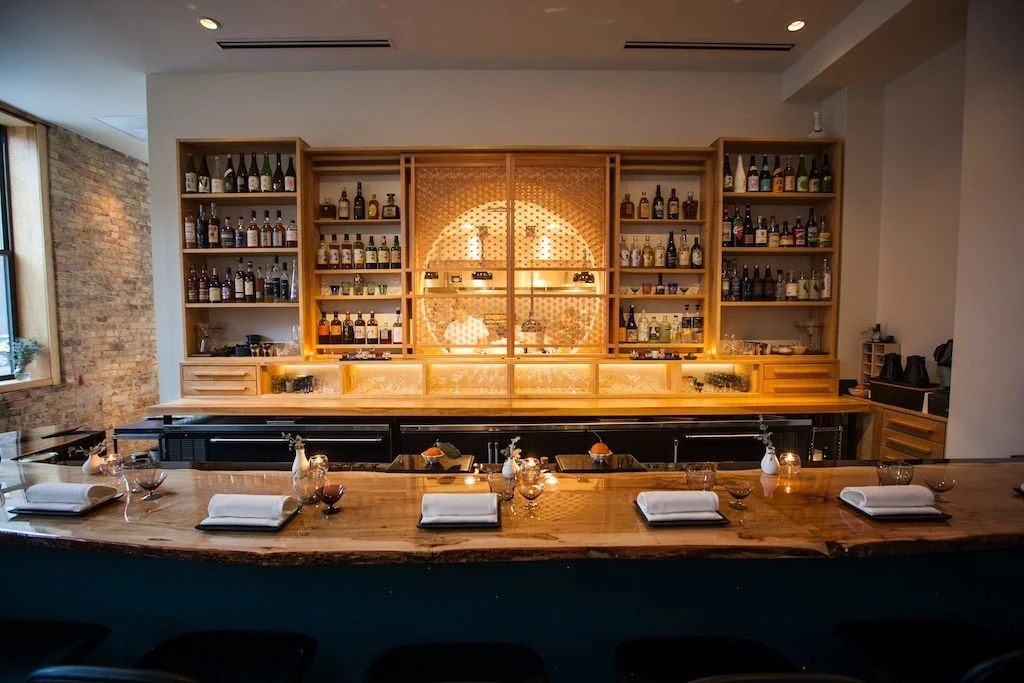
The room is lined with wine and European goods, so the meal happens inside the inventory as much as beside it. Warm light catches glass, tins, labels, and the polished curve of ham on the stand. It is intimate rather than theatrical, with the counter and pass close enough that service, slicing, and plating feel like parts of one station. Guests come for small plates, à la carte dishes, and structured tastings, but the tempo stays quiet.
That quiet matters to the craft. Staff explain the ham without turning the table into a lecture; the bottle moves in when fat calls for acid or flor, and the plate follows. In a city with many Spanish tables, Txanton’s difference is its concentration. The room keeps returning to jamón Ibérico, sherry, and the wine-lined shelves of Makati.
Questions
Frequently asked
Who leads the kitchen at Txanton?
Justo Rodrigo Lopez is the Executive Chef at Txanton in Makati. He is from Bilbao and has run a restaurant in Madrid.
What kind of place is Txanton?
Txanton is a Spanish jamón and wine bar, and it is described as the Philippines’ only dedicated jamonería. The room combines a shop, cellar, bar, and dining room around jamón Ibérico and Spanish wine.
What dishes is Txanton known for?
The menu includes jamón Ibérico tasting, roasted octopus, carabinero carpaccio, and bone-in dry-aged Spanish beef sirloin. Other dishes mentioned include croquetas, beef cheeks, tortilla española, and carpaccio of acorn-fed Iberian pork shoulder.
What should I know before booking a table?
Reservations are recommended. The dress code is smart casual, and the restaurant is open every day from 11 a.m. To 10 p.m.
The field
How it compares
| Place | Cuisine | Notes | Awards |
|---|---|---|---|
| Txanton | Spanish Jamón & Wine Bar | Makati, $$$$ | · |
| Antonio's | Fine Dining Filipino-European Fusion | Manila | · |
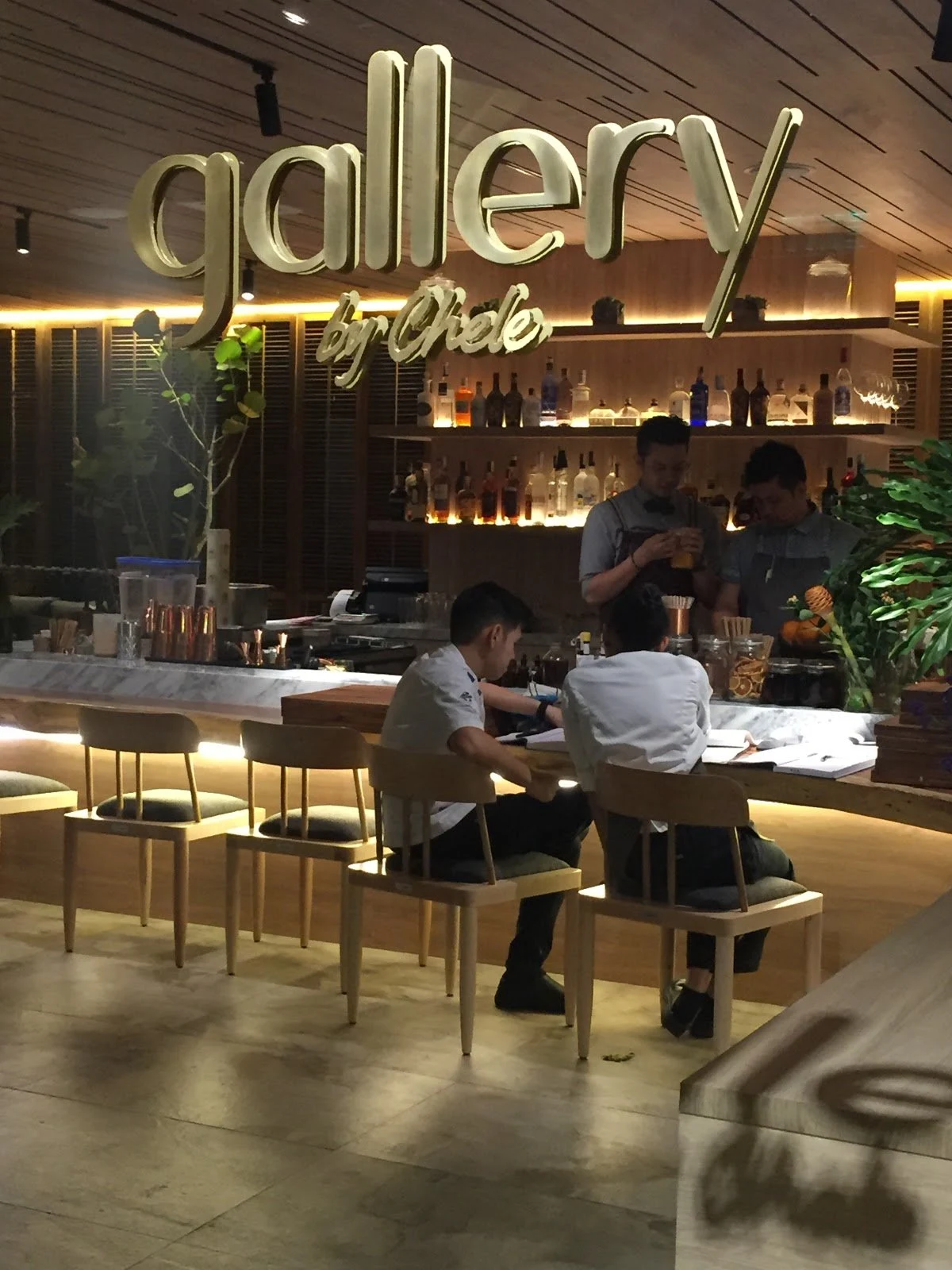
| Gallery By Chele | Modern Filipino Fine Dining | Manila | Michelin 1 Star, World's 50 Best |
| Kumiko | Japanese Dining Bar | Chicago | · |
| M Dining + Bar | Modern European with Asian Influences | Manila | · |
| Mugaritz | Avant-Garde Basque Fine Dining | Errenteria | Michelin 2 Stars, World's 50 Best |
| Toyo Eatery | Modern Filipino Fine Dining | Manila | Michelin 1 Star, World's 50 Best |
In residence
Similar places
Fine Dining Filipino-European Fusion
Antonio's
Manila, Philippines
Modern Filipino Fine Dining
Gallery By Chele
Manila, Philippines
★ · 50 Best
Japanese Dining Bar
Kumiko
Chicago, United States
Modern European with Asian Influences
M Dining + Bar
Manila, Philippines
Avant-Garde Basque Fine Dining
Mugaritz
Errenteria, Spain
★★ · 50 Best
Modern Filipino Fine Dining
Toyo Eatery
Manila, Philippines
★ · 50 Best
The Sunday letter
Get the next Made By story in your inbox.
We send one email every Sunday morning with the places and people we covered that week.
See a sample of the Sunday emailOne email a week. Unsubscribe from any issue.