Txispa
In Residence
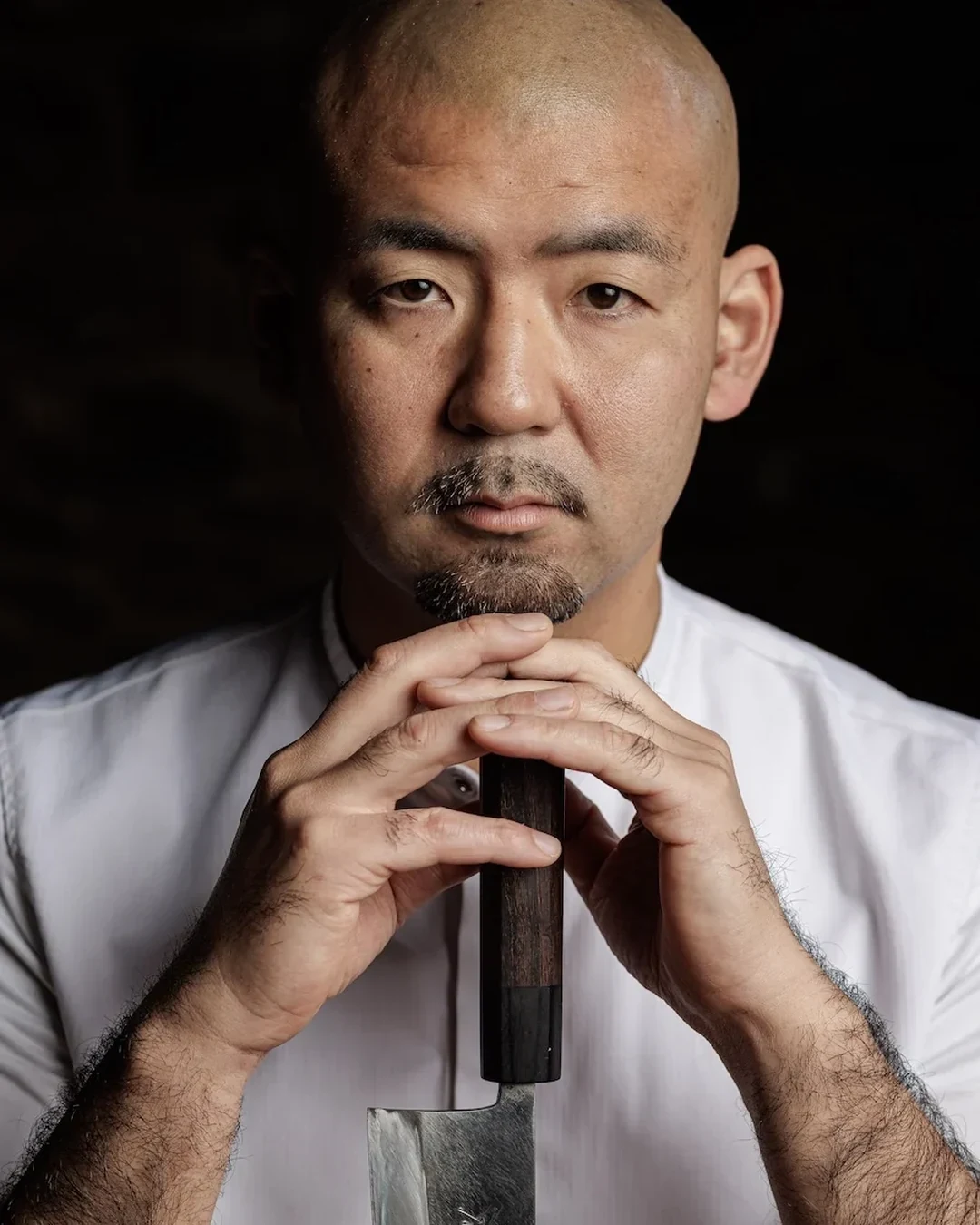
Tetsuro Maeda
Chef
- 01CuisineJapanese-Basque Fusion Fine Dining
- 02CityAxpe, Spain
- 03RecognitionOne Michelin Star
From the people index
Recommended by
One trusted voice points here.

- 1 Michelin Star · Michelin Guide
- World's 50 Best · #85 · World's 50 Best Restaurants
- Star Wine List · 2026
- Michelin 1 Star · 2026
- Michelin 1 Star · 2025
- Opinionated About Dining Top Restaurants in Europe Ranked #88 · 2025
- World's 50 Best Best Restaurants #85 · 2025
- The Best Chef Two Knives · 2025
- Michelin 1 Star · 2024
- Opinionated About Dining Top Restaurants in Europe Ranked #105 · 2024
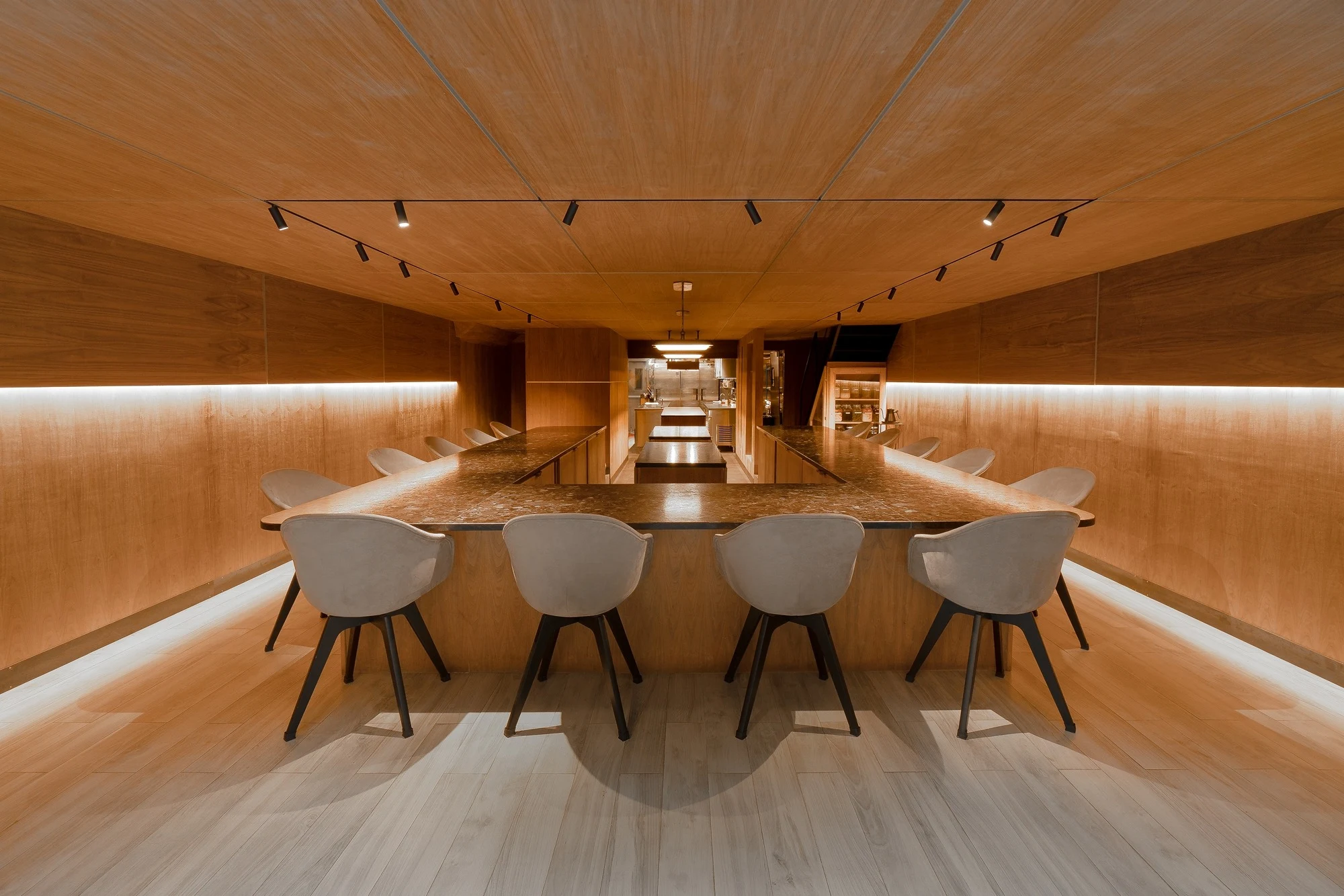
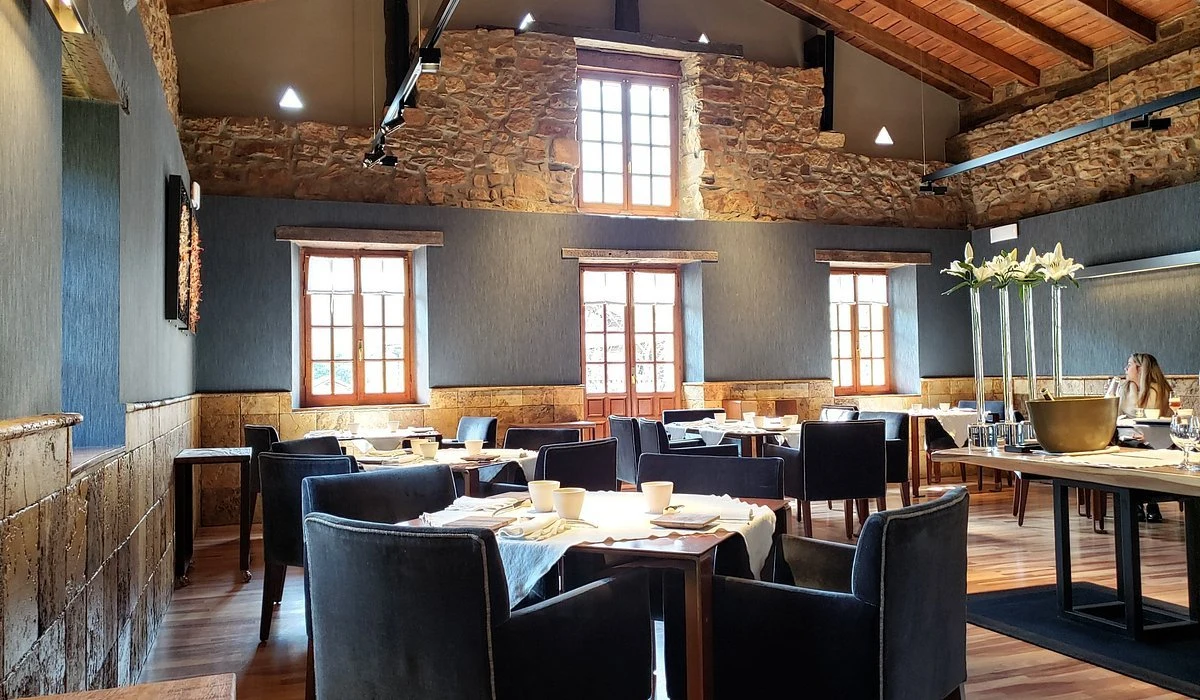
The Atxondo Valley sits deep in Bizkaia, far enough from Bilbao that the drive alone signals commitment. The road narrows as it climbs, the valley closes in, and by the time you reach the small hamlet of Apatamonasterio, the ambient noise of any city has been replaced by something quieter and more deliberate. This is the physical context for Txispa: a century-old stone house on a rural hillside, where a wood-fired grill anchors the dining room.
Where Basque Fire Meets Japanese Restraint
Spain's creative restaurant scene has long drawn its energy from coastal cities and the Basque Country's urban axis. The restaurants that tend to dominate the conversation, Arzak in San Sebastián, Azurmendi in Larrabetzu, Mugaritz in Errenteria, operate at a different scale of visibility and infrastructure than a farmhouse in a valley with a population measured in dozens. Yet Txispa, ranked 85th on the World's 50 Best Restaurants list in 2025, occupies the same award tier as those larger, longer-established names.
The Sunday letter
Find new places through the people who run them.
Our Sunday email brings you the chefs, winemakers and hoteliers behind our newest stories. See a sample before you subscribe.
See a sample of the Sunday emailOne email a week. Unsubscribe from any issue.
What positions Txispa within that peer group is a specific culinary thesis: the Basque asador tradition, built on fire, seasonal produce, and minimal intervention, turns out to share structural DNA with the restraint-led school of Japanese cooking. Both prioritise ingredient quality over technique display. Both understand that timing and temperature are the real variables. The combination is not a gimmick framed around cultural novelty; it reads instead as a logical extension of two disciplines that were already pointing in the same direction.
The Format: A Communal Sequence Anchored at the Grill
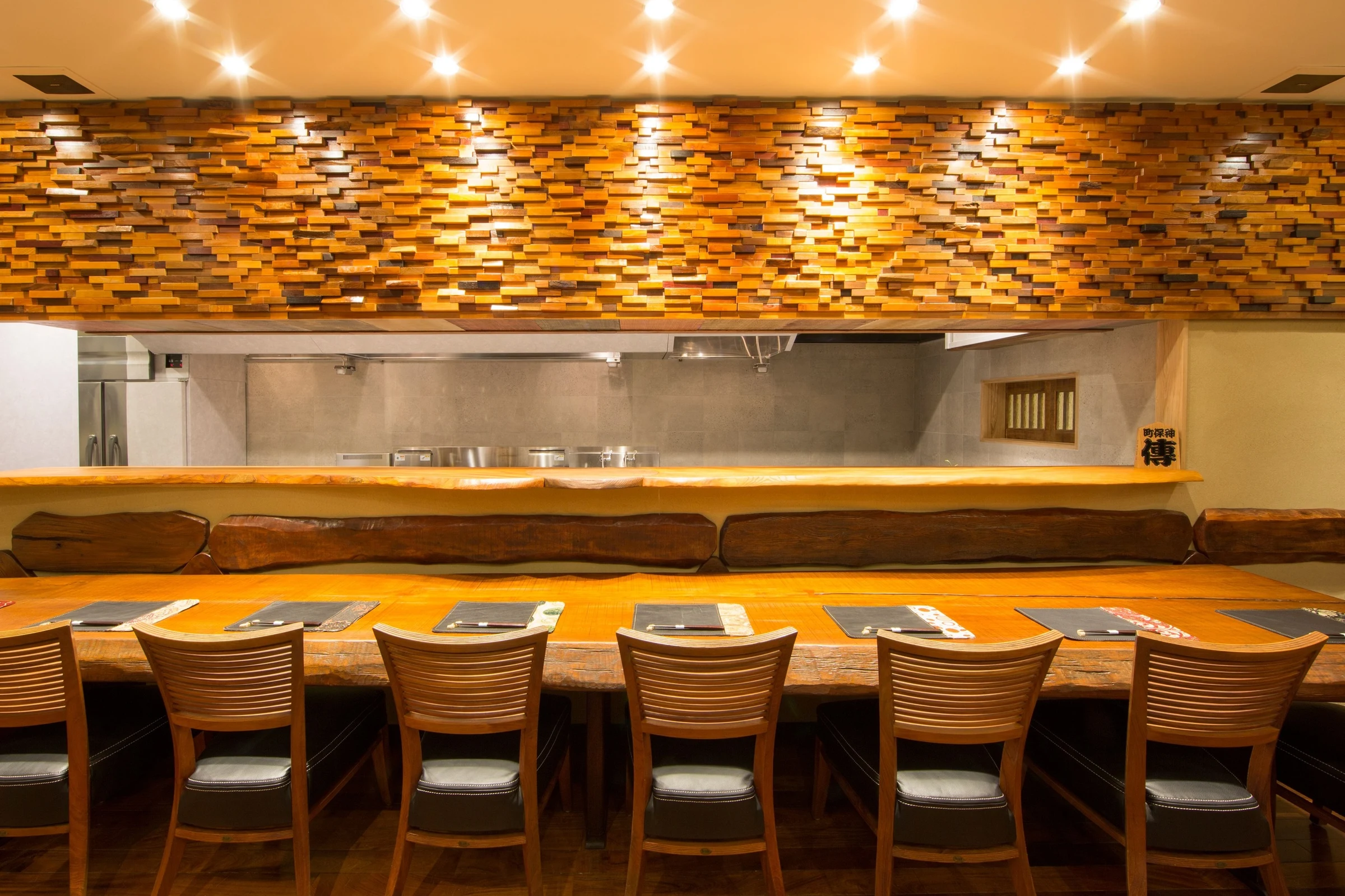
Izakaya culture, at its core, is about eating and drinking in sequence, at a pace set by the kitchen, in a space designed for shared attention rather than private transaction. Txispa's format carries that social logic even if its setting is a Basque farmhouse rather than a Tokyo side-street establishment. The meal opens with aperitifs in the kitchen itself, where the open grill is visible and the first bites arrive warm, immediately, at the source. This is the moment that sets the register for everything that follows: you are not being served at a distance, you are being admitted into the process.
From the kitchen, guests move to the dining room for the remainder of a single surprise menu. There is no à la carte option. The format requires punctuality, the team explains each dish in sequence, and the menu's internal logic depends on guests arriving together and moving through it together. This is a commitment to a shared duration, a structure closer to a Japanese omakase counter than to a conventional European restaurant service.
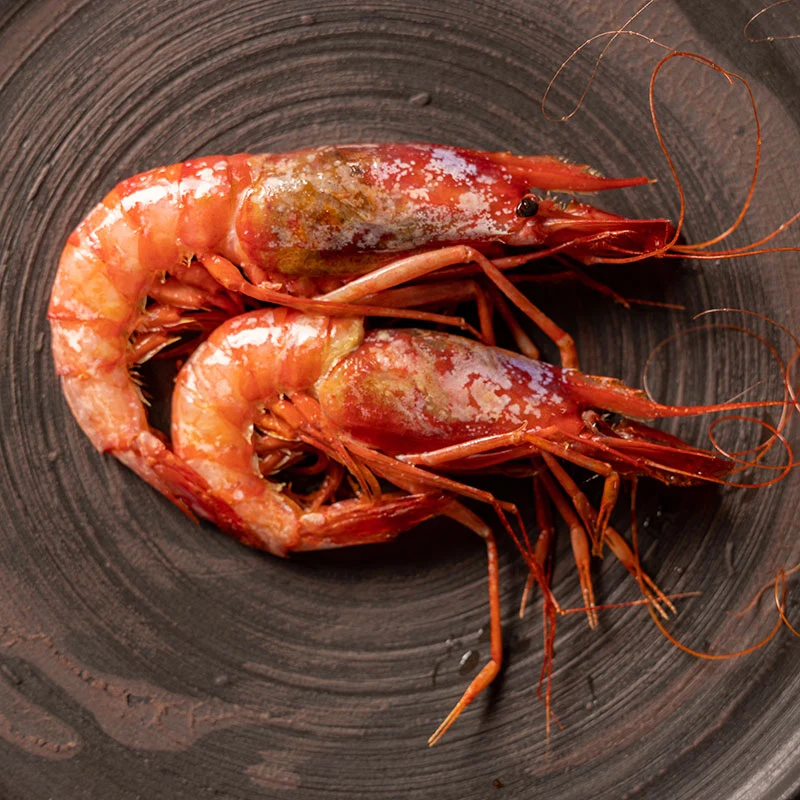
Dishes from the menu have included kabayaki eel, oyster with goat's milk butter, king fish with pak choi, aged T-bone steak, and a cherry blossom flan made from fruit grown on the property. The menu evolves with the seasons, and many of the vegetables and fruit come from the restaurant's own garden. The aged T-bone sits in direct lineage with the Basque txuletón tradition; the kabayaki eel and the cherry blossom flan reference Japanese preparation methods with a specificity that goes beyond surface-level fusion. The combination of those two registers, applied to ingredients of genuine provenance, is what the Michelin recognition and the 50 Best ranking are responding to.
Placing Txispa in the Wider Spanish Creative Scene
The €€€€ price tier at Txispa places it in the same bracket as Spain's decorated tasting-menu restaurants. El Celler de Can Roca in Girona, Disfrutar in Barcelona, DiverXO in Madrid, Quique Dacosta in Dénia, and Aponiente in El Puerto de Santa María all operate at that level and all hold multiple Michelin stars. Txispa's single star, set against a 2025 ranking of 85 on the World's 50 Best list, shows a venue whose reputation has moved quickly.
The rural location is a structural differentiator within that comparable set. Most €€€€ restaurants in Spain are city or resort-adjacent, relying on a population of travellers who are already in situ. Txispa draws guests who make the Atxondo Valley the explicit destination, which means the audience arriving at the table has self-selected at a higher level of intentionality than the average fine-dining booking. That self-selection shows in reviews: the Google rating sits at 4.6 across 150 ratings.
Cross-cultural comparison with venues like Atomix in New York City, which applies Korean culinary structure to a tasting-menu format, or Martin Berasategui in Lasarte-Oria, which represents the Basque fine-dining mainstream, helps frame what Txispa is doing: it sits between two established traditions without fully belonging to either, and that position is exactly what gives it distinction within the European scene. Even Le Bernardin in New York City, with its French technique applied to seafood with near-religious precision, offers a useful analogue: the clearest creative statements tend to come from chefs who have absorbed one tradition deeply enough to apply it somewhere unexpected. At Txispa, Chef Tetsuro Maeda brings Japanese culinary training to bear on Basque fire cooking, and the result is a kitchen that has found its own competitive set rather than simply competing within an existing one.
The Atxondo Valley as Context, Not Backdrop
It would be a mistake to treat the valley setting as mere atmosphere. The Basque asador tradition is fundamentally agricultural: it depends on farmers, on seasonal livestock, on proximity to the land that produces the animal. Txispa's own vegetable garden, the use of locally sourced primary ingredients, and the renovation of a structure that predates modern Basque gastronomy by a century are all extensions of that tradition rather than decorative choices. The silence of the valley, the farmhouse architecture, and the kitchen-first arrival sequence are all working together to communicate that the food comes from this place and this season, not from a supplier catalogue. That locatedness is a credibility signal in the current European fine-dining context, where provenance claims are common and verified provenance is rarer.
The closest comparable table within the immediate area is Mendi Goikoa Bekoa, a Basque-focused option that offers a useful counterpoint for those building a longer stay around the valley's dining offer.
Planning Your Visit
Txispa serves lunch only, opening at 1 PM Tuesday through Sunday and closing at 6:30 PM. Monday is the weekly closing day. The restaurant operates a single surprise menu, no alternatives, no à la carte, and the team requests punctuality, as each dish is explained individually from the first course. The address is San Juan Auzoa, 45, in Apatamonasterio, Bizkaia, a location that requires a car or a dedicated taxi from Bilbao. The price tier sits at €€€€, consistent with the leading bracket of Spanish tasting-menu dining. Booking well in advance is advisable, particularly for weekend lunch slots.
Questions
Frequently asked
What recognition does Txispa hold?
Txispa holds 1 Michelin star and a place on the World's 50 Best list at number 85.
Who works at Txispa?
Made By profiles Tetsuro Maeda (Chef) at Txispa.
How expensive is Txispa?
Txispa is listed at a price level of $$$$.
Where is Txispa and what does it serve?
Txispa is in Axpe, Axpe, serving Japanese-Basque Fusion Fine Dining.
The field
How it compares
| Place | Awards | Cuisine | Notes |
|---|---|---|---|
| Txispa | Michelin 1 Star, World's 50 Best #85 | Japanese-Basque Fusion Fine Dining | Axpe, $$$$ |
| Atomix | Michelin 2 Stars, World's 50 Best | Modern Korean Tasting Menu | New York City |
| Den | Michelin 2 Stars, World's 50 Best | Modern Japanese Kaiseki | Tokyo |
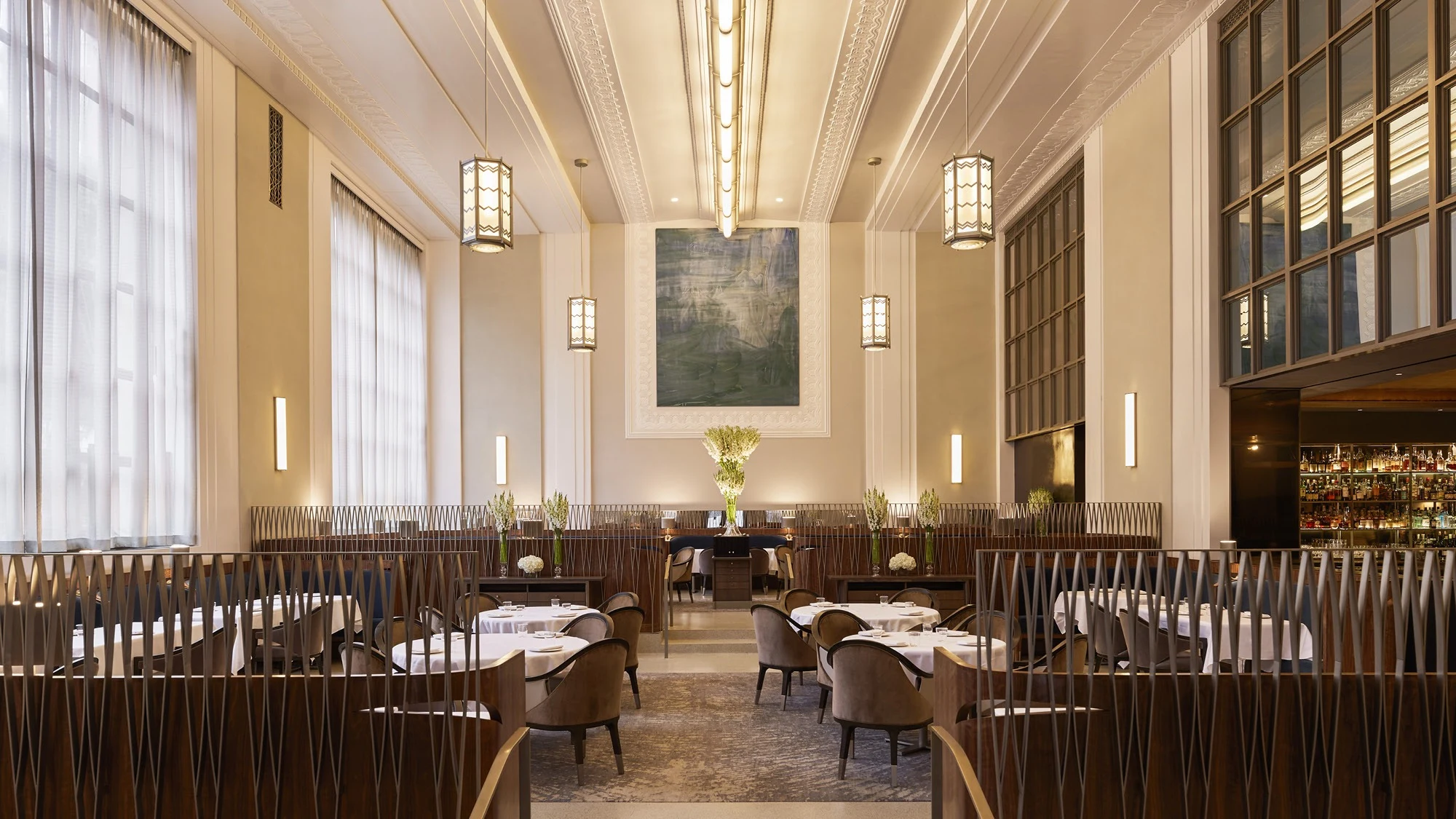
| Eleven Madison Park | Michelin 3 Stars, World's 50 Best | Contemporary Plant-Based Fine Dining | New York City |
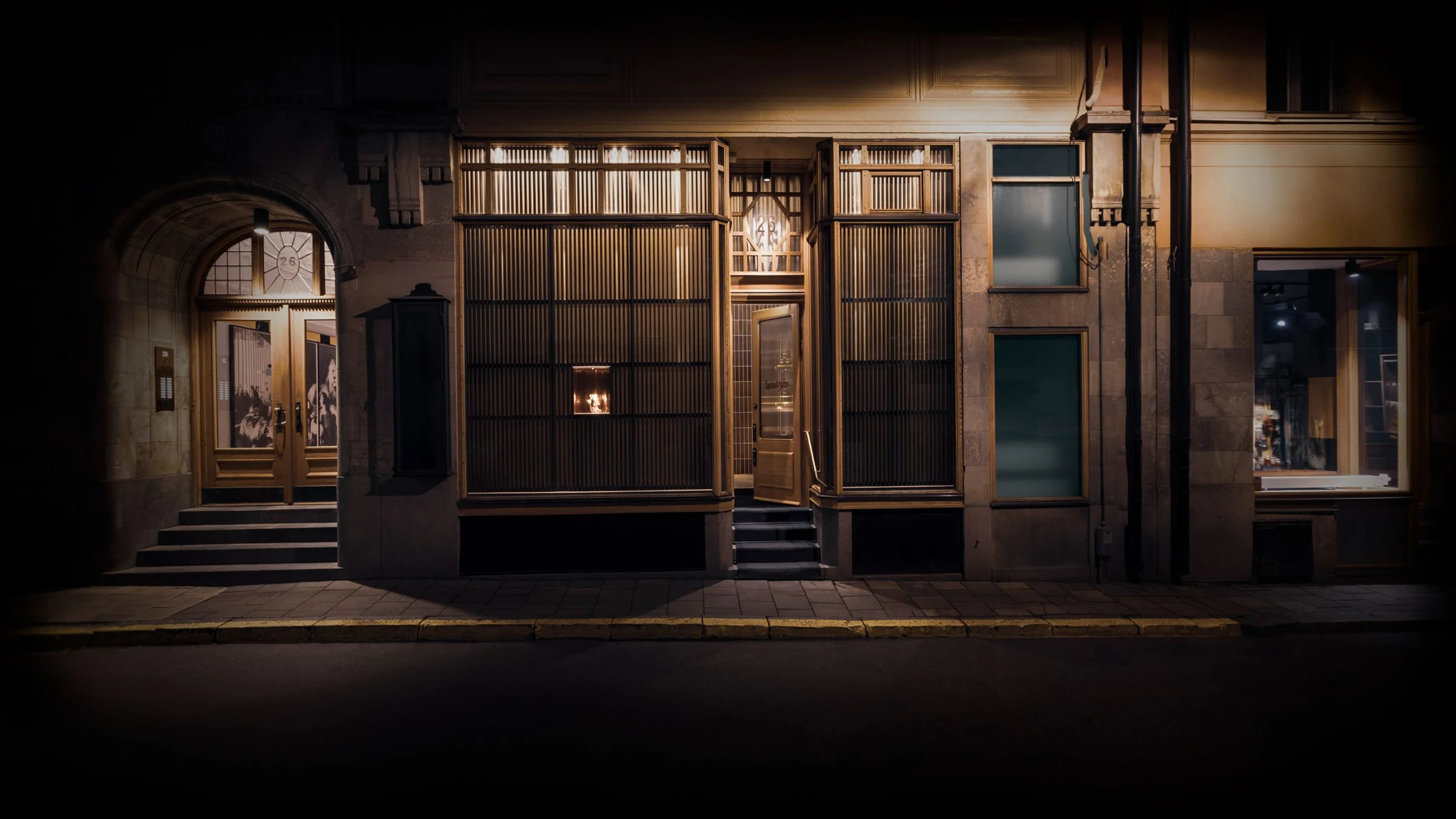
| Frantzén | Michelin 3 Stars, World's 50 Best | Modern Nordic Fusion with Japanese Influences | Stockholm |
| Mendi Goikoa Bekoa | · | Traditional Basque Grill | Axpe |
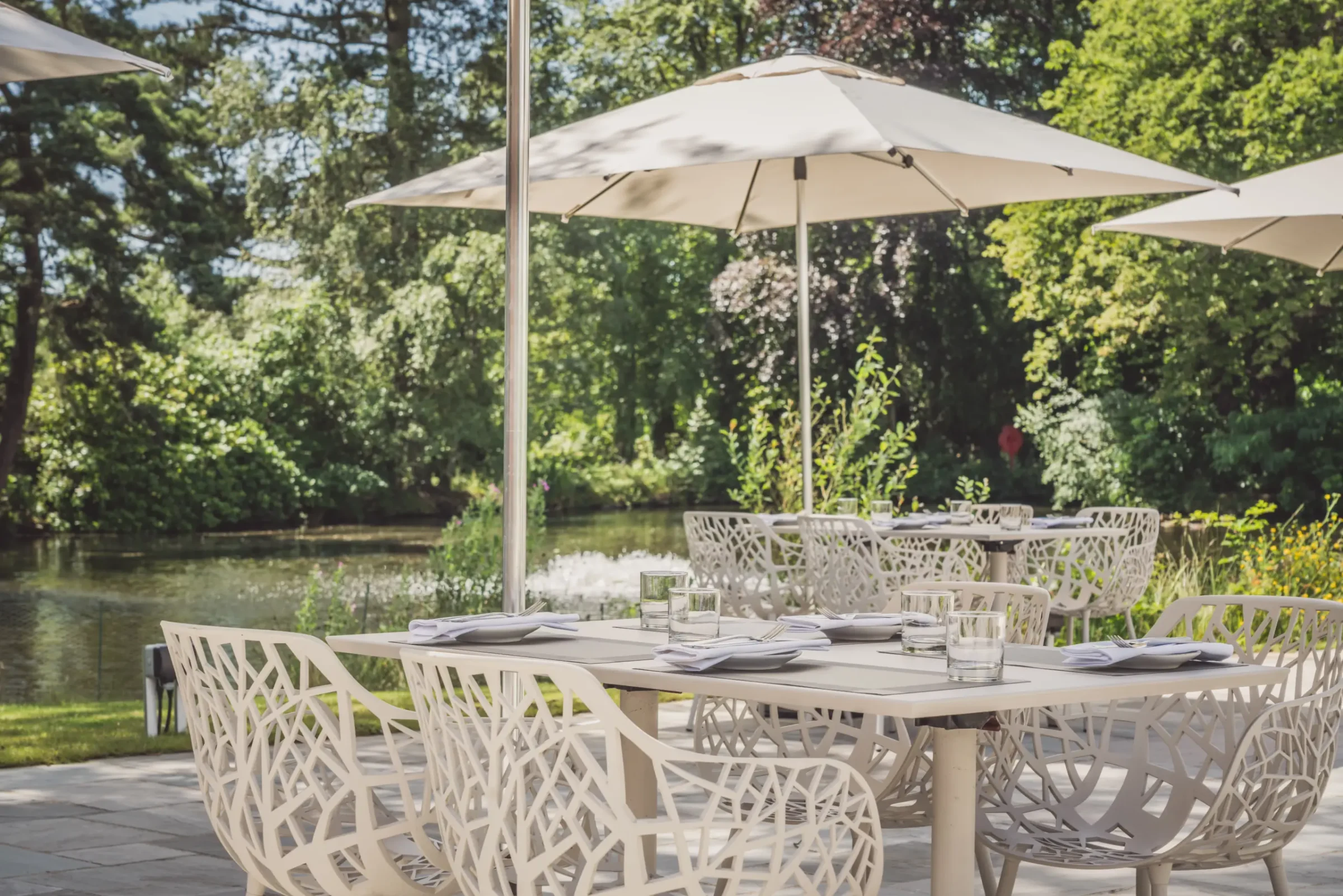
| Moor Hall | Michelin 3 Stars | Modern British Fine Dining | Aughton |
In residence
Similar places
Modern Korean Tasting Menu
Atomix
New York City, United States
★★ · 50 Best
Modern Japanese Kaiseki
Den
Tokyo, Japan
★★ · 50 Best
Contemporary Plant-Based Fine Dining
Eleven Madison Park
New York City, United States
★★★ · 50 Best
Modern Nordic Fusion with Japanese Influences
Frantzén
Stockholm, Sweden
★★★ · 50 Best
Traditional Basque Grill
Mendi Goikoa Bekoa
Axpe, Spain
Modern British Fine Dining
Moor Hall
Aughton, United Kingdom
★★★
The Sunday letter
Get the next Made By story in your inbox.
We send one email every Sunday morning with the places and people we covered that week.
See a sample of the Sunday emailOne email a week. Unsubscribe from any issue.