Usukifugu Yamadaya
- 01CuisineTraditional Fugu Omakase
- 02CityTokyo, Japan
Fugu cut at the counter
- Opinionated About Dining Top Restaurants in Japan Recommended · 2026
- Tabelog Bronze #511: 4.2pts · 2026
- Tabelog Bronze · 2025
- Opinionated About Dining Top Restaurants in Japan Ranked #300 · 2025
- Opinionated About Dining Top Restaurants in Japan Ranked #286 · 2024
- Opinionated About Dining Top Restaurants in Japan Highly Recommended · 2023
The knife work stays close to the counter
The fugu is cut thin enough to show the plate beneath it. Yoshio Kusakabe, Chef at Usukifugu Yamadaya in Tokyo, works at a station built around one fish and the patience it requires. He trained at Shinbashi Kanetanaka, where discipline and repetition set the standard before style entered the room. At Yamadaya, that formation has had a narrow and demanding subject since 2006: pufferfish, prepared in a dining room where the guest can see how much of the meal depends on the hands.
The Tokyo Nishiazabu branch belongs to the Yamadaya line from Usuki, Oita Prefecture, a house founded in 1905 by Asakichi and Tora Yamada. The second generation turned the family’s attention toward fugu, and the third generation, led by Fumie Yamada, carried that work into Tokyo. Kusakabe’s role is not to broaden the idea. He keeps it concentrated, moving through sashimi, grilled fugu, deep-fried fugu, hot pot and porridge with the control of a cook who has stayed with one material long enough for small variations to matter.
One fish through the whole meal
The method at Usukifugu Yamadaya depends on licensed handling, sharp slicing and a preference for same-day fugu from Usuki waters. The house’s argument is texture before force: firm flesh from strong currents, sliced with enough thickness to carry flavor, yet fine enough for the classic translucent presentation. Ponzu, momiji-oroshi, chives and skin do part of the work, but they do not cover the fish. They frame it.
The course moves by changing heat and resistance. Fugusashi brings the fish raw, cool and elastic. Deep-fried fugu gives the tail and bone a crisp edge. Grilled fugu takes smoke, glaze and chew. Fuguchiri turns head, cheek and skin toward broth, then the meal settles into zousui, rice and egg taking in what remains from the pot. Fugu-hire shu, sake infused with fin, keeps the same discipline in the glass: smoky, direct, and tied to the animal rather than to ornament.
A quiet room for exact work
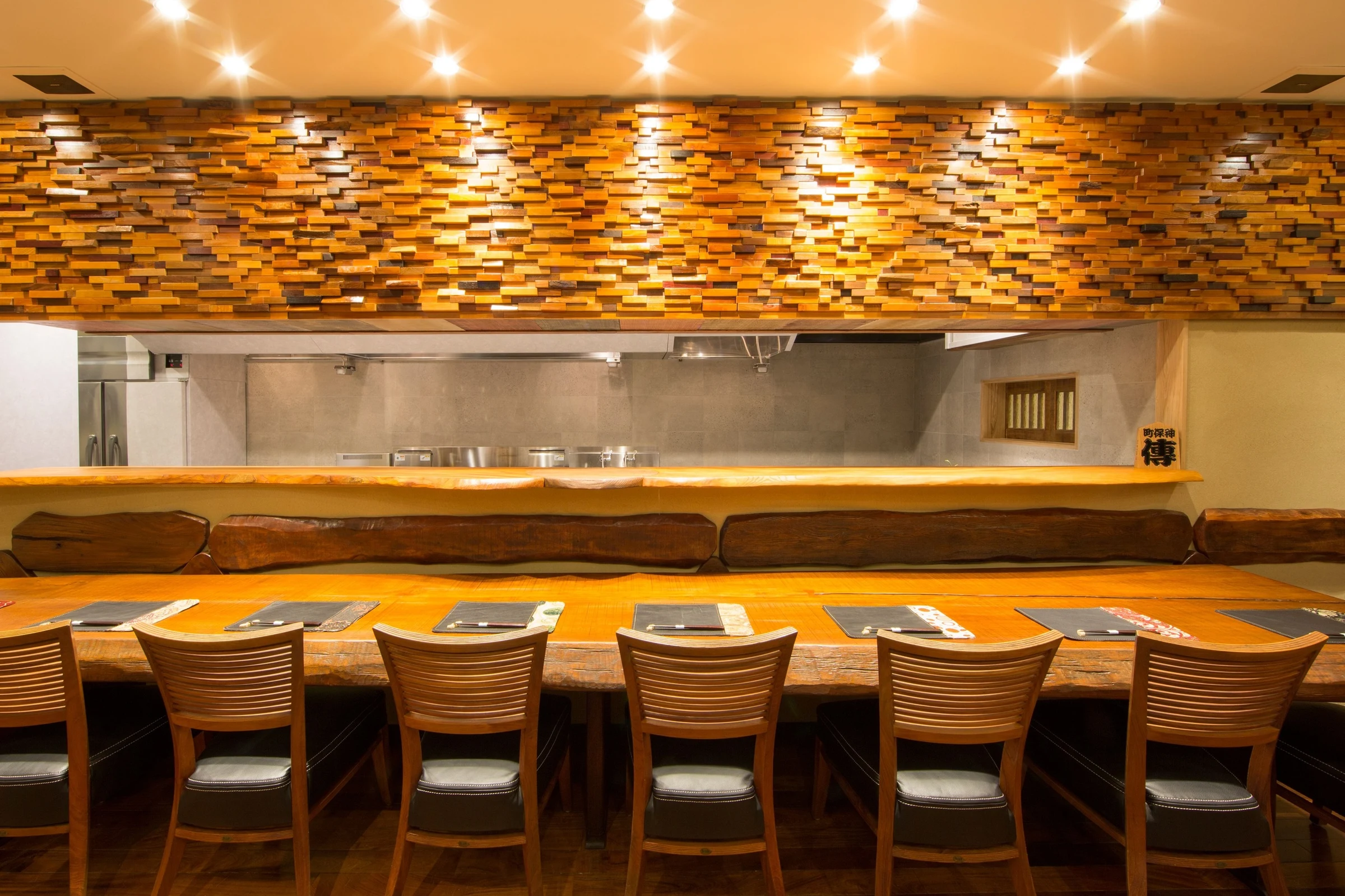
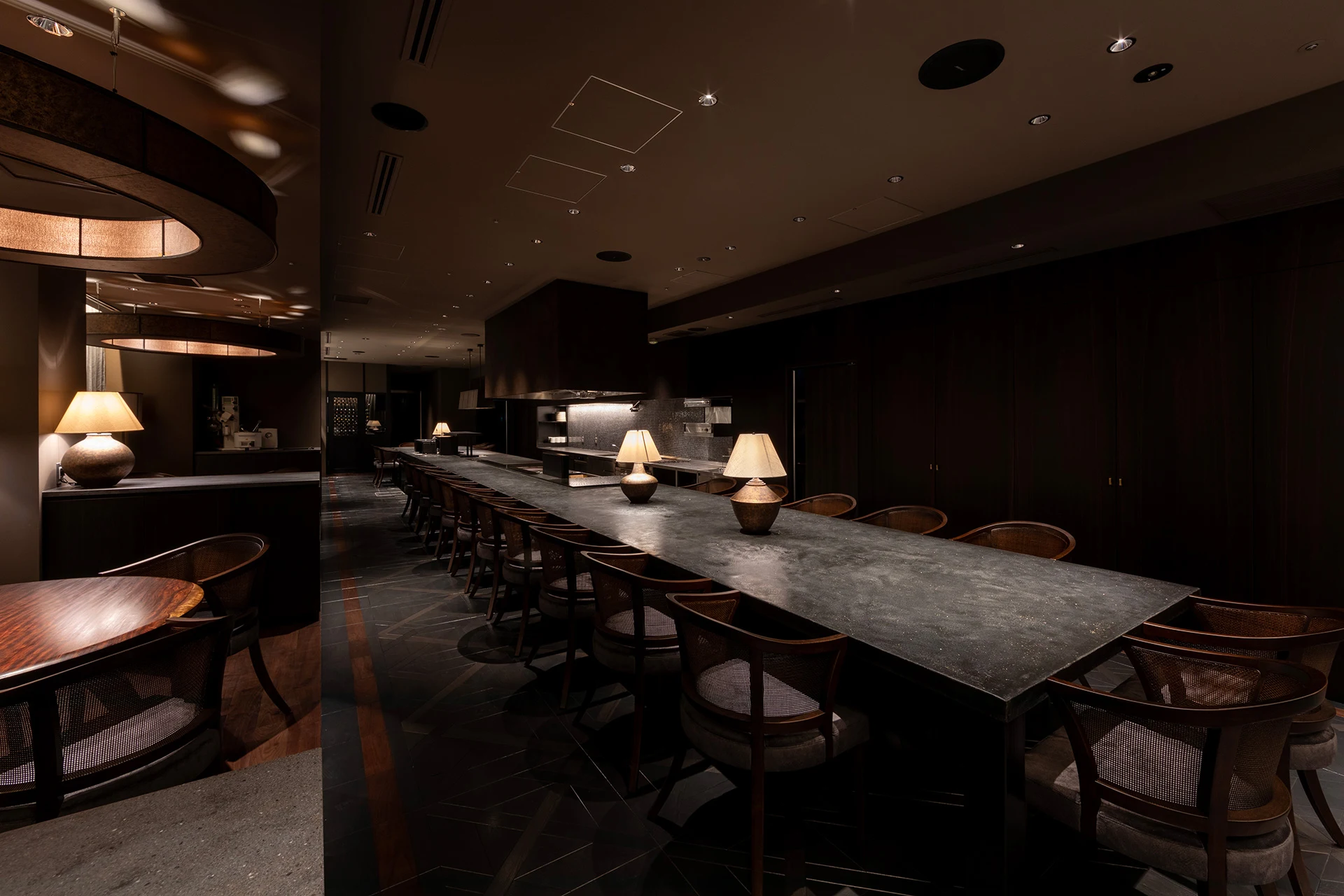
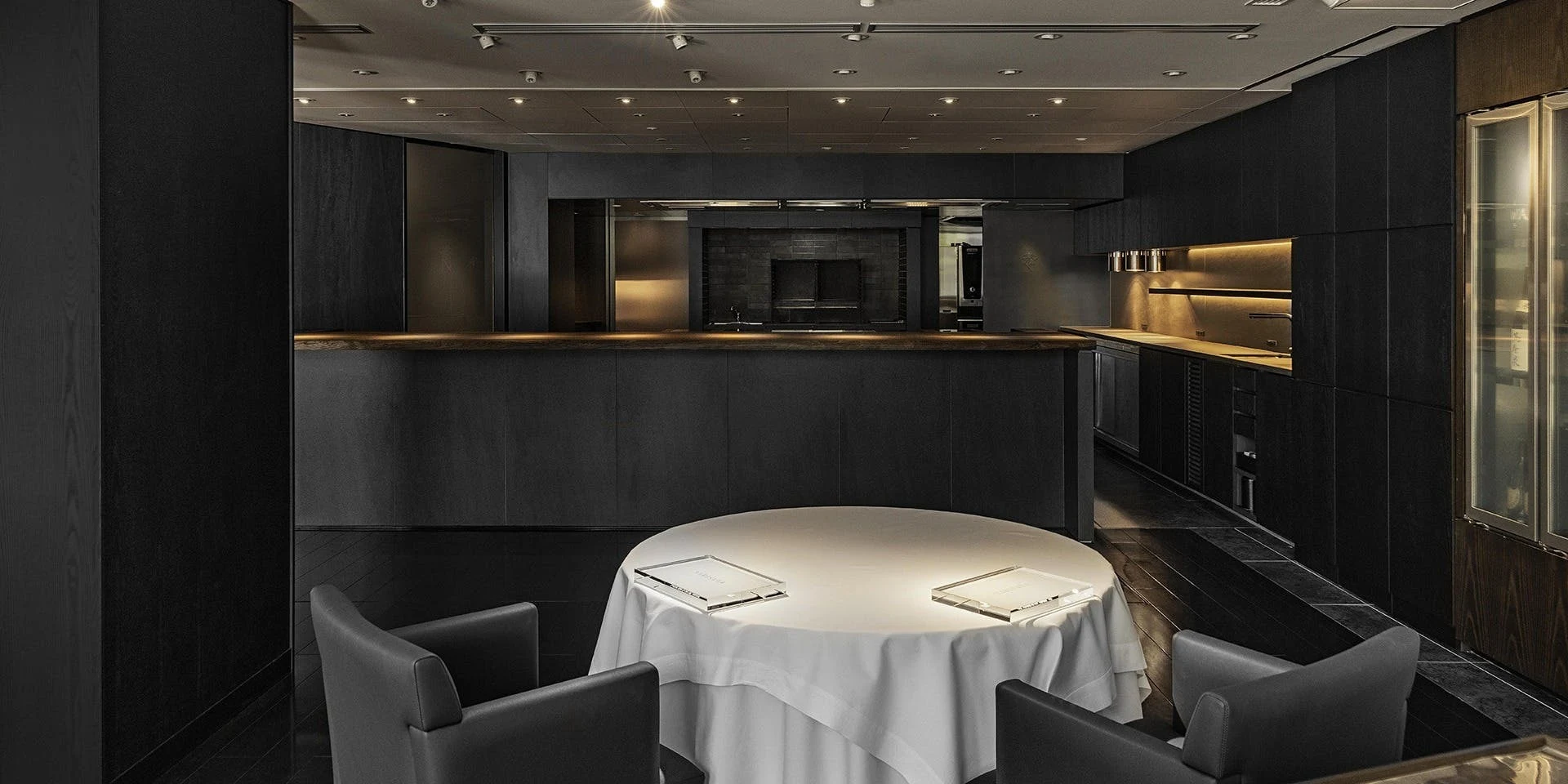
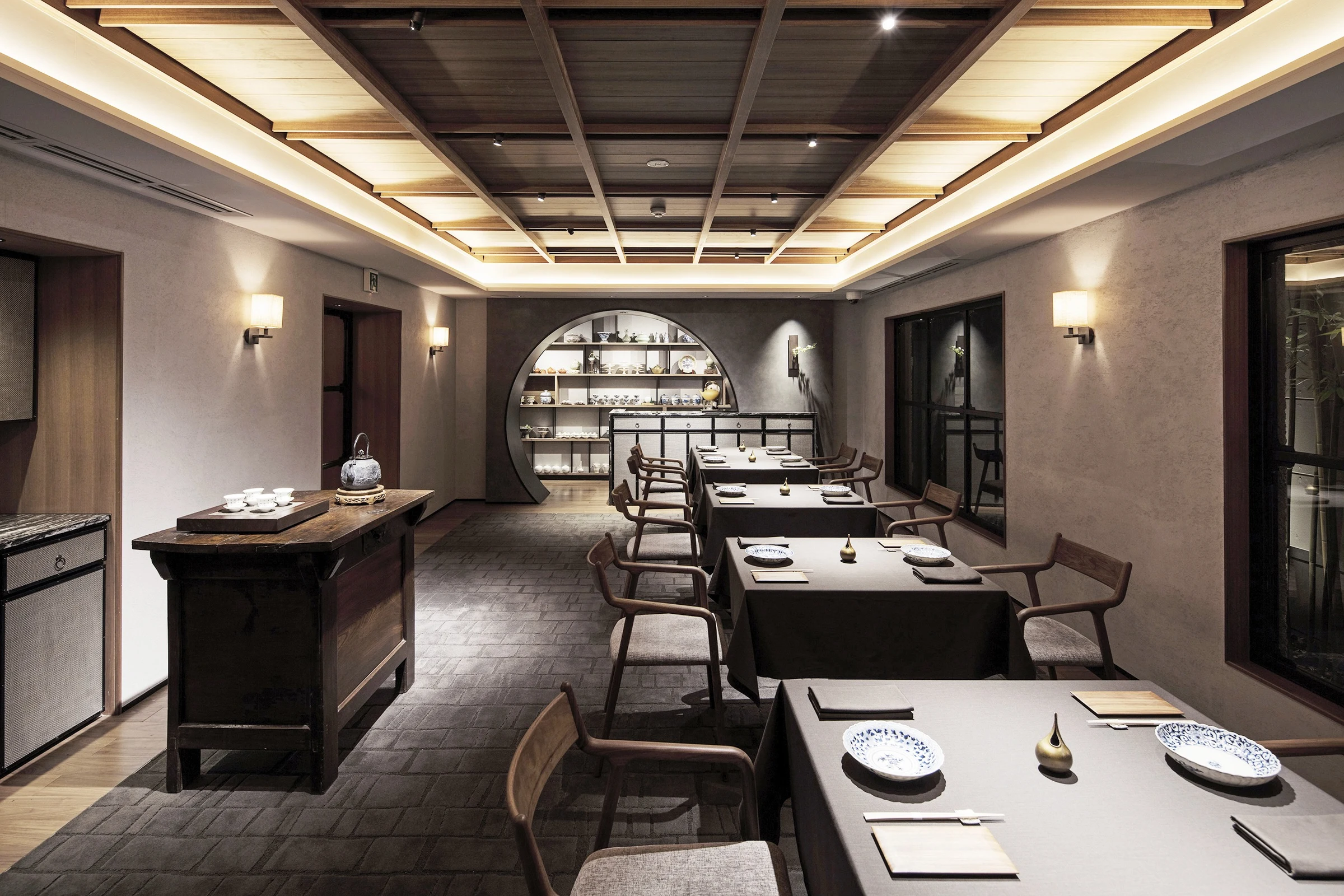
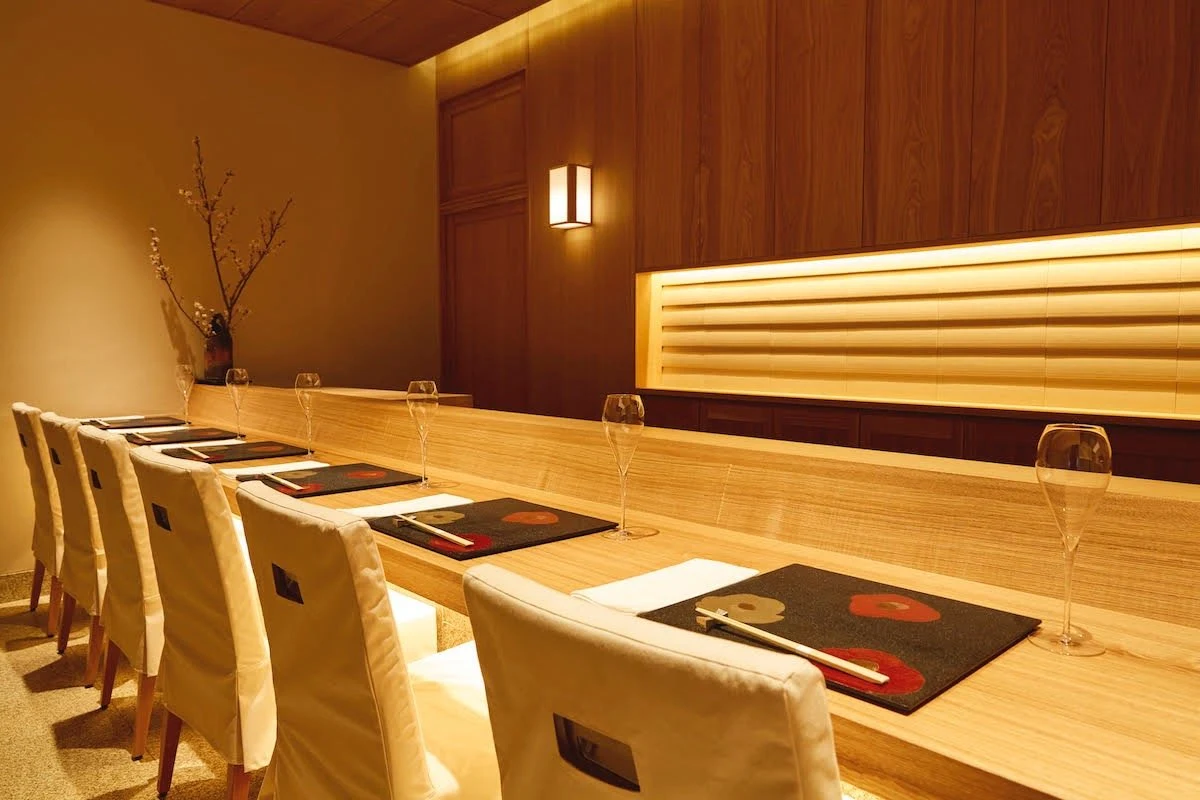
The room in Nishiazabu keeps close to the craft. Blond wood corridors, conservative surfaces and a small counter set the guest near the bench without turning the kitchen into theatre. The counter has 5 seats; private rooms hold the more formal pace of the house, with laughter carrying softly from behind sliding partitions. The room stays quiet enough for the work to register: the knife on board, the placing of slices, the passage from raw fish to hot pot.
This is not a broad Japanese restaurant with fugu as a seasonal feature. It is a specialist house, and that changes the atmosphere. Every course returns to the same question of cut, heat, texture and restraint. Kusakabe’s station gives the meal its continuity, from the first plate of fugusashi to the final bowl of zousui at Usukifugu Yamadaya.
Questions
Frequently asked
What kind of restaurant is Usukifugu Yamadaya?
Usukifugu Yamadaya is a specialist fugu restaurant in Nishi-Azabu, Tokyo, serving a traditional fugu omakase course.
Who cooks at Usukifugu Yamadaya?
Yoshio Kusakabe is the chef at Usukifugu Yamadaya in Tokyo. He trained at Shinbashi Kanetanaka before taking on the fugu course there.
What does the omakase course include?
The course moves through fugu sashimi, grilled fugu, deep-fried fugu, fugu hot pot and fugu porridge.
What is the restaurant known for?
The kitchen focuses on licensed handling, sharp slicing and same-day fugu from Usuki waters, with the meal shaped by cut, heat, texture and restraint.
What should visitors know before booking?
Reservations are essential, and the dress code is smart casual.
The field
How it compares
| Place | Cuisine | Notes | Awards |
|---|---|---|---|
| Usukifugu Yamadaya | Traditional Fugu Omakase | Minato, $$$$ | · |
| Den | Modern Japanese Kaiseki | Tokyo | Michelin 2 Stars, World's 50 Best |
| Florilège | Modern French-Japanese Plant-Based Fine Dining | Tokyo | Michelin 2 Stars, World's 50 Best |
| Narisawa | Modern Japanese Satoyama Fine Dining | Tokyo | Michelin 2 Stars, World's 50 Best |
| Quintessence | Modern French Fine Dining | Tokyo | Michelin 3 Stars |
| Sazenka | Modern Chinese Fine Dining | Tokyo | Michelin 3 Stars, World's 50 Best |
| Sézanne | Modern French Fine Dining | Tokyo | Michelin 3 Stars, World's 50 Best |
Similar places
Modern Japanese Kaiseki
Den
Tokyo, Japan
★★ · 50 Best
Modern French-Japanese Plant-Based Fine Dining
Florilège
Tokyo, Japan
★★ · 50 Best
Modern Japanese Satoyama Fine Dining
Narisawa
Tokyo, Japan
★★ · 50 Best
Modern French Fine Dining
Quintessence
Tokyo, Japan
★★★
Modern Chinese Fine Dining
Sazenka
Tokyo, Japan
★★★ · 50 Best
Modern French Fine Dining
Sézanne
Tokyo, Japan
★★★ · 50 Best