Made ByRestaurant
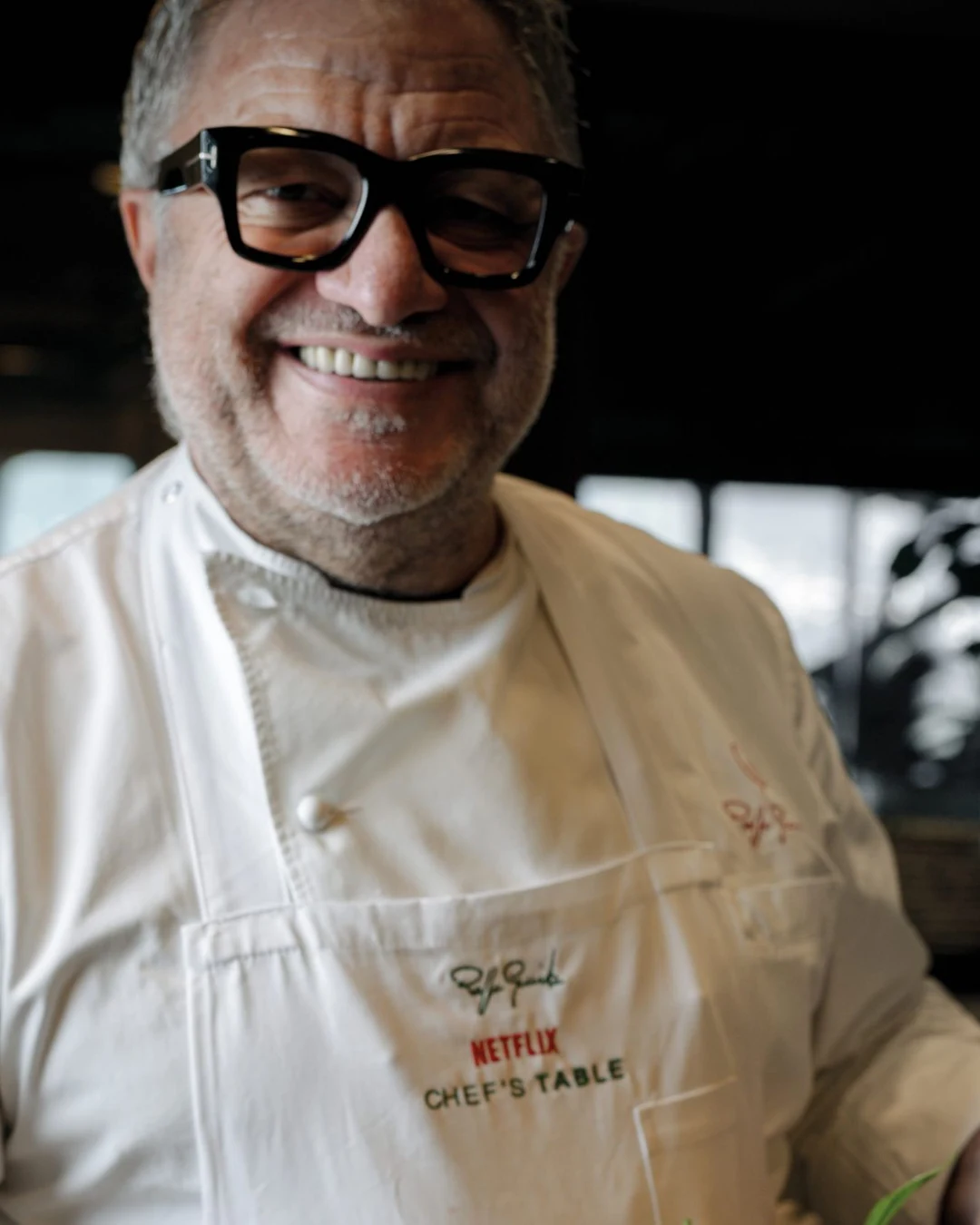
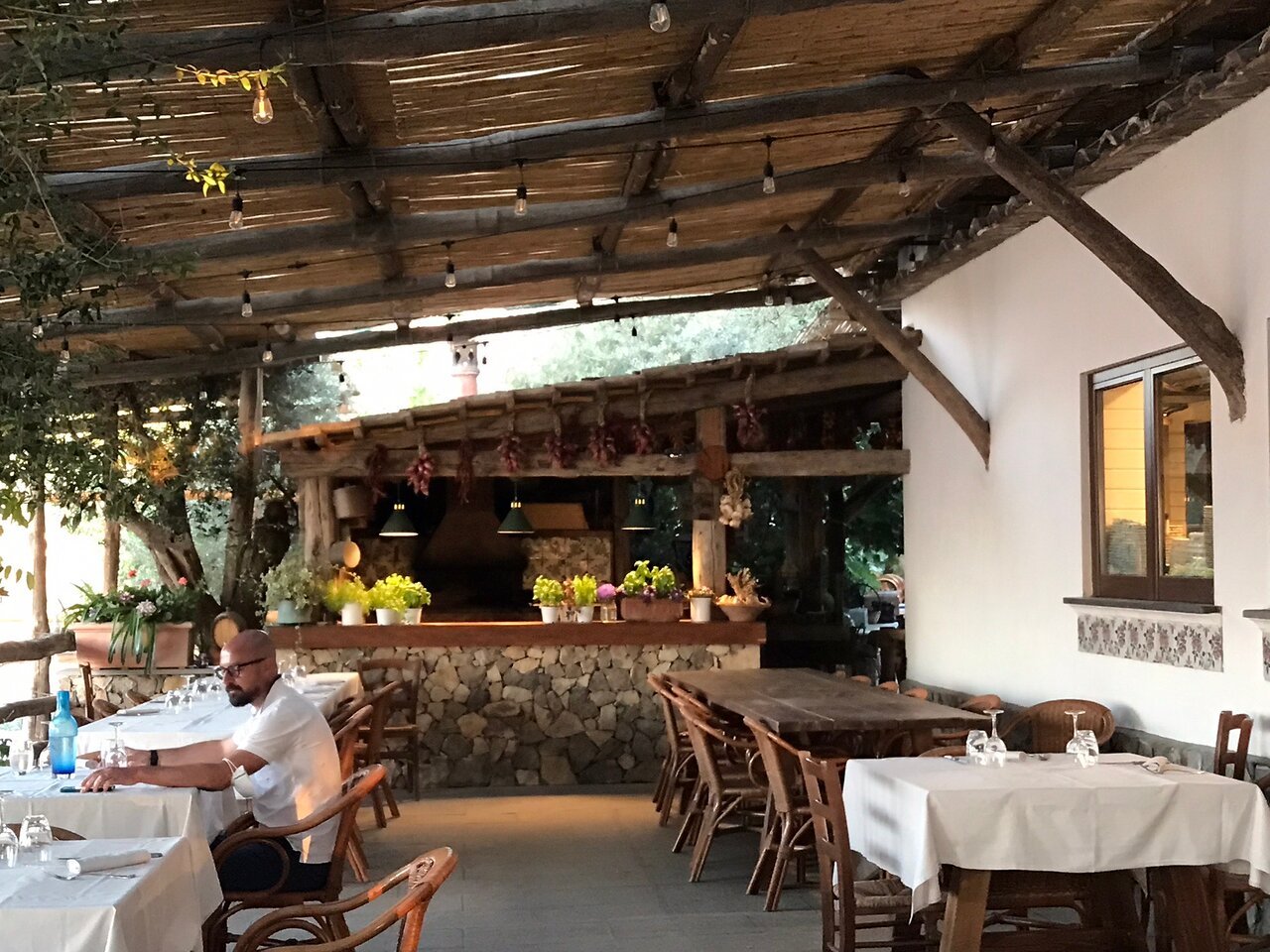
Peppe Guida cooks as chef at Villa Rosa di Nonna Rosa in Alberi, where Campania memory meets the garden, dried pasta and the family table.
At a glance
- Cuisine
- Neapolitan
Pasta read before the pass
Dried pasta gets read by hand before it reaches the pass. Peppe Guida, chef at Villa Rosa di Nonna Rosa in Alberi, brings that habit from a life spent treating pasta as a material with its own discipline, not a neutral base for sauce. His cooking keeps refinement and plainness in the same frame: the staple, the garden, the coastal memory, the family name. Early work in hotels and restaurants along the Sorrentine and Amalfi Coast gave him the speed of service and the local confidence of Campania kitchens, where repetition teaches more than display. Since 1994, he has also held Antica Osteria Nonna Rosa as chef-patron in Vico Equense, a role built on authorship and stewardship rather than distance. At Villa Rosa di Nonna Rosa, that public language loosens into the country-house register. The restaurant sits within an agriturismo at Via Alberi, n. 100, with the cooking overseen by Guida and tied to the same domestic intelligence that runs through his work: listen to the recipe, lighten where needed, keep the memory legible.
The garden sets the sentence
The method here begins outside the kitchen. Villa Rosa di Nonna Rosa works as a farm-to-table house, drawing on produce from its organic garden for traditional Campania cooking. That is not a decorative claim when the dishes are squash-blossom fritters, peppers filled with mozzarella and tomato, eggplant Parmesan, green polenta made from broccoli and semola, or a fresh fig set against prosciutto. The bench has room for pastry memory too: torta caprese, a layered bomba with fried eggplant, dark chocolate cream and sweetened ricotta. Guida’s known pasta discipline comes through in spaghettino made with lemon-infused water, Provolone del Monaco and dried lemon leaves, a dish that uses acidity, dairy and leaf as structure rather than garnish. The kitchen also handles the fried register of the coast, from deep-fried prawn to a rice ball with smoked mozzarella and aria fritta, fried pizza by another name. Each plate keeps close to a Campania syntax: citrus against cheese, vegetable against semola, oil against dough, restraint against abundance.
The room below Vesuvius
The room belongs to a country house before it belongs to a restaurant. Guests speak of Peppe and Rossella as hosts, and that matters here because Villa Rosa di Nonna Rosa is also a place to stay, a house with breakfast, cooking sessions and a table that looks outward. The property sits above the Bay of Naples with Mount Vesuvius in view, surrounded by greenery rather than a city street. The counter and the pass do not need a theatrical edge in that setting. The work has its own pace: vegetables from the garden, dough and frying oil, pasta water carrying lemon, service held with the ease of a family name that has not been turned into a museum piece. In Alberi, the room lets the cooking remain close to the ground it names.
A family name kept in motion
What matters at Villa Rosa di Nonna Rosa is the way Guida lets continuity move. He has said, “I have listened to the stories behind each recipe, I have studied them, I have lightened them and made them modern.” That sentence fits this house without needing to make a spectacle of it. If the evening ends on craft rather than announcement, it can end with spaghettino and dried lemon leaves, alongside lemon-infused water and Provolone del Monaco.
Address
Via Alberi, n. 100, Alberi, Italy
In residence
Similar places
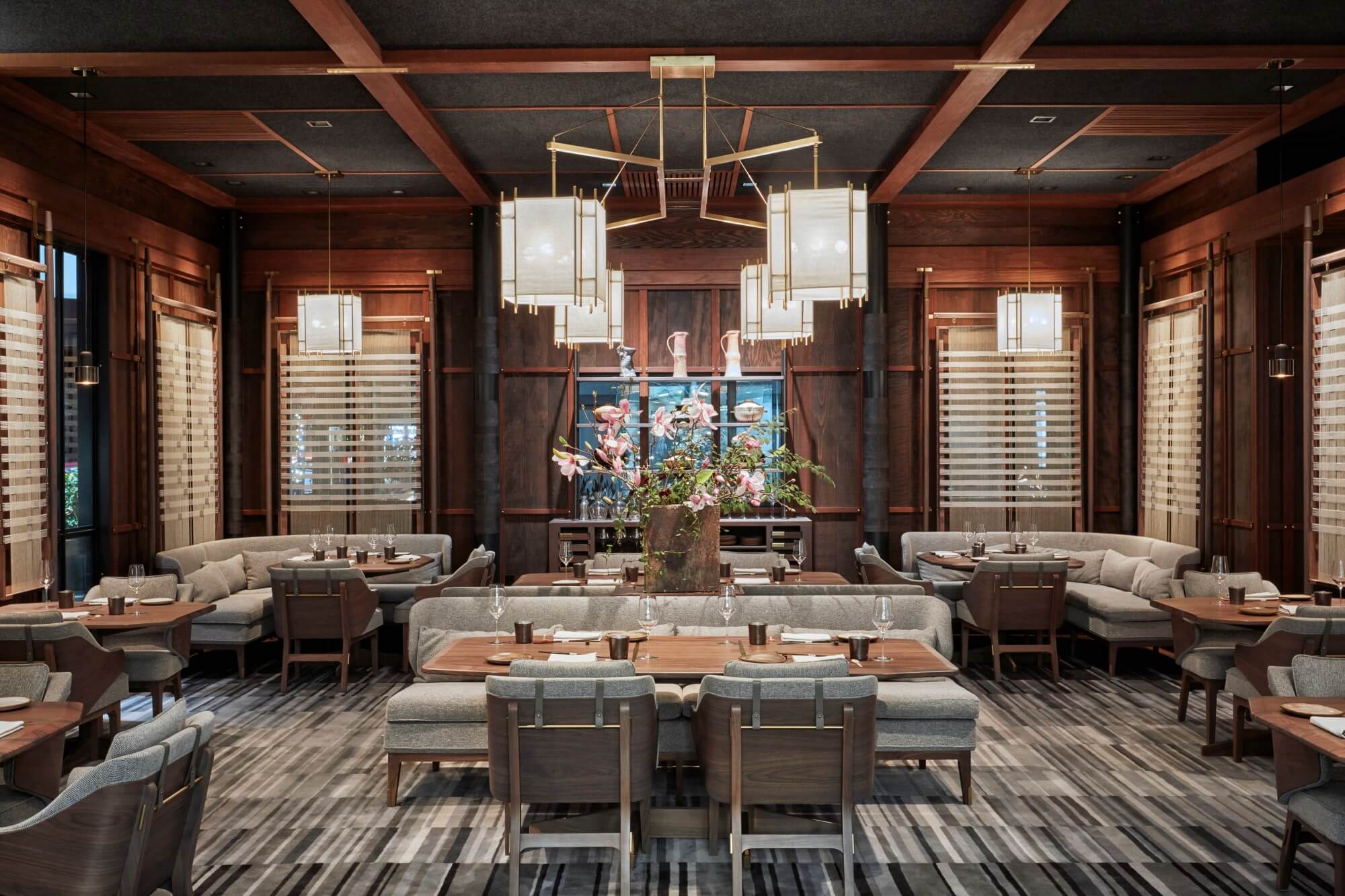
Japanese-influenced Californian Kaiseki
Single Thread Farm
Healdsburg, United States
★★★ · 50 Best
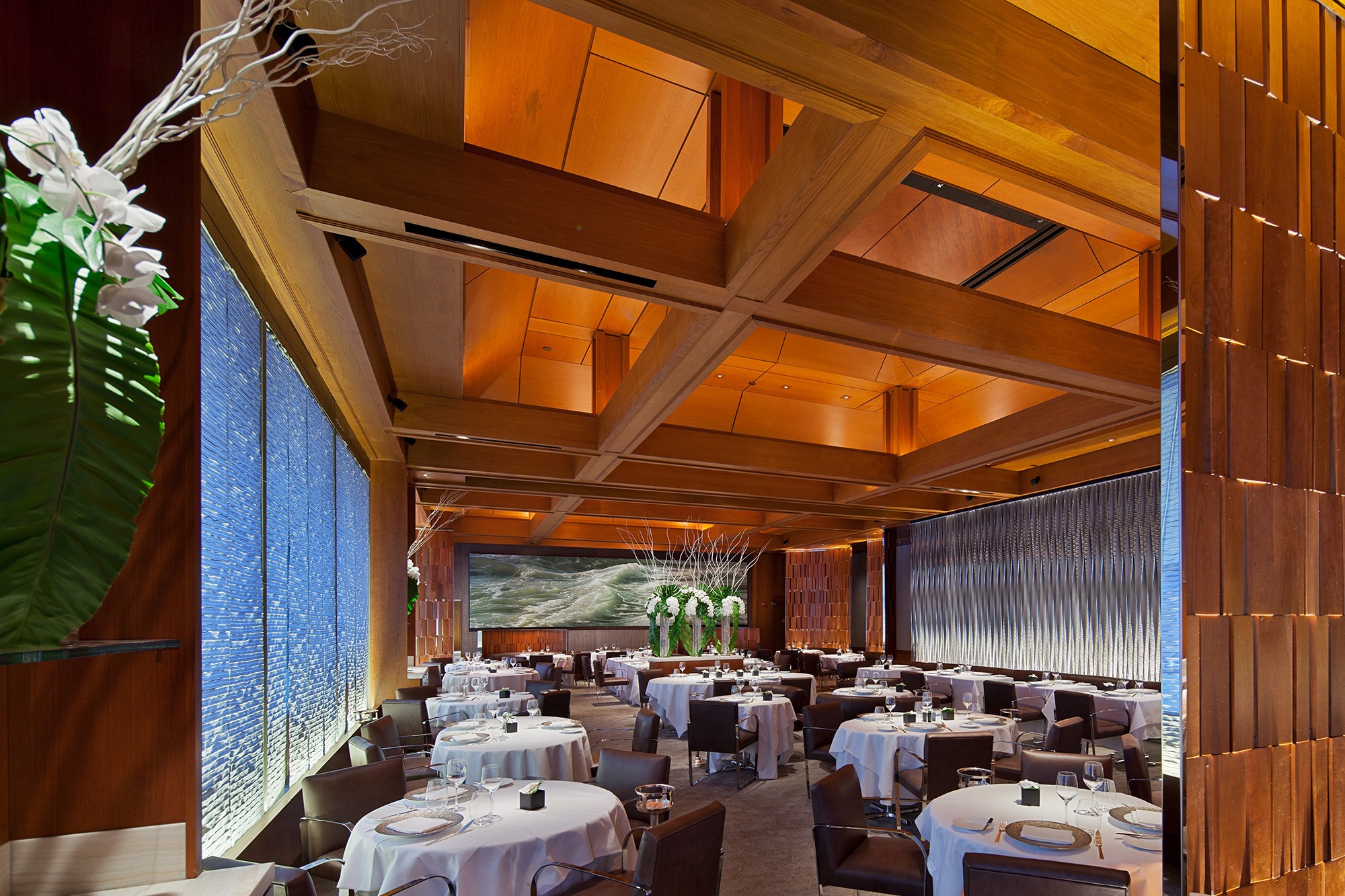
French Seafood Fine Dining
Le Bernardin
New York City, United States
★★★ · 50 Best
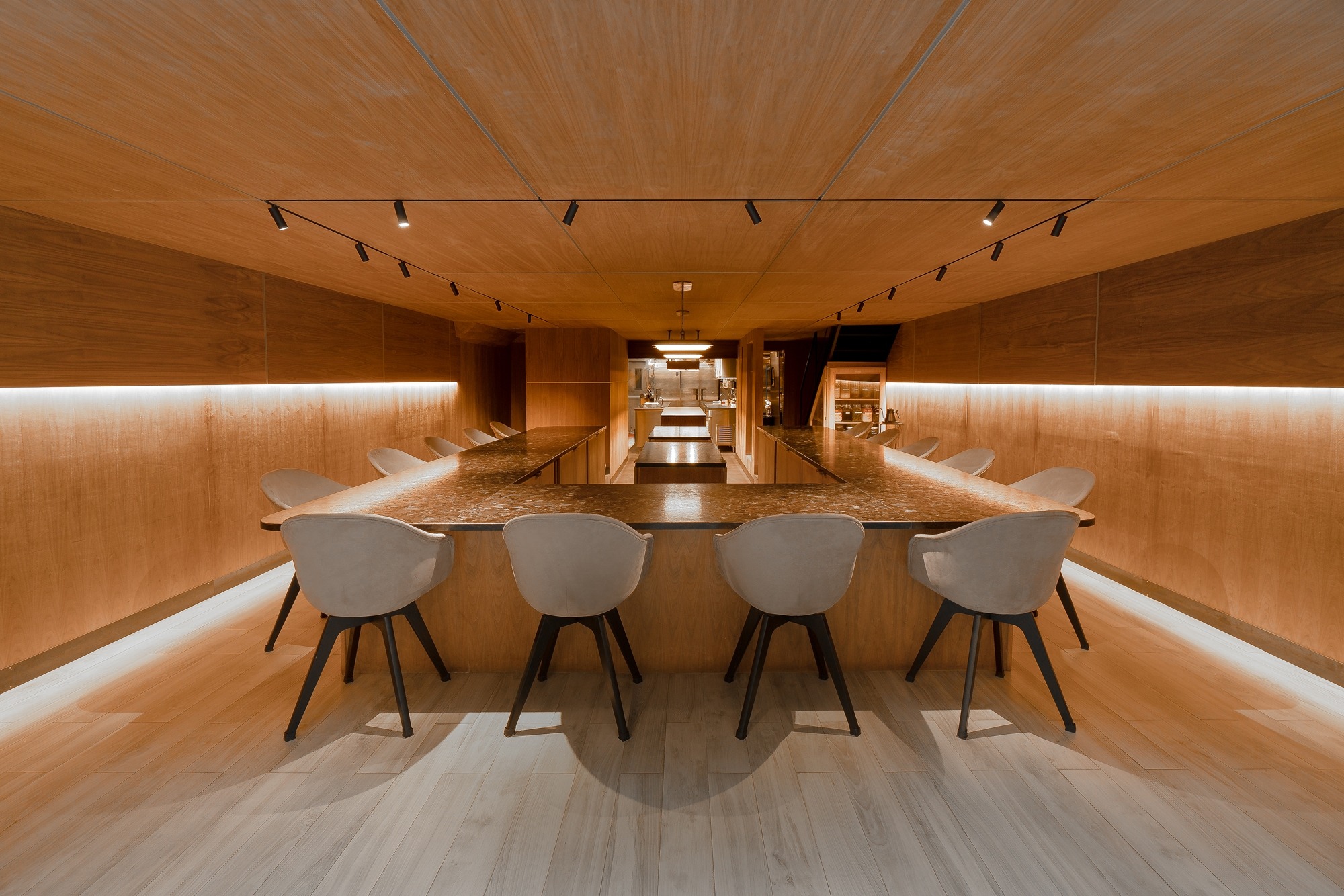
Modern Korean Tasting Menu
Atomix
New York City, United States
★★ · 50 Best
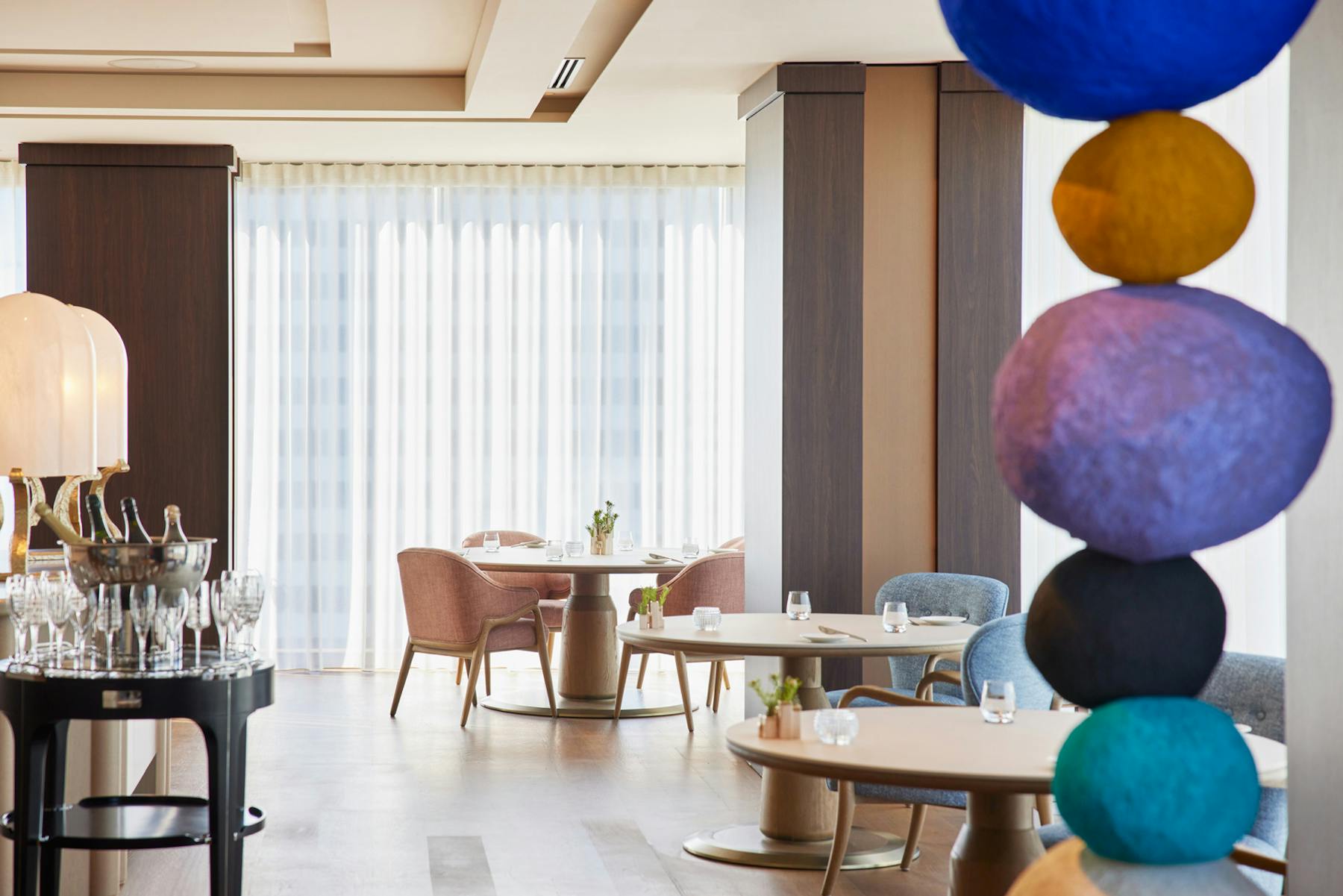
French
Sézanne
Tokyo, Japan
★★★ · 50 Best
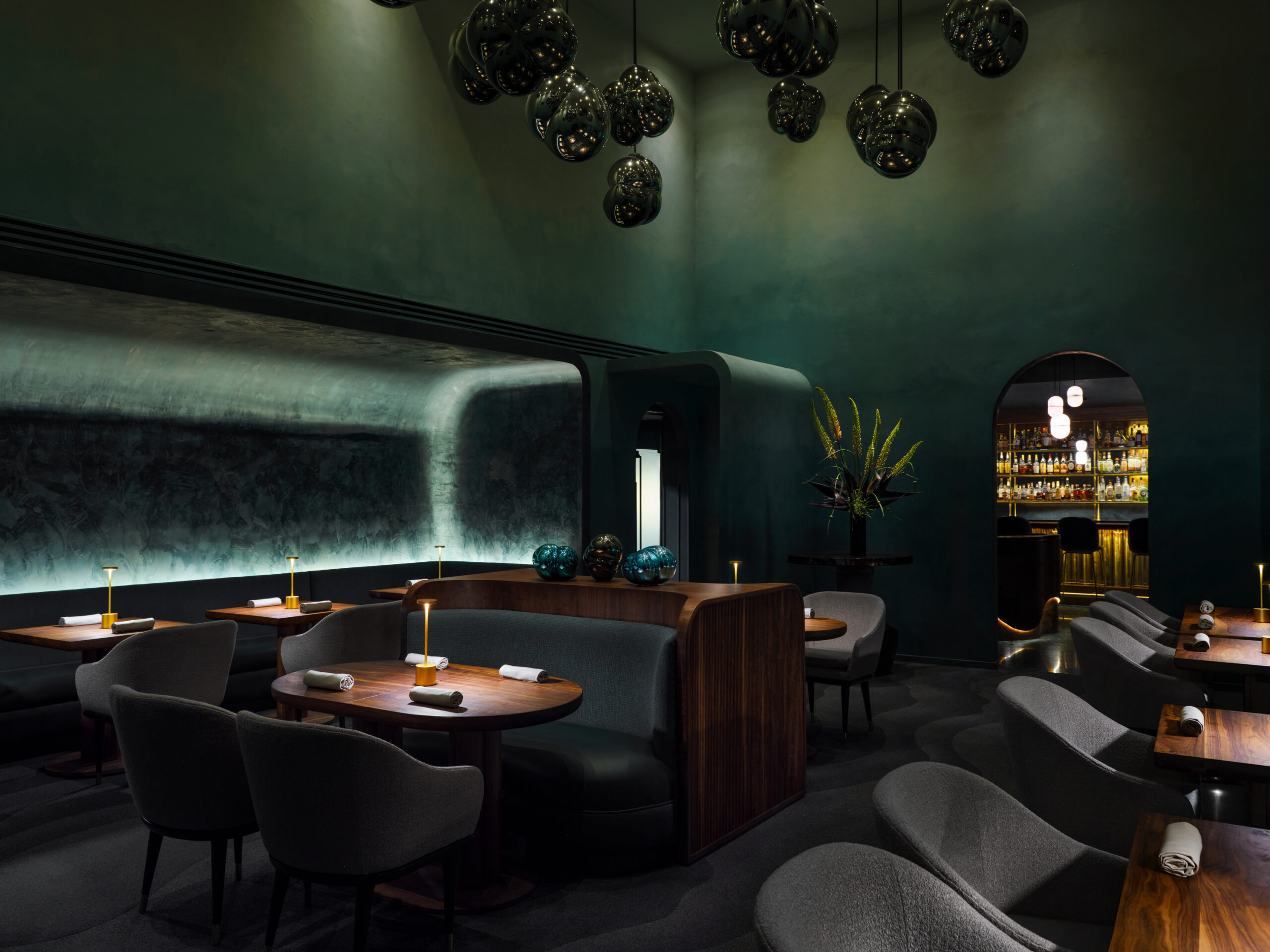
Modern Seafood Fine Dining
Providence
Los Angeles, United States
★★★ · 50 Best
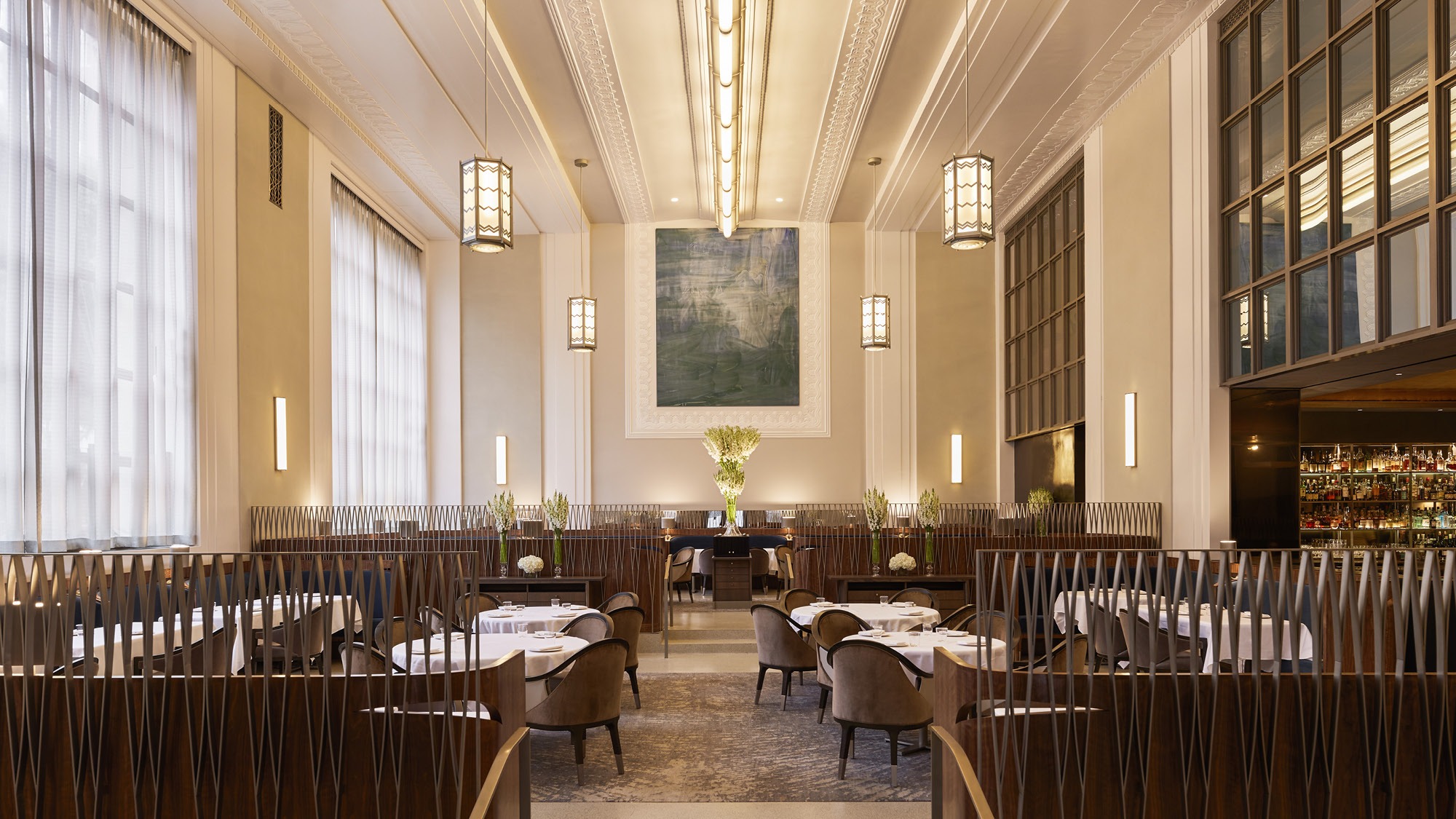
Contemporary Plant-Based Fine Dining
Eleven Madison Park
New York City, United States
★★★ · 50 Best