Made ByRestaurant
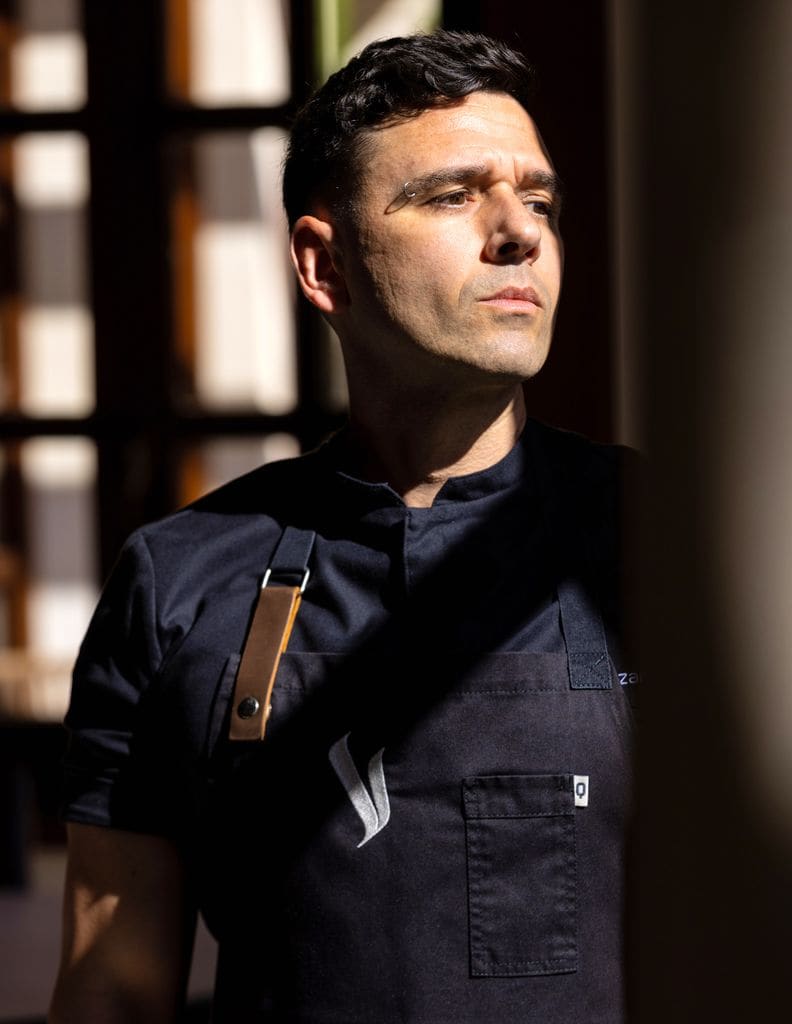
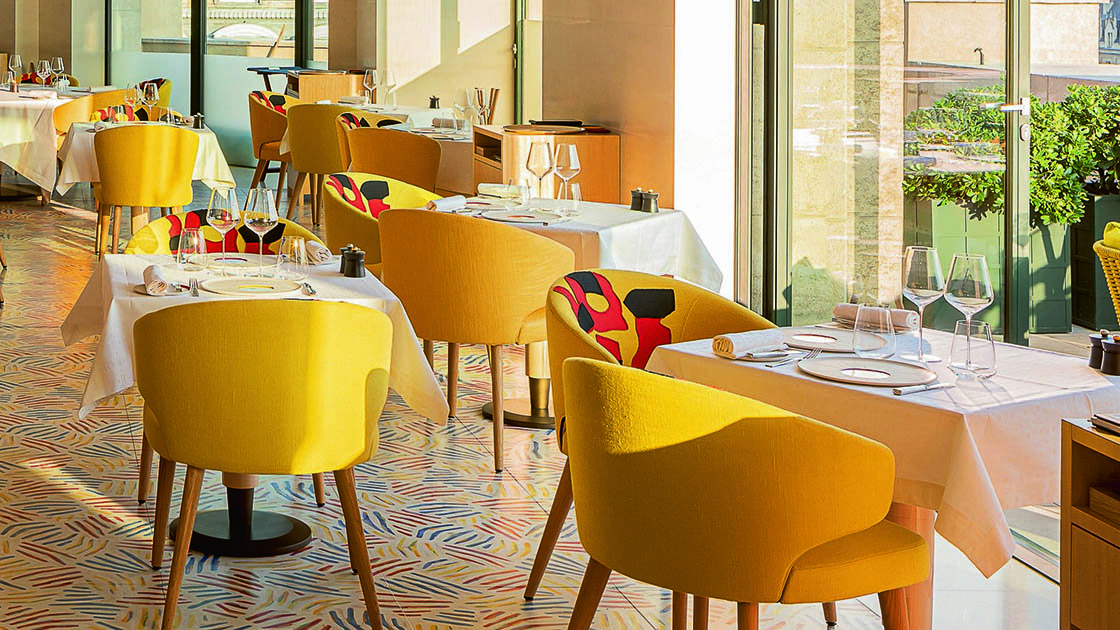
Álvaro Salazar, Chef at Voro in Mallorca, composes Majorcan memory through tasting menus inside Cap Vermell Grand Hotel.
At a glance
- Cuisine
- Mallorcan
Sequences before plates
The sequence starts before the plate leaves the pass: Álvaro Salazar, Chef at Voro in Mallorca, sets Albor, Zénit and Ocaso as the meal’s internal clock. At this station inside Cap Vermell Grand Hotel, he treats Majorcan memory as working material, not decoration. Popular recipes are clarified, sharpened and set into a controlled tasting-menu language, with flavor still carrying the argument. His early haute-cuisine experience at Tragabuches in Ronda gave him a technical base; Argos in Mallorca, from 2015, placed that discipline in island produce and island weather. VORO, founded in 2019, gives him a tighter frame for the same line of thought: rigor, sensation, memory and beauty organized together rather than arriving as separate effects. The restaurant holds two Michelin stars for VORO, recognition attached to this house and to the language he has built here. A guest-chef appearance at Restaurant Ikarus in 2025 widened the professional setting, but the coordinates remained Majorcan. The hand still returns to the island.
Albor, Zénit, Ocaso
The program at Voro moves by progression. Albor is framed around balance and harmony, a beginning in which ingredients and technique open the senses at the table. Zénit works with temperatures, textures and aromas to sharpen sensation and attention. Ocaso closes the arc as both ending and beginning, a point of reflection rather than a last flourish. The house also serves tasting menus named Voro and Devoro, with courses that evolve seasonally and carry signature dishes alongside new compositions. Published descriptions place those menus at 16 to 17 courses and 21 to 22 courses, a length that makes sequencing a craft problem as much as a culinary one. A dish such as Ternera mallorquina madurada y apio keeps the grammar direct: matured Mallorcan beef and celery, origin and ageing set beside a vegetal line. Ramallet y mahonés, built on ramallet tomato and Mahón cheese, works in the same register, local material tightened until it can stand without an explanatory overlay. The wine program gives the kitchen another measure, with 300 to over 400 references and attention to Balearic producers as well as Spanish naturals.
The room under the hotel village
The room does not compete with the pass. Voro sits within Cap Vermell Grand Hotel in Canyamel, in a complex built with the look of a Mallorcan village above the bay. Inside, the dining room is described through restraint: stone, linen, dim light, high ceilings and 36 covers. That scale matters because the food asks for concentration. Service can move with precision without turning the meal into theatre, and the building’s quiet architecture gives the plates enough air. From the counter and the pass, the restaurant’s setting remains present but held back: Canyamel coast, valley, sea sound, hotel stone. The craft happens in that margin between the island outside and the controlled room inside.
A Majorcan line kept taut
Salazar’s own account of simplicity, “Soy una persona sencilla. Intento hacer deporte y ser una persona muy sana,” gives the work a useful counterweight. The kitchen can pursue beauty without noise because the discipline stays practical: control, consistency, service, proportion. If the next movement here is not yet public, the present one is clear enough. The meal turns on Albor, Zénit, Ocaso and the measured pressure of Ternera mallorquina madurada y apio.
Address
Park Hyatt Mallorca, Vial A, 12 Canyamel, Mallorca, Ballearic & Canary Islands, Spain
In residence
Similar places
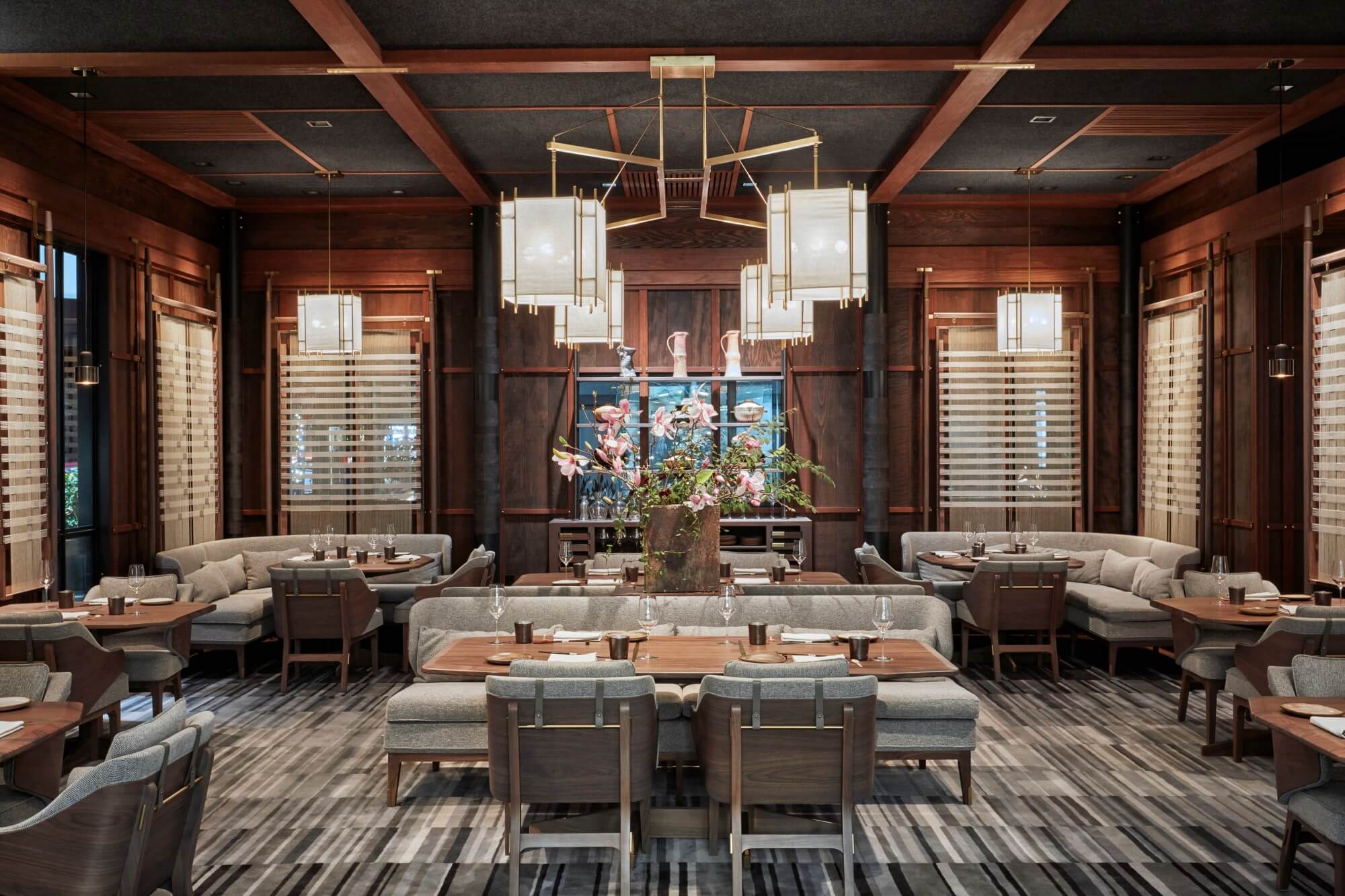
Japanese-influenced Californian Kaiseki
Single Thread Farm
Healdsburg, United States
★★★ · 50 Best
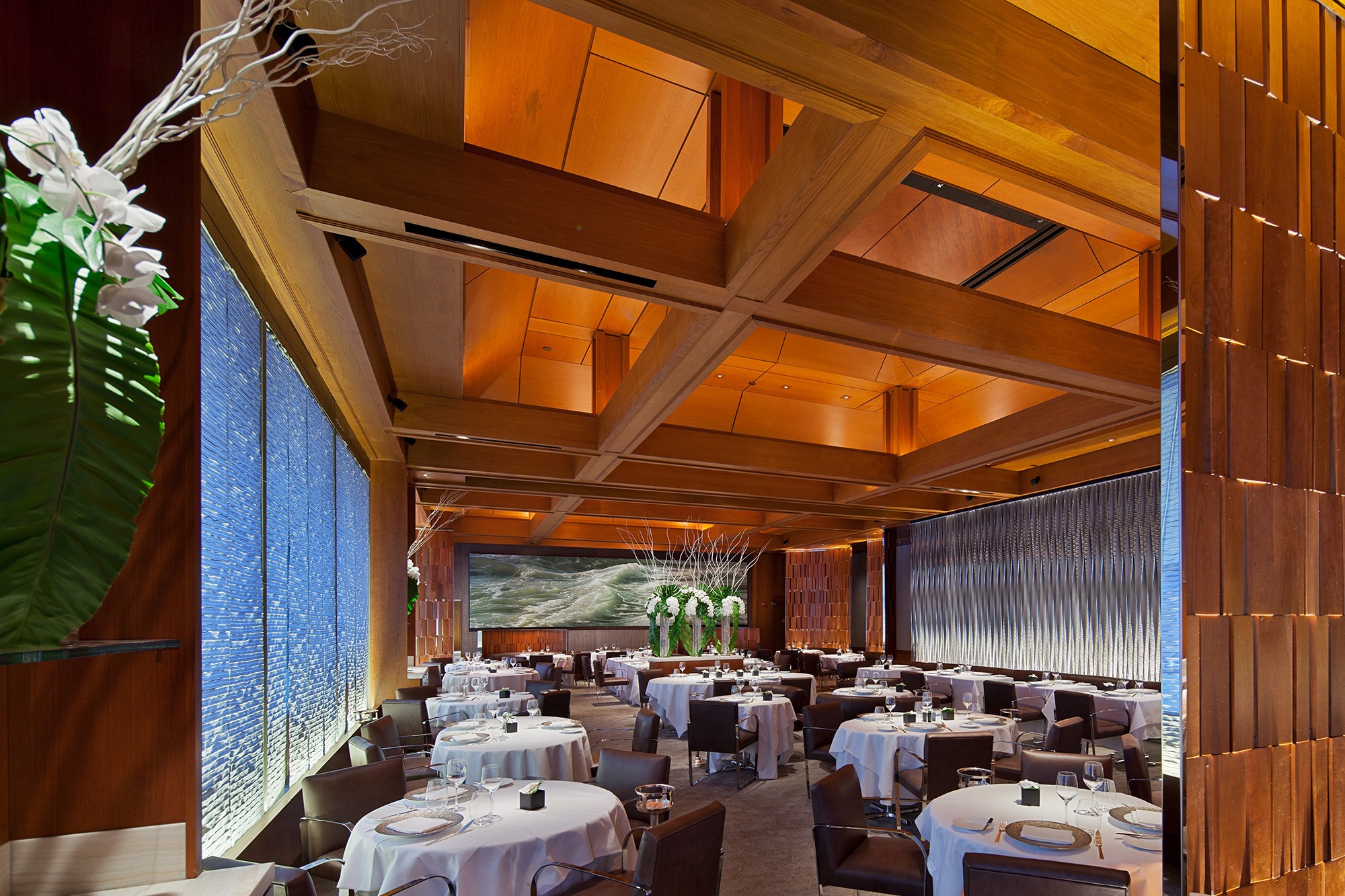
French Seafood Fine Dining
Le Bernardin
New York City, United States
★★★ · 50 Best
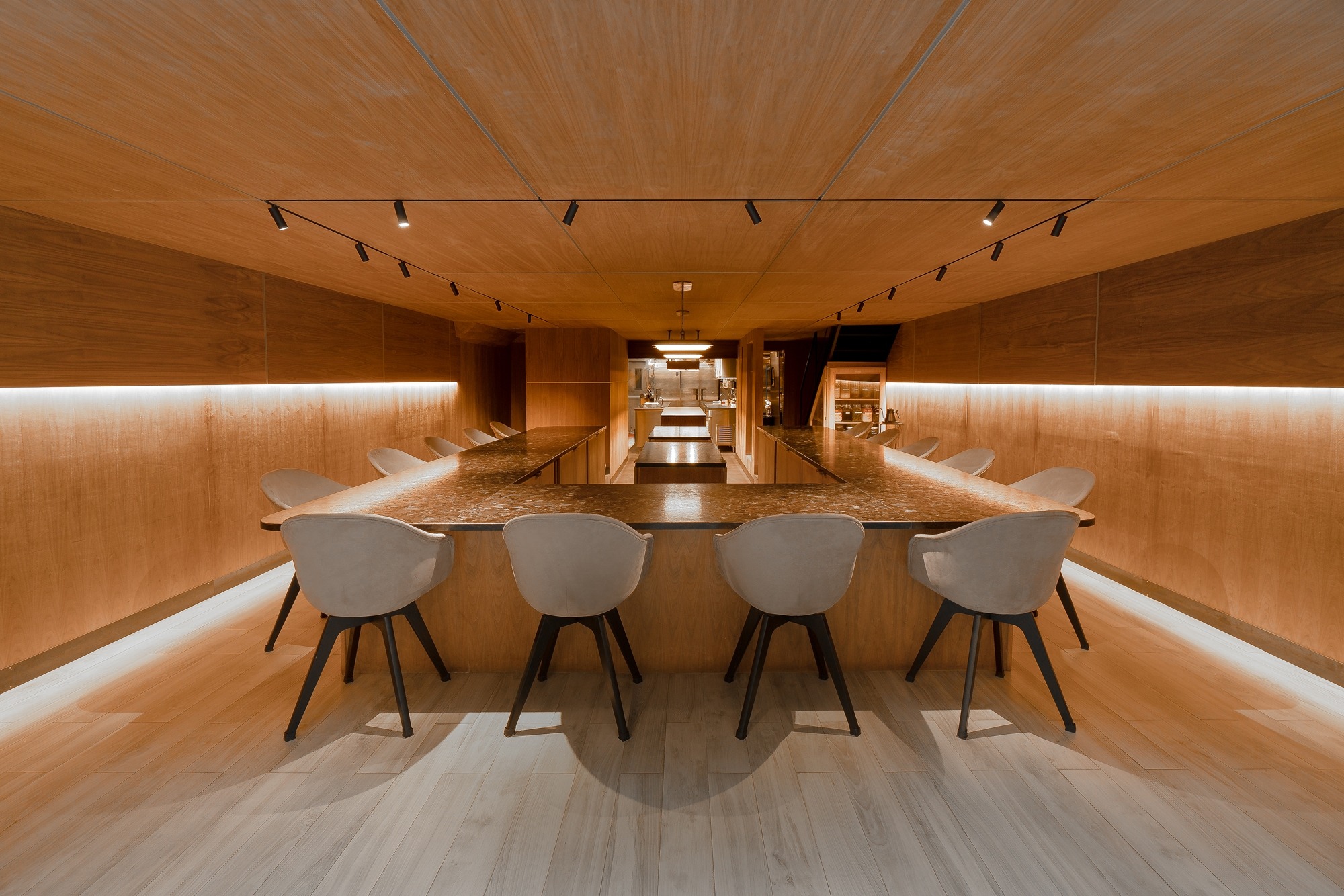
Modern Korean Tasting Menu
Atomix
New York City, United States
★★ · 50 Best
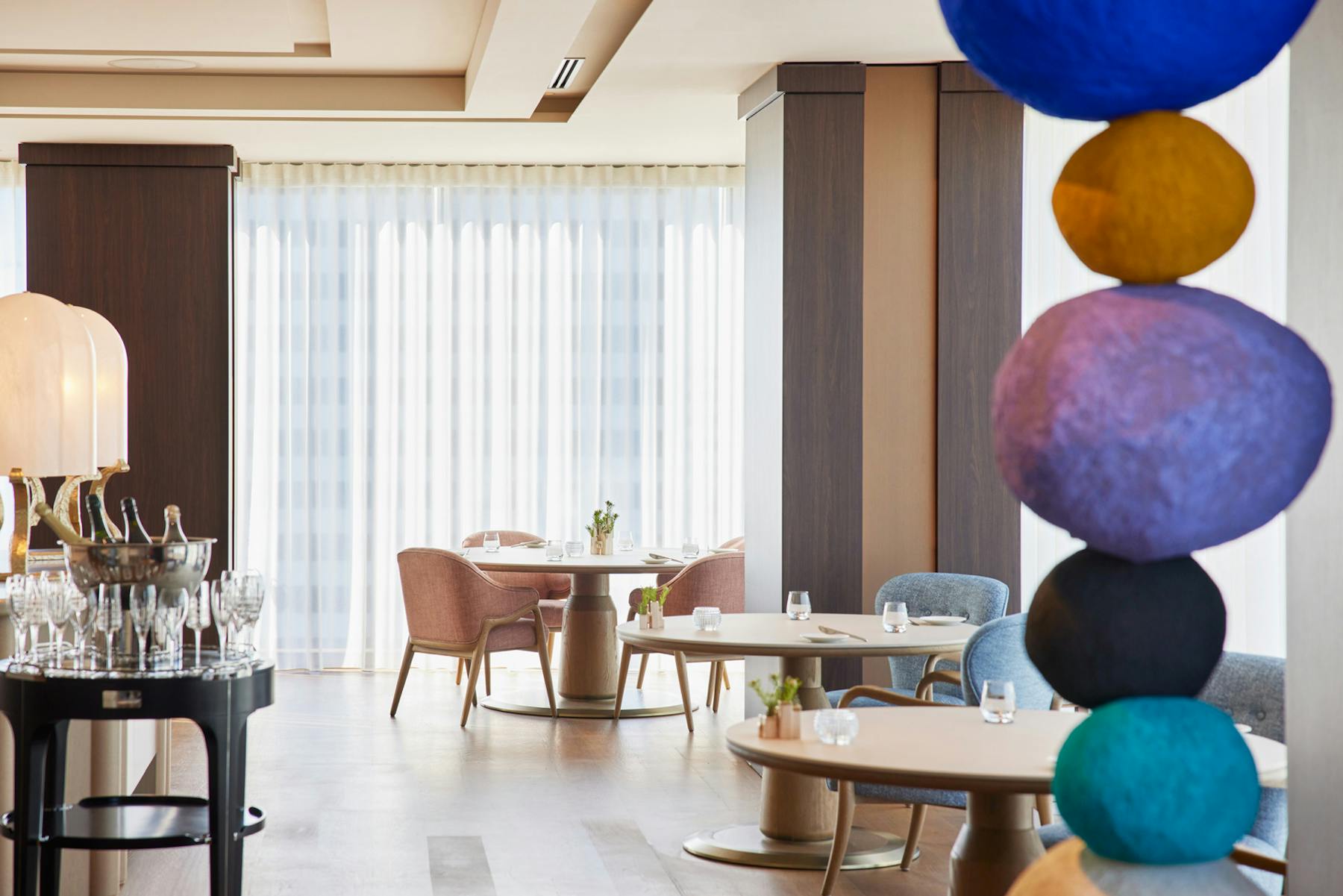
French
Sézanne
Tokyo, Japan
★★★ · 50 Best
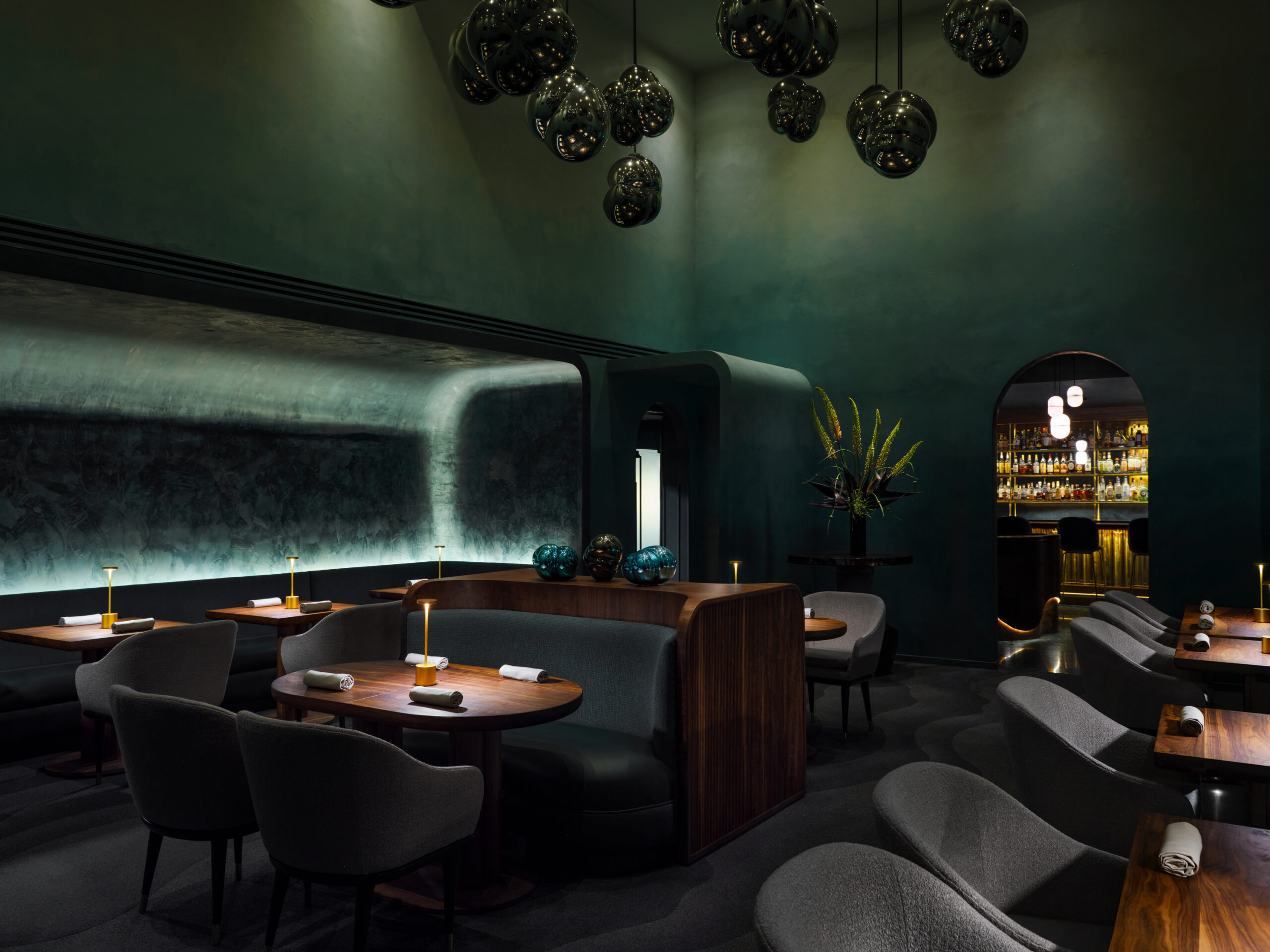
Modern Seafood Fine Dining
Providence
Los Angeles, United States
★★★ · 50 Best
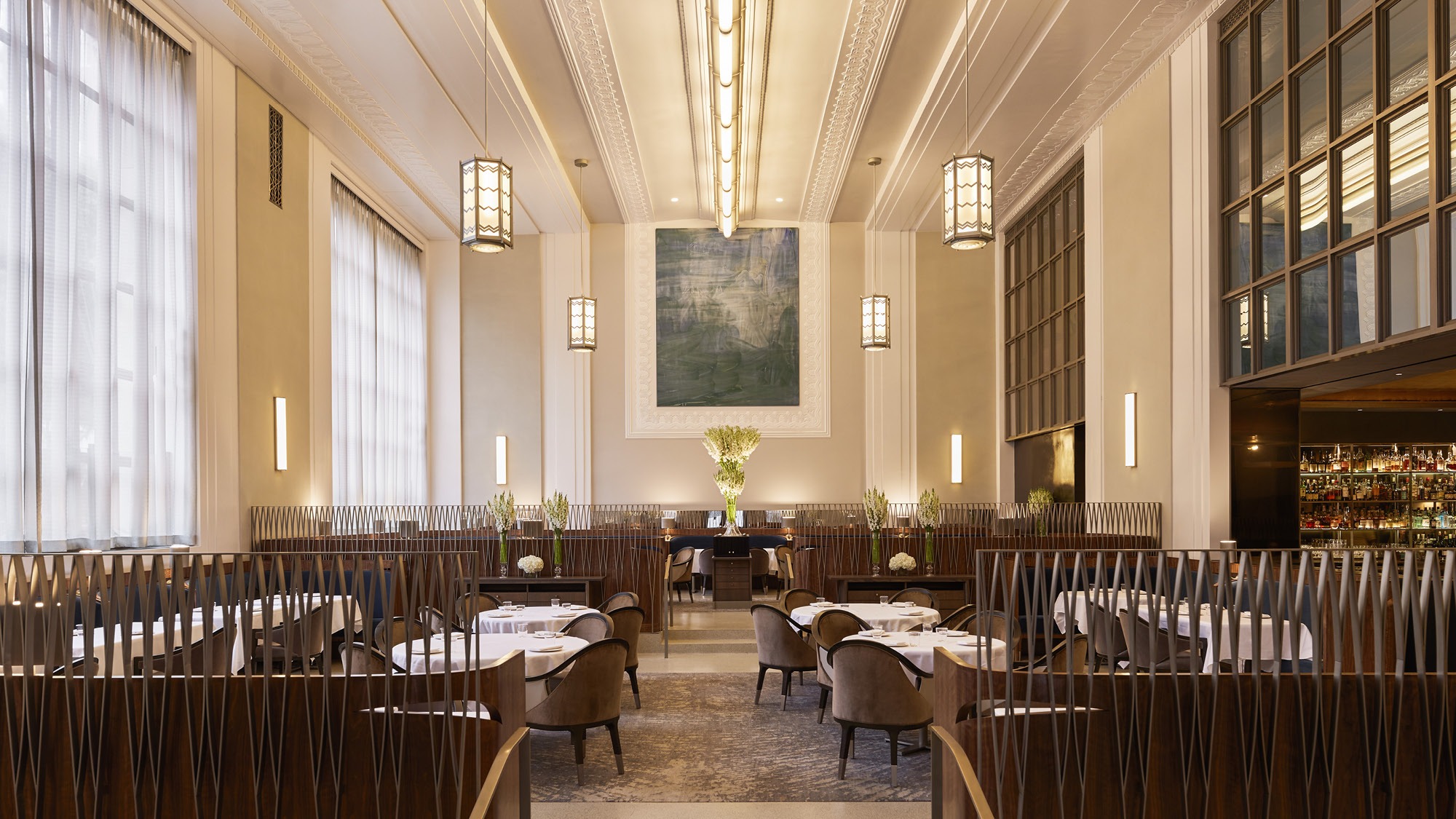
Contemporary Plant-Based Fine Dining
Eleven Madison Park
New York City, United States
★★★ · 50 Best