Made ByRestaurant
Walrus & Carpenter
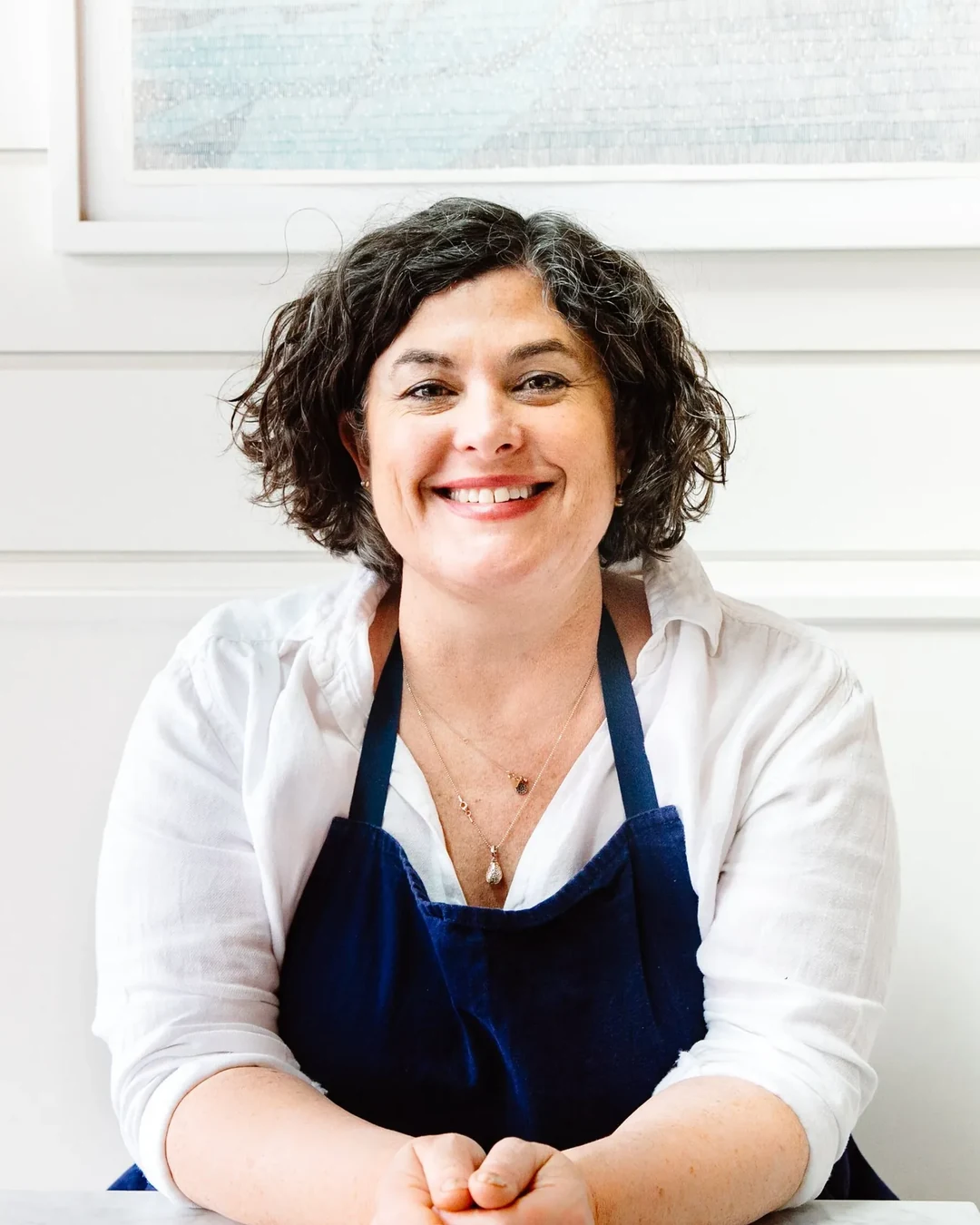
Chef in Residence
Renee Erickson
Chef
- 01CuisineNew American - Seafood
- 02CitySeattle, United States
Renee Erickson, chef and owner of Walrus & Carpenter in Seattle, works a daily seafood program around oysters and small plates.
At a glance
- Cuisine
- New American - Seafood
The oyster knife stays close
Renee Erickson keeps the oyster knife close at the counter as chef and owner of The Walrus and the Carpenter in Seattle, where the work begins with shellfish and stays near the tide. The Ballard room opened in 2010 with Erickson and partners Jeremy Price and Chad Dale, shaped as an oyster bar rather than a formal seafood house: French in its appetite for wine, butter and brine, local in the ease of its service and the confidence of its ingredients.
Erickson’s line into this place runs through the University of Washington and Boat Street, where she worked before building a group of six Seattle restaurants. At Walrus & Carpenter, her role is not a biographical ornament. It is the center of the room’s discipline: oysters first, seafood close behind, plates sized for passing, a menu that changes with what is good enough to put on ice or under the broiler. Her signature dishes elsewhere include A Boat, a Whale & a Walrus, Sunlight & Breadcrumbs, and Boat Street Pickles; here, the house keeps its attention on the oyster bar’s daily rhythm. Erickson received the James Beard Award for Best Chef: Northwest in 2016, but the credential sits behind the work, not in front of it.
A daily seafood program, cut small
The method at Walrus & Carpenter is built around rotation. The oyster selection changes, often drawing from Pacific Northwest names such as Hama Hama, Calm Cove, Samish Sweets, Eagle Rocks, Barron Points, Baywater Sweets and Amai. Each asks for a different hand at the shucking station: a hinge found without splintering the cup, a clean sever, liquor kept in the shell. The plate arrives without argument.
The cooked side of the program keeps the same scale. Cornmeal-crusted fried oysters with cilantro aioli have shared the menu’s vocabulary with sea urchin custard crowned with salmon roe, smoked trout over lentils with crème fraîche, grilled sardines with walnuts and parsley, halibut ceviche, octopus, steak tartare, and Shunkyo radishes with brown butter and salmon roe. The point is not range for its own sake. It is a narrow bench of seafood, acid, fat, smoke, crunch and salt, adjusted as the day’s buying allows. The wine list, cocktails and beer sit beside that work rather than above it, chosen for oysters, oil, butter and fish.
The room holds the pass close
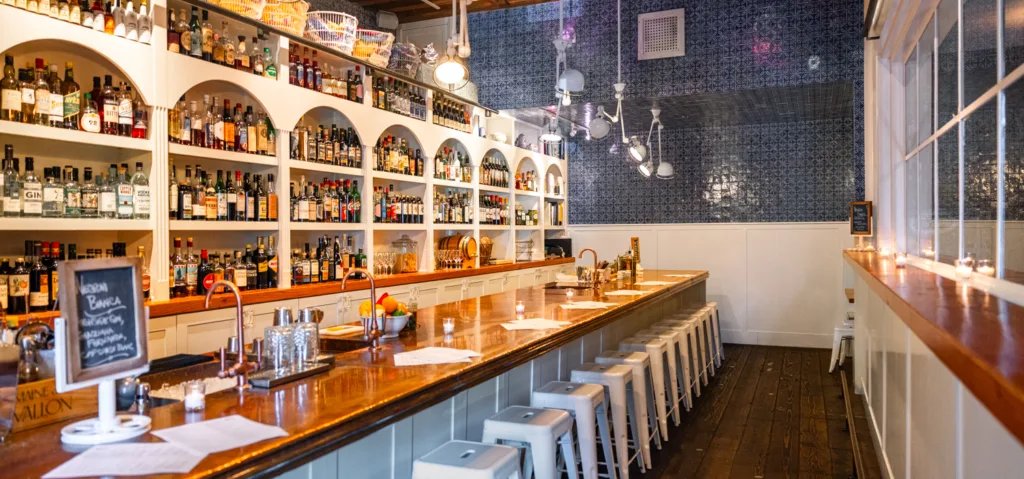
The room is small, about 40 seats, and the pass never feels far away. Whitewashed walls, a marble-topped bar and a coral-inspired chandelier give the space a lightness that the kitchen counters with heat, oil and the cold scrape of shells on ice. It is not a hushed room. It carries the sound of an oyster bar in service: plates landing, glasses lifted, cooks calling just enough to keep the line moving.
Ballard matters here without being turned into scenery. The restaurant sits down a passage off the street, close to the neighborhood’s fishing memory and warehouse grain, yet the room itself reads more like a working kitchen opened to company. Natural light, the open kitchen and the counter keep the guest near the hands. A plate of fried oysters can move from the pass to the marble before the crust softens.
One award, many shells
The Walrus and the Carpenter won the James Beard Foundation Award for Outstanding Restaurant in 2022, an honor attached to this address and to the team that made a narrow seafood bar feel complete. The house does not need a larger frame than that. Erickson’s next gesture here is the same one that made the place legible in the first instance: choosing the day’s shellfish, setting the knives, and letting Hama Hama or Samish Sweets carry the room.
Address
Seattle, Washington, United States
In residence
Similar places
Modern American Fine Dining
Canlis
Seattle, United States
Pacific Northwest Farm-to-Table Tasting
The Herbfarm
Seattle, United States
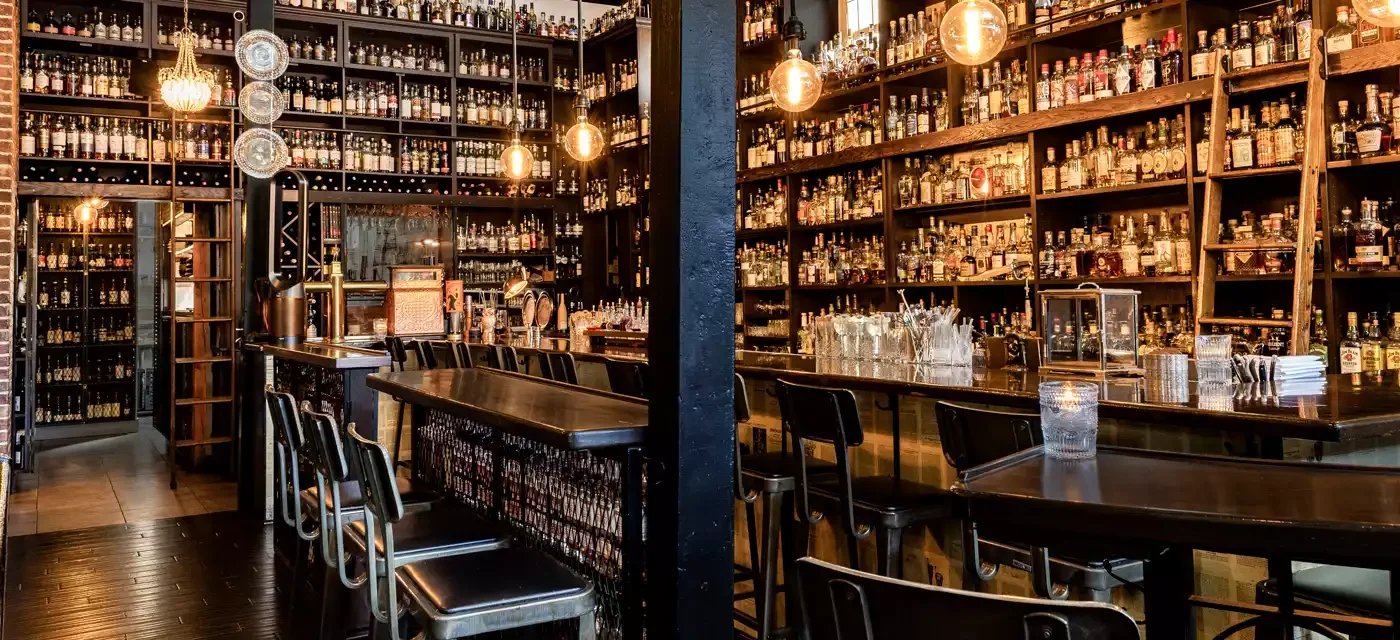
American Small Plates & Cocktails
canon
Seattle, United States
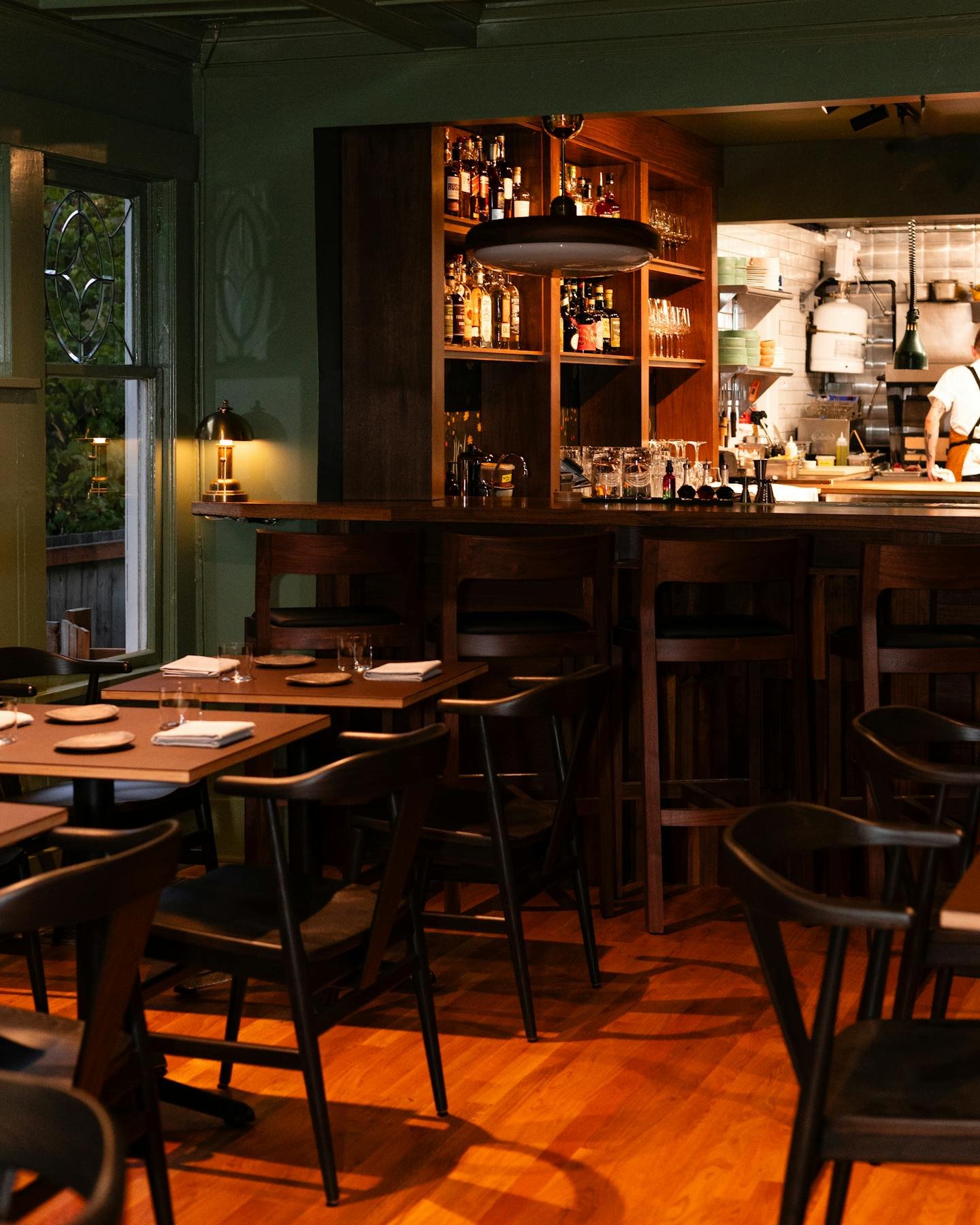
Modern New American
Atoma
Seattle, United States
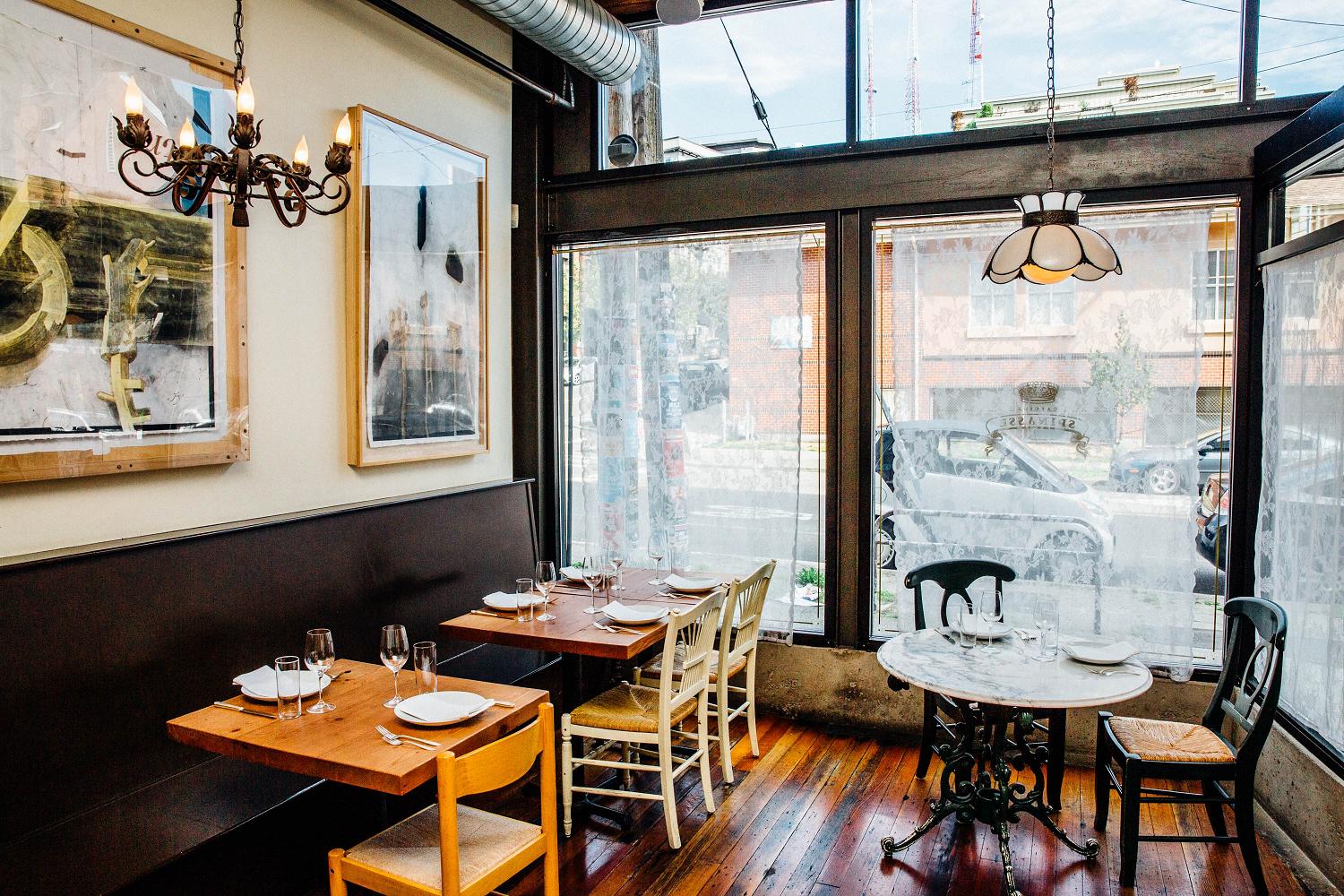
Piedmontese Northern Italian
Spinasse
Seattle, United States
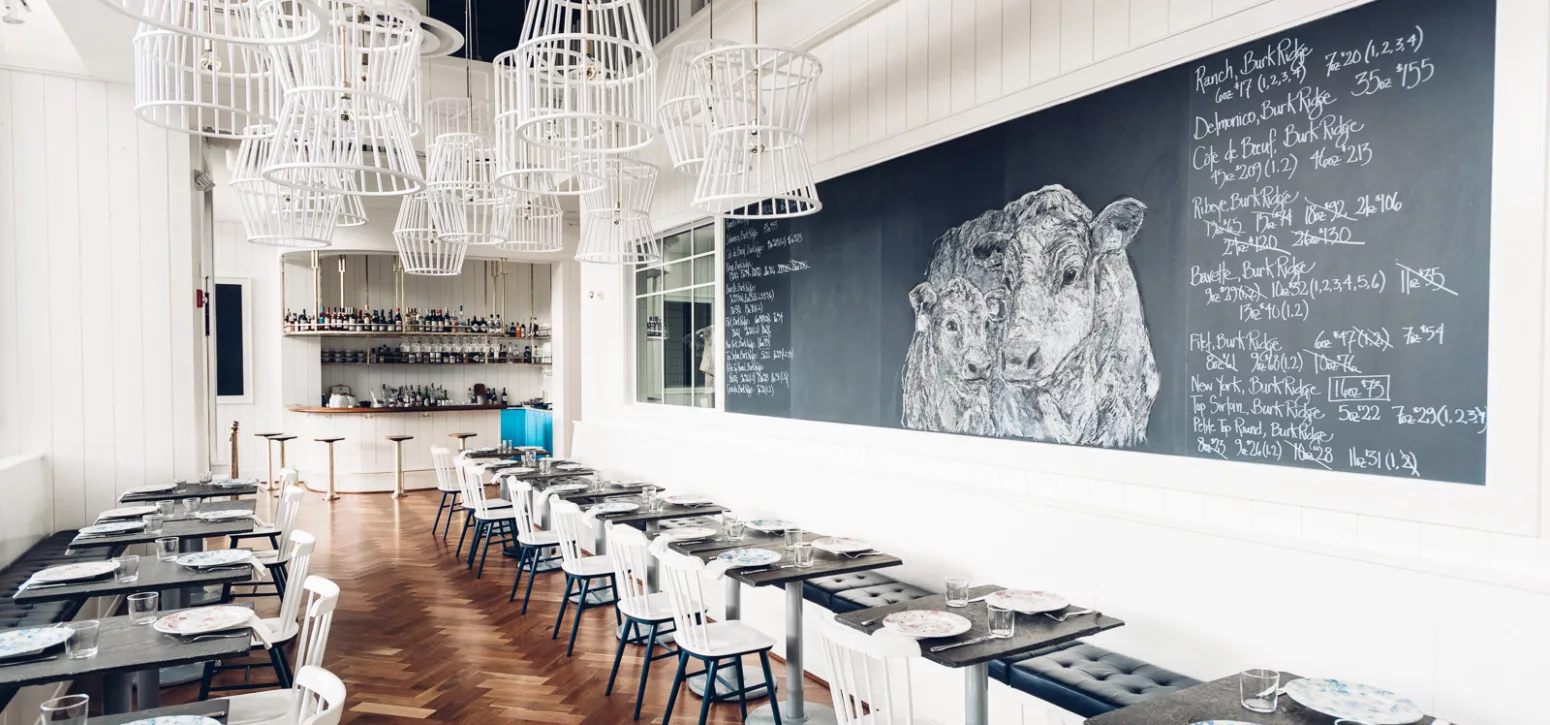
Contemporary Steakhouse
Bateau
Seattle, United States