Chef in Residence
Annegret Reh-Gartner
Winemaker

One of the Mosel's most historically significant estates, Weingut Reichsgraf von Kesselstatt operates from Schlossgut Marienlay in Morscheid and holds a Pearl 3 Star Prestige rating for 2025. The estate's holdings span some of the region's most respected slate-terraced sites, placing it firmly within the upper tier of German Riesling producers. For anyone tracing the Mosel's finest expressions, Kesselstatt is a serious reference point.
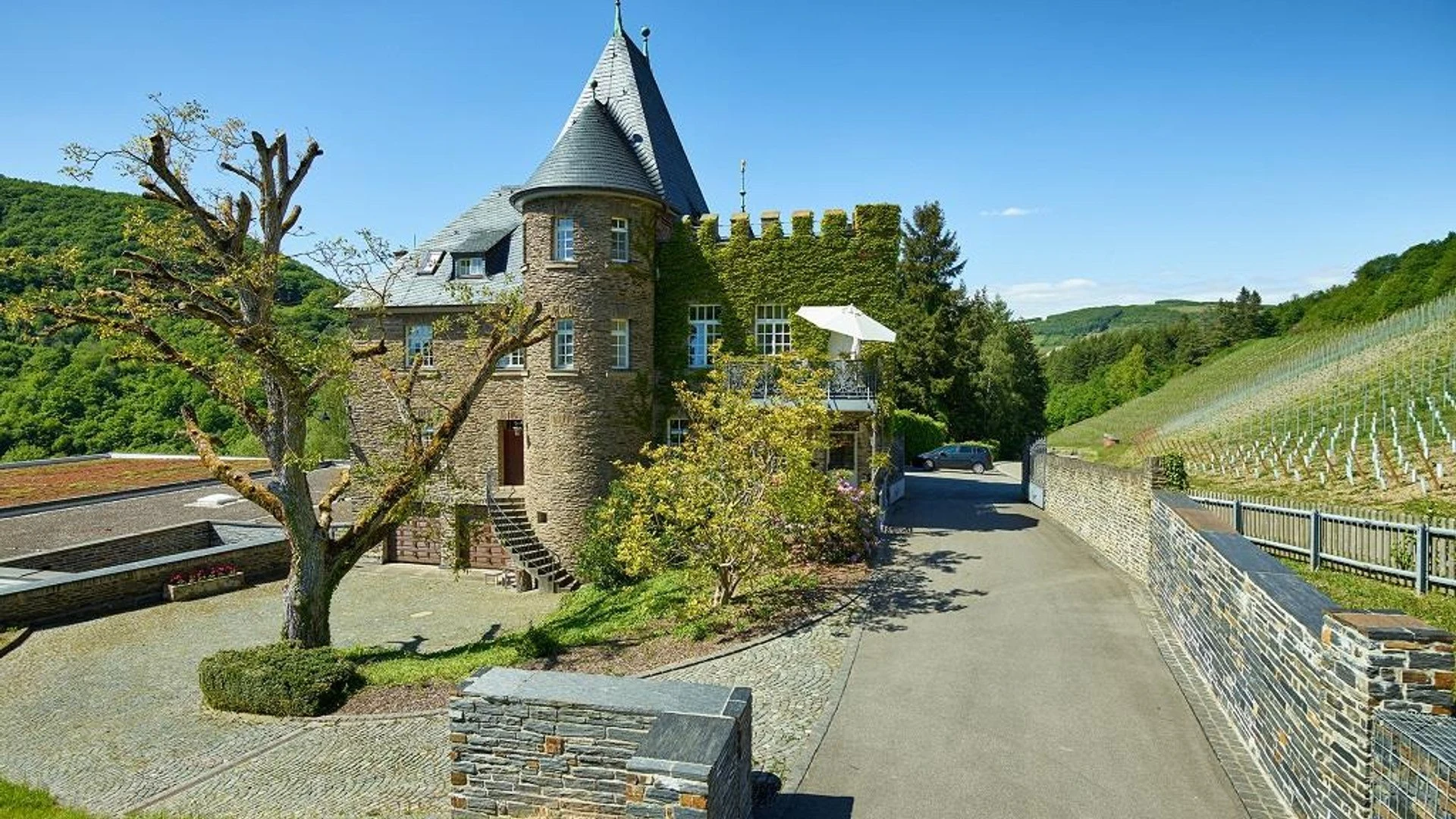
<h2>Slate, River Light, and the Riesling Record at Kesselstatt</h2><p>The drive to Schlossgut Marienlay, the estate base of Weingut Reichsgraf von Kesselstatt outside Trier in the village of Morscheid, gives you the geological context before the first glass arrives. The Moselle valley's looping bends carve through some of Europe's oldest slate formations, and the vineyards that terrace the steepest southern-facing slopes above the river have been producing wine continuously for centuries. This is not a landscape that flatters every producer equally: the same conditions that concentrate Riesling to extraordinary precision also demand obsessive site knowledge and a tolerance for physical difficulty. Kesselstatt, with its 2025 Pearl 3 Star Prestige recognition, sits in the cohort of estates that have earned sustained credibility across those conditions.</p><h2>What Terroir Means on the Mosel at This Level</h2><p>German Riesling's reputation rests almost entirely on the argument that site matters more than almost anything else a winemaker can do. The Mosel makes that case more emphatically than any other German region. Blue Devonian slate absorbs heat during the day and releases it overnight, pushing ripeness into grapes in a climate that would otherwise struggle to achieve it. The river acts as a thermal mirror, bouncing light upward through the canopy from both banks. Steep gradient forces roots deep, stressing the vine and concentrating flavour. These are not abstract talking points: they are the physical reasons why top-site Mosel Riesling develops the taut, mineral-driven tension that distinguishes it from Riesling grown on flatter, more fertile ground.</p><p>Kesselstatt's position in this tradition is backed by one of the largest portfolios of classified vineyard parcels in the Mosel region. The estate holds rights across several of the valley's most respected Grosse Lage sites, including holdings in the Saar and Ruwer tributaries where the slate composition shifts slightly and the resulting wines carry a different tonal register: more austere, more angular in their early years, and built for significant bottle age. Understanding this spread of site access is the clearest way to understand why the estate carries the weight it does in the regional hierarchy.</p><h2>The Estate at Morscheid: Arriving at Schlossgut Marienlay</h2><p>The physical estate at Marienlay sits outside the main tourist flow of Trier's centre, approximately fifteen kilometres to the southeast in the Ruwer valley. That distance is not a drawback. It places the winery closer to several of its most important vineyard holdings and gives the property a working-estate character that is more vineyard-focused than the city's wine tourism infrastructure. Visitors arriving here encounter a property shaped by agricultural function rather than hospitality theatre, which is consistent with the estate's standing as a serious producer rather than a lifestyle brand.</p><p>For those combining a visit with time in Trier itself, the city offers one of Germany's most significant Roman heritage sites alongside a well-established wine culture rooted in centuries of ecclesiastical and aristocratic viticulture. Our full Trier restaurants guide maps the broader food and drink scene for visitors planning more than a single winery stop.</p><h2>Where Kesselstatt Sits in the Regional comparable set</h2><p>The upper tier of Mosel producers forms a relatively small group, and the estates within it are usually distinguished by three factors: classified site access, track record across vintages, and critical recognition from the major German wine guides and international bodies. Kesselstatt's 2025 Pearl 3 Star Prestige award places it alongside producers who have demonstrated consistency rather than occasional brilliance, which is the harder standard to meet across a region where vintage variation is pronounced.</p><p>Comparison estates that operate at a similar level of seriousness in the broader German Riesling conversation include <a href="https://www.enprimeurclub.com/wineries/weingut-fritz-haag-brauneberg-winery">Weingut Fritz Haag in Brauneberg</a> and <a href="https://www.enprimeurclub.com/wineries/weingut-grans-fassian-leiwen-winery">Weingut Grans-Fassian in Leiwen</a>, both working with Mosel slate sites and earning sustained recognition. Further along the Mosel's lower reaches, <a href="https://www.enprimeurclub.com/wineries/weingut-heymann-lowenstein-winningen-winery">Weingut Heymann-Löwenstein in Winningen</a> and <a href="https://www.enprimeurclub.com/wineries/weingut-clemens-busch-punderich-winery">Weingut Clemens Busch in Pünderich</a> represent a more recent critical wave working with similar steep-slate principles. The Rheingau and Pfalz offer parallel conversations: <a href="https://www.enprimeurclub.com/wineries/weingut-georg-breuer-rudesheim-am-rhein-winery">Weingut Georg Breuer in Rüdesheim</a> and <a href="https://www.enprimeurclub.com/wineries/weingut-dr-burklin-wolf-wachenheim-an-der-weinstrasse-winery">Weingut Dr. Bürklin-Wolf in Wachenheim</a> operate at comparable prestige levels in their respective regions, as does <a href="https://www.enprimeurclub.com/wineries/weingut-a-christmann-neustadt-an-der-weinstrasse-winery">Weingut A. Christmann in Neustadt an der Weinstraße</a>. Collectively, these estates define what German Riesling's upper bracket looks like across different soil and climate profiles.</p><p>For historical scale and ecclesiastical heritage in German wine, <a href="https://www.enprimeurclub.com/wineries/kloster-eberbach-eltville-winery">Kloster Eberbach in Eltville</a> offers an instructive comparison: an estate where centuries of monastic viticulture created a site-classification tradition that preceded the modern VDP system by several hundred years. Kesselstatt's own aristocratic lineage places it in a similar historical bracket, even as the operational context has evolved.</p><p>Other German estates worth knowing in this tier include <a href="https://www.enprimeurclub.com/wineries/weingut-allendorf-oestrich-winkel-winery">Weingut Allendorf in Oestrich-Winkel</a>, <a href="https://www.enprimeurclub.com/wineries/weingut-bassermann-jordan-deidesheim-winery">Weingut Bassermann-Jordan in Deidesheim</a>, <a href="https://www.enprimeurclub.com/wineries/weingut-battenfeld-spanier-hohen-sulzen-winery">Weingut Battenfeld-Spanier in Hohen-Sülzen</a>, and <a href="https://www.enprimeurclub.com/wineries/weingut-burgerspital-zum-heiligen-geist-wurzburg-winery">Weingut Bürgerspital zum Heiligen Geist in Würzburg</a>, the latter operating under a charitable foundation model that places its vineyards among Franconia's most historically significant holdings.</p><h2>Planning a Visit</h2><p>Weingut Reichsgraf von Kesselstatt is based at Schlossgut Marienlay, 54317 Morscheid, outside Trier. Visits are recommended by appointment.</p>
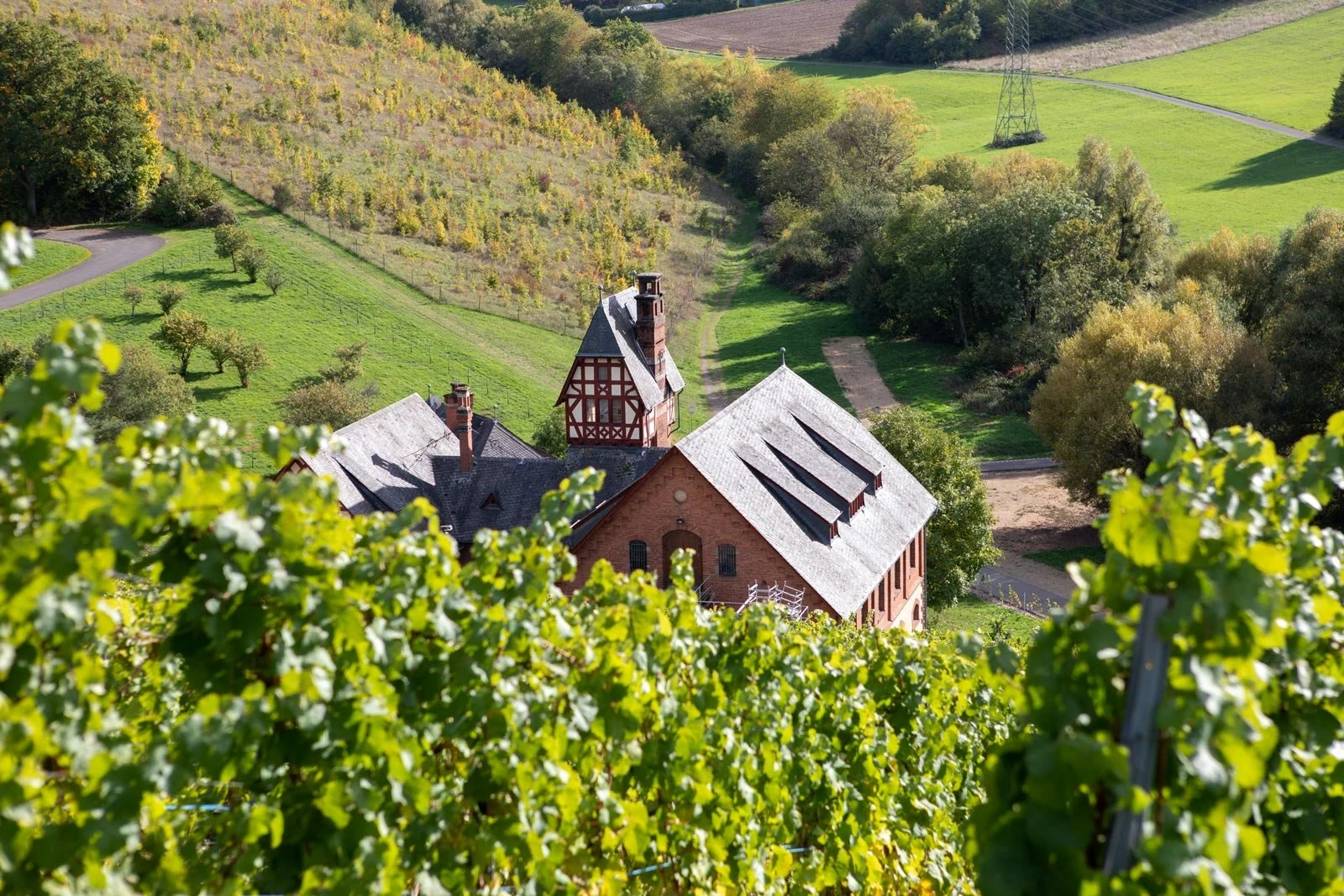
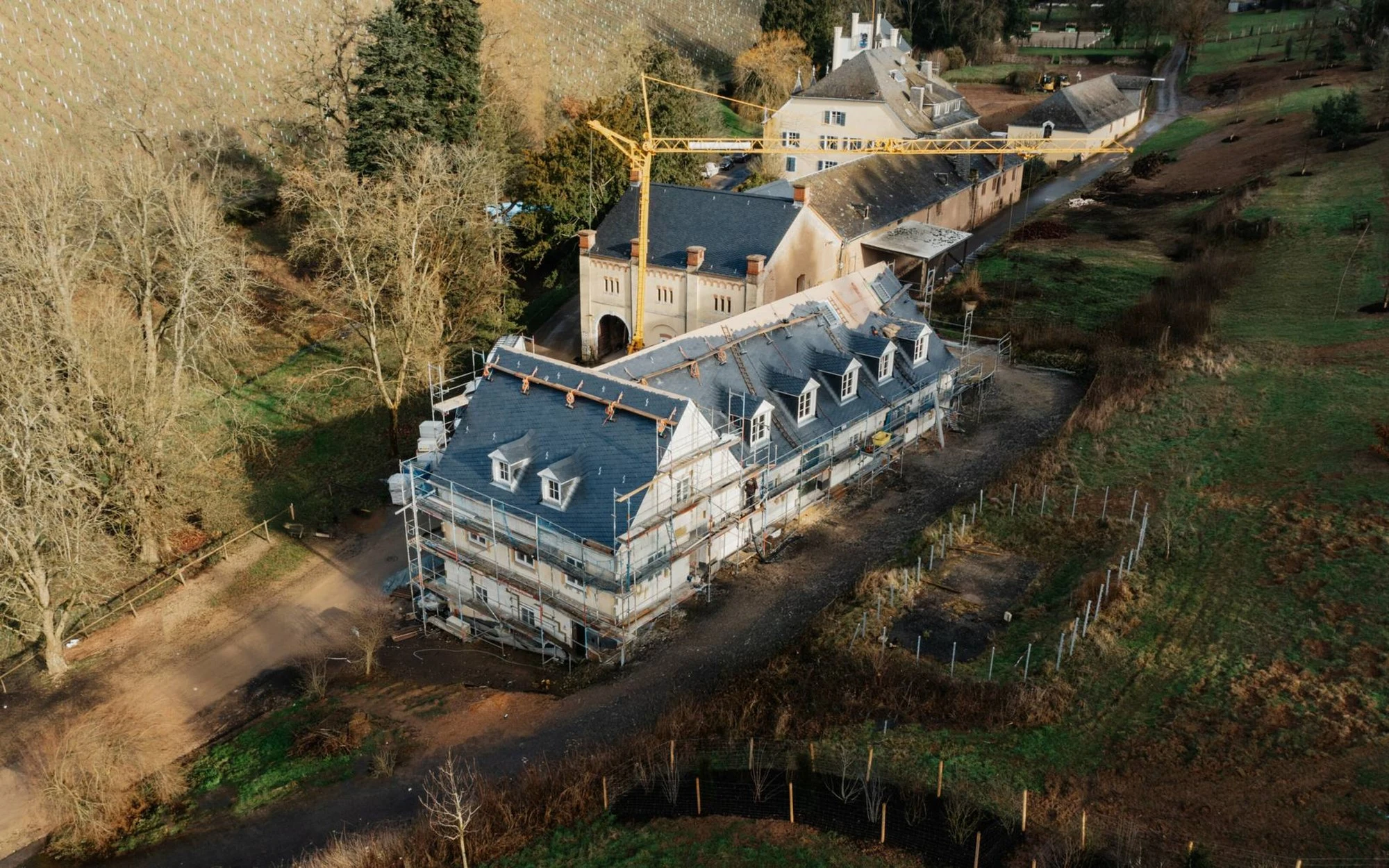
The estate sits at Schlossgut Marienlay in Morscheid, roughly fifteen kilometres southeast of Trier's centre in the Ruwer valley, well outside the city's tourist circuit. The setting is agricultural and serious rather than designed for hospitality theatre — this is a working wine estate with a long production history, and the atmosphere reflects that. Visitors should approach it as an encounter with a Pearl 3 Star Prestige producer (2025), not a tasting room built around retail.
Weingut Reichsgraf von Kesselstatt is located at Weingut Reichsgraf von Kesselstatt Schlossgut Marienlay, 54317 Morscheid, Trier.
Weingut Reichsgraf von Kesselstatt has received recognition including: Pearl 3 Star Prestige (2025).
Kesselstatt's reputation is built on Rieslings from classified Mosel sites, where slate soils shape the minerality and acid structure that define the region's benchmark style. The estate holds holdings across some of the Mosel's most documented grand cru parcels, so single-vineyard bottlings from those sites are the clearest expression of what a Pearl 3 Star Prestige (2025) producer at this level is doing. Specific current releases are best confirmed directly with the estate, as vintage availability changes annually.
Few German estates combine the breadth of classified-site holdings with the kind of sustained recognition that earns a Pearl 3 Star Prestige rating in 2025. The location at Schlossgut Marienlay in Morscheid also places visitors inside the Ruwer sub-region, which produces a distinct, more restrained style of Mosel Riesling that rarely gets the attention of the main river's famous slopes. For anyone serious about German Riesling's range, that contrast alone justifies the detour from Trier.
The estate does not list public booking details, phone numbers, or a website in current available records, so direct contact via written enquiry to Schlossgut Marienlay, 54317 Morscheid is the documented route. Arriving without prior arrangement at a Pearl 3 Star Prestige estate is not advisable — producers at this level typically require appointments for tastings. Contacting the estate in advance, or reaching out through a specialist German wine importer, is the practical approach.
Weingut Reichsgraf von Kesselstatt Schlossgut Marienlay, 54317 Morscheid
Trier
Weingut Reichsgraf von Kesselstatt