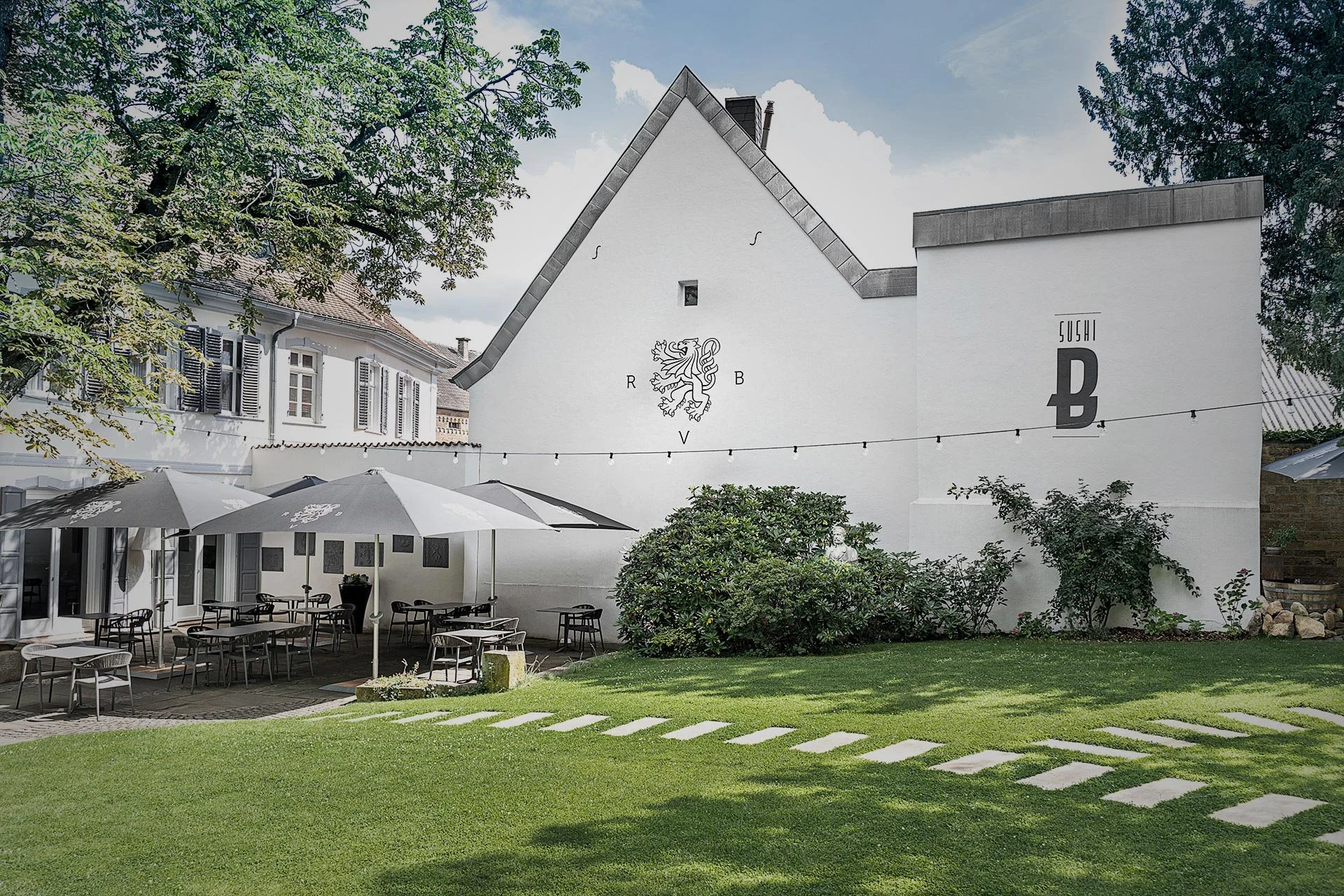
Weingut Reichsrat von Buhl is one of the Pfalz's most historically significant estates, producing Riesling from premier vineyards along the Deutsche Weinstraße in Deidesheim. The estate earned a Pearl 3 Star Prestige rating in 2025, placing it among Germany's most closely watched producers. Visitors to Weinstraße 18 encounter a winery whose reputation rests on site-specific viticulture and decades of documented vineyard identity.
<h2>Deidesheim and the Weight of Pfalz Riesling</h2><p>The village of Deidesheim sits along the Deutsche Weinstraße at the point where the Haardt Mountains shelter the vineyards from westerly weather, producing one of Germany's warmest and driest wine-growing corridors. That geography has shaped a regional style: Pfalz Rieslings tend toward riper fruit expression and fuller body than their Mosel counterparts, yet the leading sites retain the mineral tension that separates site-specific bottles from mere regional pleasers. Within that corridor, a small cluster of estates in and around Deidesheim has historically set the ceiling for what Pfalz Riesling can achieve. Weingut Reichsrat von Buhl, addressed at Weinstraße 18, belongs to that cluster and has done so for well over a century.</p><p>The estate's 2025 Pearl 3 Star Prestige award places it among the region's recognized producers. For Germany specifically, that level of recognition puts von Buhl in conversation with estates such as <a href="https://www.enprimeurclub.com/wineries/weingut-bassermann-jordan-deidesheim-winery">Weingut Bassermann-Jordan</a> and <a href="https://www.enprimeurclub.com/wineries/weingut-von-winning-deidesheim-winery">Weingut Von Winning</a>, both of which operate from Deidesheim and share access to some of the same grand cru-equivalent Grosse Lage sites. The concentration of prestige-tier estates in a single village is rare in German wine geography and reflects how much the local terroir has been valued, traded, and debated across generations.</p><h2>The Riesling Tradition This Estate Represents</h2><p>Pfalz Riesling as a category divides along stylistic lines that matter when choosing a bottle. The old orthodoxy favored richly textured, sometimes residually sweet expressions. A competing school, increasingly dominant among younger producers and international buyers, pulls toward drier, more mineral-driven interpretations that age differently and pair more flexibly with food. Von Buhl has historically been associated with the latter tendency, with GG (Grosses Gewächs) bottlings from named vineyards representing the estate's clearest argument for dry, site-expressive Riesling.</p><p>The Grosses Gewächs classification, introduced by the VDP growers' association, functions as Germany's closest equivalent to Burgundy's premier and grand cru hierarchy. Estates must hold classified vineyard holdings and submit wines to blind tasting panels to retain VDP membership and the right to label wines accordingly. For a buyer approaching von Buhl without prior knowledge, that classification framework provides a reliable orientation: the single-vineyard GG wines are the estate's most site-specific expressions, and they carry a production discipline backed by external verification rather than producer self-description.</p><p>Germany's broader Riesling landscape has seen growing international interest over the past decade, as buyers who came through Burgundy or the Rhône began recognizing structural parallels in how German estates treat vineyard parcels. That shift in buyer profile has pulled allocation pressure upward at the top tier, affecting not just von Buhl but peers across the region. Estates like <a href="https://www.enprimeurclub.com/wineries/weingut-dr-burklin-wolf-wachenheim-an-der-weinstrasse-winery">Weingut Dr. Bürklin-Wolf in Wachenheim an der Weinstraße</a> and <a href="https://www.enprimeurclub.com/wineries/weingut-a-christmann-neustadt-an-der-weinstrasse-winery">Weingut A. Christmann in Neustadt an der Weinstraße</a> operate under the same structural pressures, and collectively these producers have raised the floor for what serious Pfalz Riesling looks like on a retail shelf or restaurant list.</p><h2>Vineyard Identity Over Brand Identity</h2><p>One of the defining characteristics of prestige German wine estates is that vineyard provenance carries more weight than winery branding in the way critics and collectors discuss individual bottles. A von Buhl GG from Forster Kirchenstück communicates a specific provenance that has a documented track record predating the current ownership by generations. That provenance-first logic is what separates estates at this tier from volume-driven regional producers. It also explains why visitors to Deidesheim who approach wine seriously tend to be as interested in walking the vineyards as in tasting the wines themselves: the landscape is the argument.</p><p>This provenance emphasis connects von Buhl to a broader pattern visible across Germany's leading appellations. <a href="https://www.enprimeurclub.com/wineries/kloster-eberbach-eltville-winery">Kloster Eberbach in Eltville</a> in the Rheingau operates on a similar logic, where centuries of documented vineyard history do as much to justify a wine's position as any single vintage's tasting notes. Across the Mosel, estates like <a href="https://www.enprimeurclub.com/wineries/weingut-fritz-haag-brauneberg-winery">Weingut Fritz Haag in Brauneberg</a> and <a href="https://www.enprimeurclub.com/wineries/weingut-clemens-busch-punderich-winery">Weingut Clemens Busch in Pünderich</a> trade on precisely that kind of site-specific credibility. The Pfalz iteration, represented by von Buhl and its Deidesheim neighbors, has the additional advantage of a warmer climate that makes riper, food-friendly dry whites more reliably achievable than in the Mosel's more marginal sites.</p><h2>Where Von Buhl Sits in the German Wine Tier</h2><p>German wine pricing and prestige sorting has grown more legible over the past decade as VDP classifications became better understood by international buyers. At the entry level, gutsriesling and ortswein bottlings offer regional character at accessible prices. Village and Erste Lage wines occupy a middle tier, where site influence becomes more apparent. GG wines from classified Grosse Lage vineyards sit at the leading, priced to reflect both production discipline and allocation scarcity.</p><p>Von Buhl's Pearl 3 Star Prestige recognition in 2025 signals operation at the top of that hierarchy, consistent with an estate that holds classified vineyard parcels and produces wines that critics and collectors track across vintages. For comparison within the broader German context, similar prestige designations apply to estates as varied as <a href="https://www.enprimeurclub.com/wineries/weingut-georg-breuer-rudesheim-am-rhein-winery">Weingut Georg Breuer in Rüdesheim am Rhein</a> and <a href="https://www.enprimeurclub.com/wineries/weingut-battenfeld-spanier-hohen-sulzen-winery">Weingut Battenfeld-Spanier in Hohen-Sülzen</a>, each representing distinct regional expressions but operating under the same quality-verification logic.</p><p>Outside Germany, the prestige winery model that von Buhl most closely mirrors is the Burgundy domaine: small holdings, named parcels, vintage variation as information rather than inconsistency, and a buyer relationship built on allocation rather than retail availability. <a href="https://www.enprimeurclub.com/wineries/accendo-cellars">Accendo Cellars in St. Helena</a> in Napa and <a href="https://www.enprimeurclub.com/wineries/weingut-burgerspital-zum-heiligen-geist-wurzburg-winery">Weingut Bürgerspital zum Heiligen Geist in Würzburg</a> represent different national expressions of the same underlying model: scarcity, site specificity, and a production philosophy that prioritizes vineyard transparency over stylistic uniformity.</p><h2>Planning a Visit to Weinstraße 18</h2><p>Deidesheim is compact enough to cover on foot, and the concentration of prestige estates along the Weinstraße makes it practical to visit two or three in a single day. Von Buhl's address at Weinstraße 18 places it centrally within this cluster. For visitors traveling from Neustadt an der Weinstraße or Mannheim, the village is reachable by regional train with a short transfer. Those arriving by car from Frankfurt or Stuttgart will find the A65 autobahn the most direct route into the village.</p><p>Visitors should contact the winery directly before planning a tasting visit, particularly for access to cellar or vineyard tours. The 2025 Pearl 3 Star Prestige recognition suggests this is an estate where advance planning is worthwhile.</p><p>Wine travelers spending more than a day in the region might extend their itinerary south to include <a href="https://www.enprimeurclub.com/wineries/weingut-allendorf-oestrich-winkel-winery">Weingut Allendorf in Oestrich-Winkel</a> or north along the Mosel to <a href="https://www.enprimeurclub.com/wineries/weingut-grans-fassian-leiwen-winery">Weingut Grans-Fassian in Leiwen</a>, both of which operate in the same premium German wine tier and offer contrasting regional perspectives on what the country's white wine tradition looks like when practiced at a serious level. For those whose interest runs beyond wine entirely, <a href="https://www.enprimeurclub.com/wineries/aberlour-aberlour-winery">Aberlour in Aberlour</a> provides a useful study in how a very different prestige beverage category, Scottish single malt, manages heritage, site provenance, and allocation pressure in ways that parallel the German wine model more closely than most buyers expect.</p>
Weingut Reichsrat von Buhl has received recognition including: Pearl 3 Star Prestige (2025).
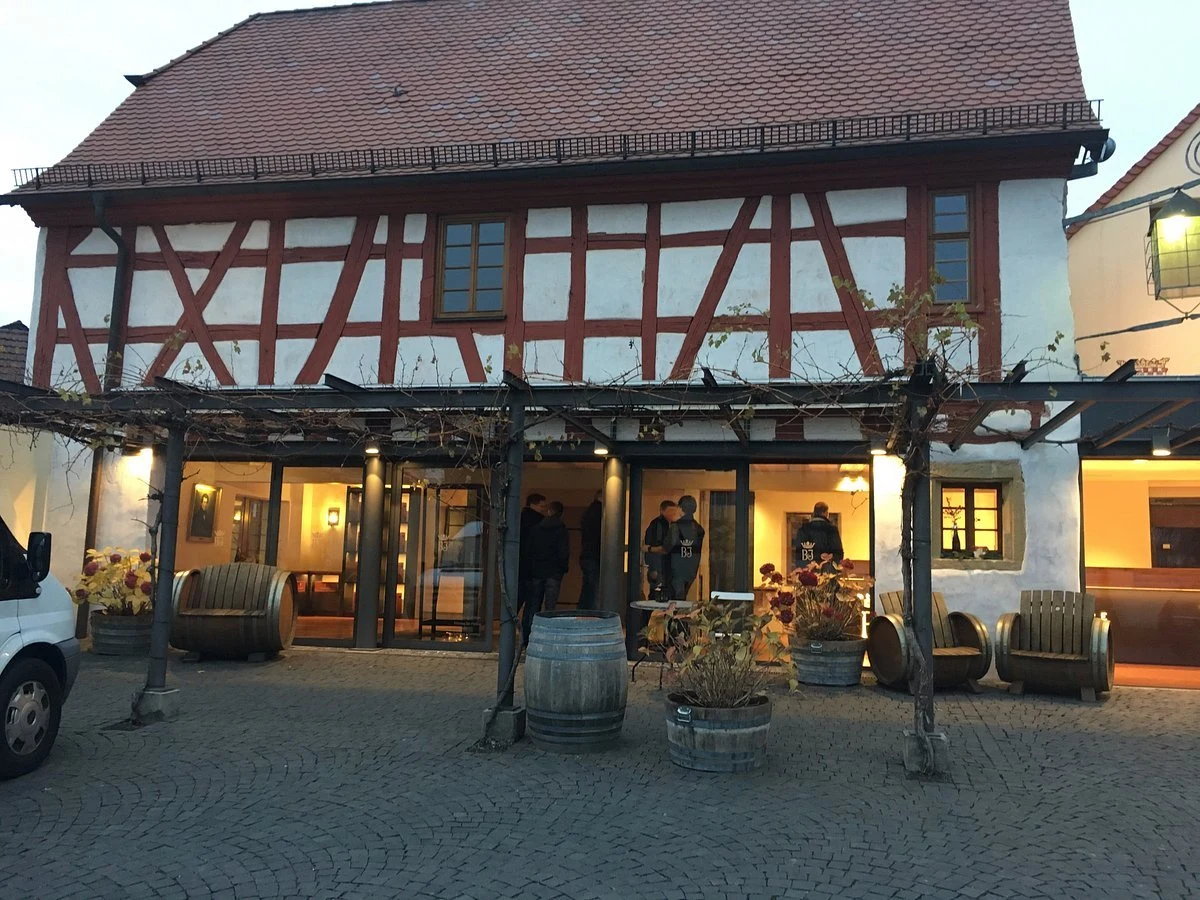
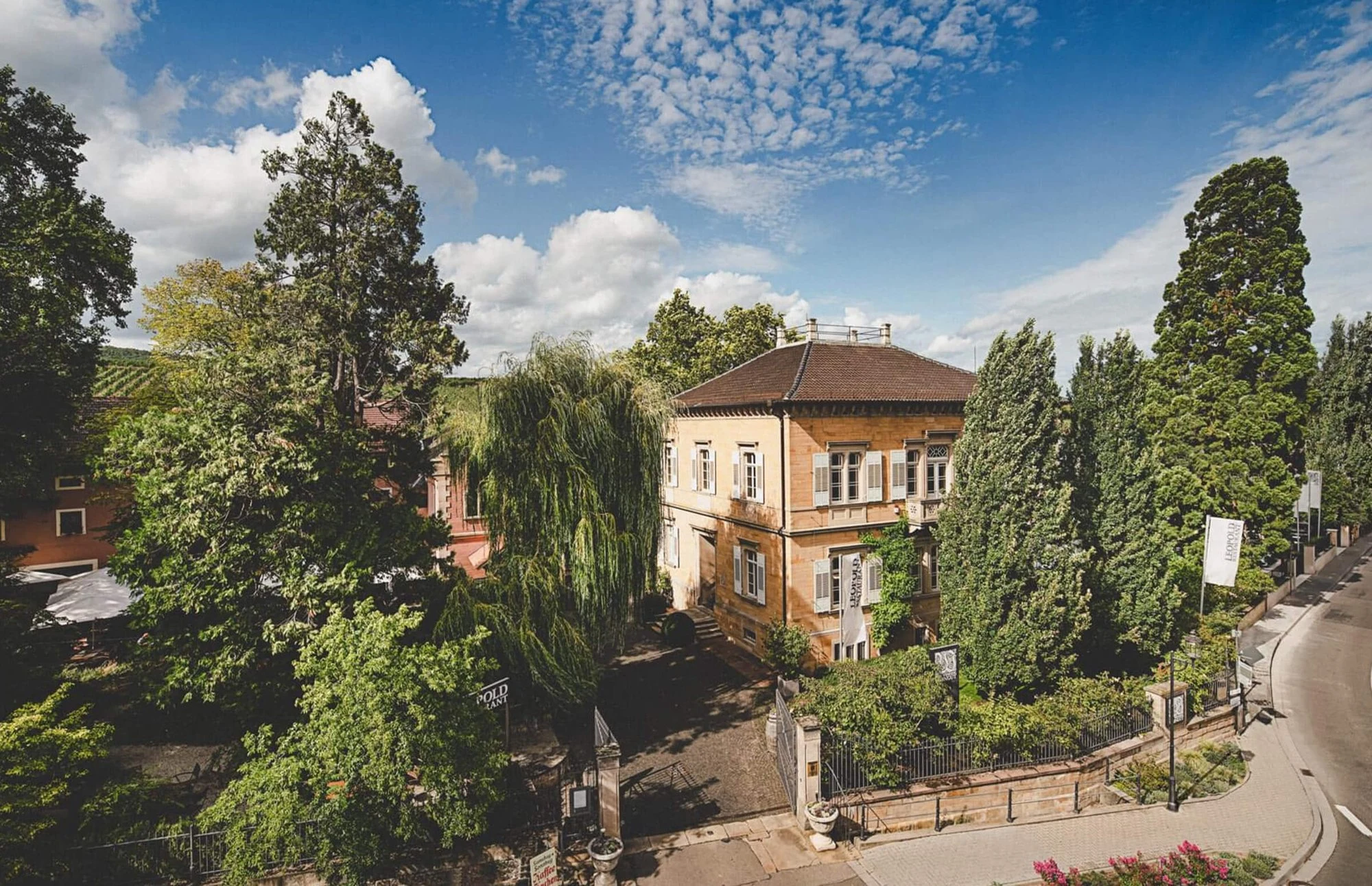
Weingut Reichsrat von Buhl is located at Weinstraße 18, 67146 Deidesheim, Deidesheim.
Von Buhl's identity is built on single-vineyard Pfalz Rieslings sourced from the Haardt Mountain foothills around Deidesheim, where site expression drives the wine's character more than house style. The estate holds Pearl 3 Star Prestige recognition for 2025, placing its top cuvées in the upper tier of German classification. Specific current releases should be confirmed directly with the estate at Weinstraße 18.
The estate's principal draw is its position within Deidesheim's concentration of prestige producers along the Deutsche Weinstraße, where vineyard provenance rather than brand marketing defines reputation. Von Buhl's Pearl 3 Star Prestige award (2025) signals it operates at the benchmark level for the region. For visitors, the address at Weinstraße 18 places it within walking distance of the village's other notable estates.
Deidesheim's prestige estates attract serious wine travellers, particularly during the Pfalz harvest season in autumn, when availability at well-regarded producers tightens. For tasting appointments at a Pearl 3 Star Prestige estate like von Buhl, contacting several weeks in advance is a practical baseline outside peak season. Harvest period visits warrant earlier planning.
The Pearl 3 Star Prestige designation (2025) places von Buhl among the most formally recognised producers in the Pfalz, a region where the VDP classification system has made estate-level quality rankings increasingly legible to international buyers over the past decade. Deidesheim itself hosts several of the Pfalz's highest-rated estates, meaning von Buhl operates in a concentrated peer group rather than in isolation. That cluster of prestige producers along Weinstraße is part of what gives the village its weight in German wine commerce.
Von Buhl suits travellers who want to engage with Germany's VDP Riesling tier at a documented prestige level, awarded Pearl 3 Star Prestige in 2025, rather than through retail alone. Deidesheim's compact layout makes it practical to pair a visit here with two or three neighbouring estates on the same day. It also works for buyers seeking to understand how Pfalz vineyard classification differs from Mosel or Rheingau benchmarks.
Weinstraße 18, 67146 Deidesheim
Deidesheim