Made ByRestaurant
Wiesner Mysterion
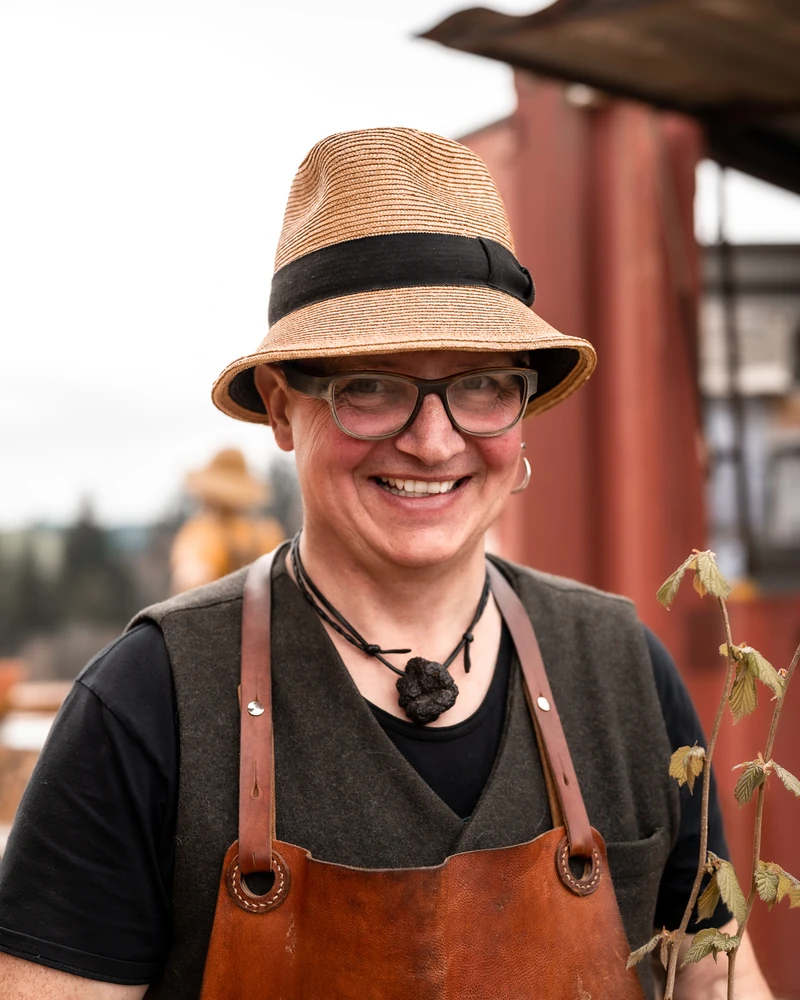
Chef in Residence
Stefan Wiesner
Chef
- 01CuisineModern Alpine
- 02CityBramboden, Switzerland
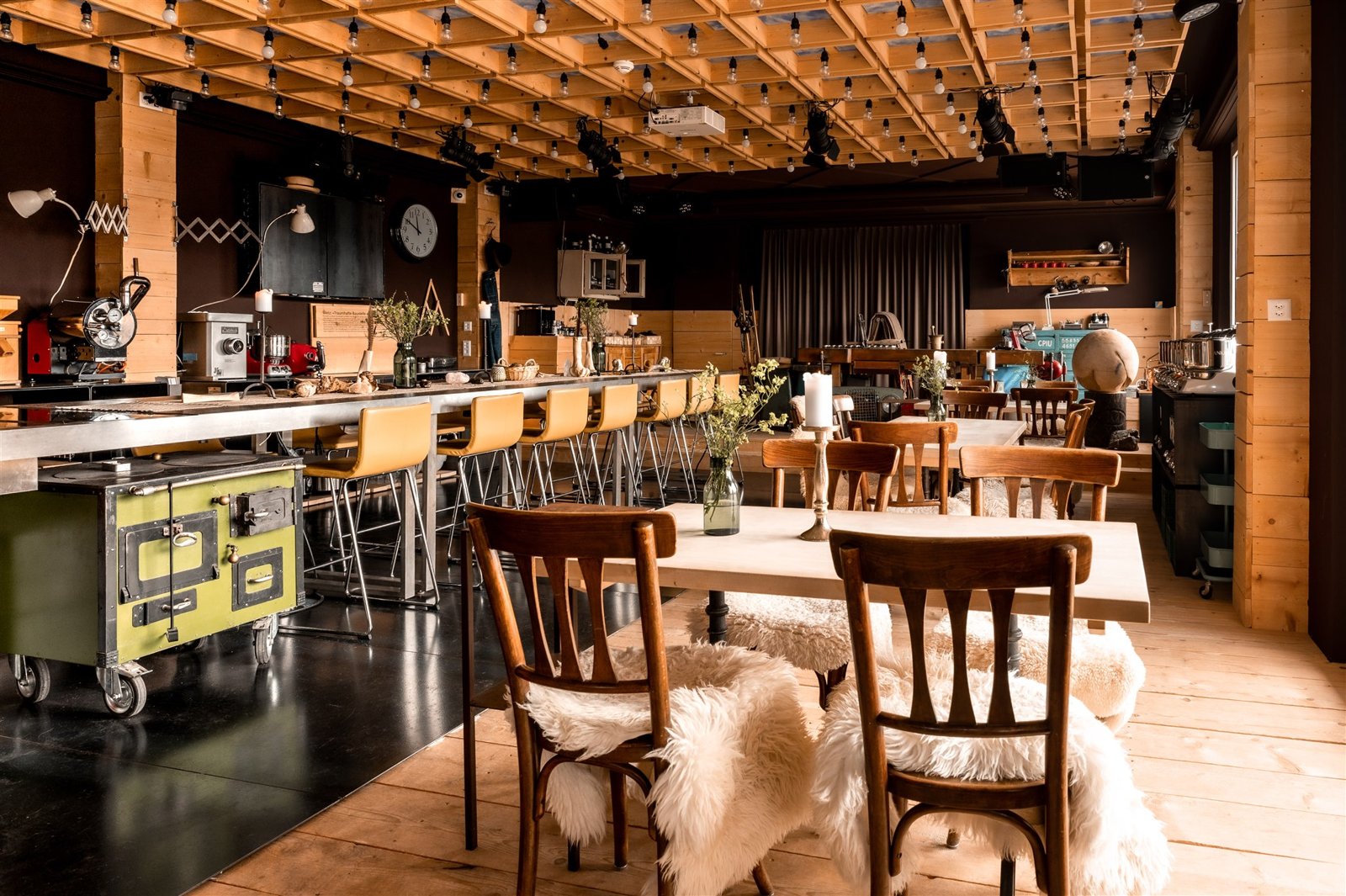
Stefan Wiesner is chef at Wiesner Mysterion in Bramboden, cooking with fire, smoke, and Entlebuch materials as well.
At a glance
- Cuisine
- Modern Alpine
Fire before the pass
The cooking starts with fire, embers, and smoke, not induction. Stefan Wiesner, chef at Wiesner Mysterion in Bramboden, works from that heat as a discipline rather than an effect. His vocabulary was formed long before this house, in a classical apprenticeship at Hotel Château Gütsch in Lucerne and then at the family restaurant he took over in 1989 at age 27. For more than 20 years in the Entlebuch, he has pressed local woods, stones, soil, charcoal, wild plants, mushrooms, lichens, and animal cuts into the grammar of a kitchen. At Wiesner Mysterion, that grammar has more room around it. The restaurant sits in Romoos, within the UNESCO Biosphere Entlebuch, at over 1053 meters above sea level, with the kitchen, hotel rooms, seminar room, terrace, and self-service counter gathered into one working house. The public nickname, the Sorcerer of Entlebuch, can make the method sound theatrical. The bench-side reality is more severe: take what the landscape gives, process it carefully, and let the plate carry the trace of the forest, the field, the animal, the smoke.
Nine courses from the landscape
The house’s signature menu, Wiesner-Zauber, moves through 9 courses and can be cooked in a vegetarian version, with or without fish. Its sibling, Werkstatt-Kost, is a set menu of 4 courses, a name that suits the place because the kitchen behaves less like a sealed dining room than a working station. Wiesner’s natural cuisine follows local and seasonal material, with nose-to-tail and leaf-to-root thinking stated plainly in the program. Hay soup, deer sausage, the cheese plate, and the house’s natural crockery belong to that same method, where vessel and ingredient can come from the same region of thought as well as the same valley. The drinks program keeps to the register: alcohol-free pairings made in house, and a local beer brewed to the restaurant’s recipe using hay. The 2025 MICHELIN Guide Switzerland gives one star to Wiesner Mysterion, and also recognizes Werkstatt-Kost. Gault Millau gives the house 17 points, and the Gilde marks it with 3 crowns.
The room above Romoos
The room has countryside calm without turning rusticity into decoration. Outside, the terrace opens toward the Entlebuch, and the air changes the pace of the meal before the first course arrives. Inside, the pass keeps the work close enough to feel the sequence: smoke, broth, cut, vessel, plate. The house can receive hikers at the self-restaurant and still hold the longer rhythm of Wiesner-Zauber; both belong to the same address, not as contradiction but as scale. There is also a forge on site, where Wiesner’s son Jo makes knives, which gives the dining room an unusual nearness to its tools. The hand is not a metaphor here. It has an edge.
What remains in the hand
Wiesner Mysterion also teaches some of its method through courses in sausage making, cooking on a Feuerring, and foraging for wild plants, mushrooms, and lichens. That matters because the kitchen’s alchemy is not detached from use; it asks guests to see the material before it becomes a course. The next work to notice may be away from this mountain house, as Wiesner plans to helm Haus Klar at the Heiligkreuz wellness hotel, but the present tense still belongs to Brambode 6 and the hay beer poured at Wiesner Mysterion.
Address
Hauptstrasse 111, Bramboden, Bramboden, Switzerland
In residence
Similar places
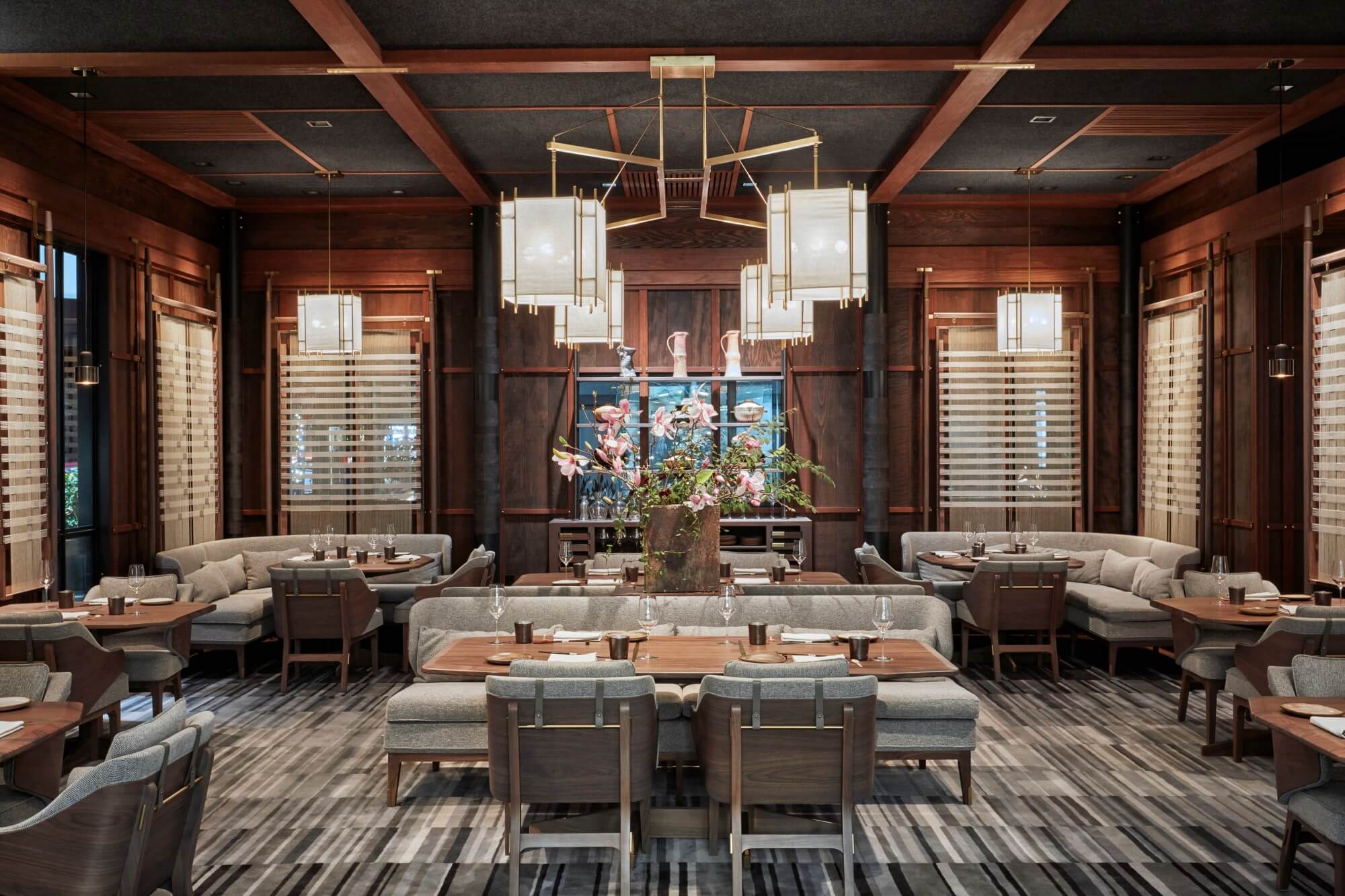
Japanese-influenced Californian Kaiseki
Single Thread Farm
Healdsburg, United States
★★★ · 50 Best
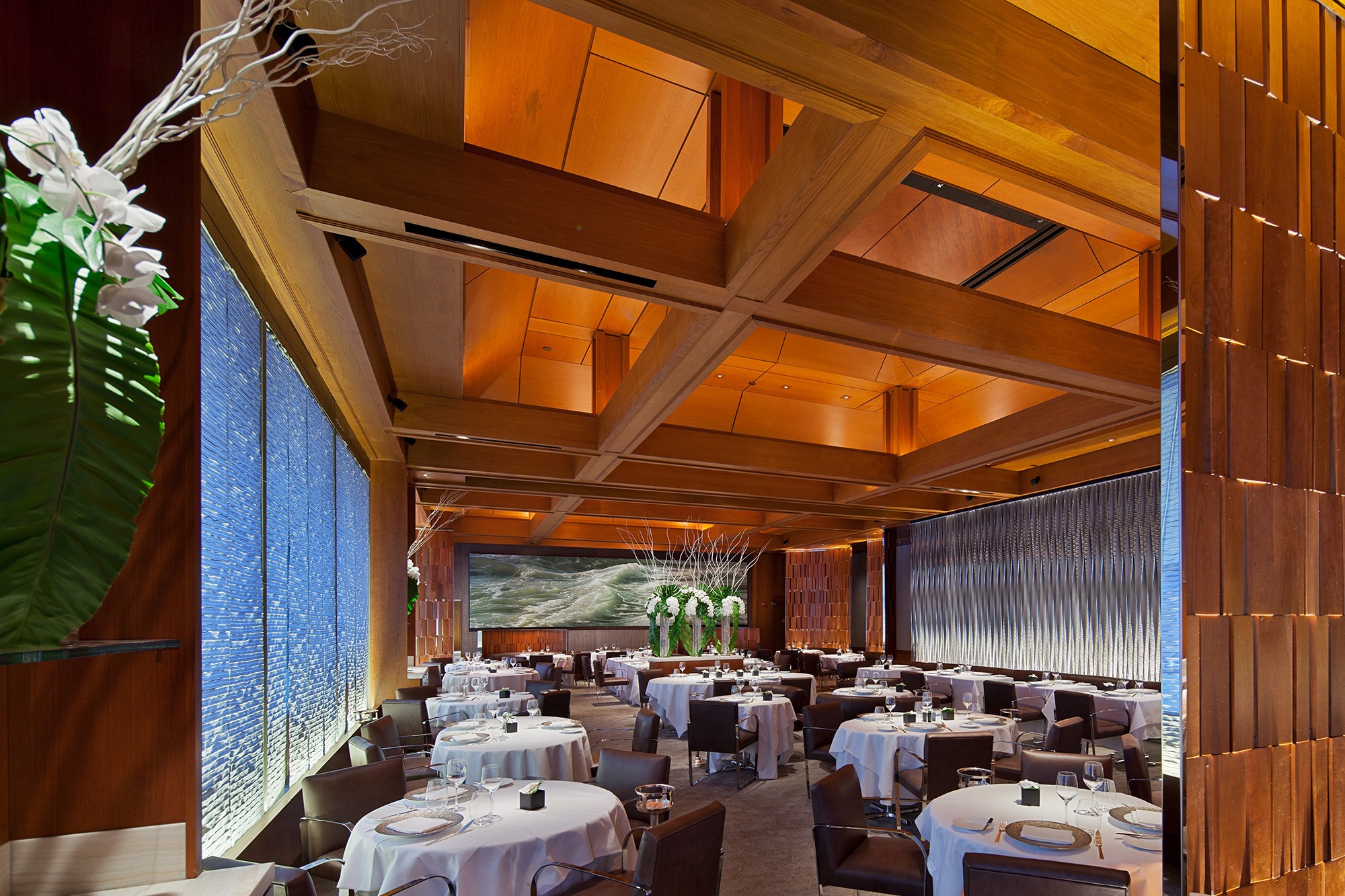
French Seafood Fine Dining
Le Bernardin
New York City, United States
★★★ · 50 Best
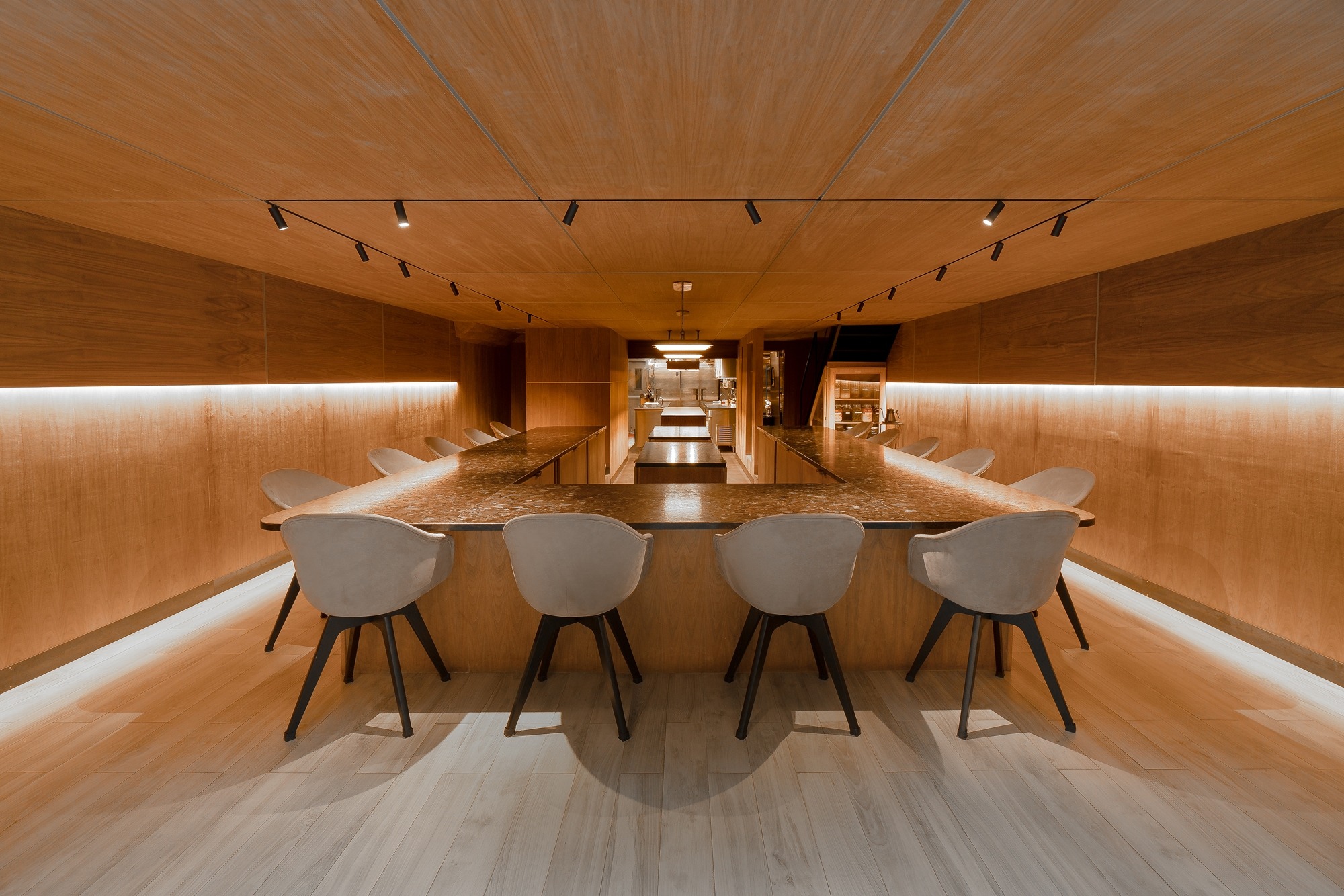
Modern Korean Tasting Menu
Atomix
New York City, United States
★★ · 50 Best
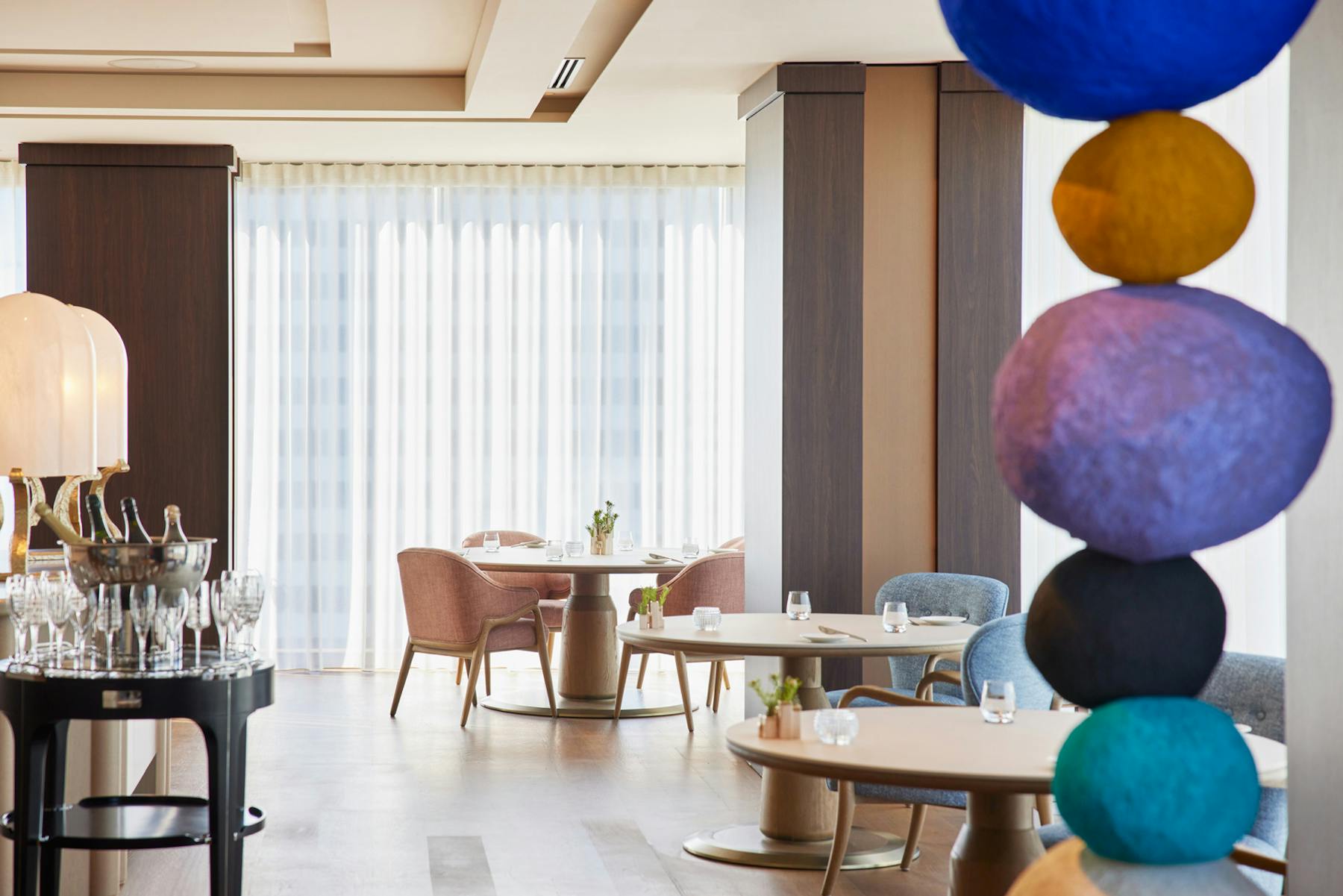
French
Sézanne
Tokyo, Japan
★★★ · 50 Best
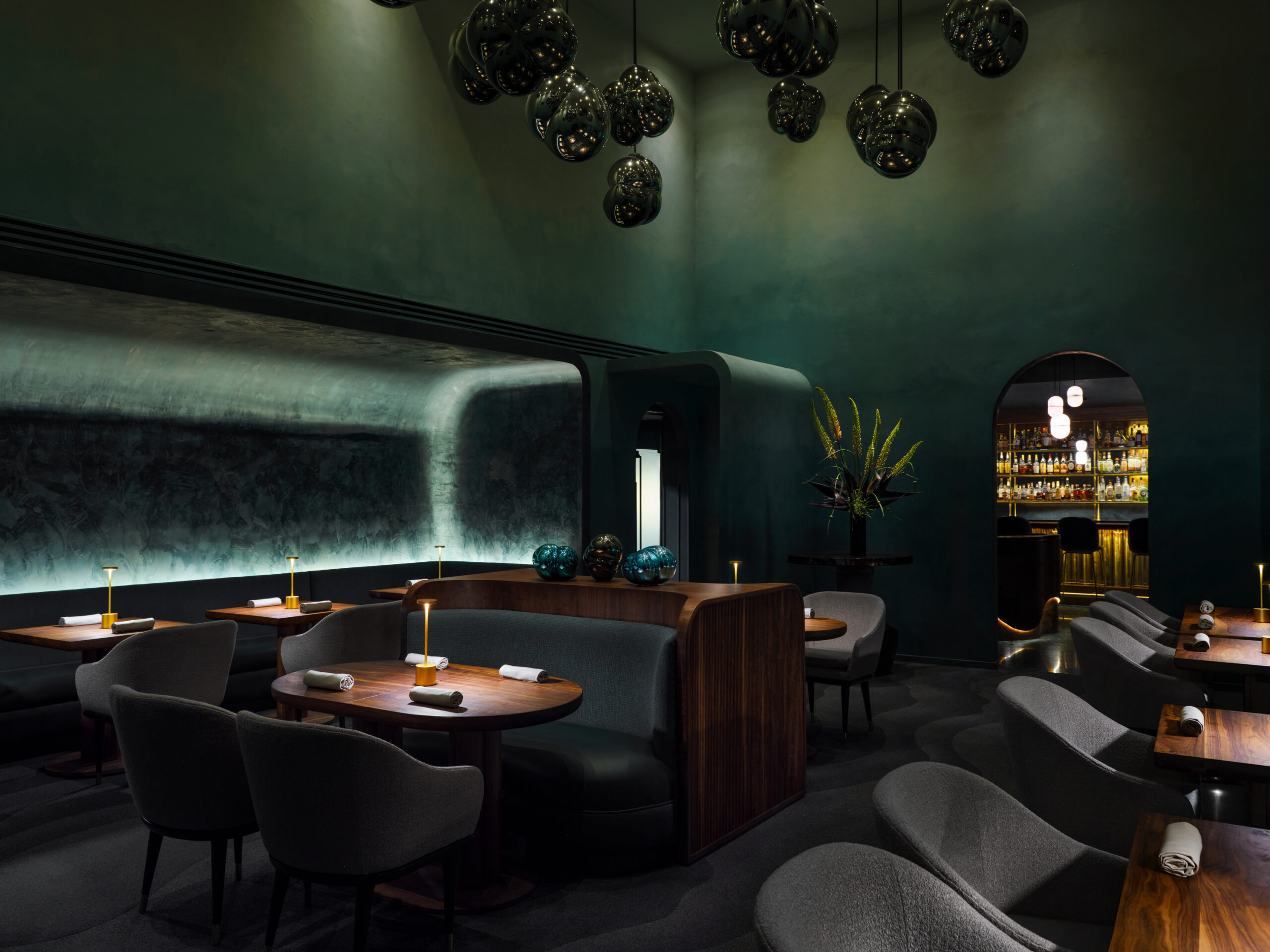
Modern Seafood Fine Dining
Providence
Los Angeles, United States
★★★ · 50 Best
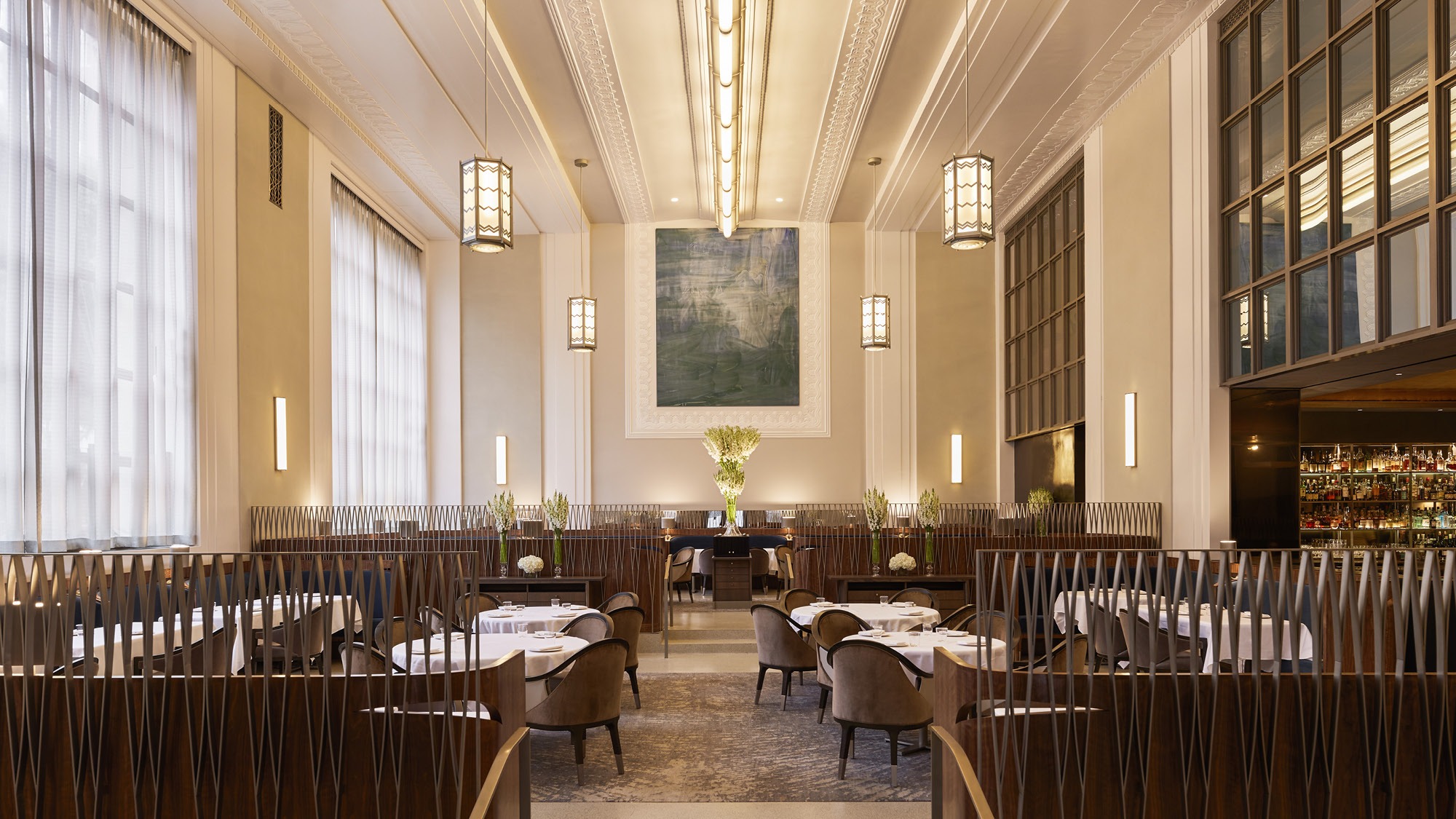
Contemporary Plant-Based Fine Dining
Eleven Madison Park
New York City, United States
★★★ · 50 Best