Zeik
In Residence
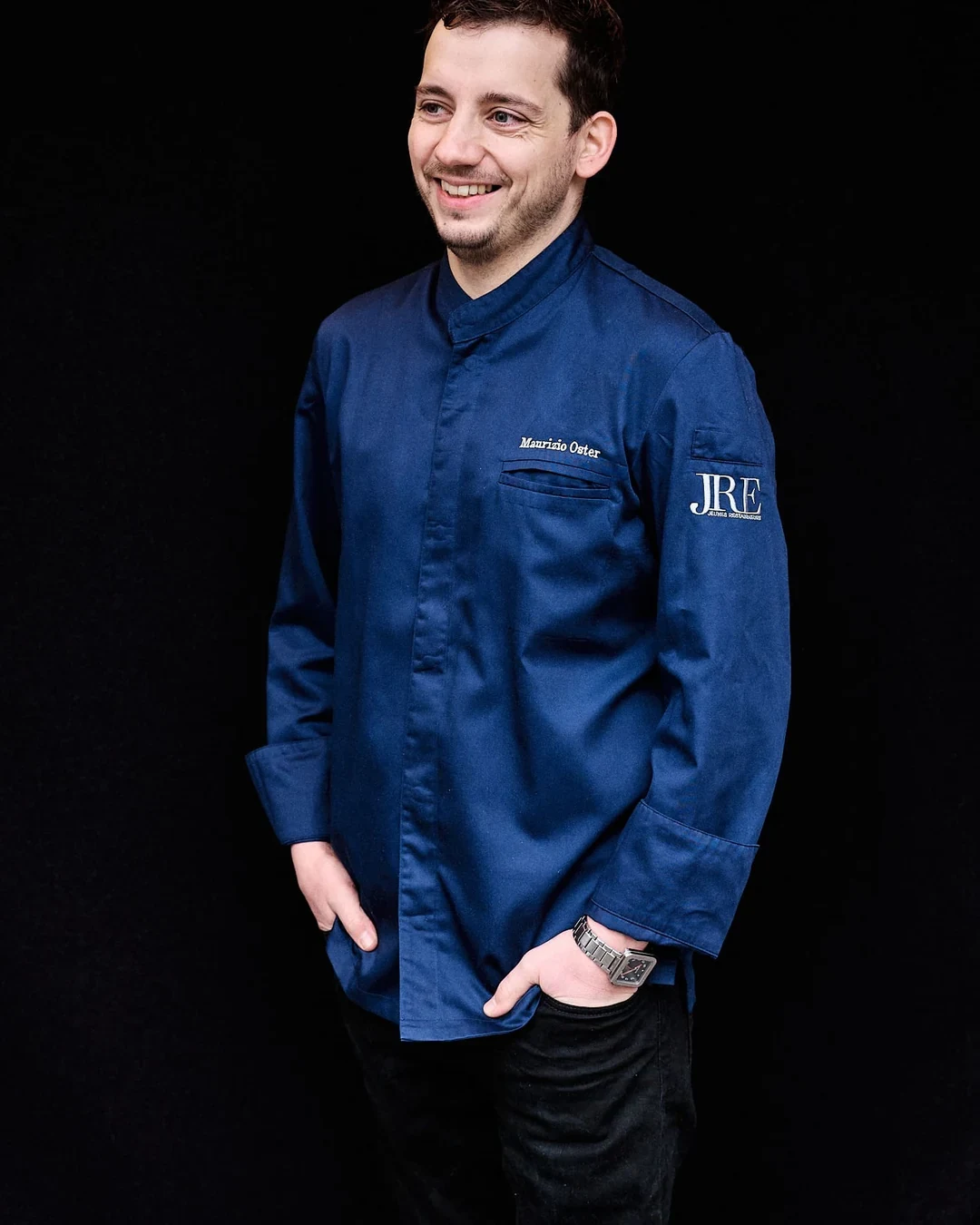
Maurizio Oster
Chef
- 01CuisineModern Seasonal Nordic Fine Dining
- 02CityHamburg, Germany
- 03RecognitionOne Michelin Star
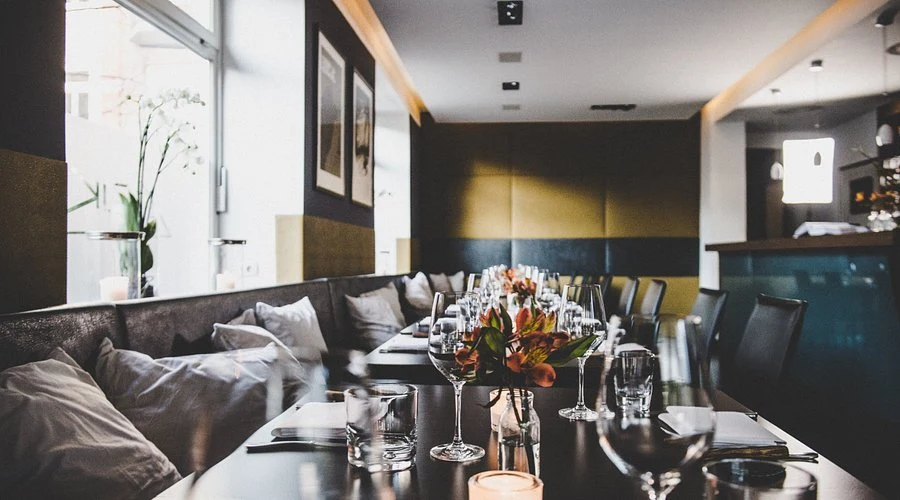
- 1 Michelin Star · Michelin Guide
- Michelin 1 Star · 2026
- Opinionated About Dining Top Restaurants in Europe Recommended · 2026
- Michelin 1 Star · 2025
- We're Smart World 4 Radishes · 2025
- Opinionated About Dining Top Restaurants in Europe Ranked #427 · 2025
- Michelin 1 Star · 2024
- Opinionated About Dining Top Restaurants in Europe Ranked #445 · 2024
The Sunday letter
Find new places through the people who run them.
Our Sunday email brings you the chefs, winemakers and hoteliers behind our newest stories. See a sample before you subscribe.
See a sample of the Sunday emailOne email a week. Unsubscribe from any issue.
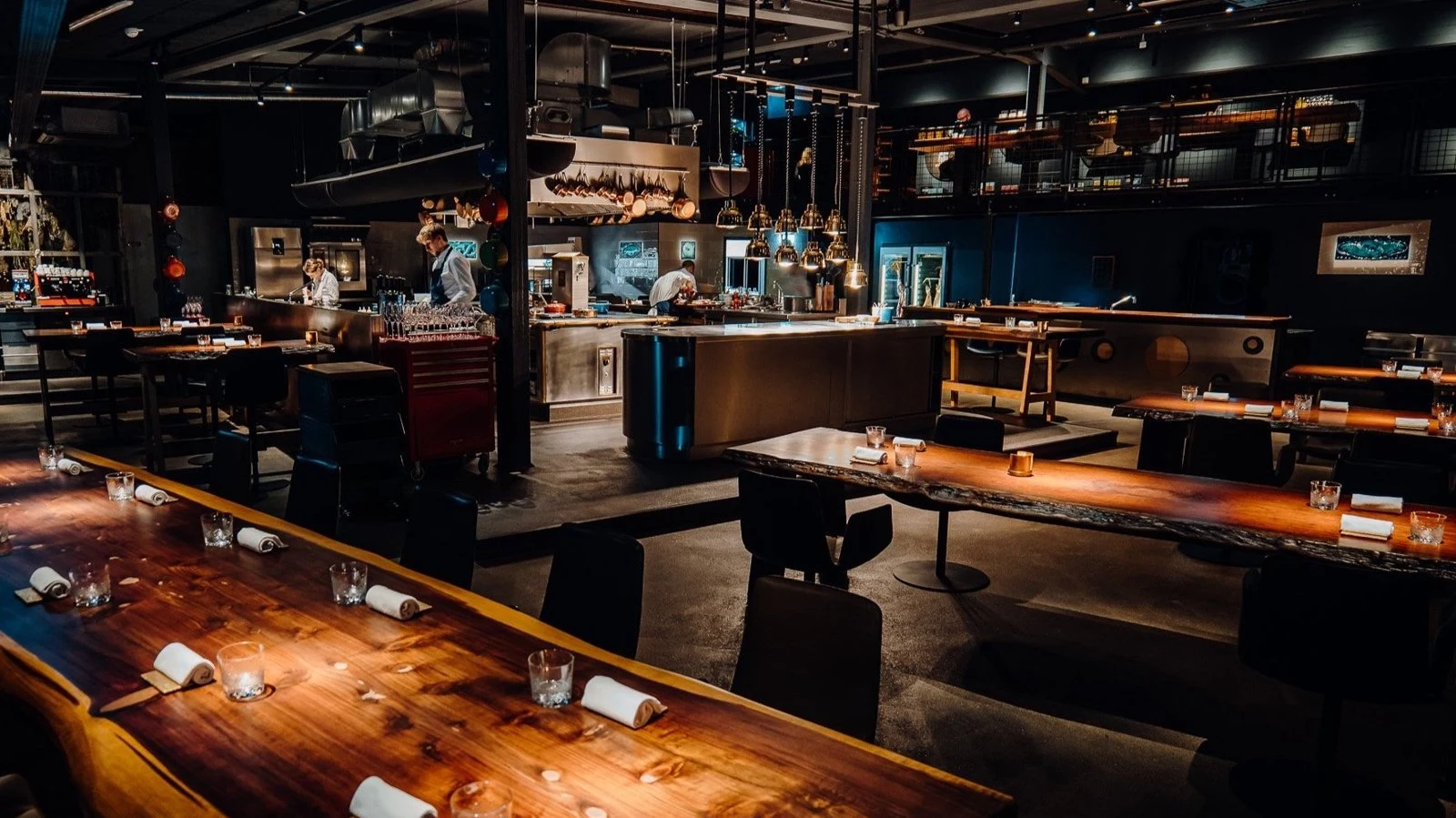
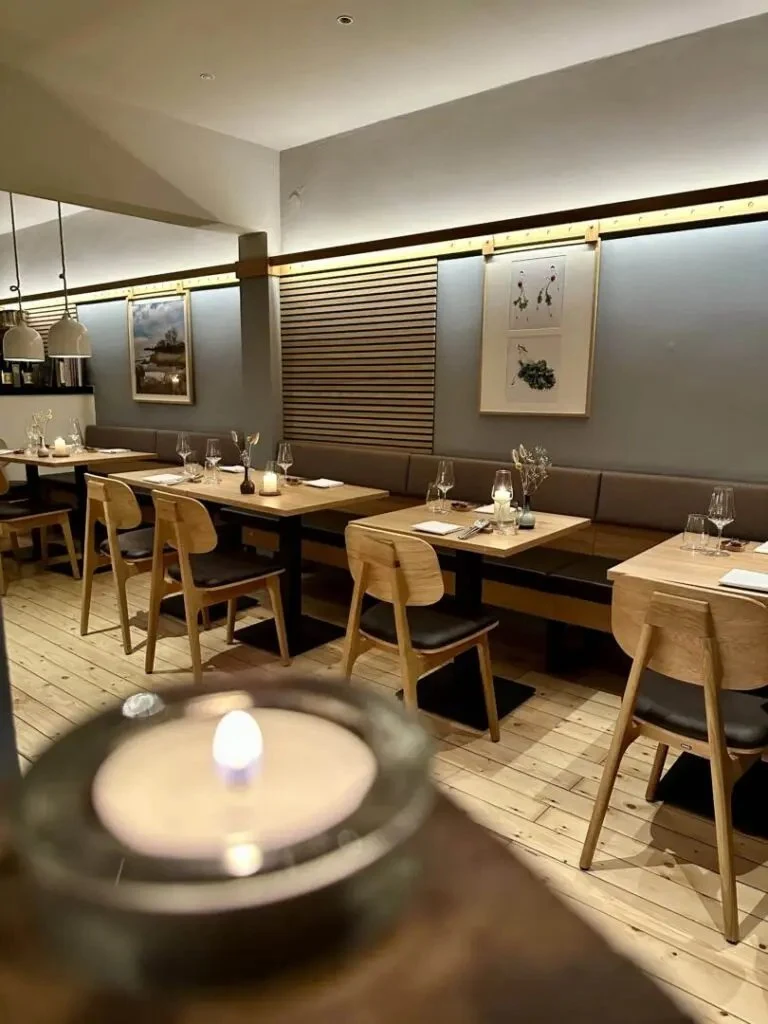
Sierichstraße runs through Winterhude with the quiet confidence of a neighbourhood that has never needed to announce itself. The street is lined with late-19th-century apartment facades, independent wine shops, and the kind of bistros that fill through word of mouth rather than press releases. Zeik sits within this fabric without disrupting it, a dinner-only address operating Tuesday through Saturday from 6:30 pm, closed on Mondays and Sundays, with a format that points inward rather than outward. Zeik is a one-star restaurant in Hamburg, with Chef Maurizio Oster at the helm and a €€€€ price tier. The room does not perform. What happens at the table does the work.
A Kitchen Shaped by the Northern Larder
Hamburg has always looked north. Its port identity, its weather, and its culinary instincts have long tilted toward Scandinavia, an orientation that shapes the city's more serious kitchens in ways that diverge from the cream-and-game traditions of southern Germany. That Nordic lean shows most clearly in restaurants where restraint, fermentation, and produce hierarchy define the menu's architecture. Zeik operates within this tendency, and does so at a level confirmed by a Michelin star, alongside consecutive appearances in the Opinionated About Dining Leading Restaurants in Europe ranking. Together, the recognitions suggest a kitchen that reads clearly to critical traditions.
Chef Maurizio Oster leads the kitchen. His approach is owner-operated, craft-focused, and resistant to the economies of scale that tend to dilute kitchen identity. For Hamburg's fine-dining tier, which also includes Restaurant Haerlin, The Table Kevin Fehling, and 100/200 Kitchen, Zeik's positioning is distinct: it is smaller in ambition for the room, larger in ambition for the plant.
Vegetables as the Kitchen's Central Argument
The broader European fine-dining conversation around vegetables shifted meaningfully in the 2010s. What had been a side consideration, something to accommodate, not to foreground, became a legitimate organising principle in kitchens from Copenhagen to London. The kitchen's engagement with produce is foundational rather than supplementary.
A dedicated vegetarian menu running alongside the main kitchen's output is not, at this price tier, standard practice in Germany. It requires parallel development, separate sourcing logic, and a chef with enough fluency in vegetable cookery to produce a menu that does not read as the omnivore menu with the protein subtracted. The We're Smart recognition places Zeik in a European peer group where vegetables are the primary expressive medium, not a dietary accommodation. Comparable kitchens earning this kind of recognition across Germany include addresses like CODA Dessert Dining in Berlin, which has similarly reworked category expectations from within, and ES:SENZ in Grassau, where the alpine larder is treated with equivalent seriousness.
The approach aligns with a broader German fine-dining shift away from classical French frameworks. Kitchens at Schwarzwaldstube in Baiersbronn and Vendôme in Bergisch Gladbach represent an older model where French technique and luxury proteins anchor the identity. Zeik reads differently, its Nordic-influenced aesthetic and vegetable-centred menu place it closer to the Scandinavian-influenced northern European tradition than to the German south.
Sustainability as Kitchen Infrastructure
When the We're Smart Green Guide describes a kitchen's relationship with vegetables as something absorbed instinctively rather than adopted as policy, the practical implications extend into sourcing, seasonality, and waste. A produce-led kitchen at fine-dining level requires relationships with growers operating at small scale, often regional, the opposite of the centralised supply chains that service volume operations. This is where environmental commitment becomes kitchen infrastructure rather than marketing positioning.
Hamburg's geography supports this logic. The city sits within reach of the North Sea coast, the Vierlande market-garden district to the southeast, and the broader Elbe estuary farmland. Seasonal availability in northern Germany runs differently from the Mediterranean-influenced kitchens at addresses like bianc, where the repertoire tilts toward warmer-climate produce. A kitchen working the northern seasonal calendar in earnest encounters a shorter growing window, which concentrates effort into fermentation, preservation, and techniques that extend the productive life of harvested ingredients. These are precisely the technical responses that Nordic kitchens normalised over the past two decades, and which Hamburg, given its orientation, has absorbed more readily than German cities further south.
The result, at Zeik's level, is a menu calendar that can look materially different in February than in August. This is not a constraint but a structural choice, and it is what makes the We're Smart recognition meaningful: the guide is not rewarding a chef who added a vegetable tasting menu to an existing meat-led program; it is recognising a kitchen where the plant-sourcing logic appears to underpin the whole operation.
Hamburg's Fine-Dining Tier in 2025
Hamburg now carries more Michelin-starred addresses per capita than most German cities outside Munich and Berlin, but the starred tier is not monolithic. The Table Kevin Fehling operates at three stars with a theatrical presentation format and a global reference set. Lakeside draws on German lakeside and regional identity. Restaurant Haerlin anchors the hotel-dining tradition. Zeik, at one star with a Winterhude address and a JRE affiliation, operates in a different register, closer to the format found at independently owned, chef-run starred restaurants in other northern European cities, where the room is intimate, the menu is personal, and the evening unfolds at a pace set by the kitchen rather than by a service script.
For readers familiar with the Modern European tradition as practised in London, the frame of reference might be something like The Ledbury, or in Berlin, Rutz, kitchens where technique is evident but not performed, and where the menu's logic reads as culinary argument rather than hospitality product. JAN in Munich and Aqua in Wolfsburg occupy comparable positions within Germany's one-star tier, focused, independent, and operating against a clear culinary point of view.
Within Hamburg specifically, Zeik's Michelin star suggests it carries weight among the city's culinary community.
Planning a Visit
Zeik operates at Sierichstraße 112 in Winterhude, Hamburg's 22299 postcode, Tuesday through Saturday from 6:30 pm with last bookings at 10 pm. The dinner-only format and the Winterhude location place it slightly away from the central city's fine-dining cluster. At the €€€€ price range, Zeik sits in the same tier as the city's other starred addresses.
For context within Hamburg's restaurant scene, see the Hamburg restaurants guide. The city's broader hospitality offering is covered in our Hamburg hotels guide, Hamburg bars guide, Hamburg wineries guide, and Hamburg experiences guide.
Questions
Frequently asked
What recognition does Zeik hold?
Zeik holds 1 Michelin star.
Who works at Zeik?
Made By profiles Maurizio Oster (Chef) at Zeik.
How expensive is Zeik?
Zeik is listed at a price level of $$$$.
Where is Zeik and what does it serve?
Zeik is in Anscharhoehe, Hamburg, serving Modern Seasonal Nordic Fine Dining.
The field
How it compares
| Place | Awards | Cuisine | Notes |
|---|---|---|---|
| Zeik | Michelin 1 Star | Modern Seasonal Nordic Fine Dining | Anscharhoehe, $$$$ |
| 100/200 Kitchen | Michelin 2 Stars | Modern Creative Seasonal Cuisine | Hamburg |
| Heimatjuwel | Michelin 1 Star | Modern Regional German Vegetarian Fine Dining | Hamburg |
| Lakeside | Michelin 2 Stars | Modern European Fine Dining | Hamburg |
| Landhaus Scherrer | Michelin 1 Star | Michelin-Starred North German Fine Dining | Hamburg |
| Restaurant Haerlin | Michelin 3 Stars | Modern French Fine Dining | Hamburg |
| The Table Kevin Fehling | Michelin 3 Stars | Avant-Garde Fusion Fine Dining | Hamburg |
In residence
Similar places
Modern Creative Seasonal Cuisine
100/200 Kitchen
Hamburg, Germany
★★
Modern Regional German Vegetarian Fine Dining
Heimatjuwel
Hamburg, Germany
★
Modern European Fine Dining
Lakeside
Hamburg, Germany
★★
Michelin-Starred North German Fine Dining
Landhaus Scherrer
Hamburg, Germany
★
Modern French Fine Dining
Restaurant Haerlin
Hamburg, Germany
★★★
Avant-Garde Fusion Fine Dining
The Table Kevin Fehling
Hamburg, Germany
★★★
The Sunday letter
Get the next Made By story in your inbox.
We send one email every Sunday morning with the places and people we covered that week.
See a sample of the Sunday emailOne email a week. Unsubscribe from any issue.