James Beard Award winner
Abra Berens
- Discipline
- James Beard Award winner
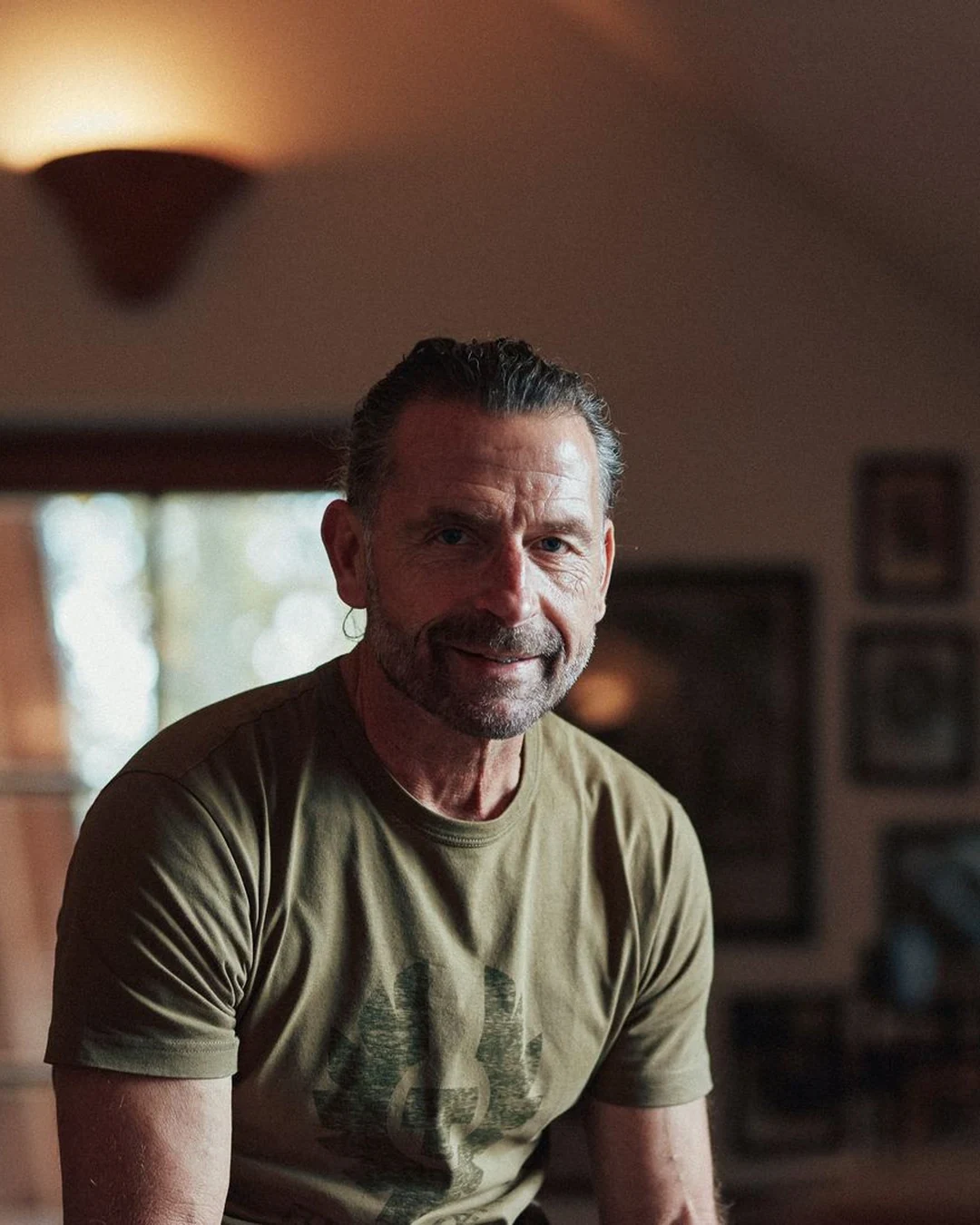
Portrait of Abra Berens
i. Biography
Coming Up
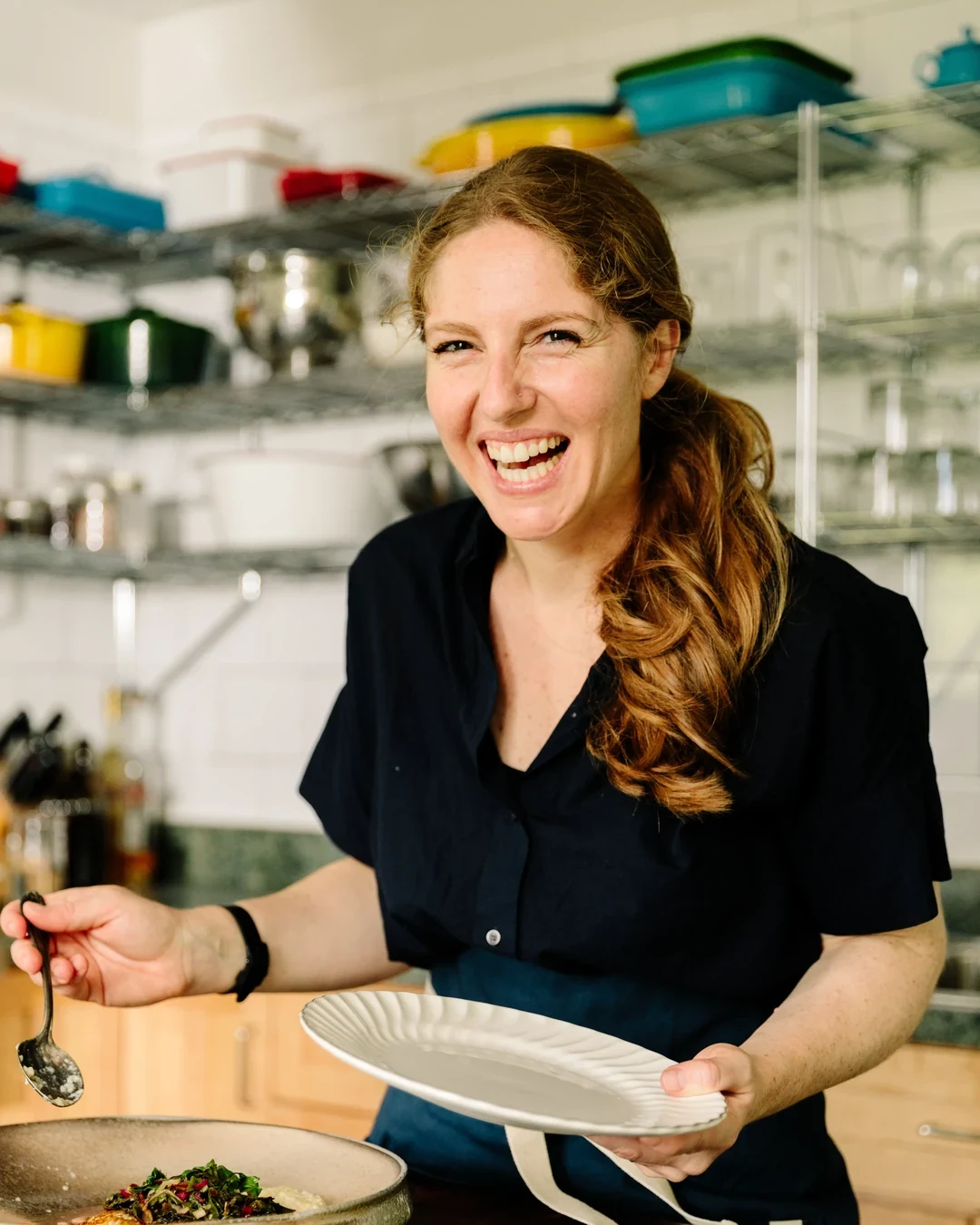
Training at Ballymaloe Cookery School put technique and seasonality into the frame early, and the work that followed at Zingerman’s Deli in Ann Arbor, Michigan, gave Abra Berens a daily-service education in volume, consistency, and the habits of a food culture that values directness. The pairing matters: school for structure, deli line for repetition, and a kitchen life built from close contact with ingredients and the people who eat them. Bare Knuckle Farm in Northport, Michigan (2009–2017) added another register: co-founder and farmer/cook is a title that places cultivation and cooking on the same footing. That years-long arrangement suggests a practice shaped by fieldwork, timing, and the practical demands of making food from what the land will give. From there, the move to Local Foods in Chicago, Illinois (until 2017) carried that farm-informed way of working into an urban setting without changing its underlying discipline. Since 2017, the role at Granor Farm has brought those earlier phases into one line. Chef of Granor Farm does not read as a break from the past so much as a consolidation of it: farm work, restaurant work, and Midwestern cooking folded into a single position.
The Sunday letter
Read Made By's new profiles every Sunday.
Meet the chefs, winemakers and sommeliers behind the places we cover. See a sample below before you subscribe.
See a sample of the Sunday emailOne email a week. Unsubscribe from any issue.
Where They Are Now
Since 2017, chef at Granor Farm in Three Oaks, Michigan has meant cooking that centers Midwestern food and the culinary traditions of the region. The work is seasonal and local in its logic, built around the idea that a kitchen should respond to what nearby land can actually supply. She believes that the meals we eat should change with the seasons and that their ingredients should come from nearby, a practical rule that keeps the cooking in step with the place. Grist: A Practical Guide to Cooking Beans, Grains, Seeds, and Legumes, published in 2021, extends the same working logic onto the page. The book treats pantry staples as usable material rather than background: ingredients with range, utility, and a place in the everyday kitchen. Abra put it plainly: "I wrote this book because I couldn’t find it when I needed it as a young chef cooking exclusively from my farm’s garden." The line is useful because it explains the book’s purpose without dressing it up. She also hosts meals intended to broaden people’s understanding of organic farming, our growing practices and the food we produce. In practice, that makes the table part of the lesson: food as a way to show how growing and cooking are connected, and how those connections can be made legible to diners.
Career - chef — Granor Farm, Three Oaks, Michigan (2017–present) - cook — Zingerman’s Deli, Ann Arbor, Michigan - co-founder and farmer/cook — Bare Knuckle Farm, Northport, Michigan (2009–2017) - chef — Local Foods, Chicago, Illinois (until 2017) Education: Ballymaloe Cookery School
Signature
Abra's signature dishes include Ruffage: A Practical Guide to Vegetables, Grist: A Practical Guide to Cooking Beans, Grains, Seeds, Legumes, and Pulp. Read together, the titles map a kitchen that works from produce and pantry staples rather than embellishment: vegetables, grains, legumes, fruit, and the forms they take across seasons and uses.
In Their Words “I wrote this book because I couldn’t find it when I needed it as a young chef cooking exclusively from my farm’s garden.” “She believes that the meals we eat should change with the seasons and that their ingredients should come from nearby.”
FAQ Where did Abra Berens train or study? Abra Berens trained at Ballymaloe Cookery School.
Explore
The Sunday letter
Get the next Made By profile in your inbox.
We send one email every Sunday morning with the people we profiled that week.
See a sample of the Sunday emailOne email a week. Unsubscribe from any issue.