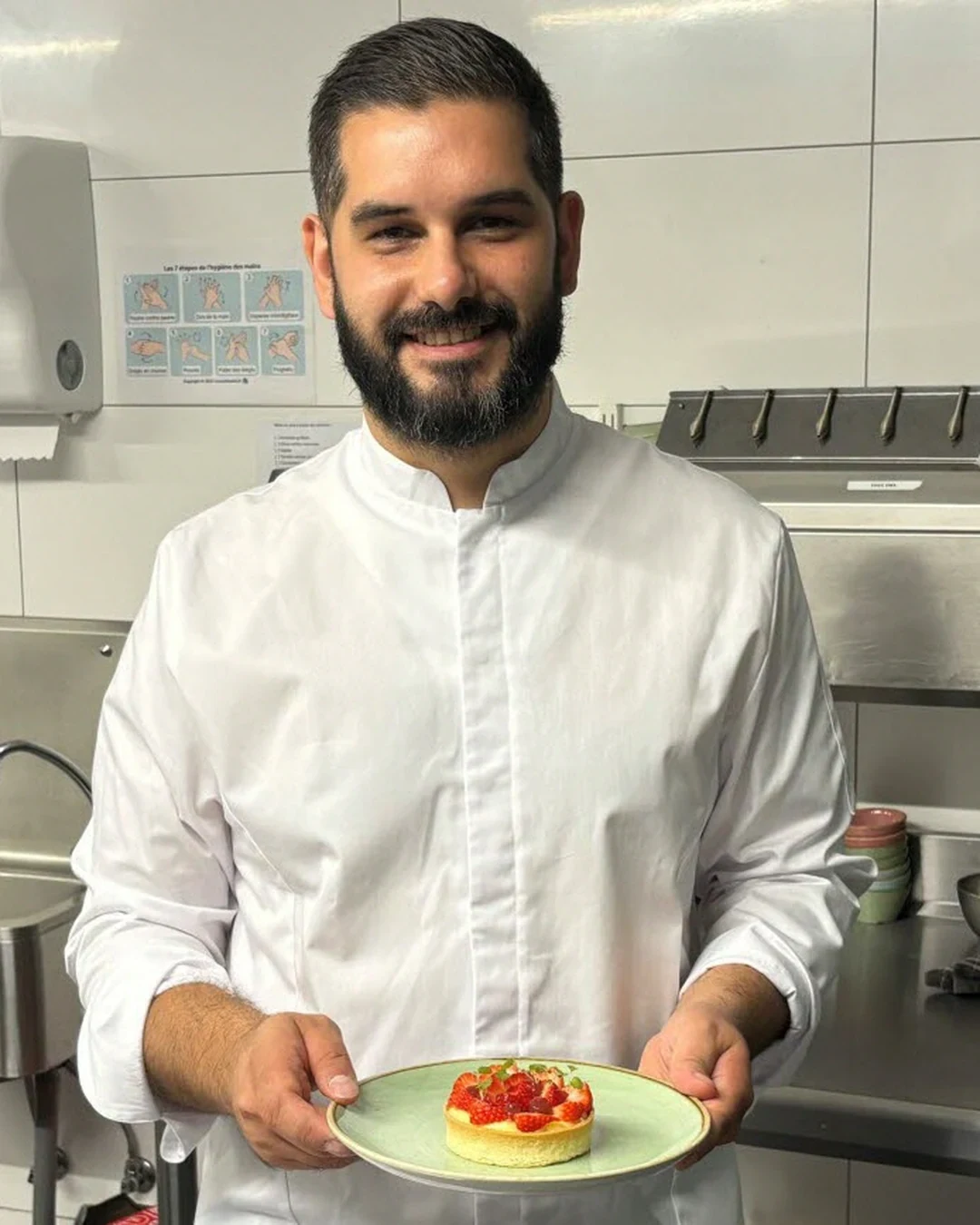
Portrait of Ai Le
i. Biography
Central Vietnamese cooking at Nam Giao in Houston is built on texture, contrast, and repetition. In Ai Le’s kitchen, bún bò Huế, mì Quảng, bánh bèo chén, bánh bọc lọc lá, and bánh nâm carry the work: bowls with depth and comfort, steamed cakes handled with precision, dumplings that make the labor visible without turning it into display. The restaurant’s measure is not spectacle, but consistent care at the point of making.
The Sunday letter
Read Made By's new profiles every Sunday.
Meet the chefs, winemakers and sommeliers behind the places we cover. See a sample below before you subscribe.
See a sample of the Sunday emailOne email a week. Unsubscribe from any issue.
Where It Started Central Vietnamese technique gives Nam Giao its frame: heat against brightness, softness against chew, richness against lift. Ai Le’s table is organized around that regional grammar, not as a museum checklist, but as a working set of forms that still need to be cooked correctly service after service. Bún bò Huế and mì Quảng are must-orders because they show two distinct expressions of place and tradition. The smaller items—bánh bèo chén, bánh bọc lọc lá, and bánh nâm—extend the same argument through handwork: steamed, wrapped, layered, shaped. Their value is in repetition and attention, and they help set the rhythm of Le’s kitchen.
Who Shaped Them Central Vietnamese food is the primary influence in Le’s work: traditional values, hard work, and modern technical know-how held in balance. Nam Giao’s identity comes from that balance. The cooking does not trade tradition for novelty, and it does not treat tradition as frozen. It depends on discipline, precision, and the steady repetition required to make familiar dishes land clearly. Bánh bèo chén, bánh bọc lọc lá, and bánh nâm deepen that same line of work. Their delicacy and structure show how much this food relies on hands, timing, and restraint. Each sits close to everyday cooking while still requiring the concentration of a practiced kitchen. In 2023, Le became a James Beard Awards Best Chef: Texas semifinalist for her work at Nam Giao. Her response was spare: “We work hard. We didn’t expect that.” The sentence fits the restaurant’s register—plain, focused, and tied to daily labor.
The Work Today
Central Vietnamese cuisine remains the work at Nam Giao in Houston. Bún bò Huế and mì Quảng sit beside steamed cakes and dumplings as regional specialties with different demands on broth, noodle, batter, wrapping, and timing. Together, they describe a kitchen committed to depth rather than excess, with flavor built through technique and repetition rather than ornament. Food made according to traditional values, with hard work and modern technical know-how, gives the cooking its force. In Le’s kitchen, the dishes are treated directly and carefully, with attention to the textures and aromas that define Central Vietnamese cooking. The restaurant’s strength is fidelity: to region, to method, and to the satisfaction of getting the work right.
Signature
Signature dishes include Bánh bèo chén. Small, soft, and exacting, it shows the discipline behind Ai Le’s cooking at Nam Giao: form held cleanly, tradition kept active, and memorable effect produced through careful work.
In Their Words “We work hard. We didn’t expect that.”
FAQ What is Ai Le's current role? Ai Le is Chef and Owner. What is Ai Le known for? Central Vietnamese cuisine. What recognition has Ai Le received? James Beard Awards — Best Chef: Texas semifinalist (2023).

The Sunday letter
Get the next Made By profile in your inbox.
We send one email every Sunday morning with the people we profiled that week.
See a sample of the Sunday emailOne email a week. Unsubscribe from any issue.