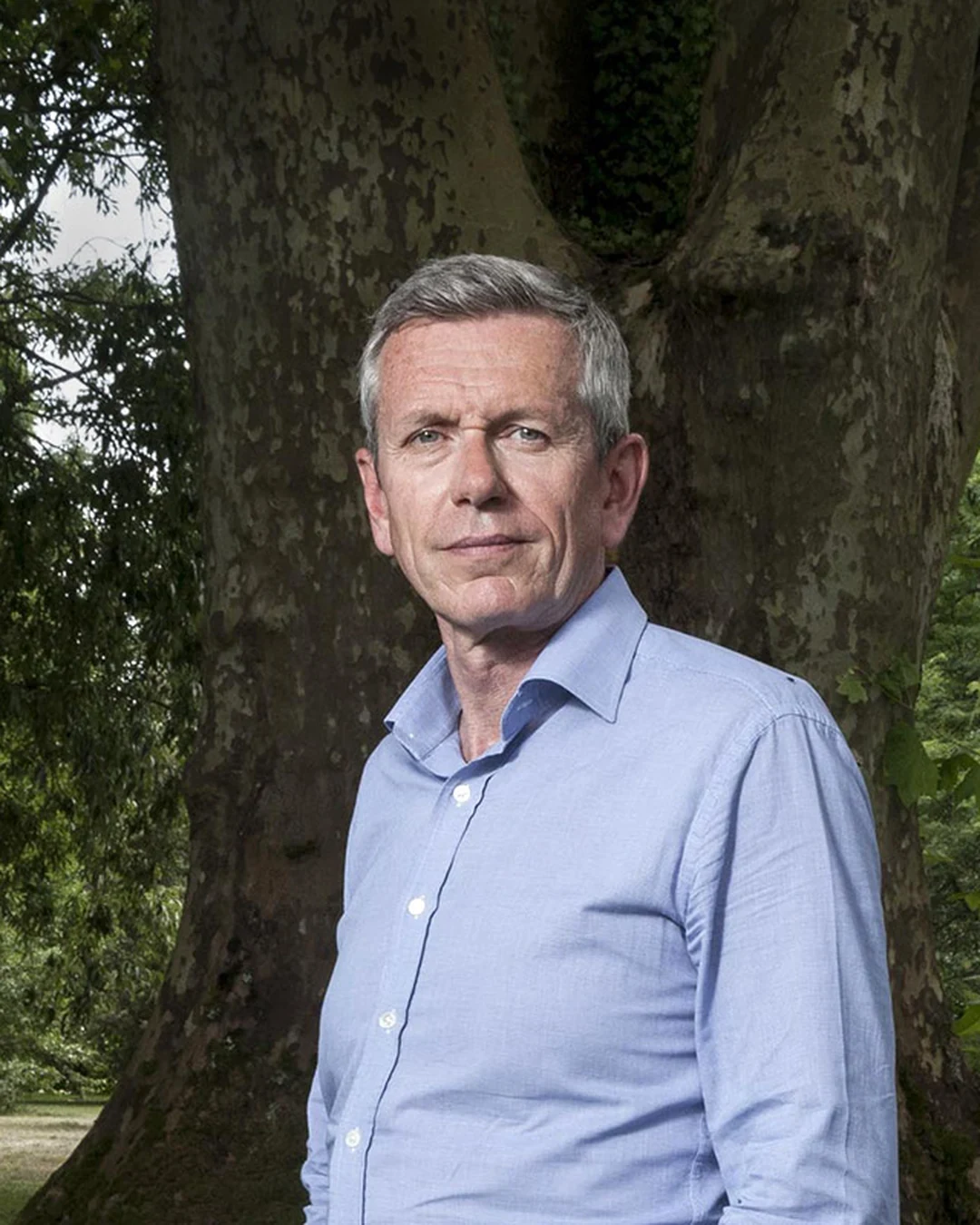
Portrait of Alain Moueix
i. Biography
The Climb
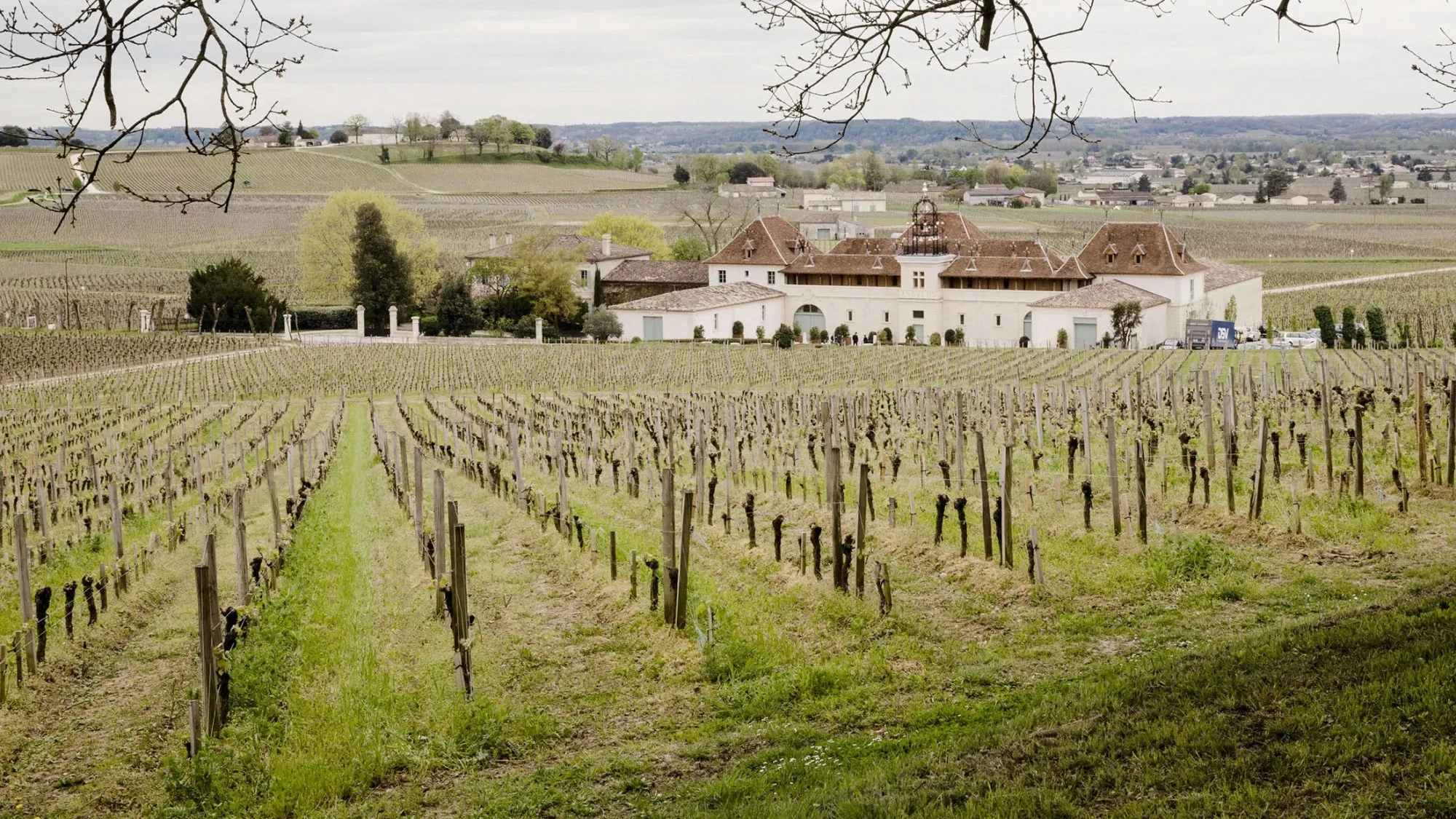
At Château Mazeyres in Libourne, Alain Moueix works as director of the vineyard, a role built on stewardship, patience, and close observation. The path to that position reads less like promotion than accumulation: study, responsibility, and long hours of adjusting the small decisions that shape a wine before it ever leaves the estate. Early training at INRA, Burgundy, and California gave that practice a wider frame and the technical base to work across some of Bordeaux’s most closely watched properties. From 2001 to 2017, management at Château Fonroque in Saint-Émilion required the same discipline at another scale. At Château Fonroque in Saint-Émilion, certified biodynamic cultivation from 2002 to 2017 added another layer of precision, asking for attention not only to the vine itself but to the larger conditions around it. In both cases, the work points in the same direction: reading the vineyard closely, adapting practice to what it shows, and treating oversight as part of craft rather than distance from it. Across Alain Moueix wines since 1991, Château Mazeyres and Château St.-André-Corbin since 2001, and certified biodynamic cultivation at Château Mazeyres since 2012, the pattern stays consistent. The responsibilities overlap, but the method remains steady: continuity in the vineyard, measured management, and a way of working that treats viticulture as both discipline and inquiry.
The Sunday letter
Read Made By's new profiles every Sunday.
Meet the chefs, winemakers and sommeliers behind the places we cover. See a sample below before you subscribe.
See a sample of the Sunday emailOne email a week. Unsubscribe from any issue.
Today
Certified biodynamic cultivation at Château Fonroque since 2002 and at Château Mazeyres since 2012 defines part of the daily work. The approach depends on close observation and on following the season as it unfolds, with each decision made against the evidence in front of the grower. That makes the practice less about imposing a fixed plan than about responding with restraint, using what the vineyard reveals. Alain Moueix puts that method in explicit terms: "My approach to winegrowing is like that of a researcher, in the most fundamental meaning of the term." The framing is precise. It places attention, patience, and testing at the center of the work, with knowledge gathered through repeated observation. He extends that line of thought in another statement: "First and foremost, it is about observation (in this case of the vine and its immediate and distant environment), then about understanding and developing real trust in the spontaneous structures and creative solutions that emerge."
In Their Words “First and foremost, it is about observation (in this case of the vine and its immediate and distant environment), then about understanding and developing real trust in the spontaneous structures and creative solutions that emerge.” “I apply this very personal approach to my wines in order to preserve their vitality and their potential to create a dialogue with the people who choose to drink them.”
Career - winemaker — Alain Moueix wines (1991–present) - manager — Château Mazeyres and Château St.-André-Corbin, Bordeaux (2001–present) - uses certified biodynamic cultivation — Château Mazeyres, Pomerol (2012–present) - took the helm / manager — Château Fonroque, Saint-Émilion (2001–2017) - uses certified biodynamic cultivation — Château Fonroque, Saint-Émilion (2002–2017) Education: INRA; Burgundy; California; New Zealand
Recognition
A fourth-generation family background gives Alain Moueix’s work its frame, but the practice is what carries it. The family line accounts for continuity; the vineyard work gives that continuity substance. Over time, his standing has been defined by the way he manages vines, shapes wines with intent, and keeps the focus on vitality, balance, and openness. That same method appears in his own words: "I apply this very personal approach to my wines in order to preserve their vitality and their potential to create a dialogue with the people who choose to drink them."
FAQ What is Alain Moueix's current role? As of 2026, Alain Moueix is Director of the vineyard. Where did Alain Moueix train or stud

The Sunday letter
Get the next Made By profile in your inbox.
We send one email every Sunday morning with the people we profiled that week.
See a sample of the Sunday emailOne email a week. Unsubscribe from any issue.