i. Biography
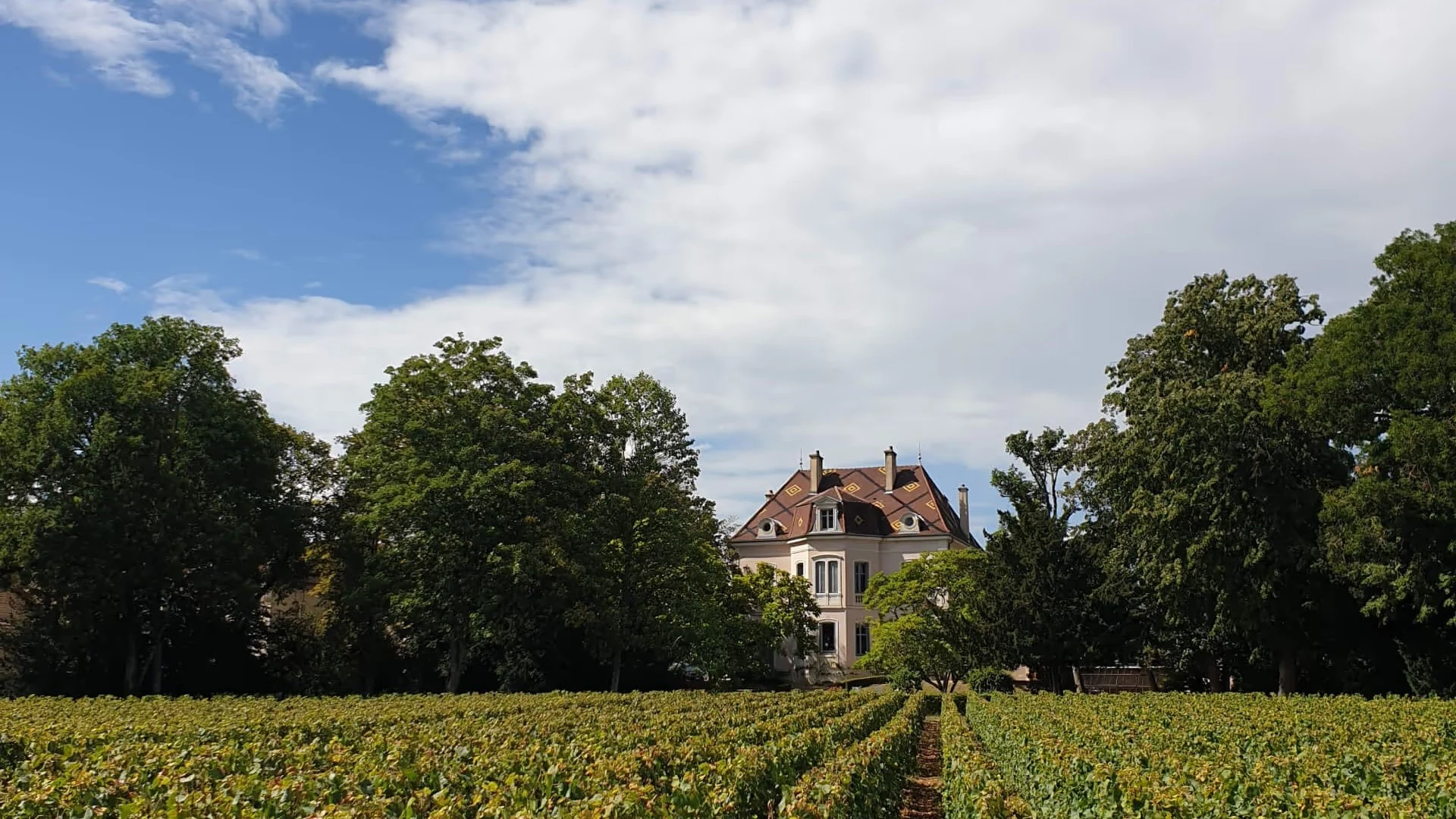
Winemaking at Chartogne-Taillet in Merfy is built on continuity, but continuity does not mean stasis. Since 2006, Alexandre Chartogne has worked from a family estate he returned to in 2006, with responsibility extending beyond a single cuvée or cellar task to the daily decisions that tie vine work to vinification. In Champagne, that kind of estate-based practice is a discipline of place: close-reading the same ground over time, and letting each season sharpen the record rather than reset it.
The Path
Training with Anselme Selosse placed Alexandre Chartogne in direct contact with the practical side of wine. Early work as a stage with Anselme Selosse gave him hands-on exposure to the craft before his return to Chartogne-Taillet in 2006, where he took charge of the cellars and the vineyards.
The Work Today
Alexandre Chartogne’s work sits inside the broader responsibility taken on in 2006, which means the estate is not simply a source of fruit but the frame for the entire practice. Vines, cellar, and site are treated as connected parts of the same craft, with Merfy functioning less as backdrop than as the material from which the wines are made. Les Barres shows how that estate logic becomes visible in bottle. As an inaugural single-parcel release, it isolates one part of the property rather than flattening it into a broader blend. The specific facts carry the weight: ungrafted Meunier planted in 1952, on deep sand over chalk. Those details define the wine’s identity before any language of style enters the picture, making Les Barres a clear statement of parcel, vine material, and historical continuity under Alexandre Chartogne.
Signature
Les Barres and Ste-Anne Brut NV are the signature wines associated with Alexandre Chartogne. Read together, they show two ends of the same estate practice: one focused on a single parcel, the other on continuity. That pairing is useful because it places specificity beside routine, and lets the work at Chartogne-Taillet be understood through both.
Acclaim
The recognition around Alexandre Chartogne sits close to the estate itself. Les Barres, with its ungrafted Meunier vines planted in 1952 on deep sand over chalk, gives that recognition a concrete anchor: not a move away from Merfy, but a tighter reading of it. The through-line is a return made operational, with the family property in 2006 becoming the basis for a body of work that continues to be shaped there.
Profile updated July 2026
FAQ
Asked of Alexandre
What is Alexandre Chartogne's current role?
Alexandre Chartogne is Winemaker.
Where did Alexandre Chartogne work before?
Earlier in their career, Alexandre Chartogne worked at Anselme Selosse.