Merfy soil-driven Champagne
- Falstaff Winery - 3 Stars · 2026
- Pearl 4 Star Prestige · 2025
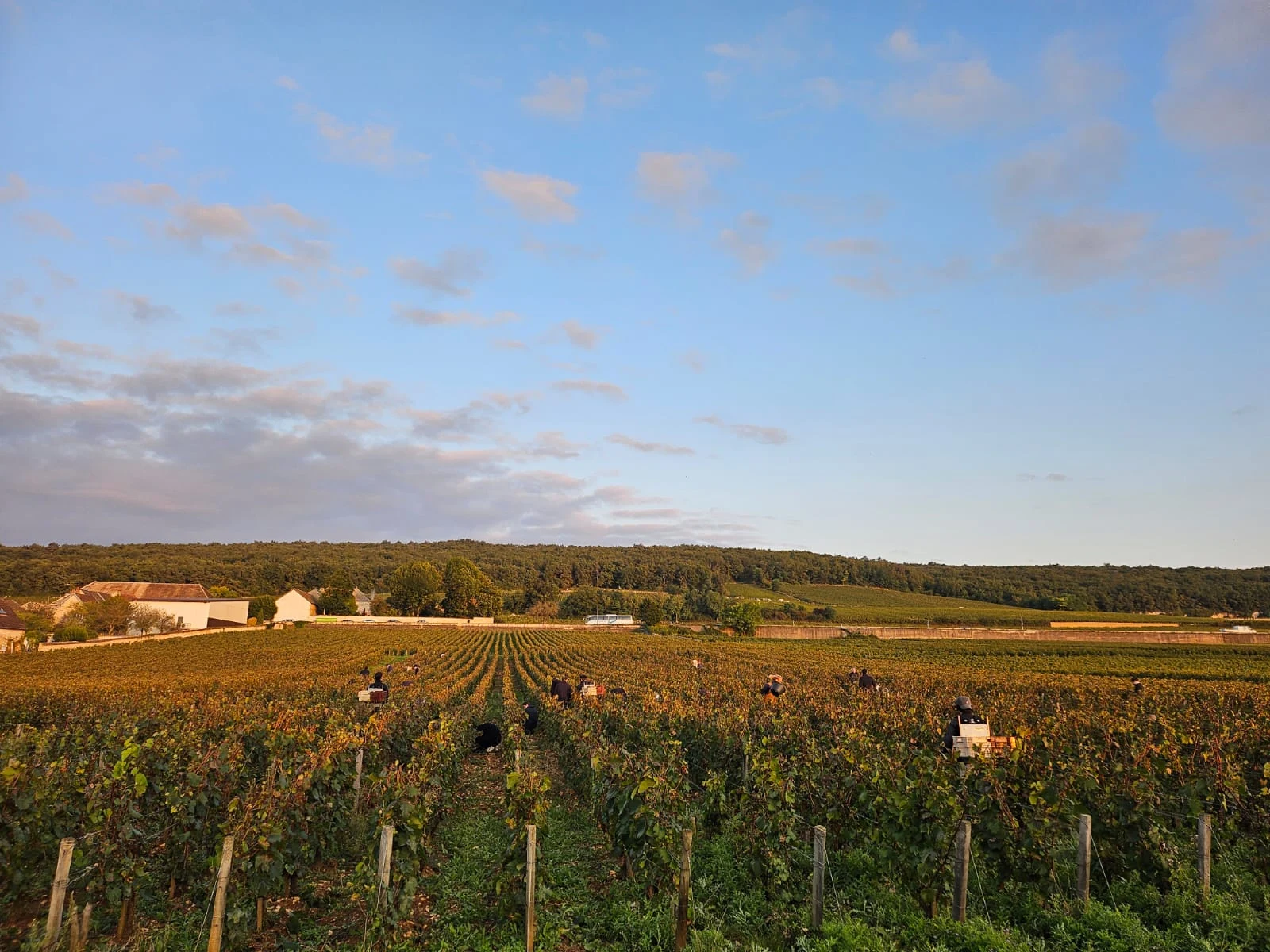
Chartogne-Taillet’s work in Merfy is built around the distance between a parcel and an assemblage. Alexandre Chartogne vinifies plots separately; Sainte-Anne then gathers wines from different village soils and harvest years into a broader expression of the place.
Village blend and parcel reading
Sainte-Anne includes Chardonnay and red grapes, mostly Pinot Noir, with reserve wines contributing to the finished Champagne. The producer says different vessels and handling can be used for individual plots before blending. Orizeaux and Les Barres retain more of the single-site frame.
A Rosé with a different construction
Le Rosé combines Pinot Noir and Chardonnay. The producer describes a blend of white wines and red wine from a selected parcel. That distinction makes the Rosé a useful comparison with Sainte-Anne: both are assembled, but each selects and balances its materials differently.
Questions
Frequently asked
Who leads Chartogne-Taillet?
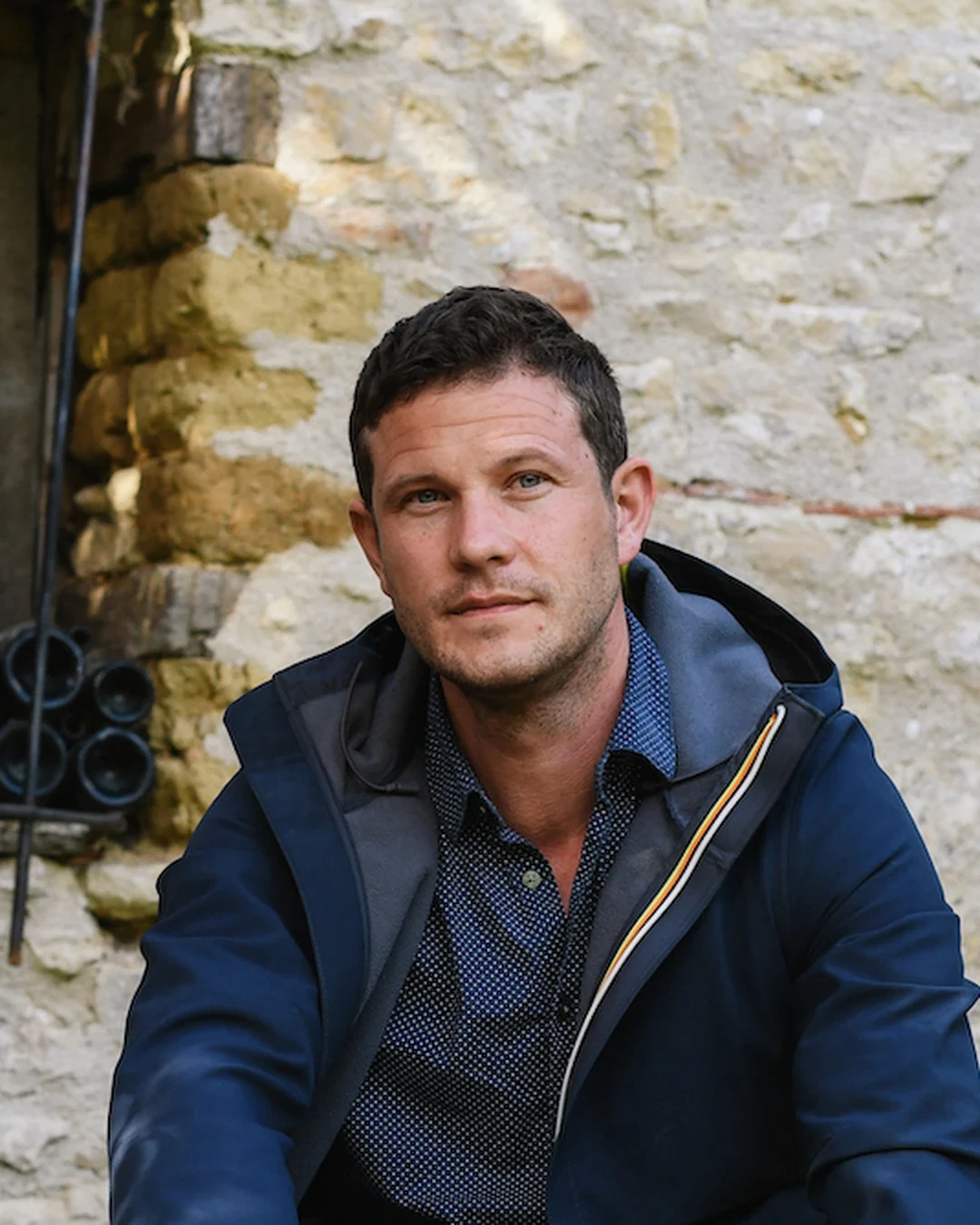
Alexandre Chartogne is the named producer at the family’s Merfy address.
What is Sainte-Anne?
Sainte-Anne is a Champagne blended from different Merfy plots and harvest years, with Chardonnay and red grapes, predominantly Pinot Noir.
Which grapes are in Chartogne-Taillet’s Le Rosé?
The producer lists Pinot Noir and Chardonnay for Le Rosé. It blends white wines with red wine from a selected parcel.
The field
How it compares
| Place | Notes | Awards |
|---|---|---|
| Chartogne-Taillet | Merfy, $$$ | · |
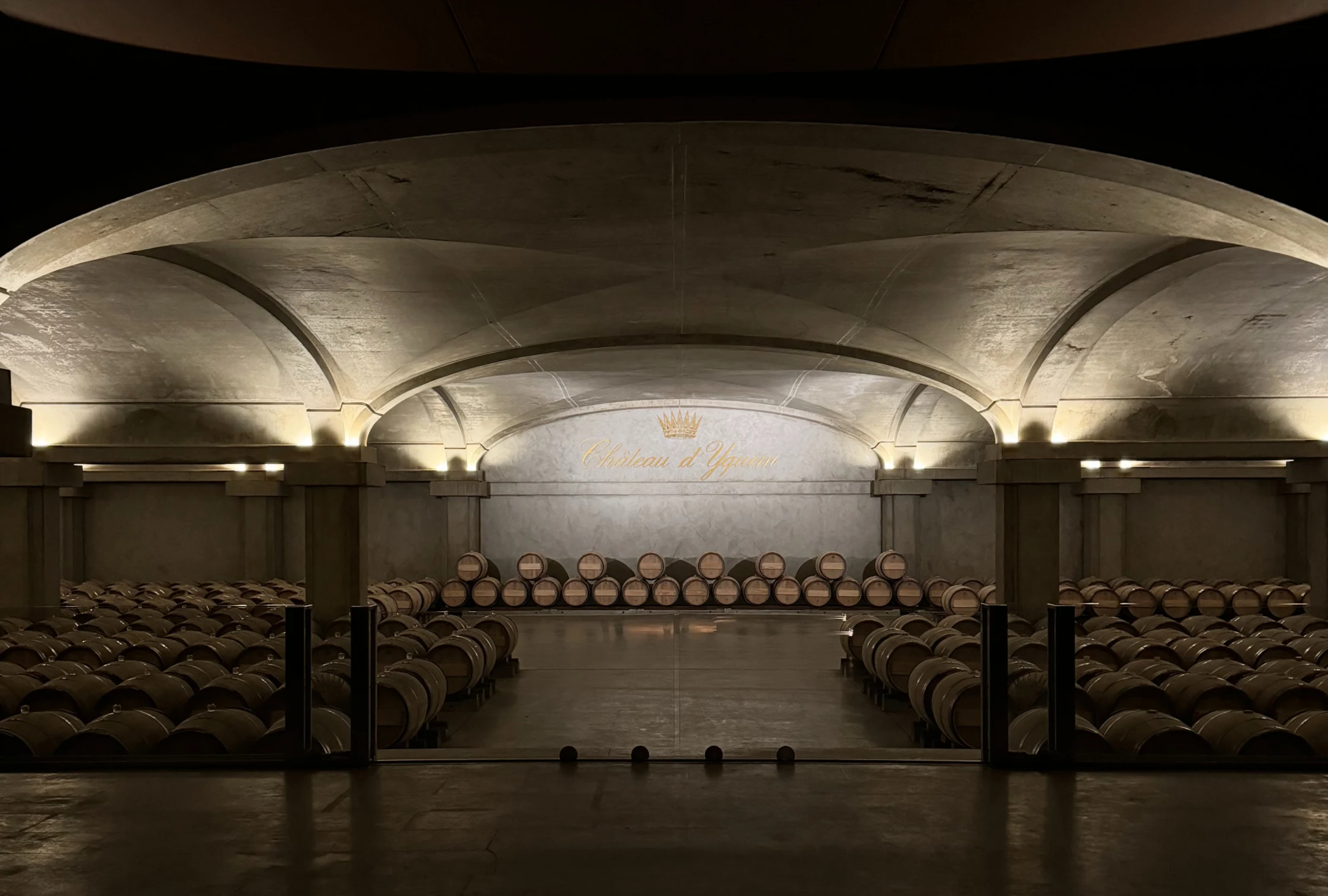
| Château d'Yquem | Sauternes | World's 50 Best |
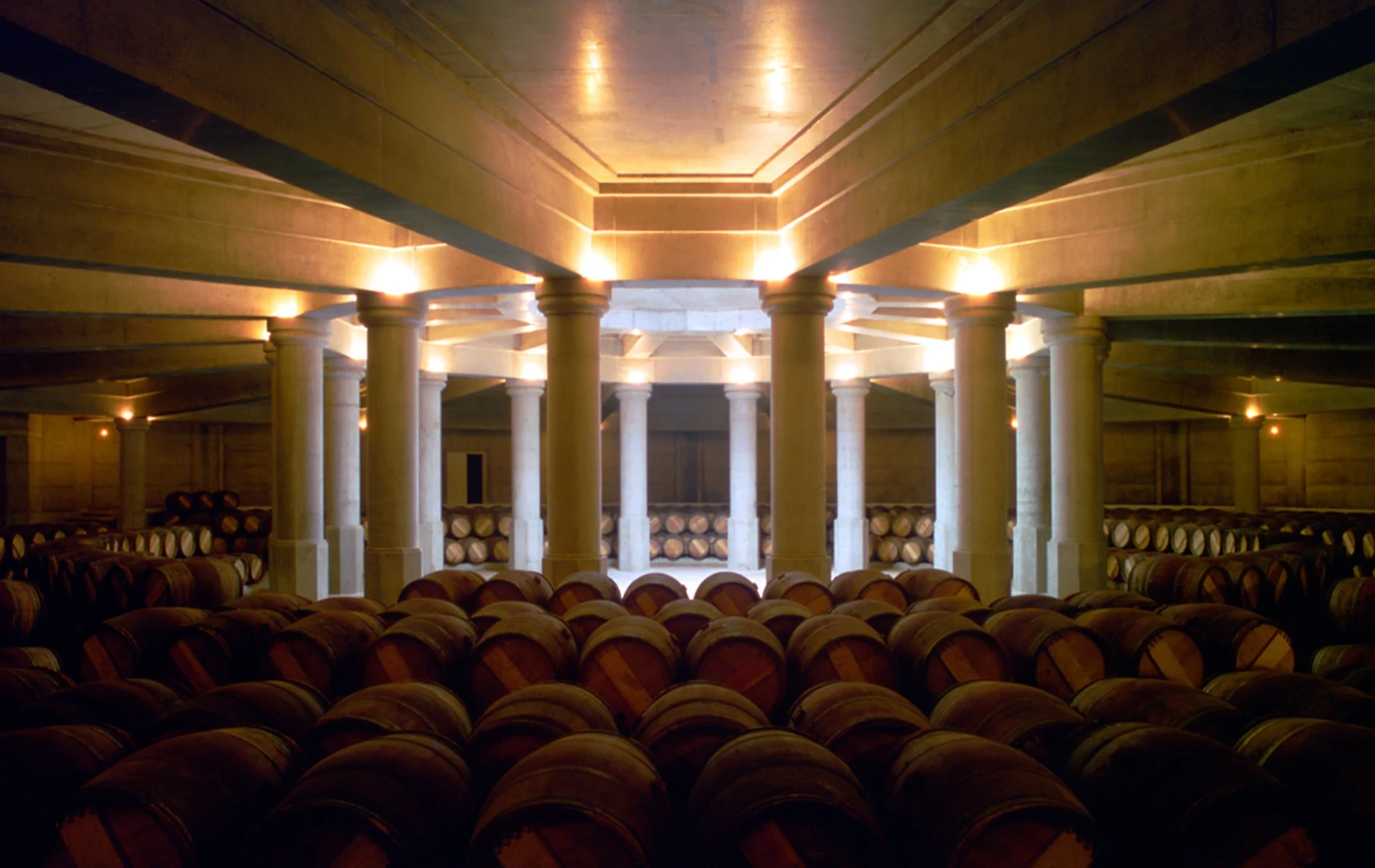
| Chateau Lafite Rothschild | Pauillac | · |
| Château Rieussec | Fargues | · |
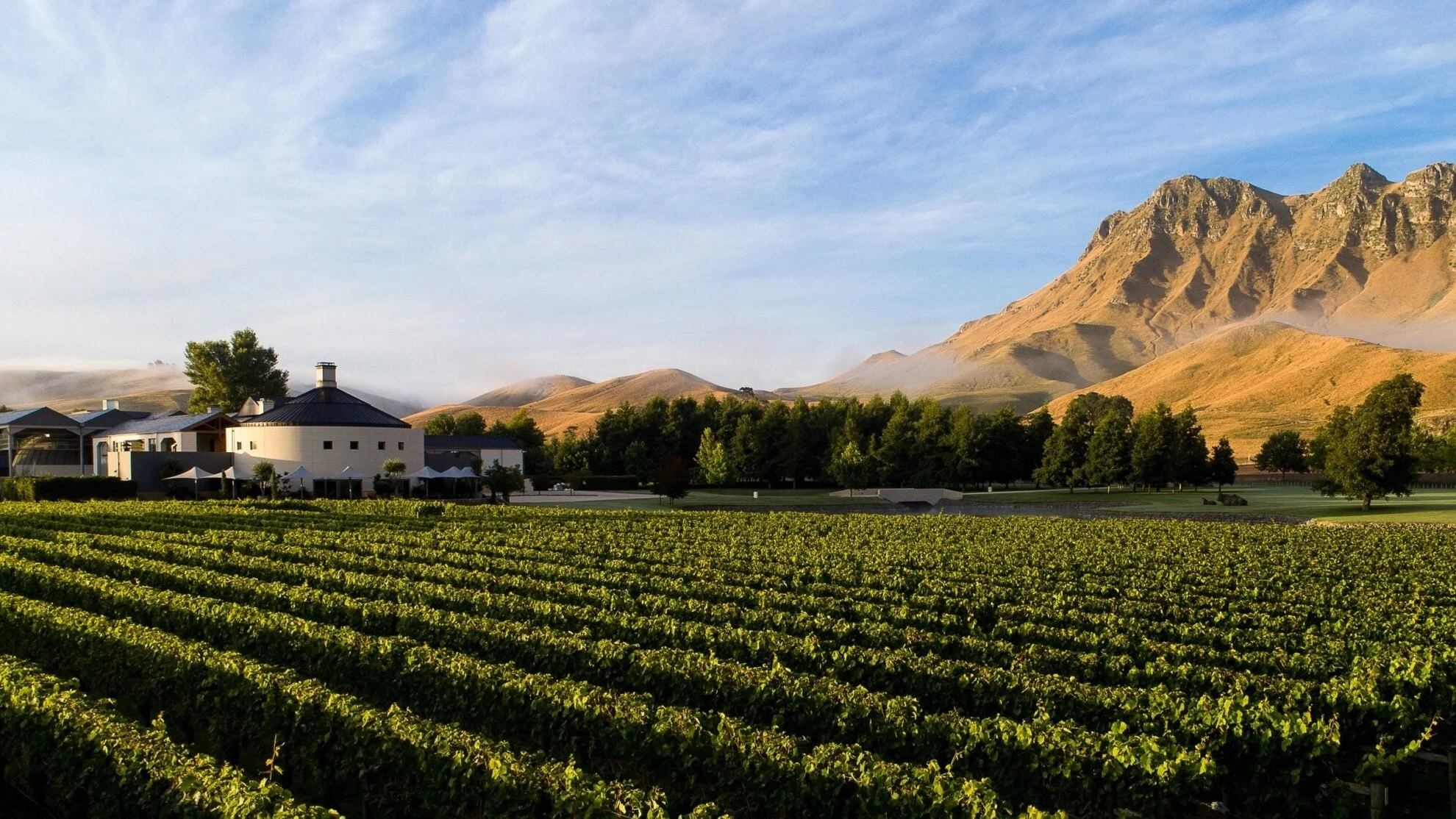
| Craggy Range | Hastings | World's 50 Best |
| Domaine du Comte Liger-Belair | Vosne-Romanée | · |
| Quinta do Crasto | Sabrosa | World's 50 Best |