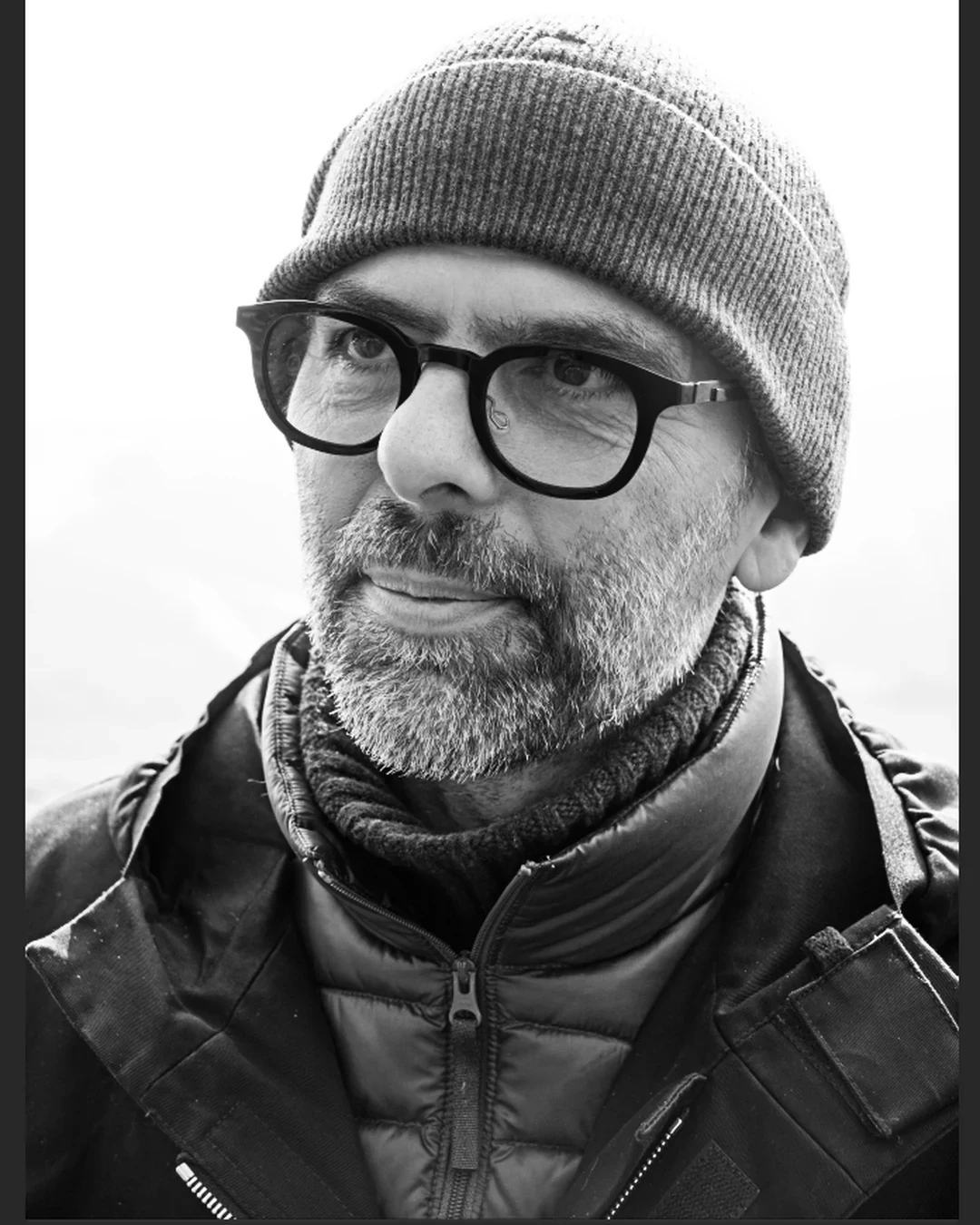
Portrait of André Ostertag
i. Biography
Alsatian wine can be worked through variety, site, élevage, and farming regime; at Domaine Ostertag in Epfig, France, those choices are organized around dry fermentations, biodynamic practice, Burgundy-informed cellar work, and a preference for terroir nuance over varietal formula. As owner and winemaker, André Ostertag is associated with bottles spanning the Muenchberg Grand Cru, Sylvaner, Pinot Gris, Pinot Blanc, and Riesling. Organic AB certification and Demeter biodynamic certification in 1998 remain key public markers of the domaine’s farming direction.
The Sunday letter
Read Made By's new profiles every Sunday.
Meet the chefs, winemakers and sommeliers behind the places we cover. See a sample below before you subscribe.
See a sample of the Sunday emailOne email a week. Unsubscribe from any issue.
The Climb
Burgundy training supplied a framework for cellar judgment rather than a template to copy. In André Ostertag’s work at Domaine Ostertag, that education shows in patient fermentations, attention to texture, and a cellar stance that treats place as something to clarify rather than cover. He has been owner and winemaker of Domaine Ostertag since 1980. Alsace, worked from Epfig, is presented here as more than a grid of grape names. The wines are shaped around the tension between fruit and mineral, ripeness and dryness, vintage warmth and site signature. The career, in practical terms, has been a long narrowing of method: fewer easy formulas, more close reading of what each parcel and category can carry.
Today
Biodynamic Alsatian wine at Domaine Ostertag is tied to vineyards that include the Muenchberg Grand Cru, described as his flagship parcel. The domaine’s position is rooted in established land while remaining willing to question inherited categories when those categories do not match the wine in the glass. Sylvaner has a visible place in this work. So does the Pinot family, where André Ostertag is closely linked with barrique aging for Alsatian Pinot Gris and Pinot Blanc, fermenting most wines completely dry and using oak with restraint. The oak comes exclusively from the Vosges Mountains, and for his Pinots he prefers barriques to traditional foudres. The reference point is Burgundian in shape, but the accent remains Alsatian. The cellar follows a Burgundian fashion with indigenous yeasts and long fermentations, often resulting in dry wines. Rather than leaning on official A.O.C. Classifications, André Ostertag groups wines as Vins de Fruit, Vins de Pierre, and Vin de Temps. The system shifts the working language toward fruit, stone, and time: immediate aromatic expression, mineral structure, or the register of patience and development. Several bottlings show how that framework is used. A360P is the code used for his Pinot Gris parcel after his Muenchberg Grand Cru Pinot Gris was not approved to state Muenchberg Grand Cru on the label. The Domaine Ostertag Pinot bottling, a Pinot Blanc and Pinot Gris blend, is noted for stone fruit, floral character, and food-friendliness. A 1999 Riesling also sits within the domaine’s dry, site-conscious Riesling work.
Career - Owner and winemaker — Domaine Ostertag, Epfig, Alsace, France (1980–present) Education: Burgundy
Signature
Signature bottlings include Muenchberg Grand Cru parcel, A360P, and Domaine Ostertag 'Pinot' bottling. Read together, they mark the working concerns of the domaine: grand cru identity, the expression of a particular Pinot Gris parcel, and a Pinot blend built around texture, fragrance, and usefulness at the table.
Recognition
Organic AB certification and Demeter biodynamic certification arrived in 1998, giving formal recognition to the farming direction of the domaine. That certified biodynamic status now stands beside the house’s associations with Muenchberg, Sylvaner, dry fermentations, Vosges oak, and a classification language based on fruit, stone, and time.
FAQ What is André Ostertag's current role? André Ostertag is Owner and Winemaker. What is André Ostertag known for? Sylvaner; he is described as a champion of the grape.
Explore
In the same rooms

Similar Artisans


The Sunday letter
Get the next Made By profile in your inbox.
We send one email every Sunday morning with the people we profiled that week.
See a sample of the Sunday emailOne email a week. Unsubscribe from any issue.