Chef
Andrew Tarlow
- Discipline
- Chef
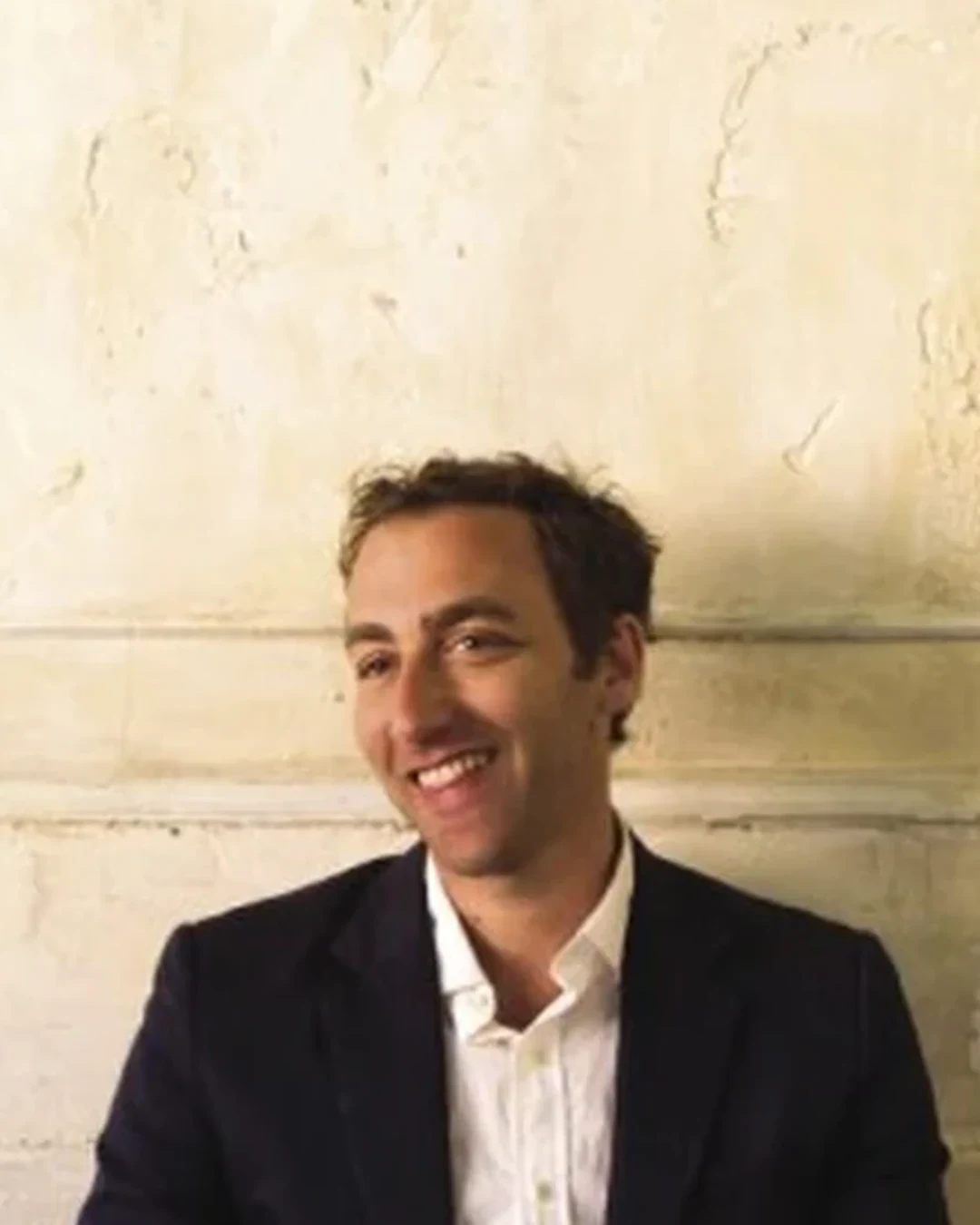
Portrait of Andrew Tarlow
i. Biography
A recognizable restaurant language can be built from sourcing, rooms, and repetition rather than novelty. In Andrew Tarlow’s work, that language has centered on local, seasonal, sustainable food; relationships with farmers in upstate New York and surrounding regions; and the slow structure of cassoulet, the dish that first gave him a way to think through rustic, French-leaning cooking. The restaurants read as related rooms: shaped by neighborhood grain, service, and the labor behind the plate.
The Sunday letter
Read Made By's new profiles every Sunday.
Meet the chefs, winemakers and sommeliers behind the places we cover. See a sample below before you subscribe.
See a sample of the Sunday emailOne email a week. Unsubscribe from any issue.
The Path
A restaurant career can establish its grammar through rooms as much as menus. Early in his career, Andrew Tarlow made his mark as a restaurateur at Reynard and Wythe Hotel, while also operating the casual bar Achilles Heel in Greenpoint, Brooklyn (until 2026). Those chapters worked in a register of atmosphere rather than gloss: warm service, useful rooms, and food that stayed direct while still considered. Longevity in a dining room is its own form of craft discipline. Today, Andrew is known as the restaurateur who opened Diner (since 1998), and as restaurateur of Roman’s and Borgo. Across those places, the recurring concerns are clear: ingredients with provenance, rooms with texture, and hospitality that starts before a plate reaches the table.
The Work Today
A neighborhood restaurant that holds its place over decades depends on sourcing habits, service habits, and a room that can absorb daily use. Tarlow is owner of Diner, the Williamsburg restaurant he opened with Mark Firth in 1998, a long run in a city where dining rooms can vanish quickly. Diner’s endurance gives the work one of its main reference points: a place tied to its neighborhood rhythms and to a broader approach built from seasonality, sustainability, and close relationships with farmers in upstate New York and surrounding regions. Expansion into Manhattan changes the address, not the basic trade question. Borgo is his first Manhattan restaurant, opened on East 27th Street. The role remains precise: restaurateur, working through places with their own materials, pace, and neighborhood grain. The through-line is practical and durable—how a restaurant feels over time, how generosity holds its edge, and how care shows in small gestures. A closed or former room still belongs to a working map. Achilles Heel now belongs to the past tense of his career. Its placement in Greenpoint, Brooklyn, and its life as a casual bar remain part of the larger pattern: another cadence, another service model, another expression of hospitality within the same body of work.
Career - Restaurateur; opened restaurant — Diner, Williamsburg, Brooklyn (1998–present) - Restaurateur — Roman’s - Restaurateur — Borgo, Manhattan - Restaurateur — Reynard, Wythe Hotel - Restaurateur; operated casual bar — Achilles Heel, Greenpoint, Brooklyn (until 2026)
Signature
A signature can be read through the dishes that define appetite, patience, and point of view. Andrew's signature dishes include cassoulet, fajitas stuffed with salt cod, and chiles rellenos. Cassoulet, especially, sits near the origin point of his French-leaning rustic vocabulary: a dish of depth, time, and substance. Set beside fajitas stuffed with salt cod and chiles rellenos, it marks a preference for food with weight and directness rather than polish for its own sake.
In Their Words “The inception of this business is actually serving people, and taking care of them, and being a part of a dining experience.”
Acclaim
Recognition in restaurant work can be measured by duration, openings, and the specificity of place. In Tarlow’s case, the visible arc includes a 1998 Williamsburg opening at Diner, a 2004 Brooklyn opening at Marlow & Sons, a long-running Greenpoint bar, and a first Manhattan restaurant on East 27th Street. The body of work is not carried by one element. Farmers in upstate New York and surrounding regions, seasonal buying, sustainable commitments, the cassoulet that shaped a French-leaning rustic vocabulary, and
Explore



The Sunday letter
Get the next Made By profile in your inbox.
We send one email every Sunday morning with the people we profiled that week.
See a sample of the Sunday emailOne email a week. Unsubscribe from any issue.