
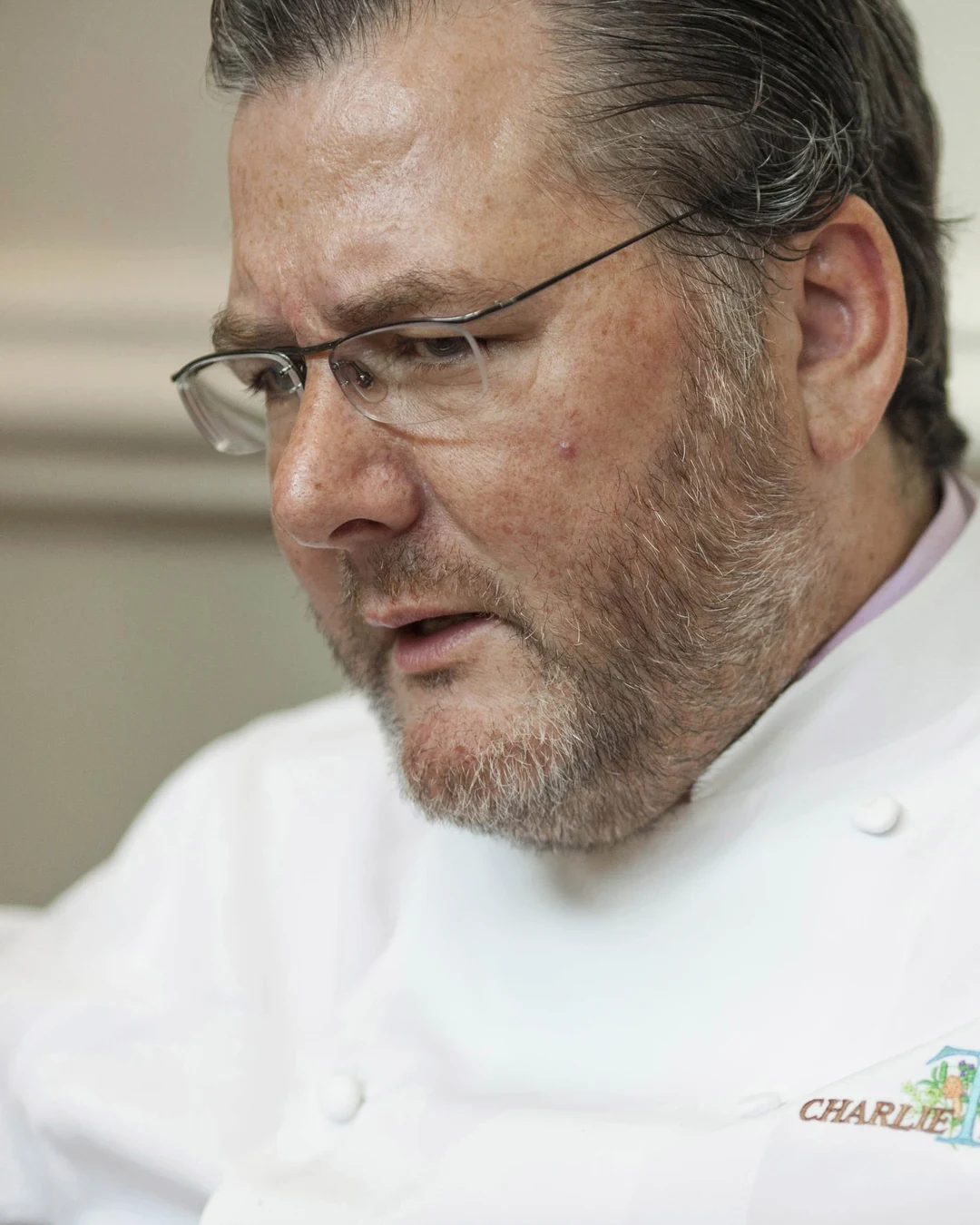
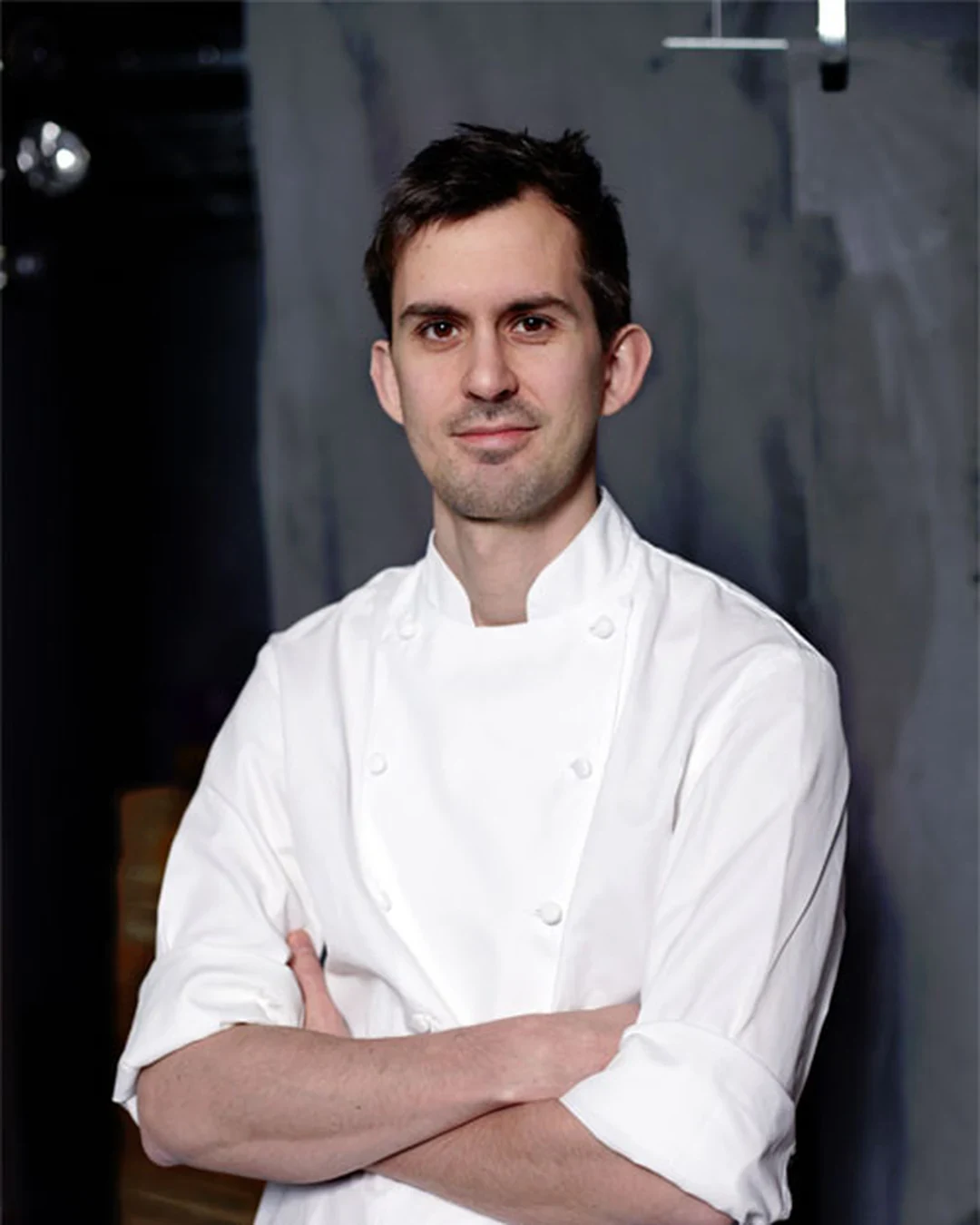
Portrait of Bill Kim
i. Biography
“I’ve been always an underdog in my life, and no matter where I go, I try to adapt to the situation.” In Bill Kim’s work, adaptation is not an attitude tacked on after the fact; it is the operating logic. A life that began in Seoul, South Korea, continued in the United States at age seven, and moved through demanding kitchens shows up later in the food itself: dumplings, noodles, and counter service handled with speed and intent.
The Sunday letter
Read Made By's new profiles every Sunday.
Meet the chefs, winemakers and sommeliers behind the places we cover. See a sample below before you subscribe.
See a sample of the Sunday emailOne email a week. Unsubscribe from any issue.
The Climb
Kendall College gave Bill Kim the base he needed for the pace and discipline of restaurant work. From there, the line through his kitchens reads as a study in range under pressure. He worked with Pierre Pollin at Le Titi de Paris in Arlington Heights, Illinois, and with Jean Banchet at Ciboulette in Atlanta, Georgia. He went on to serve as sous chef at Charlie Trotter's in Chicago, Illinois, then sous chef at Bouley Bakery in New York, New York, and sous chef at Susanna Foo in Philadelphia, Pennsylvania. That sequence marks more than movement between cities. It shows a chef learning how to function in different systems, absorb different standards, and keep his cooking responsive to the room he was in. He returned to Charlie Trotter's in Chicago, Illinois as Head Chef, then became Executive Chef at Le Lan, where he later reflected on one of the defining moments of his career: “I’ve worked in a number of restaurants, but my first role as an Executive Chef was at Le Lan, a French-Asian restaurant.” Today, Bill is chef and owner of urbanbelly (since 2008), owner of Belly Shack (since 2009), co-opener of BellyQ (since 2012), and partner in opening of The Table at Crate (since 2019).
Today
Since 2008, Kim has been chef and owner at Urban Belly in Chicago, also known as Urbanbelly. The restaurant helped establish the chef-driven counter service format as something that could carry a clear point of view in American dining. At Urban Belly, the priorities are legibility and pace: dumplings, noodles, and related dishes presented without ceremony, but with enough control to make the style unmistakable. The throughline in Kim’s work is responsiveness. Place, ingredient access, format, and appetite are treated as conditions to work with rather than constraints to resist. That is what sits behind one of his clearest comments on seasonality and sourcing: “What really gives me an advantage over here is the produce, the beautiful markets year round and ours is only for six months,” he said. The statement is practical, not romantic: use what the market gives you, and build food that meets the moment.
Career - chef and owner — urbanbelly (2008–present) - owner — Belly Shack (2009–present) - co-opener — BellyQ (2012–present) - partner in opening — The Table at Crate (2019–present) - worked with Pierre Pollin — Le Titi de Paris, Arlington Heights, Illinois - worked with Jean Banchet — Ciboulette, Atlanta, Georgia - sous chef — Charlie Trotter's, Chicago, Illinois - sous chef — Bouley Bakery, New York, New York - sous chef — Susanna Foo, Philadelphia, Pennsylvania - Head Chef — Charlie Trotter's, Chicago, Illinois - Executive Chef — Le Lan Education: Kendall College
Signature
Bill's signature dishes include Korean BBQ, Urbanbelly, Demon Beef Kimchi Ramen, and Korean Fried Chicken + Rice Cakes. The names point to a broad but controlled register: familiar flavors, heat, texture, and directness handled in a way that makes the dish register quickly and stay there.
In Their Words “What really gives me an advantage over here is the produce, the beautiful markets year round and ours is only for six months.” “I’ve worked in a number of restaurants, but my first role as an Executive Chef was at Le Lan, a French-Asian restaurant.”
Recognition
Urban Belly’s recognition reflects a shift in how casual food could be read in the United States. The format is stripped down, but the cooking stays specific; the service is efficient, but the authorship is evident. Dumplings, noodles, and more are doing the work of h

The Sunday letter
Get the next Made By profile in your inbox.
We send one email every Sunday morning with the people we profiled that week.
See a sample of the Sunday emailOne email a week. Unsubscribe from any issue.