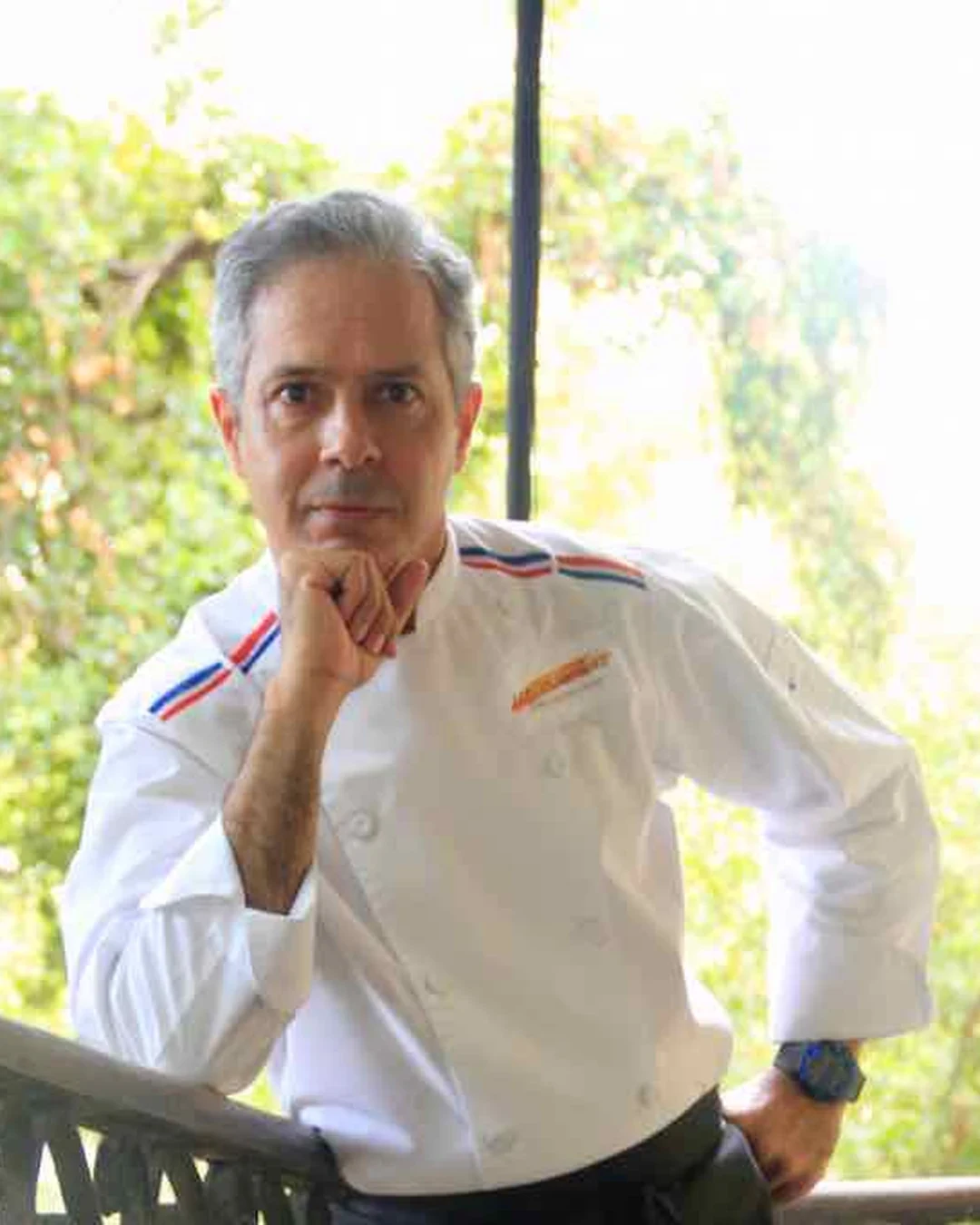
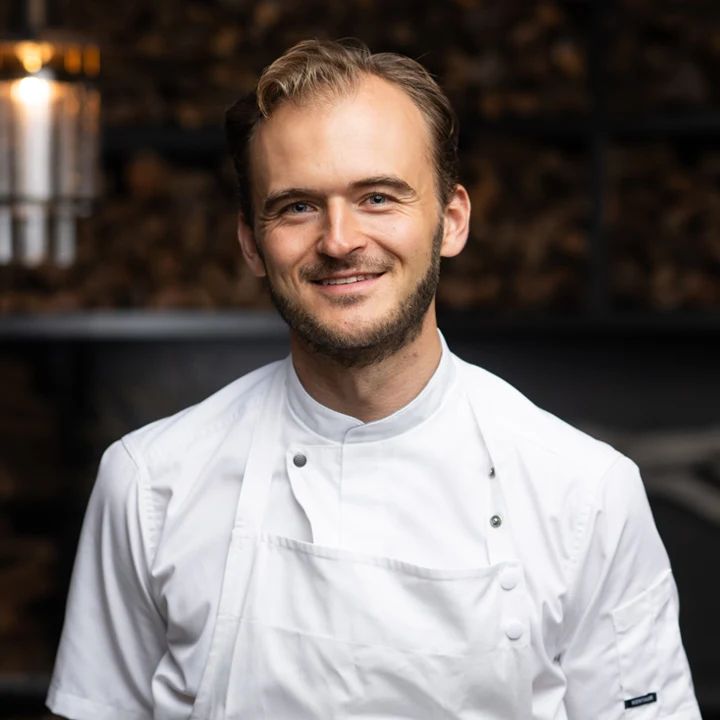
Portrait of Carlos Estevez
i. Biography
The recognition sits on a tight piece of Venezuelan craft: the arepa handled as the main structure of street and home cooking, not as an incidental bread or a fast carrier. In Carlos Estevez’s work, the cornmeal round is judged by heat, texture, and load-bearing: enough crispness to register, enough tenderness to eat cleanly, and enough structure to hold generosity without collapse.
The Sunday letter
Read Made By's new profiles every Sunday.
Meet the chefs, winemakers and sommeliers behind the places we cover. See a sample below before you subscribe.
See a sample of the Sunday emailOne email a week. Unsubscribe from any issue.
The Honours
Recognition for an arepa-focused chef gives public weight to a format often filed under speed, comfort, and daily eating. The round, golden form reads as simple because it is familiar; the work behind it is making that simplicity complete. In Carlos Estevez’s case, the honour points to precision in a food that is easy to underestimate because it is so approachable. The accolade attaches to a menu with a defined center. Venezuelan food is not treated here as a broad survey; the work circles the arepa, a cornmeal round with roots in both street cooking and home kitchens. That concentration matters. Estevez’s achievement is tied to returning to one essential form and refining its pleasures rather than widening the field for effect. The honour also frames the arepa as a working vessel for memory, technique, and appetite. Its everyday character remains intact: food built to be held, filled, and eaten while still requiring control at every point.
The Craft
At the restaurant, the arepa is not treated as a neutral shell. Filling, masa texture, and structural integrity are calibrated so the exterior is meant to stay intact while the fillings are served warm. In Carlos Estevez’s handling, that technical aim is central: the dish has to hold together while preserving crispness, tenderness, and abundance. The standard is tactile before it is culinary. An arepa meets the hand first; it has to feel substantial without becoming heavy, crisp without turning brittle, and filled without becoming overloaded. Estevez’s work depends on those small adjustments. The masa needs enough presence to support what it carries, and the filling needs to stay warm without making the round soggy or unruly. The Doggi's arepa is the signature work, described by Estevez as a reinvention of the traditional arepa. Its defining qualities are texture and crispiness, with the stated goal of avoiding the soggy or messy result that can flatten a filled cornmeal round. The reinvention is not a rejection of familiarity; it sharpens the eating: a clean first bite, filling held in place, and contrast between exterior and interior still active. The food also carries a visual and brand decision. Estevez aimed to move the business away from a traditional folkloric look and give it a youthful vibe. That places the cooking in a contemporary frame while keeping the menu built around a Venezuelan staple. The language around the food may be newer, but the center remains cornmeal, heat, filling, and the satisfaction of something designed to be held close.
The Career
In 2016, Estevez was co-owner of Doggi's Arepa Bar in Miami. That role placed the craft inside the full identity of the business: the cooking, the look, the service rhythm, and the way a Venezuelan staple was presented to a wider public without being blurred into something generic. The discipline is consistent: making a familiar form precise enough to be read beyond its own neighborhood. For Carlos Estevez, the arepa is not just a platform for fillings. It is the argument itself — compact, warm, carefully built, and strong enough to carry a culinary point of view.
FAQ What is Carlos Estevez's current role? Carlos Estevez is Chef. What is Carlos Estevez known for? Focused Venezuelan menu built around arepas, the cornmeal rounds described as the backbone of Venezuelan street and home cooking. What recognition has Carlos Estevez received? Opinionated About Dining Cheap Eats placement; most recently ranked #275 in 2025 (2025).

The Sunday letter
Get the next Made By profile in your inbox.
We send one email every Sunday morning with the people we profiled that week.
See a sample of the Sunday emailOne email a week. Unsubscribe from any issue.