i. Biography
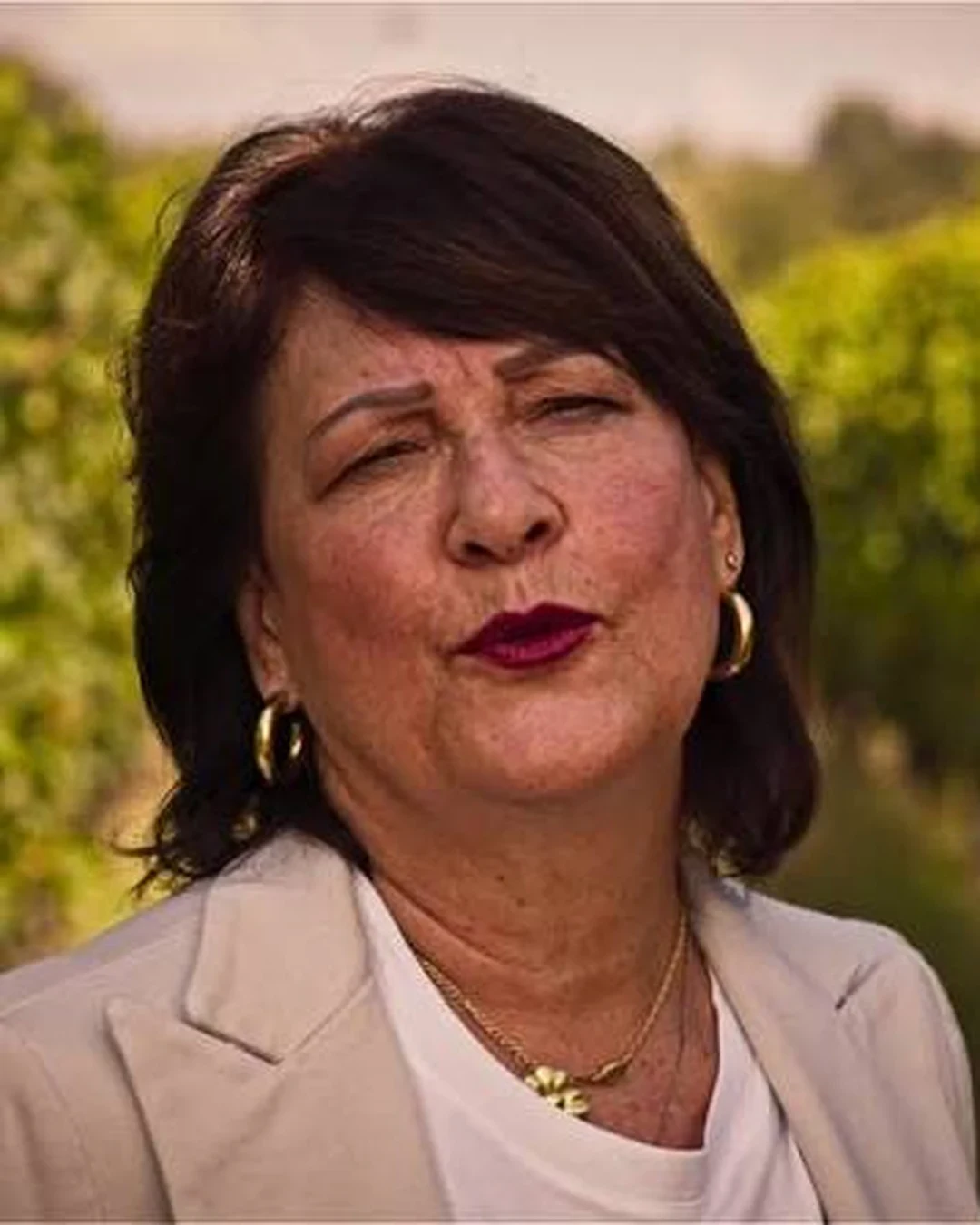
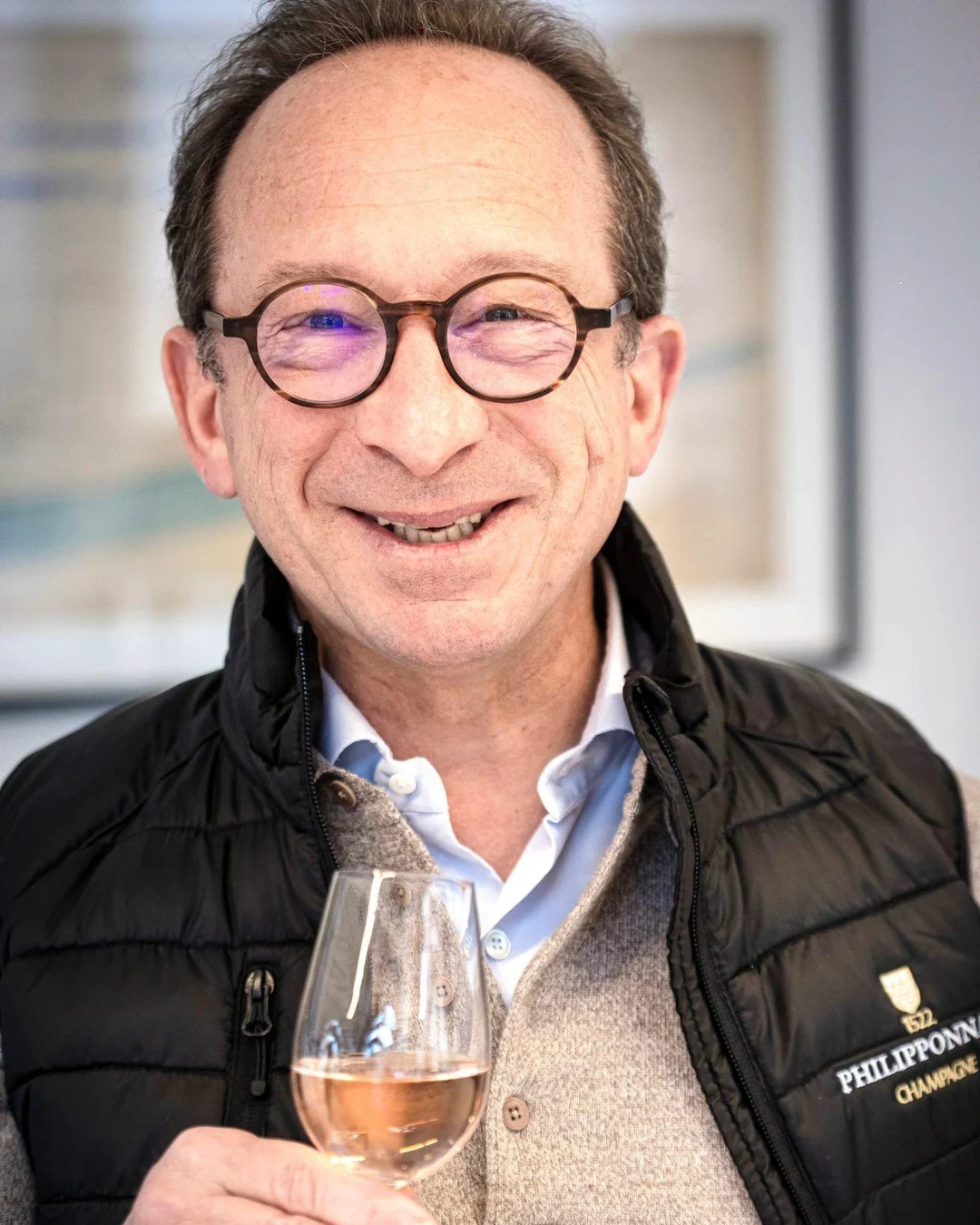
The Philipponnats started in Aÿ in 1522, and that date gives Charles Philipponnat’s place in the house a weight that comes from continuity rather than claim. In Champagne, lineage is part of the work: it sets the frame for how a house is read, and for how style is kept legible over time.
The Work Today
In 1999, Charles Philipponnat took on the role of chef d'entreprise at Champagne Philipponnat, marking the start of his career at the house that shares his name. That role sits at the point where house style, timing, and method have to be held together without drift. At Champagne Philipponnat, the emphasis is on continuity: keeping the structure clear, composed, and the wines expressive without excess.
Career - Chef d'entreprise — Champagne Philipponnat (from 1999)
Signature
Charles's signature wines include Royale Réserve, Reserve Rosé, and Royal Réserve Non Dosé. Taken together, they show the house’s register: Pinot Noir-led, fresh in line, and built around ripeness that stays disciplined. Royale Réserve carries the classic house expression. Reserve Rosé adds a more lifted, expressive edge. Royal Réserve Non Dosé strips the frame back further, relying on balance and tension rather than dosage to carry the finish. Across the range, the focus stays on intensity of flavor held by a crisp, precise line.
In Their Words “In summer, I especially appreciate Royal Réserve Non Dosé; this cuvée has even greater liveliness and freshness than other Champagnes, and it really comes into its own in summer.” The point here is simple: some cuvées are built to show more clearly under heat and with the season’s lighter table. Royal Réserve Non Dosé is presented as one of those wines, sharpened by freshness and directness rather than softened by ornament. “Pinot Noir driven, focusing on ripeness and intensity of flavors without oxidative notes, rather a crisp freshness.” That line names the house priority plainly. Pinot Noir provides the frame, but the style is kept away from oxidative character and pushed instead toward freshness, clarity, and a firm sense of line.
Acclaim
Clos des Goisses is the clearest marker of the house’s standing. As a named parcel wine, it occupies an important place in Champagne’s single-vineyard history, and its identity depends on specificity rather than scale. In that sense, it reflects the broader position of Charles Philipponnat within the house: less about display than about maintaining a style that is rooted in place, lineaged in name, and defined by precision.
FAQ What is Charles Philipponnat's current role? As of 2026, Charles Philipponnat is Chef d'entreprise. Where did Charles Philipponnat work before? Charles Philipponnat's earlier career included Champagne Philipponnat. What is Charles Philipponnat known for? Meticulous viticulture based on fruit ripeness and concentration, with first-press juice, cask-fermented or matured lots, extended lees aging, and the solera process.