Winemaker
Emilio Defilippi
- Discipline
- Winemaker
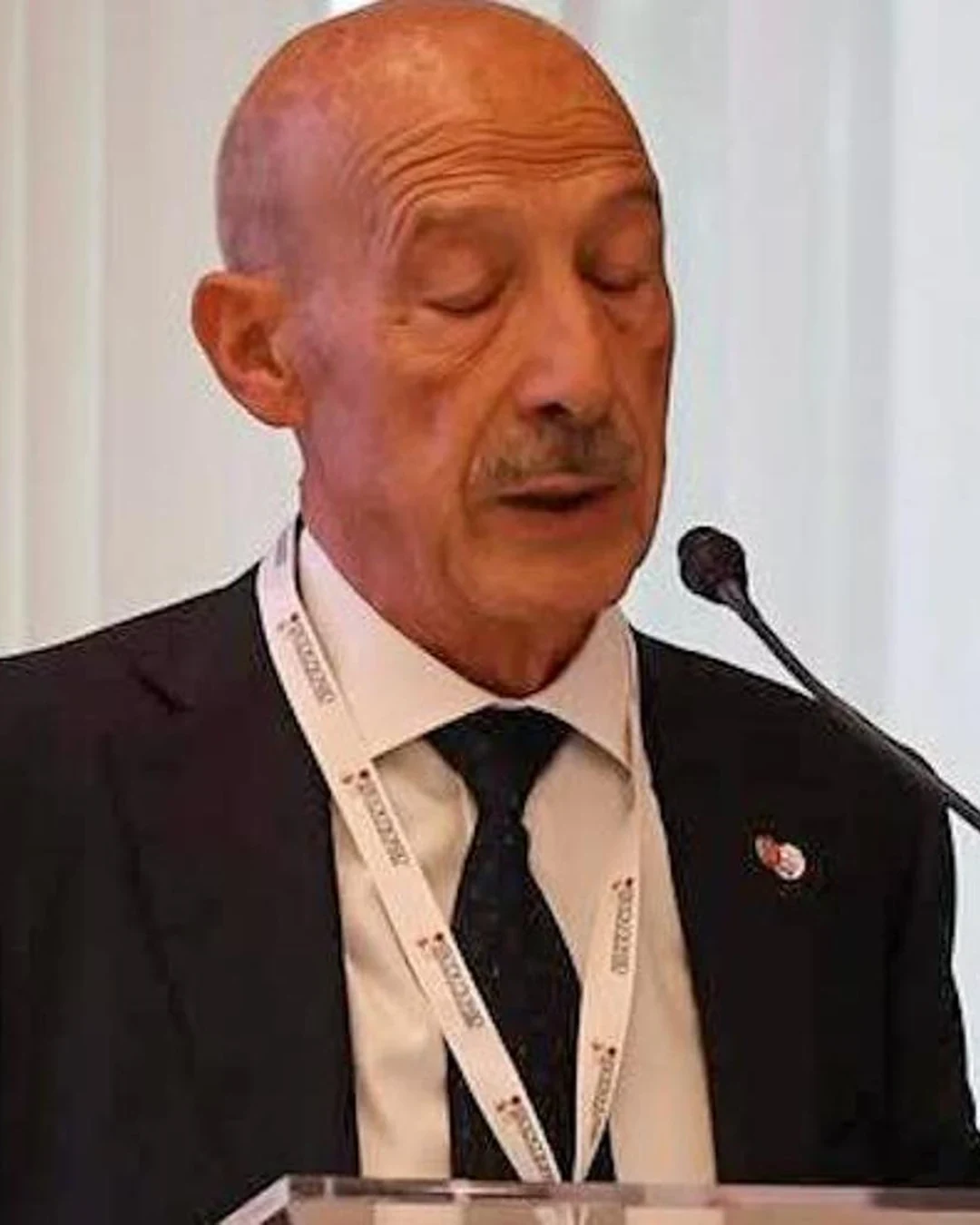
i. Biography
The Path
Oenology works through measured judgment: agriculture, cellar practice, memory, and the discipline to separate preference from assessment. Early service as vice president at Italian Winemakers Association placed Emilio Defilippi inside the formal structures of Italian wine, where technical authority and cultural fluency are part of the same professional register. International wine exchange depends on shared standards as much as shared vocabulary. Defilippi served as a judge at 2015 China Quality Wine Challenge in Beijing (2015), applying trained evaluation in a competitive setting. He appeared as a guest speaker at Second Chinese Winemakers Conference in Beijing (2015), contributing to discussion around winemaking standards, technique, and professional ambition. Institutional oenology carries responsibilities beyond the cellar: representation, discernment, and the maintenance of professional standards. Today, Emilio is co-president of Union Internationale des Œnologues, a role that connects vineyard and institution, production practice and public judgment.
The Work Today
Professional leadership in enology is built on standards that can travel across regions and languages. In 2024 and again in 2025, Defilippi is identified as co-president of the Union Internationale des Oenologues in Paris, France, also styled Union Internationale des Œnologues. The role extends a line from Italian association work to international representation for the enology profession. Certified organic winegrowing sets the vineyard as the first technical site, before cellar decisions begin. At I Gessi Winery in Oliva Gessi, in the province of Pavia, Italy, Defilippi’s technical identity is tied to certified organic wines from vineyards in Oltrepo Pavese planted with Barbera, Croatina, Pinot Noir, Pinot Grigio, Cabernet Sauvignon, and Riesling. A planting mix of Barbera, Croatina, Pinot Noir, Pinot Grigio, Cabernet Sauvignon, and Riesling places local varieties beside international ones. For an enologist, that range requires attention to regional character and broader technical vocabulary at the same time. Organic certification gives the work a defined agricultural frame, keeping the vineyard central to how the wine is understood.
Career - Co-president — Union Internationale des Œnologues, Milan - Vice president — Italian Winemakers Association - Judge — 2015 China Quality Wine Challenge, Beijing (2015) - Guest speaker — Second Chinese Winemakers Conference, Beijing (2015)
Signature
A signature wine can work as a compact statement of variety, place, and technical intent. Emilio's signature wines include Riesling IGT Province of Pavia, linking I Gessi Winery with the province of Pavia through a named grape and appellation frame.
In Their Words “Overall, the quality of the wines in this year's competition has improved greatly compared with last year. In terms of wine quality, no country can have perfect wines; otherwise winemakers would be out of work.” “A good enologist can be said to be the soul-level figure of a cellar or winery, at least from the technical level and also from the cellar-management level.”
Acclaim
Recognition in enology often shows up as responsibility rather than decoration. Defilippi’s recognition is tied to vice president of Assoenologi in Italy and co-president of the Union Internationale des Œnologues in Paris in 2025. Those titles mark trust placed in technical judgment, institutional representation, and the ability to speak for the enologist’s role. In this profile, acclaim functions as evidence of professional confidence: the confidence to evaluate, to lead, and to articulate how wine is shaped from the technical level and from the cellar-management level.
FAQ What is Emilio Defilippi's current role? As of 2026, Emilio Defilippi is co-president of the Union Internationale des Œnologues. What is Emilio Defilippi known for? Certified organic wines from vineyards in Oltrepo Pavese planted with Barbera,


