i. Biography
The grower model at Egly-Ouriet is built on old-vine farming, estate bottling, and a Pinot Noir-dominant reading of Champagne. Since the early 1980s, Francis Egly has used the family name on the label as a direct extension of vineyard work: ripeness, site, time on lees, and restraint in dosage carrying more weight than house formula.
The Path
Estate leadership in Ambonnay has remained tied to grower practice rather than reinvention. Since 1982, Francis Egly has led the family estate of Egly-Ouriet as a fourth-generation grower, sharpening attention on the vineyards and on the character they can carry when farmed and handled with precision. Bottling under the family name in the early 1980s gave the estate’s work a more direct register. The through-line has been old vines, exacting farming, and Champagne built for maturity and structure rather than embellishment.
The Work Today
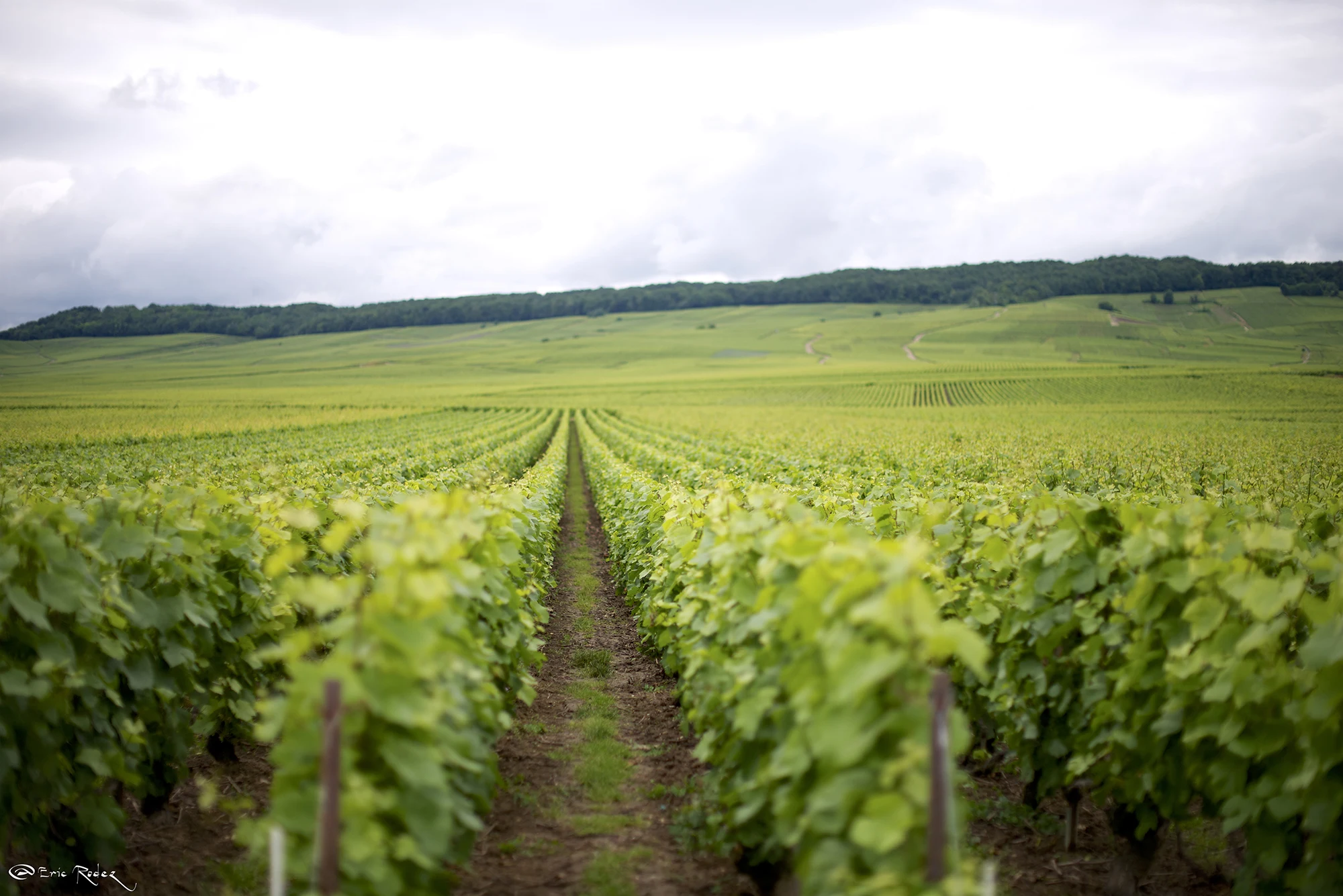
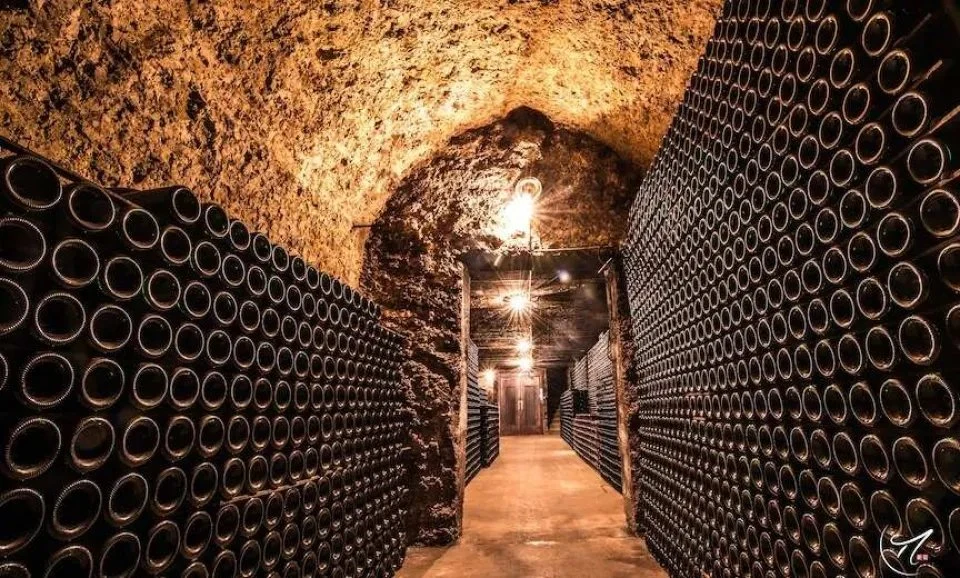
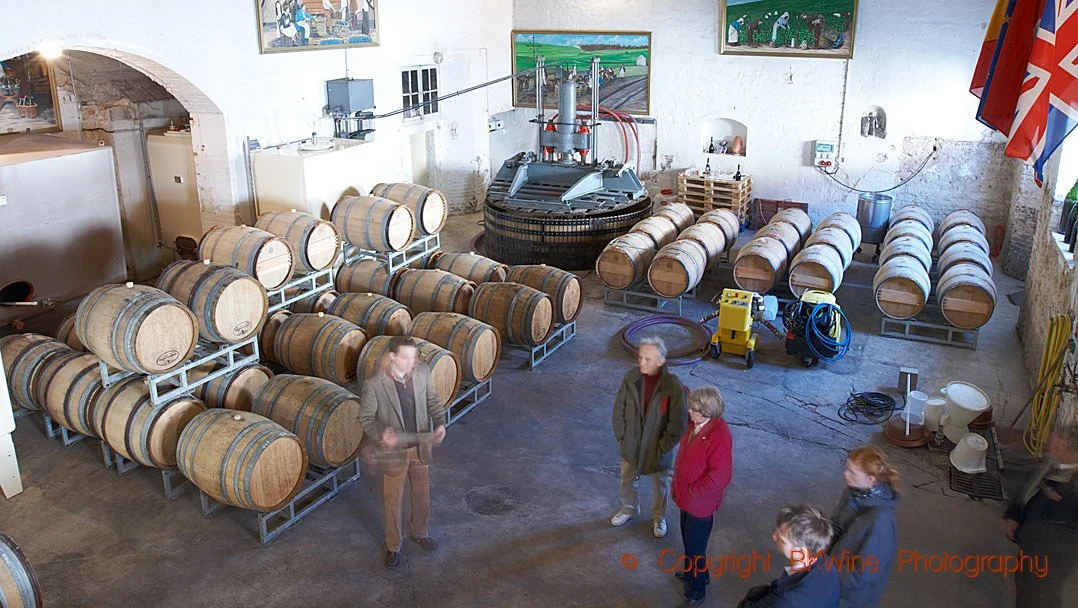
Pinot Noir-based Champagne from Grand Cru vineyards in Ambonnay, Bouzy and Verzenay forms the center of the work, with premier cru Pinot Meunier vineyards in Vrigny also part of the estate’s range. In Francis Egly’s hands, the model is terroir-driven grower Champagne shaped by fruit source, farming, and long aging rather than a broader négociant approach. Vineyard work is the first control point. Francis Egly’s stated emphasis is diligent farming to control yields and obtain truly ripe grapes, supported by organic farming, replanting with massal selections, yield restriction, and harvesting at full ripeness. The target is concentration with enough structure and presence for extended aging. Cellar handling follows the same logic of material first, intervention second. Grapes are hand-harvested at full ripeness, pressed full cluster in a refrigerated gentle press, fermented on indigenous yeasts, and raised in French oak barrels and tanks. Malolactic fermentation is allowed or blocked depending on vintage needs. Very ripe grapes and barrel aging for years longer than almost any other Champagne house are central to the estate’s working rhythm. Extended lees aging is a defining technical choice. Francis Egly holds that complexity and terroir expression increase with prolonged time on fine lees in bottle; three to four years is a minimum. Dosage is very low, and the wines are bottled unfined and unfiltered, leaving density and texture intact. The finished Champagnes are known for power and depth, concentrated fruit, and textural detail. The house style has been described as sitting between Champagne and great Burgundy, with wines of texture, depth and longevity. Two bottlings show the method clearly. Blanc de Noirs Les Crayères has been cited by The Wine Advocate’s Kristaps Karklins as exceptional and among the best wines in Montagne de Reims. Grand Cru Extra Brut is described as a commanding and detailed expression of Ambonnay Grand Cru fruit, vinous and structured.
Signature
Signature bottlings include Blanc de Noirs Les Crayères and Egly-Ouriet Grand Cru Extra Brut.
Acclaim
Recognition for Francis Egly’s work includes Three stars in Le guide des meilleurs vins de France and Top five producers of champagne in The New France.
Profile updated July 2026
FAQ
Asked of Francis
What is Francis Egly's current role?
Francis Egly leads Egly-Ouriet.
What recognition has Francis Egly received?
Three stars in Le guide des meilleurs vins de France.
What is Francis Egly known for?
Terroir-driven grower Champagne.