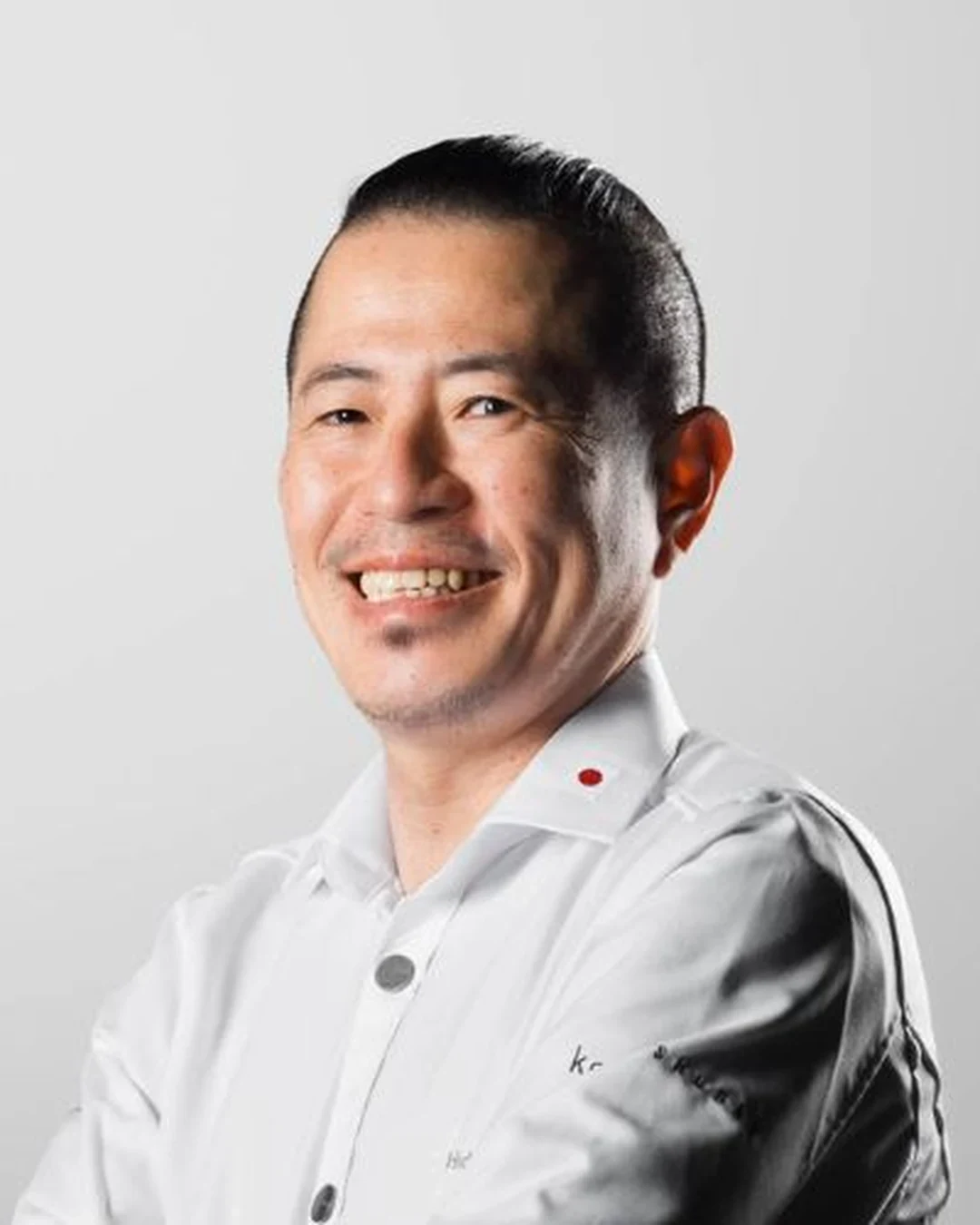
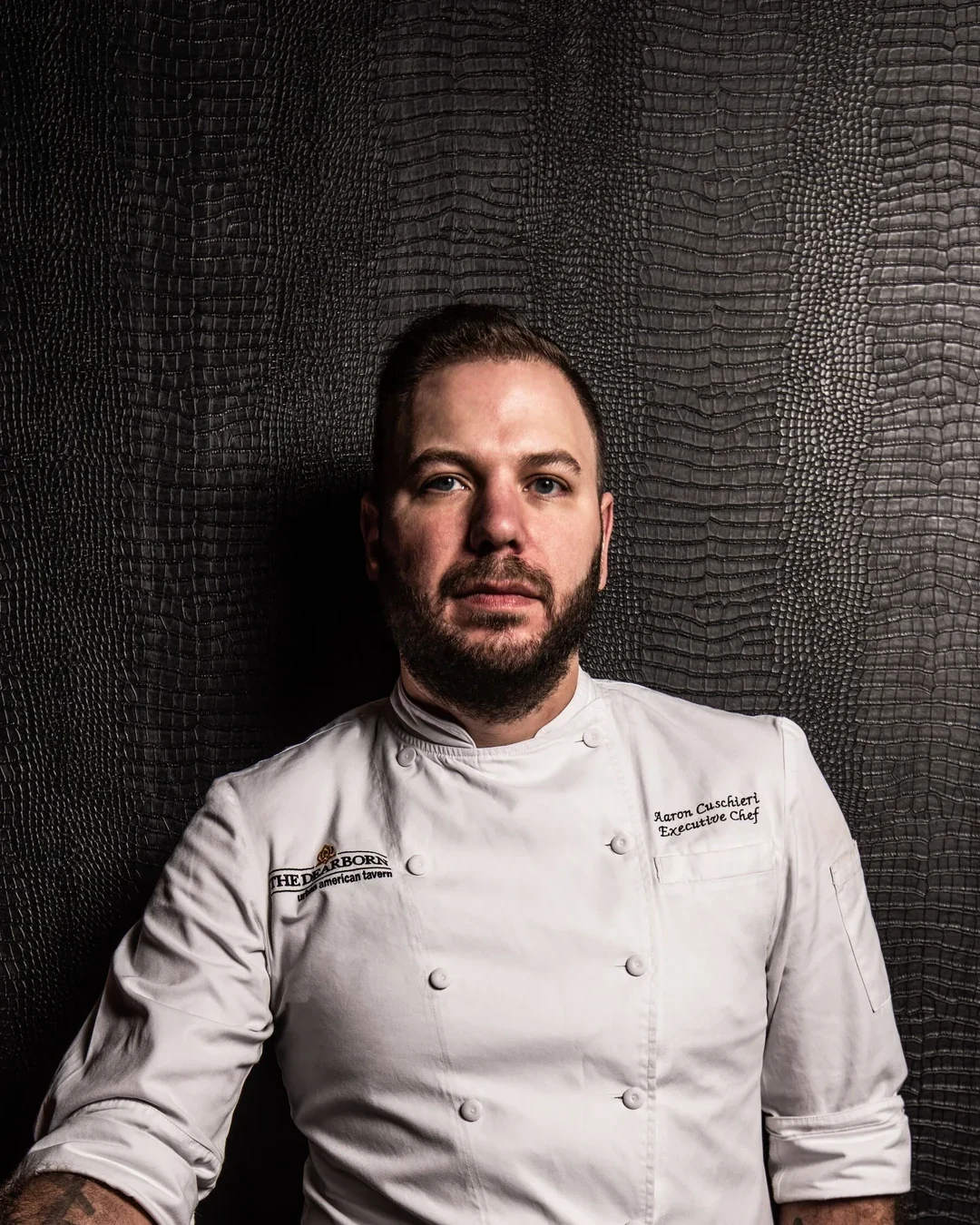
Portrait of Hideki Matsuhisa
i. Biography
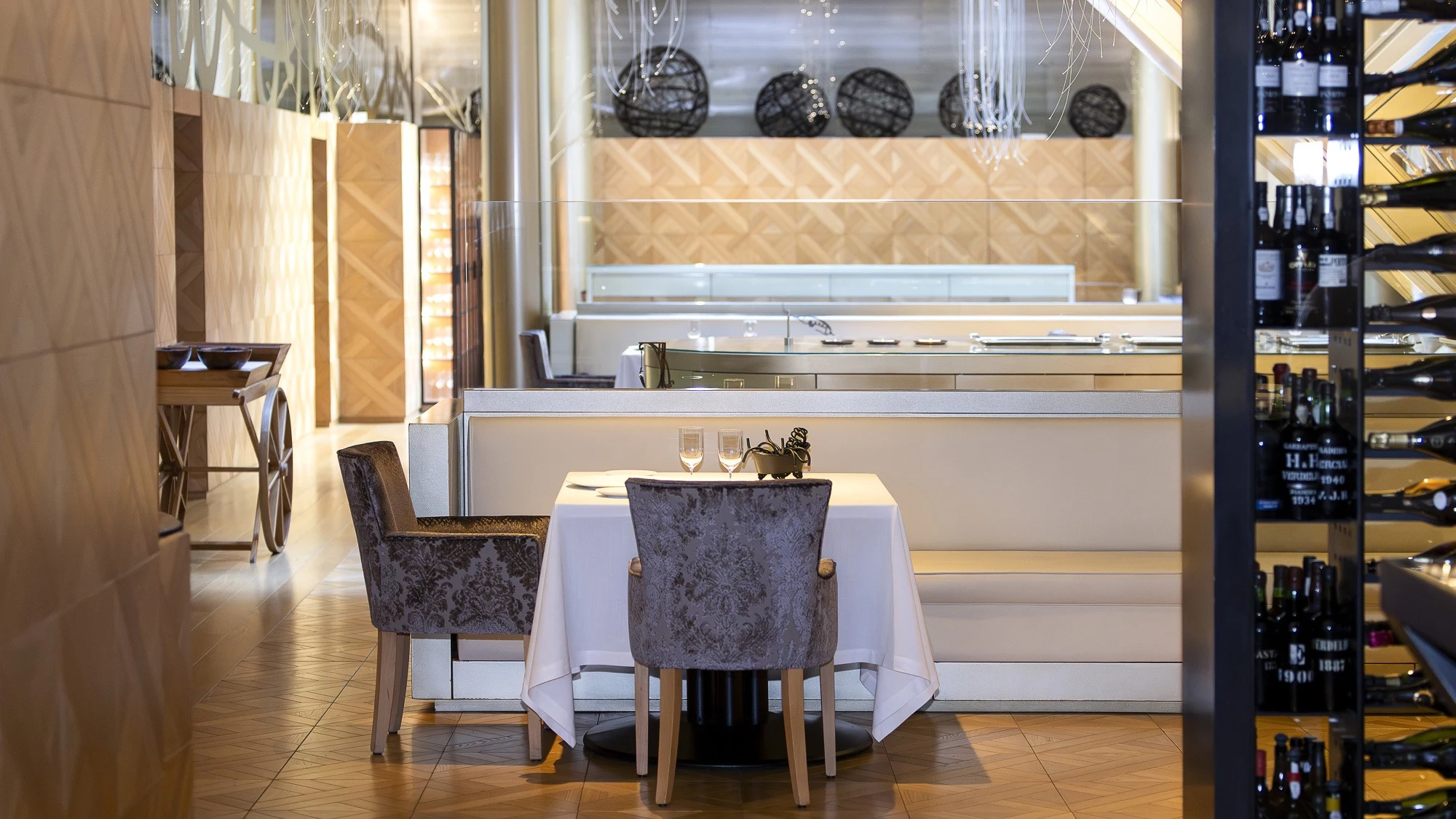
Japanese technique in Barcelona is the operating frame for Hideki Matsuhisa’s work at Koy Shunka in Barcelona, Spain, where he is owner and chef. The line starts in Toyota, Japan, with early exposure to sushi through his father, then runs through work and training in Tokyo, Japanese restaurants in Barcelona, Shunka, and Andorra. Koy Shunka opened in 2009. In 2013, One Michelin star arrived for Koy Shunka, recognizing a kitchen built on Japanese method, restrained handling, and the use of Mediterranean produce.
The Sunday letter
Read Made By's new profiles every Sunday.
Meet the chefs, winemakers and sommeliers behind the places we cover. See a sample below before you subscribe.
See a sample of the Sunday emailOne email a week. Unsubscribe from any issue.
The Path
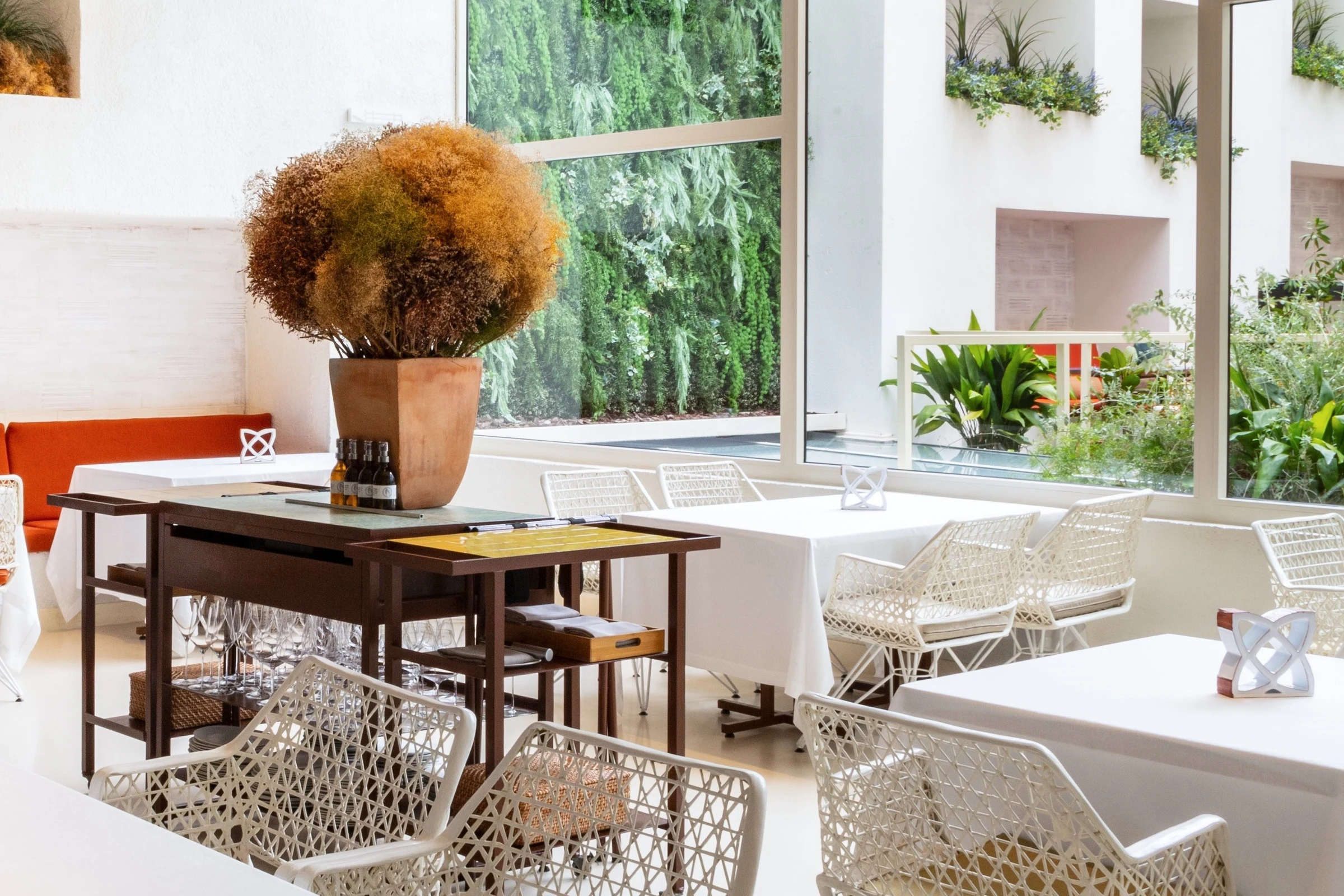
Japanese culinary technique formed the base through work and training in Tokyo, Japan, where Hideki Matsuhisa developed the working grammar of cut, temperature, timing, texture, and balance. The same discipline then moved into several Japanese restaurants in Barcelona, Spain, where the pantry changed and the method had to answer to a different market. Barcelona’s Japanese dining landscape became a long-term base through Shunka, where Matsuhisa became co-owner (since 2001). Koy Shunka followed in 2009, with Matsuhisa as owner and chef, giving the cooking a more defined room for Japanese structure and Mediterranean ingredients. The same craft system extended beyond Barcelona through Koy Hermitage at Sport Hotel Hermitage in Soldeu, Andorra, where Matsuhisa became owner/operator (since 2014). Majide followed (since 2016), then Kokoy by Hideki Matsuhisa (since 2020). Across these roles, the constant is Japanese craft adjusted to the products and pace of the place where it is being cooked.
The Work Today
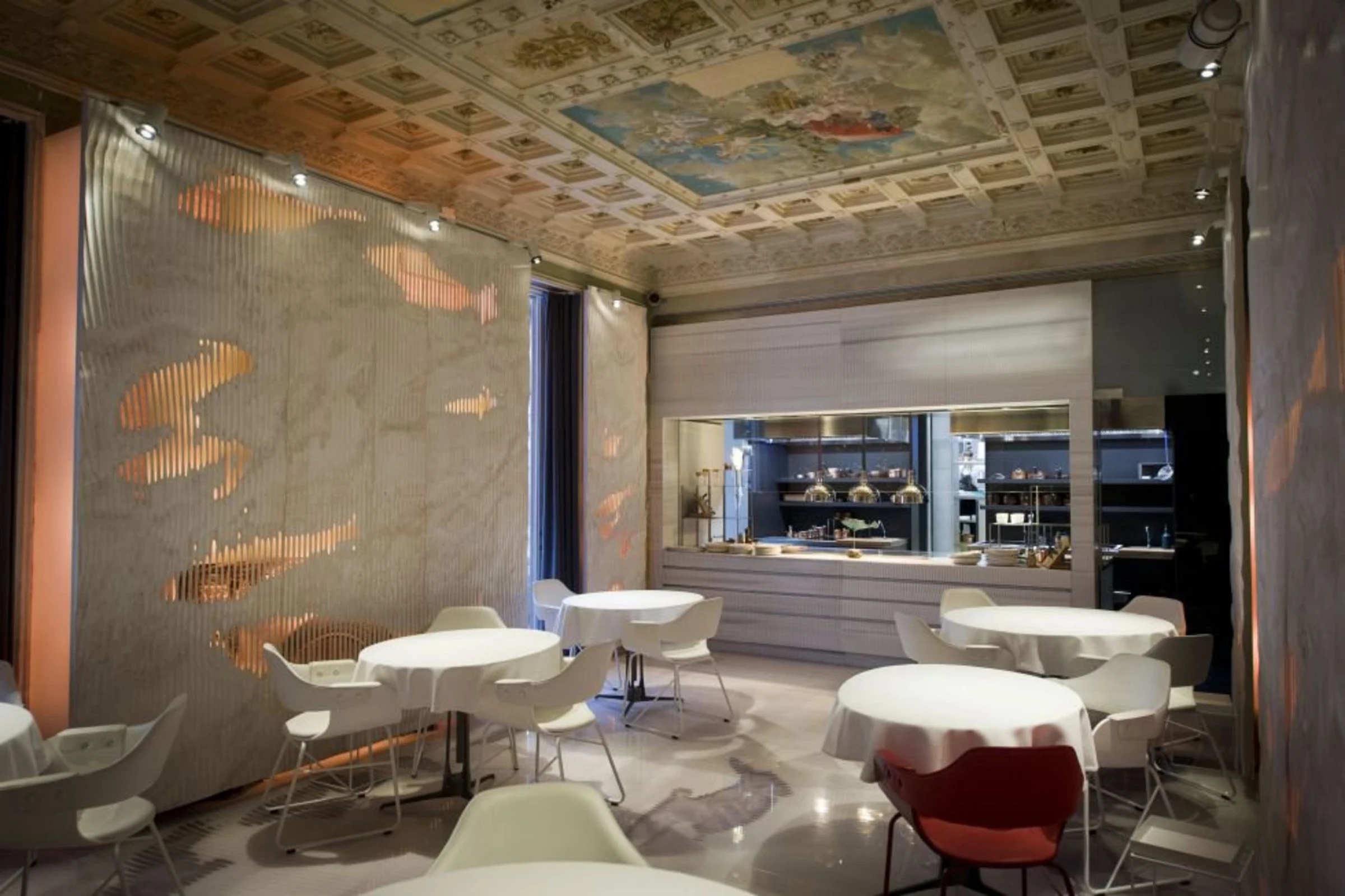
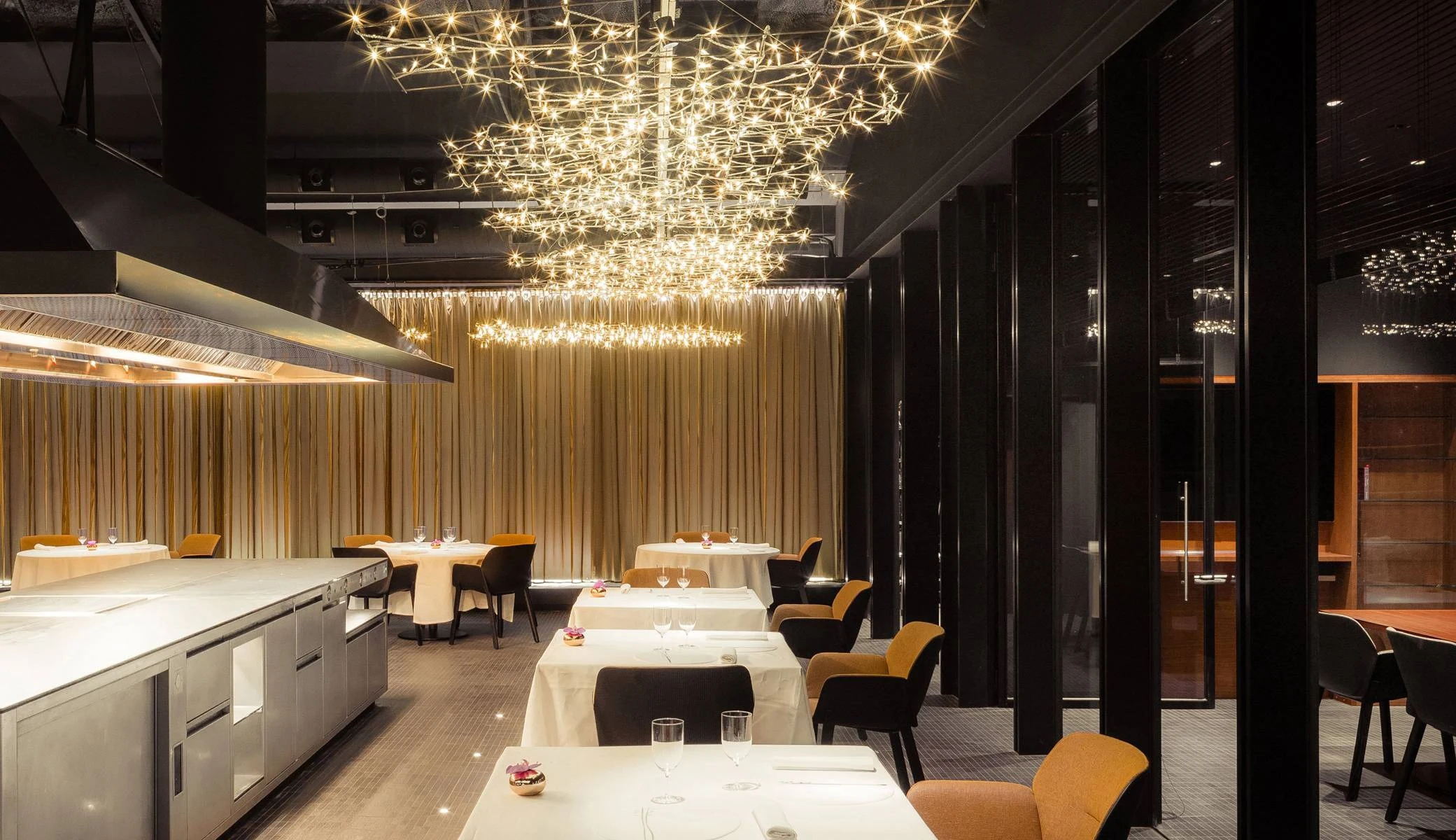
Restaurant building in Barcelona sits behind the current work. In 2001, Matsuhisa became co-owner of Shunka in Barcelona, Spain. In 2009, he opened Koy Shunka in the same city, where he is owner and chef. The restaurant is often framed around the art of handling ingredients; in practical terms, that means technique is the base layer, not decoration. Japanese methods meet Mediterranean ingredients while allowing each side to remain legible. Japanese fusion cuisine using Mediterranean products defines the specialty. The menu can move from Japanese potato chips with foie gras-and-miso dip and intense miso soup frothed like cappuccino to tofu cream with jellied dashi and flying fish roe, grilled eel sushi, and ramen with local Ibérico pork and crayfish tail. The construction depends on contrast held in check: crispness against richness, broth against foam, miso and dashi set beside Mediterranean produce. Seasonality functions as a working rule rather than a slogan. “My kitchen always changes with the seasons, so for this restaurant I have designed a menu that reflects summer.” The method is direct: ingredients shift, and the menu moves with them. The Barcelona base expanded in 2014 with Koy Hermitage at the Sport Hotel Hermitage in Soldeu, Andorra, taking the same cooking language outside the city where Koy Shunka was established. The restaurant’s point of view has also been presented publicly through appearances as chef and speaker for Restaurante Koy Shunka at Alimentaria.
Career - Co-owner — Shunka, Barcelona, Spain (2001–present) - Owner and chef — Koy Shunka, Barcelona, Spain (2009–present) - Owner/operator — Koy Hermitage at Sport Hotel Hermitage, Soldeu, Andorra (2014–present) - Owner/operator — Majide (2016–present) - Owner/operator — Kokoy by Hideki Matsuhisa, Formentera, Spain (2020–present) - Worked and trained in Japanese culinary techniques — Tokyo, Japan - Worked in Japanese restaurants — several Japanese restaurants, Barcelona, Spain
Signature
More broadly, the signature is the handling: Japanese discipline, Mediterranean immediacy, clean structure, and combinations that stay vivid without losing control.
In Their Words “My kitchen always changes with the seasons, so for this restaurant I have designed a menu that reflects summer.”
Acclaim
Hideki Matsuhisa has received Michelin Guide — One Michelin star for Koy Shunka (2013). Recognition for the work includes One Michelin star for Koy Shu
The Sunday letter
Get the next Made By profile in your inbox.
We send one email every Sunday morning with the people we profiled that week.
See a sample of the Sunday emailOne email a week. Unsubscribe from any issue.