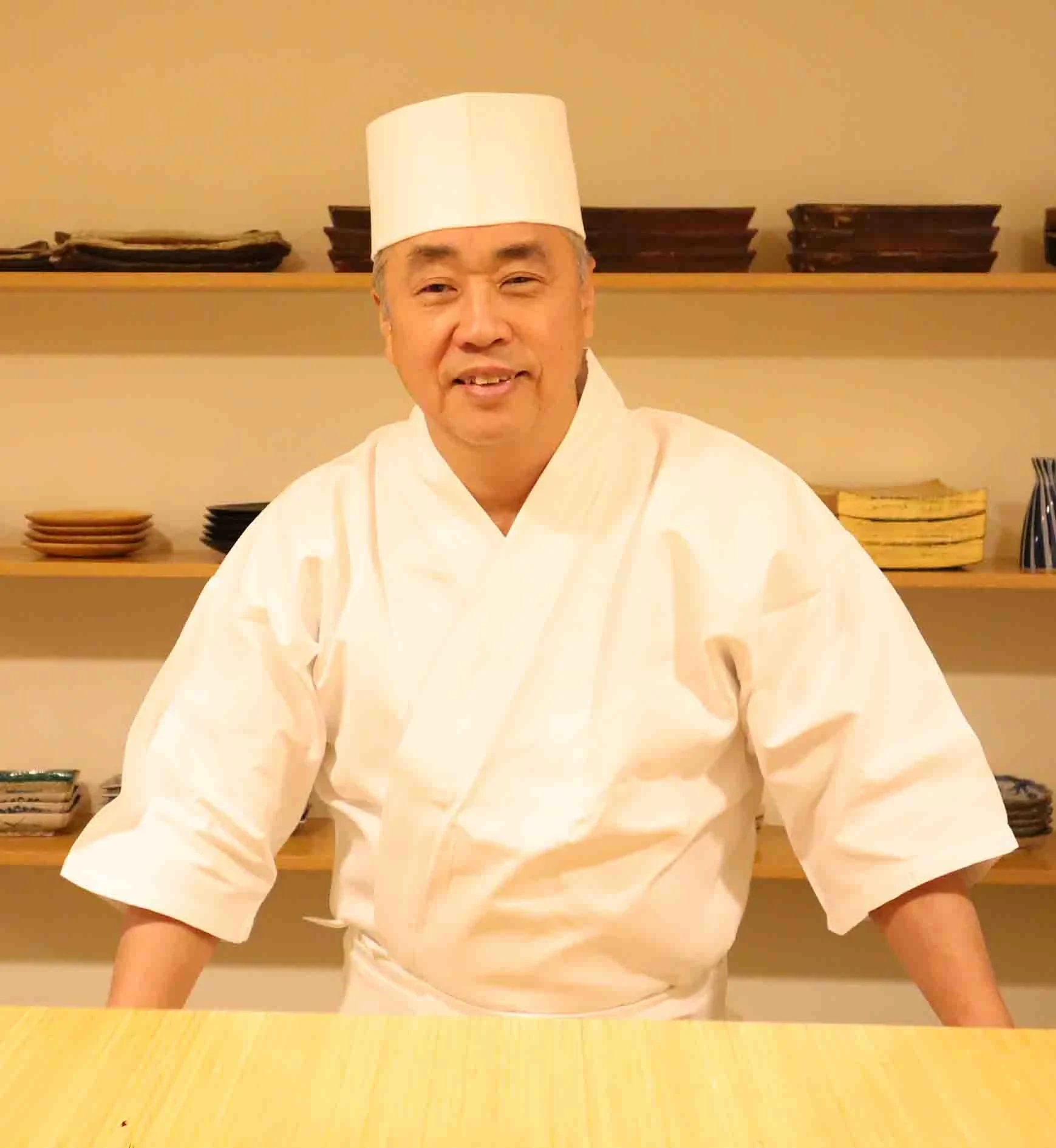
Portrait of Hiroyuki Kanda
i. Biography
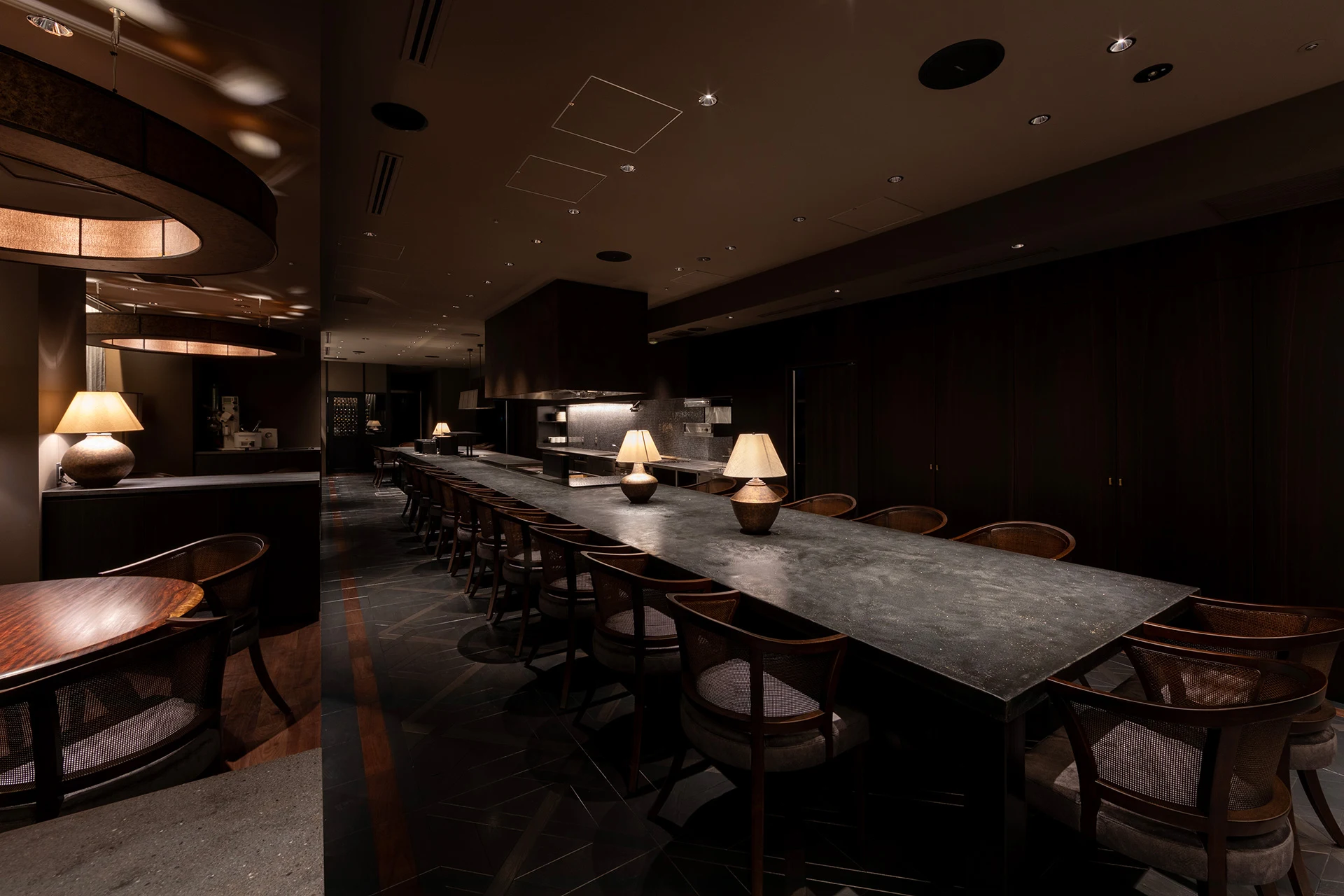
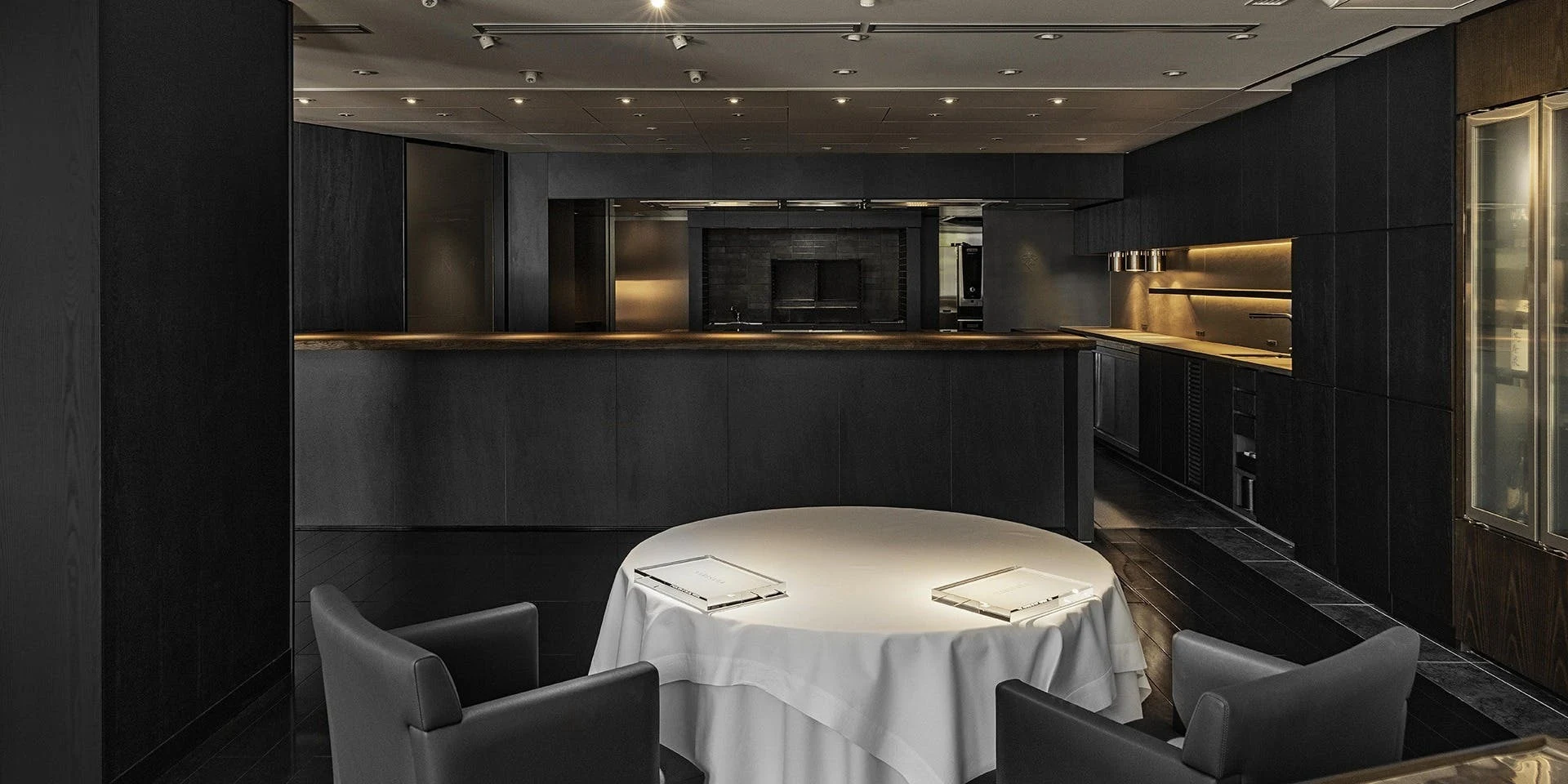
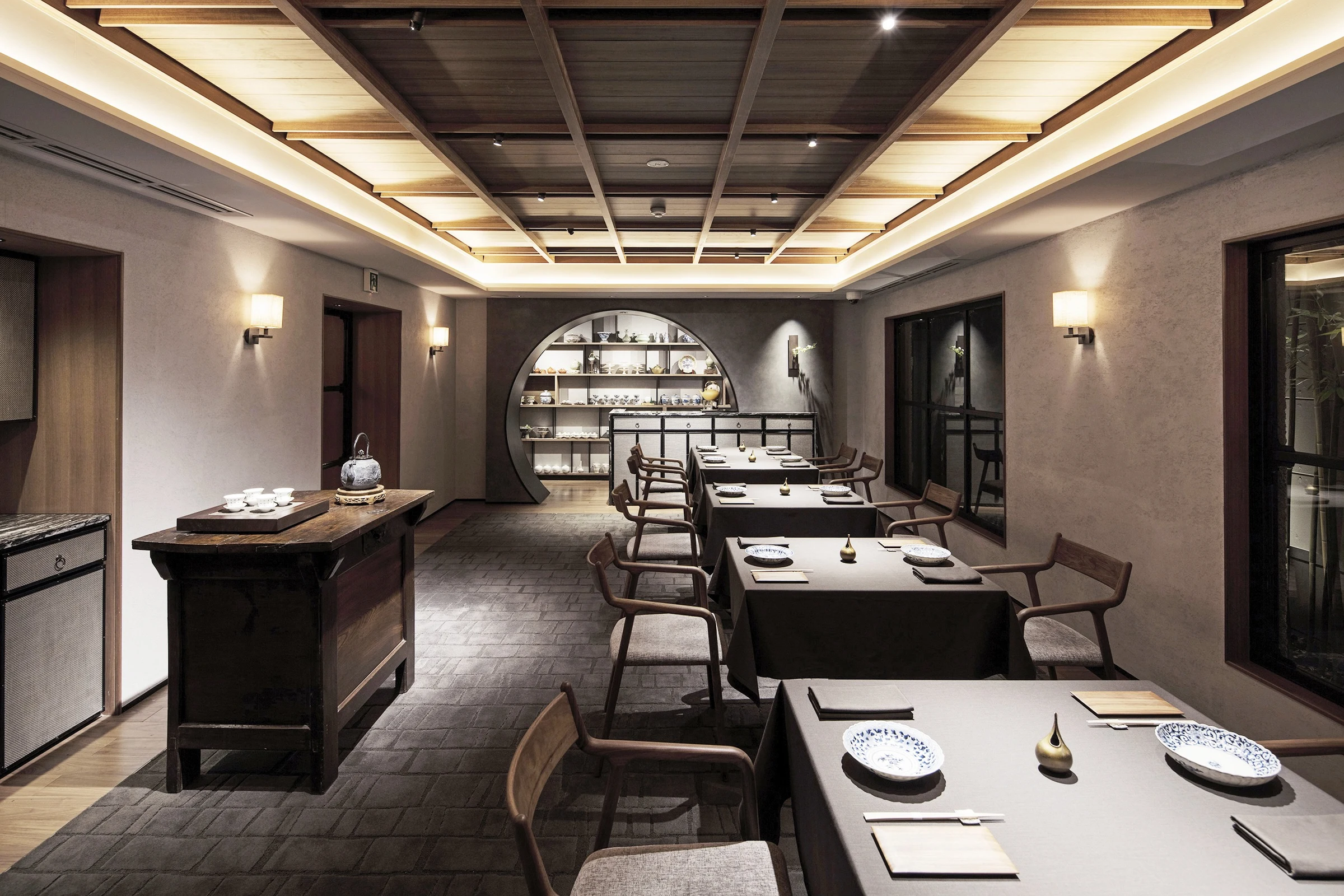
At Kanda in Tokyo, menu work starts with procurement rather than template. The morning’s seafood, vegetables, rice, beef, and broth determine the sequence: temperature, season, texture, and appetite are read before the meal is fixed. In Hiroyuki Kanda’s kitchen, ingredients are not assigned to a predetermined structure; the structure is built from what is ready that day.
The Sunday letter
Read Made By's new profiles every Sunday.
Meet the chefs, winemakers and sommeliers behind the places we cover. See a sample below before you subscribe.
See a sample of the Sunday emailOne email a week. Unsubscribe from any issue.
Coming Up
Precision, discipline, and timing were sharpened early through head-chef work in France, where Hiroyuki Kanda practiced within a kitchen culture that rewards structure and control. The experience did not redirect the cooking away from Japanese cuisine. It reinforced the value of restraint, sequence, and technique that carries a meal without overstatement. Transmission became part of the practice through later work as a lecturer in Japan. Moving between kitchen and classroom required the craft to be made legible: not only how to execute, but how to explain judgment, refine method, and pass on working knowledge. Ownership and daily execution now meet in his roles as owner and operator; chef of Kanda (since 2004) and founder of FUUDO. At Kanda, the trade is renewed each morning through selection, timing, and service: long experience reduced to immediate decisions.
Where They Are Now
Daily menu planning at Kanda follows that morning’s freshest available ingredients. This is responsiveness rather than seasonal decoration. Seafood, vegetables, rice, beef, and broth are treated as the basis of the meal’s final form, not as components to fill a set pattern. The dining room depends on tension between control and flexibility. Broth may set the register; rice may carry fragrance and heat; fish may require exact cutting and temperature; beef may bring depth without weight. The cooking answers appetite and occasion at the same time, with the guest and the calendar both in view. Kaiseki here is a matter of timing as much as course order, vessels, and seasonal reference. The ichi-go ichi-e principle gives the service its working discipline: one guest, one meeting, one chance for the meal to fit the moment. In practical terms, it requires listening, choosing, and allowing the meal to exist only once.
Career - Owner and operator; chef — Kanda, Minato, Tokyo, Japan (2004–present) - Founder — FUUDO - Head chef — France - Lecturer — Japan
Signature
Hiroyuki's signature dishes include sukiyaki over rice, pressed sushi with horse mackerel, clay-pot-cooked rice, filefish sashimi topped with liver and shiso flowers, and red-wine simmered beef. The signatures show range across rice, fish, broth-adjacent depth, and beef. Sukiyaki over rice places richness into a direct format. Pressed sushi with horse mackerel relies on compression, timing, and clean flavor. Clay-pot-cooked rice makes grain, fragrance, and heat the focus. Filefish sashimi topped with liver and shiso flowers sets delicacy against intensity and aroma. Red-wine simmered beef adds a darker register while staying within the same measured handling.
In Their Words “Teiichi Yuki, who founded Kitcho in 1930, cherished Japanese cuisine and knew that one day the world would, too. I take his approach to heart.” The statement places the work inside a named line of Japanese cuisine, with Teiichi Yuki and Kitcho as reference points. For Hiroyuki Kanda, the lineage is not nostalgia; it is a working position on care, season, form, and the capacity of Japanese cuisine to be understood beyond Japan.
Honors
Hiroyuki's honors include MICHELIN Mentor Award (2021) and Three MICHELIN Stars (2008).
FAQ What is Hiroyuki Kanda's current role? Hiroyuki Kanda is chef-patron of Kanda. What recognition has Hiroyuki Kanda received? MICHELIN Mentor Award (2021). What is Hiroyuki Kanda known for? Kaiseki.
The Sunday letter
Get the next Made By profile in your inbox.
We send one email every Sunday morning with the people we profiled that week.
See a sample of the Sunday emailOne email a week. Unsubscribe from any issue.