Chairman Emeritus
Horst Schulze
- Discipline
- Chairman Emeritus
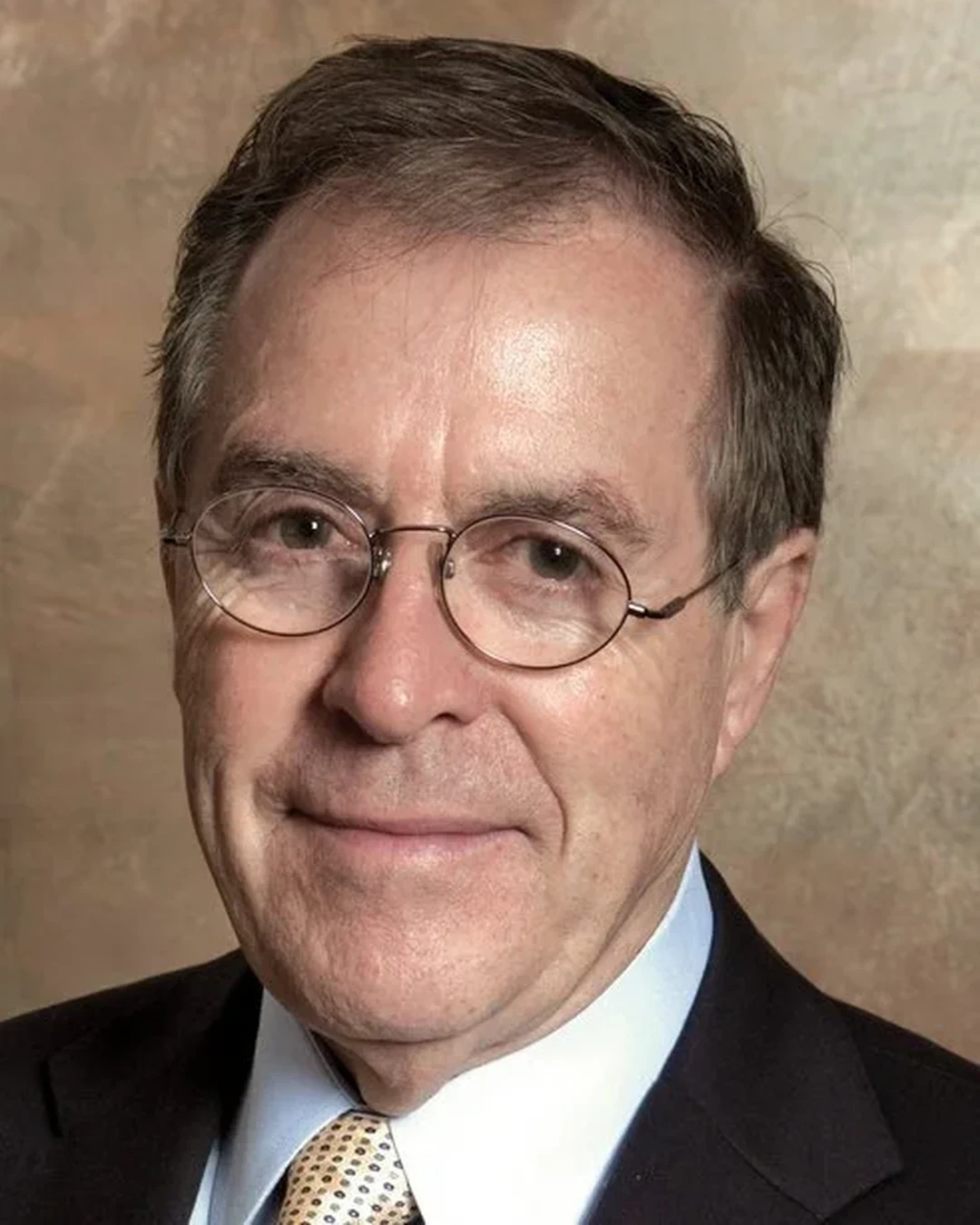
i. Biography
The Path
Hotel service is first learned in the work that keeps a property moving: clearing, washing, carrying, resetting, reading the room before being asked. Those posts placed the craft at hand level, where recognition, care, and ease are built through repeated acts done correctly. Formal hospitality depends on rhythm as much as polish. The sequence of work through Holland America Line, Plaza Athenee in Paris, The Berkeley in London, and The Savoy in London put Schulze inside established service environments where timing, room awareness, and controlled movement carry the guest experience. From 1964, work with Hilton Hotels in United States brought that European service training into a broader international hotel setting. Hotel fluency widens when the operator has carried responsibility across departments. At Hyatt Hotels Corporation, Schulze moved through food and beverage manager, rooms manager, general manager, regional vice president, and corporate vice president. Food and beverage requires pacing, staffing, purchasing, taste, and pressure control. Rooms requires consistency, cleanliness, comfort, and systems that do not call attention to themselves. General management joins the property into one operating standard; regional vice president and corporate vice president extend that standard across teams and markets. Luxury service becomes durable only when it is taught as a system rather than left to personality. In 1983, Schulze became a founding member at The Ritz-Carlton Hotel Company, then later served as president and COO at The Ritz-Carlton Hotel Company. That chapter tied his work to the operating culture and service expectations associated with the name. He later became founder at The Capella Hotel Group, and has led Capella Hotel Group (from 2012). Across these roles, the craft is hospitality as a repeatable promise: standards, language, training, and accountability organized around the guest experience.
The Work Today
Service culture travels beyond the hotel when it is framed as operating practice. As a keynote speaker and consultant, Schulze applies hotel operations, leadership, and service standards to other rooms and organizations. The material remains practical: how teams behave when supervision is absent, how standards are taught and protected, and how intention becomes daily conduct. Institutional care also depends on disciplined environments. Board membership with Cancer Treatment Centers of America adds a setting outside hotels to Schulze’s record of service organizations and management culture. The connection is operational rather than ornamental: care, trust, and consistency have to be practiced, inspected, and sustained.
Career - server's assistant — German resort town hotel, Germany - busboy dishwasher — Germany - hotel worker — hotels in Germany and Switzerland, Germany and Switzerland - hotel worker — Holland America Line - hotel worker — Plaza Athenee, Paris - hotel worker — The Berkeley, London - hotel worker — The Savoy, London - hotel worker — Hilton Hotels, United States (from 1964) Education: The Travel Institute
Signature
Horst Schulze is associated with The Ritz-Carlton operating and service standards. His craft focus is service excellence. Service excellence in this register is not surface ceremony. It is the structure beneath the guest’s sense of ease: training, shared language, accountability, and the practiced habit of noticing. In luxury hospitality, a single grand gesture cannot replace the sequence of small assurances that make a stay feel seamless. Schulze’s name is tied to service treated as designed work: taught, measured, repeated, and renewed each day.
In Their Words “I left home when I was 14 and started as a busboy in the hotel business. I worked in Germany, worked in Switzerland. I honestly worked in the finest hotels in Europe.”
Acclaim
Recognition in hospitality often marks the operator’s influence on standards as much as individual performance. Horst's hono


