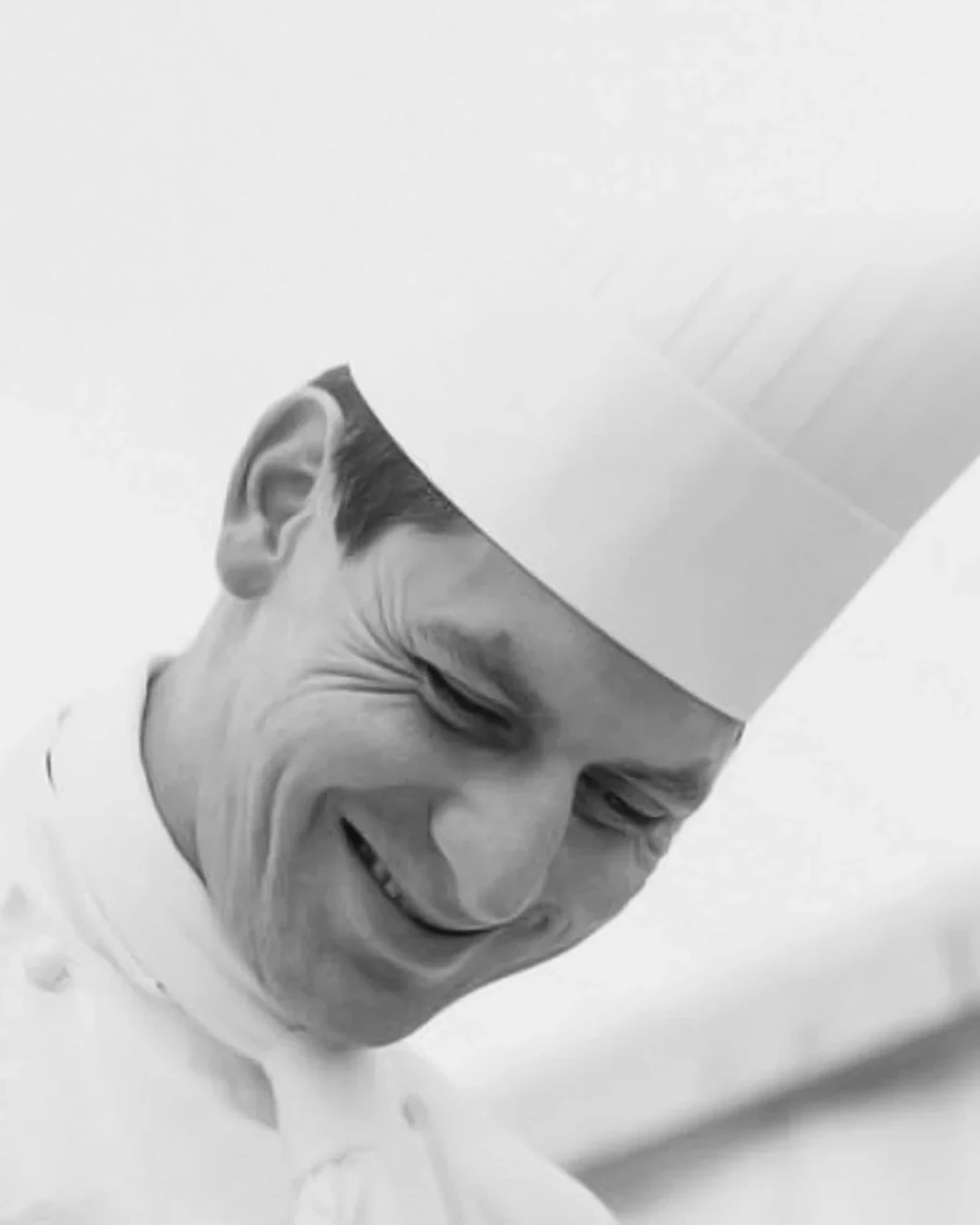
Portrait of Jeremy Desbraux
i. Biography
“Im ersten Restaurant nach der Lehre – das war das Le Puits Saint-Jacques in Pujaudran – habe ich gelernt, was es bedeutet, in der Haute Cuisine zu sein.” Haute Cuisine, in Jeremy Desbraux’s account, was learned first as kitchen discipline rather than theory: the first serious post-apprenticeship kitchen, Le Puits Saint-Jacques in Pujaudran, set the terms around product, sauce, heat and timing. The work was practical and exacting, built through repeated gestures and the kind of precision that turns ambition into controlled refinement.
The Sunday letter
Read Made By's new profiles every Sunday.
Meet the chefs, winemakers and sommeliers behind the places we cover. See a sample below before you subscribe.
See a sample of the Sunday emailOne email a week. Unsubscribe from any issue.
The Climb
Regional high-level kitchen formation often sharpens both hand and judgment. Early in his career, Jeremy Desbraux worked for Franck Giovannini at Restaurant de l'Hôtel de Ville de Crissier, Vaud, Switzerland, where the craft questions were concrete: how depth in a sauce avoids weight, how composition keeps warmth, and how rigor can carry feeling without becoming decorative. That formation now shows in a cooking language built on precision, restraint and balance. At Maison Wenger, where Jeremy is chef-owner, the work reads as personal rather than borrowed: confident, elegant, rooted in place, and measured by freshness, exactitude and proportion.
At Work Now
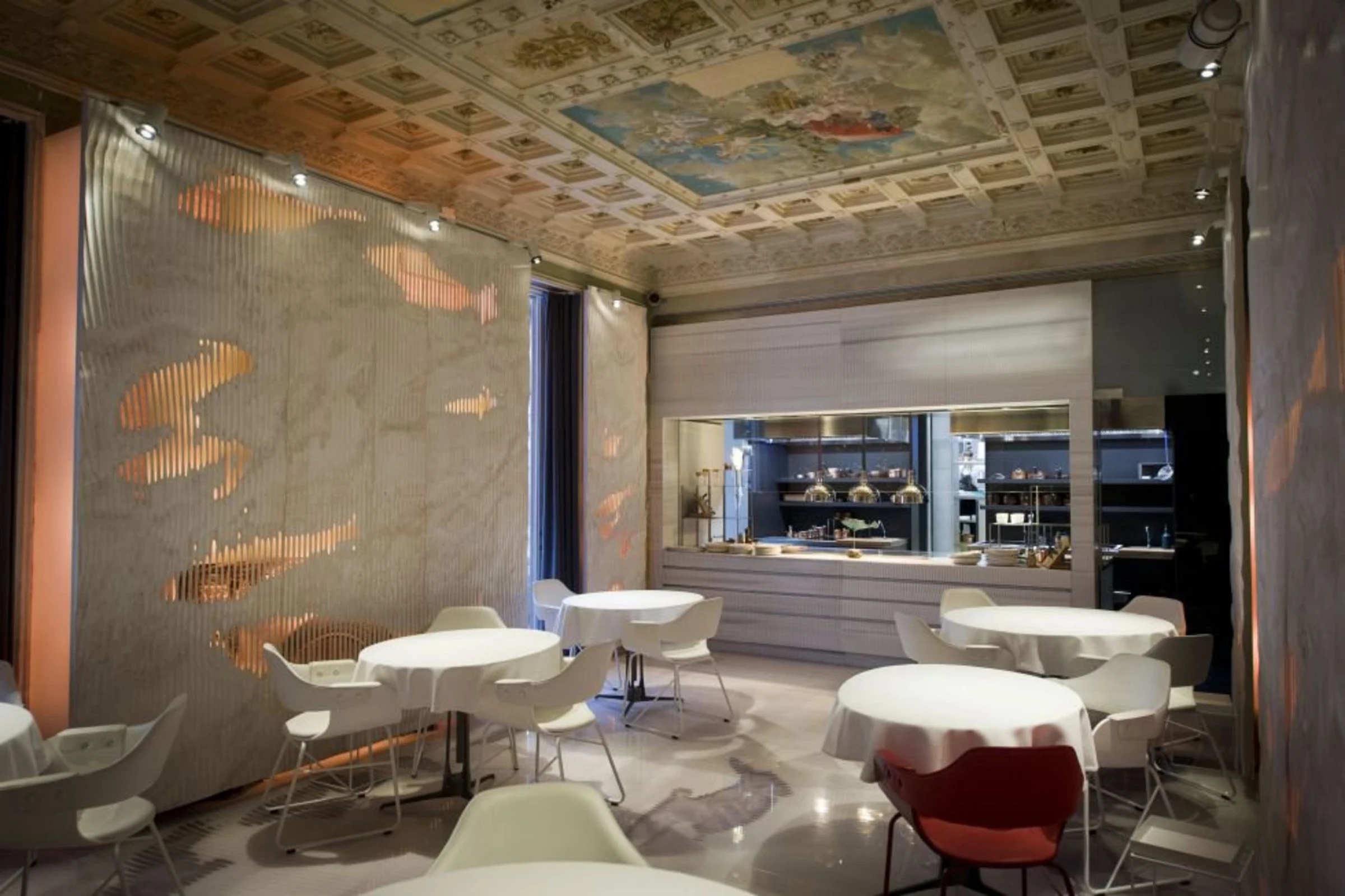
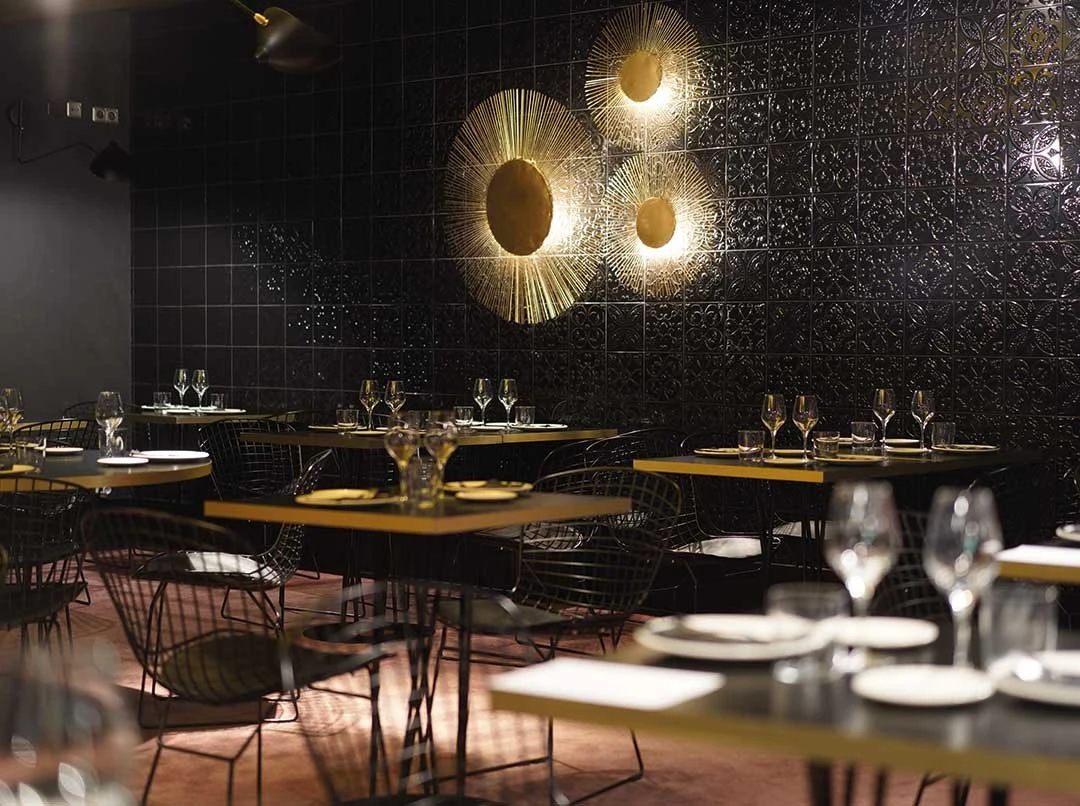
Taking over an established house is a craft problem as much as a business one. Desbraux is chef-owner at Maison Wenger in Le Noirmont, Switzerland. He and Anaëlle Roze took over the tradition-steeped house in January 2019; as he puts it, “Wir haben das Traditionshaus von den vormaligen Besitzern übernommen und führen es nun seit Januar 2019.” The obligation is continuity under daily pressure: to renew the house without treating it as a blank page. The kitchen works within Swiss gastronomy, seasonally changing menus and contemporary, geometric plate presentation. Its cuisine is innovative, refined and delicate, with attention fixed on product choice, freshness, structure and shaping so that flavors can be brought to their quintessence. The plates use clean lines and deliberate form, but the visual order serves concentration and clarity rather than display. Regional producers form part of the house’s working vocabulary, alongside an aim of perfection on every level. At the pass, Desbraux tastes, adjusts, announces and approves plates before they leave the kitchen. Final service is treated as a sequence of last decisions, not a handoff; control at that point is part of the hospitality. Sauce work is a defining strength at Maison Wenger. Among the dishes noted there are French toast with Gurmels snails and Franches-Montagnes bear-garlic reduction, served during a June gourmet visit, and sweetbread from Romandie, gilded with Reussilles butter and braised spring-onion jus. The construction is regional and precise: reduction, calibrated richness, and freshness used to keep the plate lifted. Relais & Châteaux and Les Grandes Tables de Suisse membership place the restaurant within recognized networks, but the working standard remains daily and practical: the hand at the stove, the plate checked at the pass, and the seasonal menu adjusted when the product calls for it.
Career - Chef-owner — Maison Wenger, Le Noirmont, Jura, Switzerland - Worked for Franck Giovannini — Restaurant de l'Hôtel de Ville de Crissier, Vaud, Switzerland
Signature
Signature dishes include Sweetbread from Romandie.
Honors
Recognition for the craft includes Cuisinier/Chef of the Year 2026 (2026).
FAQ What is Jeremy Desbraux's day job? Jeremy Desbraux is chef-owner of Maison Wenger. Where did Jeremy Desbraux work before? Earlier in their career, Jeremy Desbraux worked at Restaurant de l'Hôtel de Ville de Crissier. What recognition has Jeremy Desbraux received? Cuisinier/Chef of the Year 2026 (2026).

The Sunday letter
Get the next Made By profile in your inbox.
We send one email every Sunday morning with the people we profiled that week.
See a sample of the Sunday emailOne email a week. Unsubscribe from any issue.