Owner
Joe Schirmer
- Discipline
- Owner
i. Biography
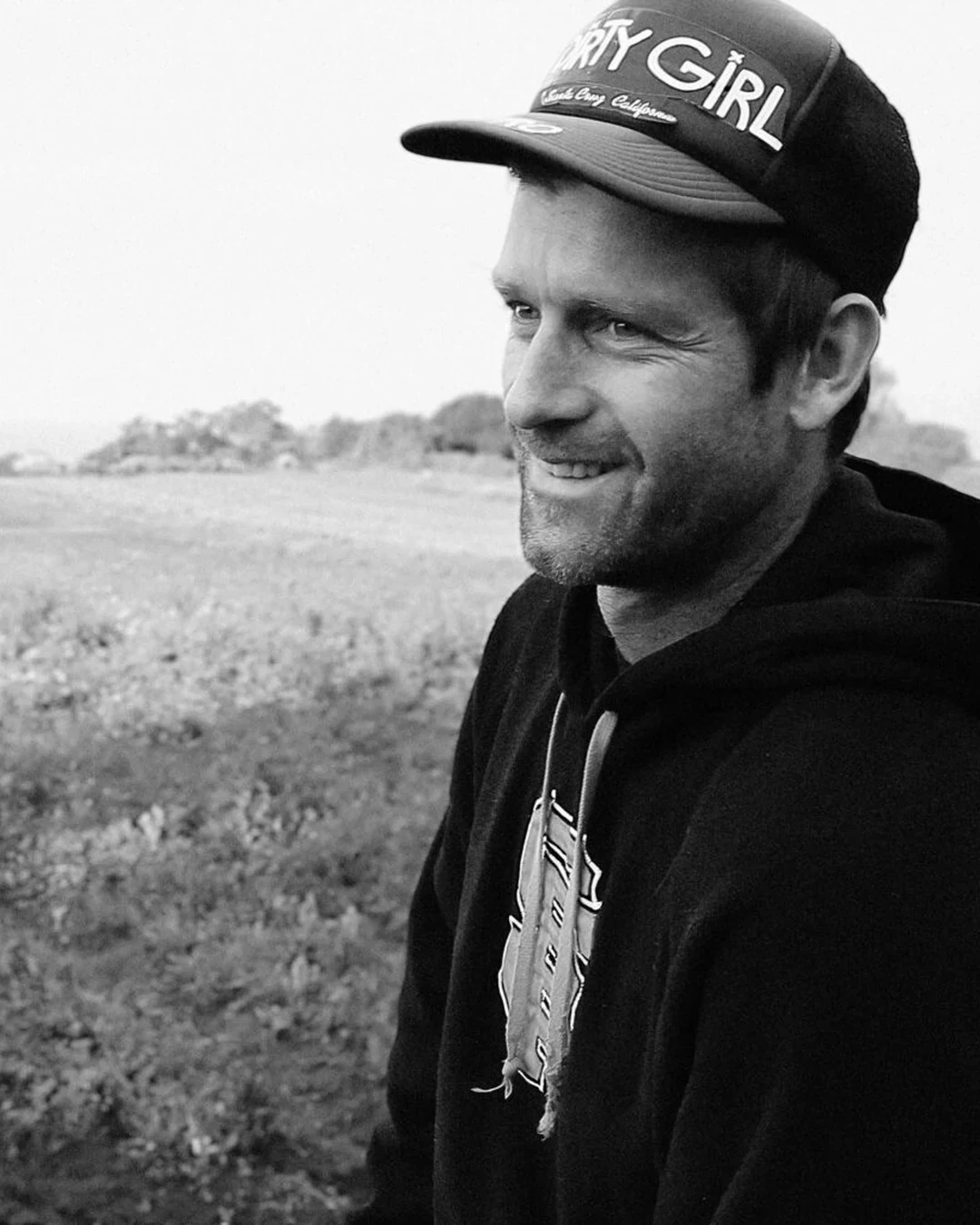
Field craft at Dirty Girl Produce is built from apprenticeship, repeated labor, and season-to-season correction. As owner of Dirty Girl Produce in Watsonville, California, a role held since 1999, Joe Schirmer works from training at UCSC and the UCSC Farm and Garden Apprenticeship Program, where soil, weather, cultivation, and harvest formed the working base. The farm lineage came through practice before ownership. “I started interning and then working on Farms in 1992. I began working with a couple of friends that started Dirty Girl Produce in 1997.” The sequence matters: field work first, then work alongside the founders of Dirty Girl Produce, then stewardship of a farm identified with organic produce, coastal California growing conditions, and direct, hands-on farming.
Coming Up
Training at UCSC Farm and Garden placed the craft in the daily mechanics of soil, season, and harvest. In Joe Schirmer’s case, the education was practical: beds prepared, crops tended, and close observation applied over repeated cycles. Early work at Dirty Girl Produce in Santa Cruz County, CA (1997–1999) put that training into a farm already forming its standards. The setting brought coastal growing conditions, produce quality, and farm discipline into the same frame, bridging apprenticeship and ownership. Ownership of Dirty Girl Produce (since 1999) has continued that produce-driven work through locality, precision, and direct stewardship. The continuity is agricultural rather than promotional: a long relationship with place, practice, and the seasons that set the terms.
Where They Are Now
Organic farming at Dirty Girl Produce in Watsonville, California remains centered on certified organic produce, strawberries, tomatoes, and the dry-farmed tomato practice associated with the farm. Since 1999, Joe Schirmer has carried that work as owner, with field results tied to soil attention, disciplined cultivation, and decisions made below the surface before they show in the crop. The field system adapts tractor farming to incorporate principles of the French intensive gardening method. Soil fertility is maintained with compost, organic fertilizers, and seasonal cover crops that add nitrogen, reduce erosion, and improve soil structure. The method treats renewal as part of production, with one season preparing the ground for the next. Market and education work extend the farm’s practice beyond its acreage. Joe Schirmer is on the board of directors of CUESA, the Center for Urban Education on Sustainable Agriculture, in San Francisco, California, and he was past president of the board of directors of SCCFM, the Santa Cruz Community Farmers Markets, in Santa Cruz, California. Those roles connect field practice with growers, markets, and Sustainable Agriculture.
Career - Owner — Dirty Girl Produce, Santa Cruz County, CA (1999–present) - Employee — Dirty Girl Produce, Santa Cruz County, CA (1997–1999) Education: UCSC Farm and Garden
Signature
Dry-farmed tomatoes are the concise marker of Dirty Girl Produce’s method: variety, soil condition, and water restraint brought together in the field. The Dirty Girl tomato is closely associated with Joe Schirmer’s work and with the farm’s emphasis on farming method, soil health, and fruit intensity.
In Their Words “I started interning and then working on Farms in 1992. I began working with a couple of friends that started Dirty Girl Produce in 1997.” “Treating the soil as though it were an organism with an immune system makes it healthy.”
Honors
Joe's honors include Best Farmers Market Stand (2010) and Best Farmers Market Produce (2010).
FAQ Where did Joe Schirmer train or study? Joe Schirmer trained at UCSC Farm and Garden. What recognition has Joe Schirmer received? Best Farmers Market Stand (2010).


