i. Biography
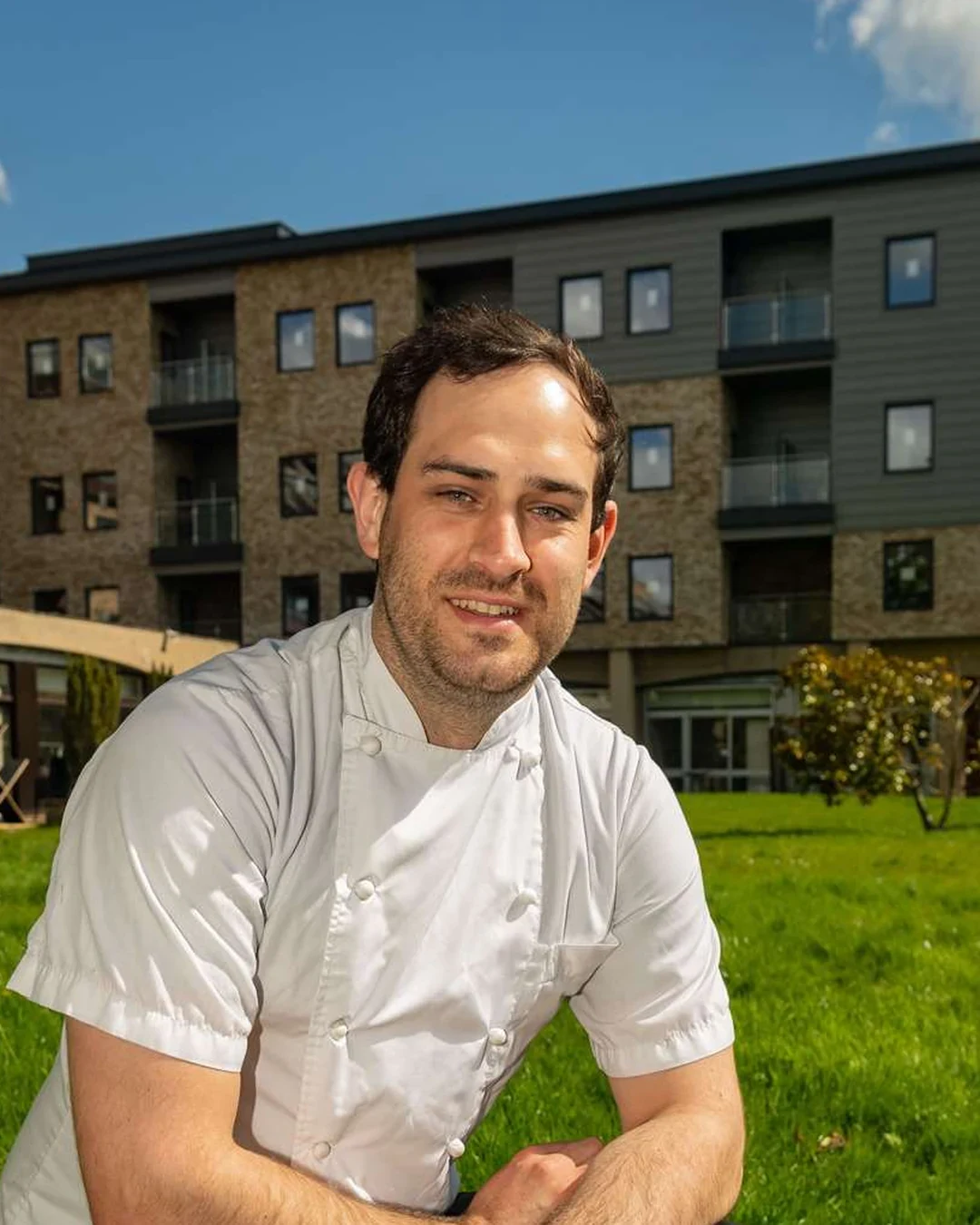
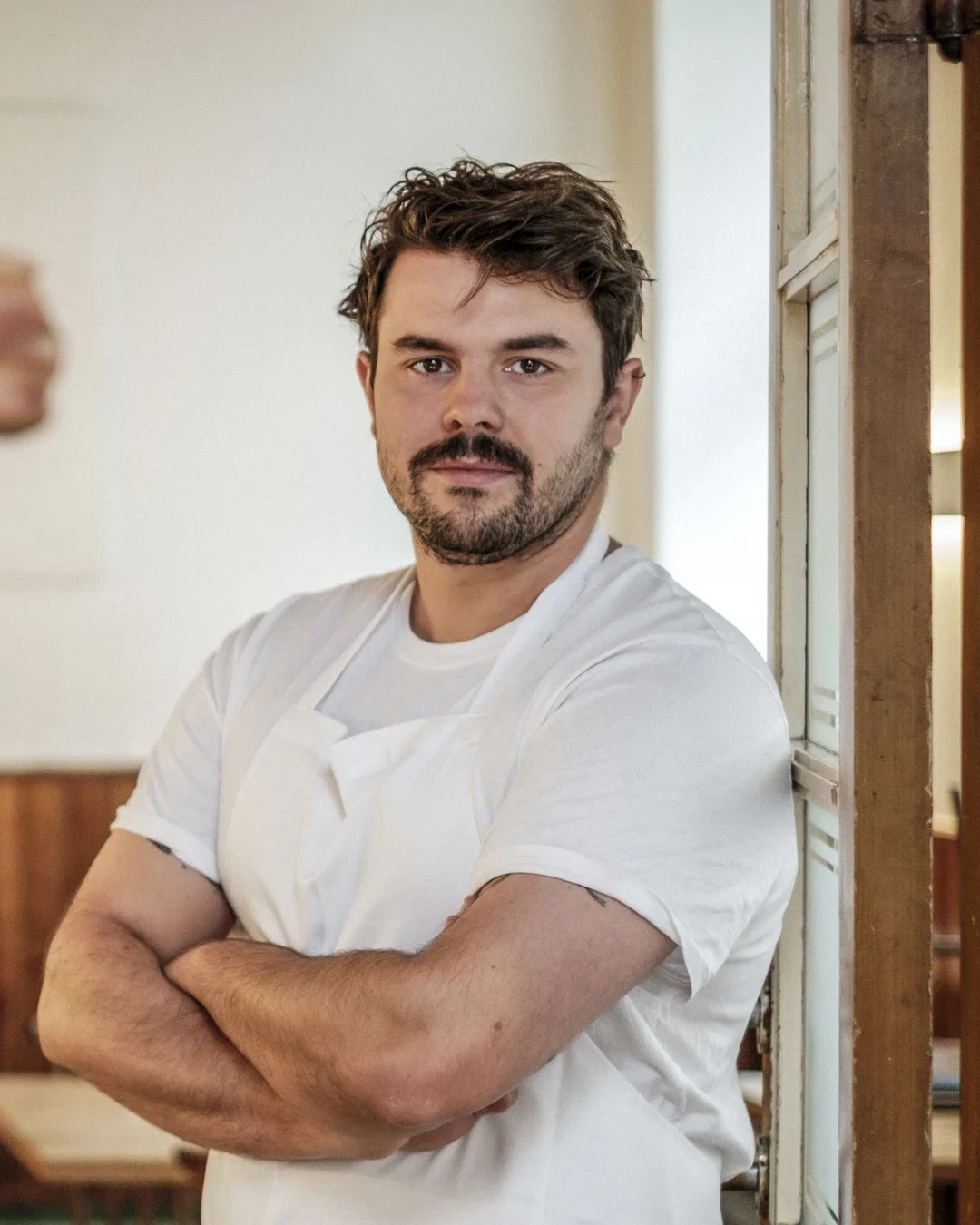
Before Julian Lechner became chef and co-owner of Reznicek in Vienna, Austria, his formation moved through kitchens that read like a chain of inheritance: ÖSCH NOIR in Donaueschingen, Mraz&Sohn, aend, and Café Kandl. The line also begins outside restaurant work, with a move to the city for environmental and bioresource management at BOKU, then a turn toward a hand-based profession. His own words keep that turn practical: "The cooking profession is a craft, and training is essential."
The Training Lechner came to Vienna to study environmental and bioresource management at BOKU. He has explained the pivot in plain terms: "Actually, I came to Vienna to study environmental and bioresource management at BOKU. But I quickly realized that I wanted to do something hands-on, and cooking had always been my passion." As a cook, his path included Mraz&Sohn, aend, and Café Kandl. Those posts give his education a working shape: service, repetition, correction, and the transfer of standards from one kitchen to the next. At ÖSCH NOIR in Donaueschingen, Germany, he worked as sous chef, a role that placed him in responsibility before Reznicek. His comments about competition sharpen the same picture of formation. "It's all about following the culinary rules of the competition and being perfectly prepared at the same time." The sentence sounds less like performance than apprenticeship: rules first, readiness next, ego last.
The Lineage The story of Lechner is not built around one individual mentor. It is built around houses and rooms where cooks learn by joining a rhythm already underway. Read as a sequence, the kitchens before his present restaurant show a chef shaped by movement between Vienna and Donaueschingen, by cooking positions rather than a single school of personality. There is humility in the way he describes being present in demanding settings. "We were just happy to be there. I think that's what helped us to keep our feet on the ground." In a lineage story, that sentence has weight: gratitude before authorship, preparation before claim-making. In 2026, Champagne AYALA named Lechner Chef Engagé. The honor adds a dated marker to a career best understood through kitchens: public recognition arriving after practical rooms, not apart from them.
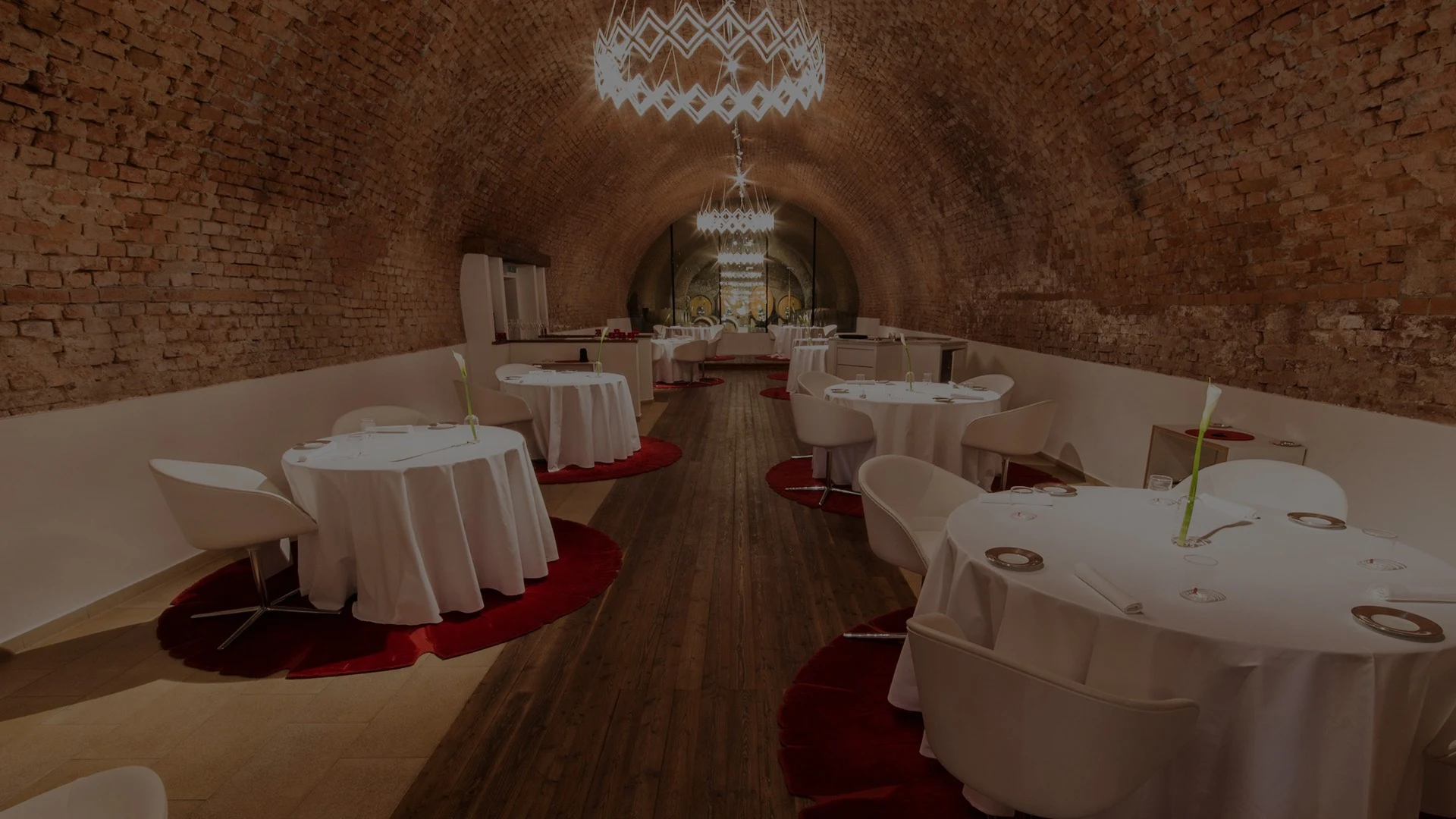
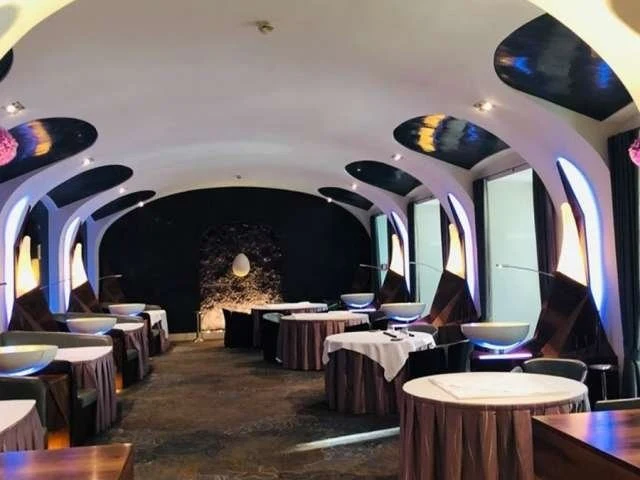
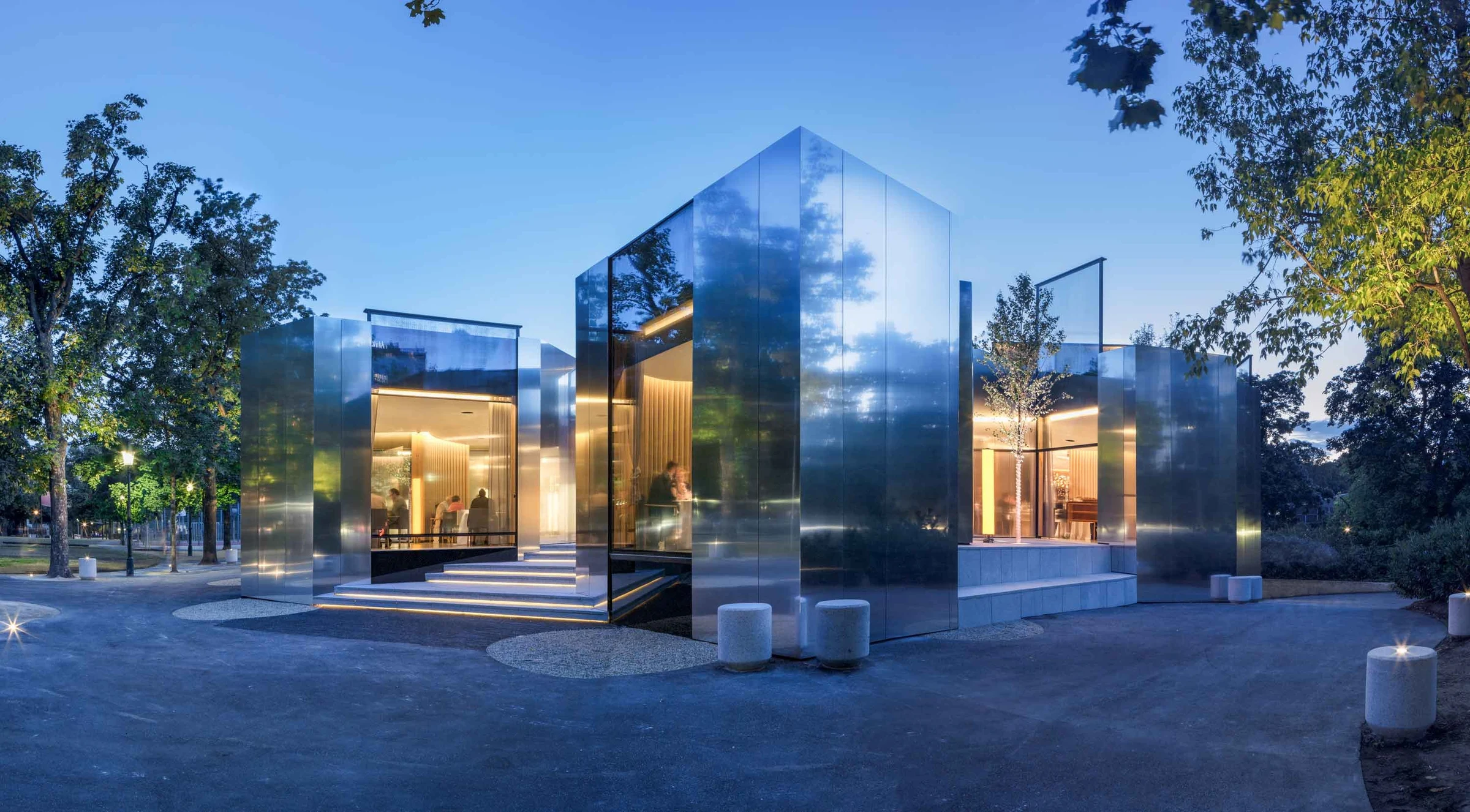
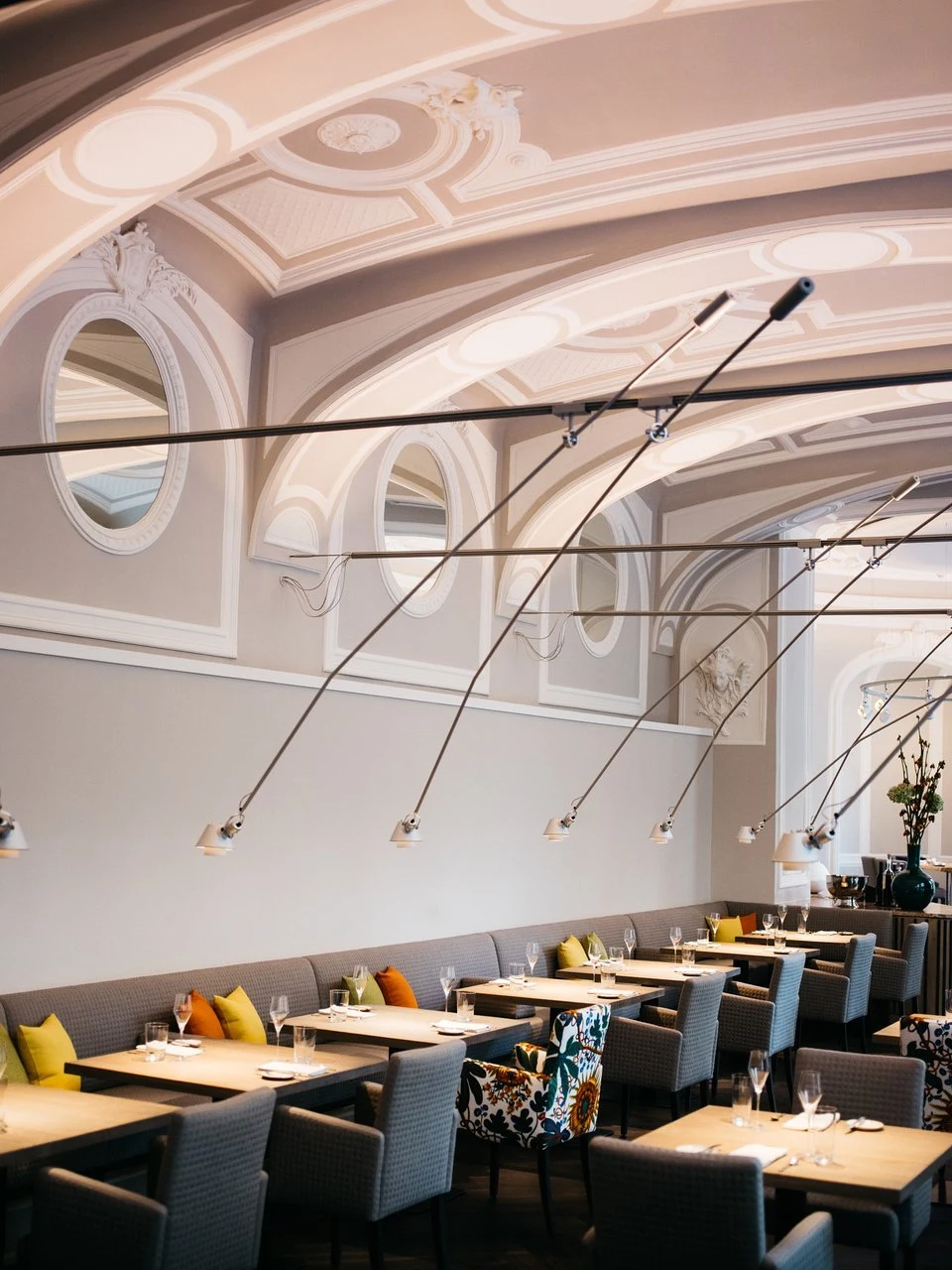
The Table At Reznicek in Vienna, Austria, Lechner works as chef and co-owner. That pairing gives the kitchen a different charge: it is not only a station in his biography but the place where earlier formation becomes authorship, shared responsibility, and daily judgment. The route to the restaurant has a family-story quality, even without a family name attached. First came BOKU and the realization that study alone was not enough for him; then the cooking posts; then sous-chef responsibility in Donaueschingen; then the address where his name meets ownership as well as the stove. The thread is craft learned by doing, a belief he has expressed plainly and carried into the restaurant’s work.
Profile updated July 2026
FAQ
Asked of Julian
Who did Julian Lechner train under?
His formation is attached to kitchens rather than a single individual mentor: Mraz&Sohn, aend, Café Kandl, and ÖSCH NOIR.
Where did Julian Lechner study or apprentice?
He came to Vienna to study environmental and bioresource management at BOKU, and his cooking path included Mraz&Sohn, aend, Café Kandl, and ÖSCH NOIR in Donaueschingen, Germany.
What tradition or house shaped Julian Lechner?
The houses in his path were Mraz&Sohn, aend, Café Kandl, and ÖSCH NOIR before he became chef and co-owner of Reznicek in Vienna, Austria.