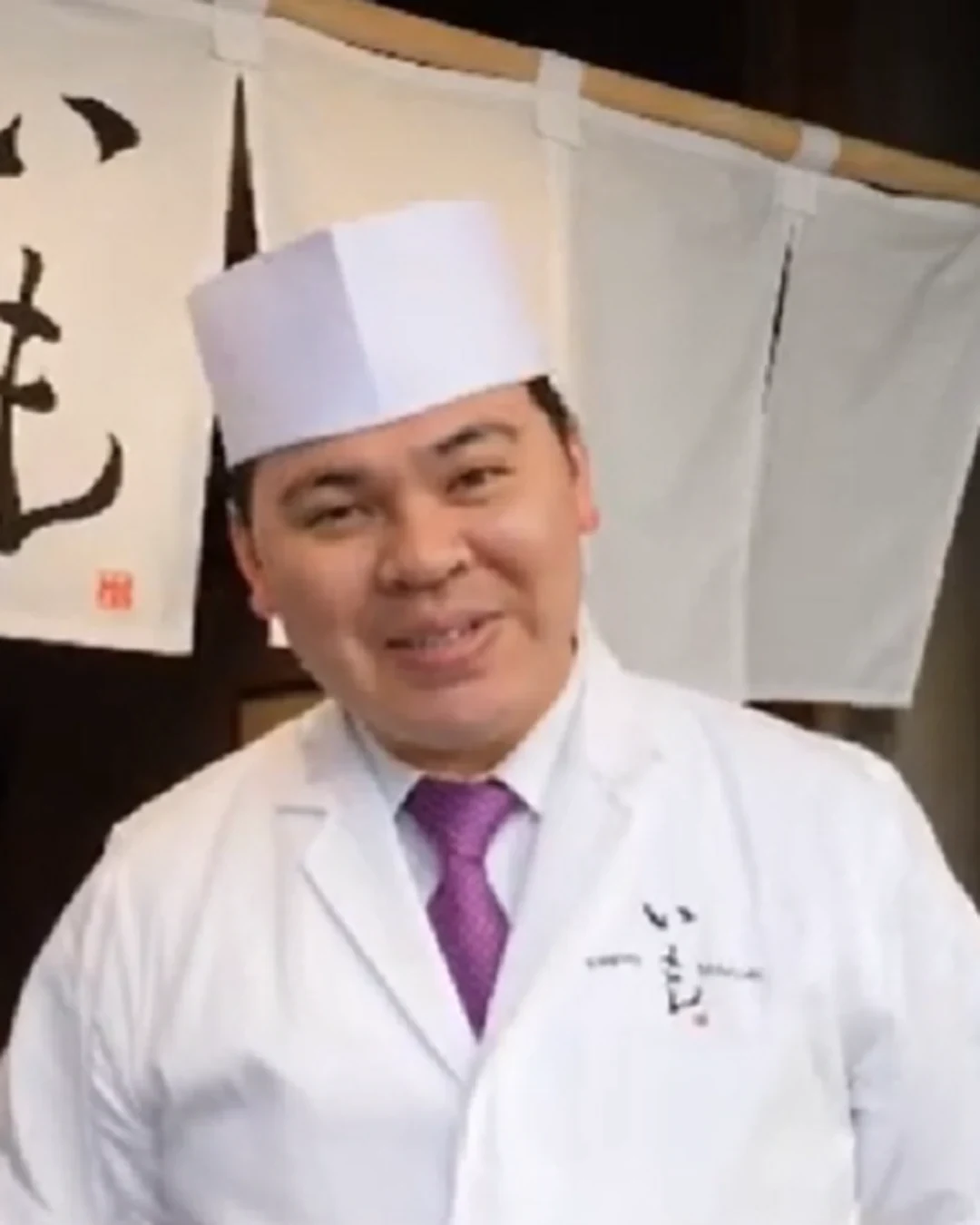
Portrait of Kazuhito Motoyoshi
i. Biography
Tempura Motoyoshi in Tokyo is handled as a control of small variables: batter, oil, temperature, moisture, seafood, vegetables, and the short interval between raw ingredient and crisp coating. Kazuhito Motoyoshi serves there as Executive Chef, and the restaurant earned Two Michelin stars in the MICHELIN Guide Tokyo 2025. The recognition sits on a modern reading of a narrow form. In Motoyoshi’s hands, tempura is not enlarged with unnecessary additions; it is tightened from inside the practice. Coating weight, oil character, fryer temperature, and moisture removal are treated as working decisions, each affecting whether seafood and vegetables read clearly rather than heavily.
The Sunday letter
Read Made By's new profiles every Sunday.
Meet the chefs, winemakers and sommeliers behind the places we cover. See a sample below before you subscribe.
See a sample of the Sunday emailOne email a week. Unsubscribe from any issue.
The Path
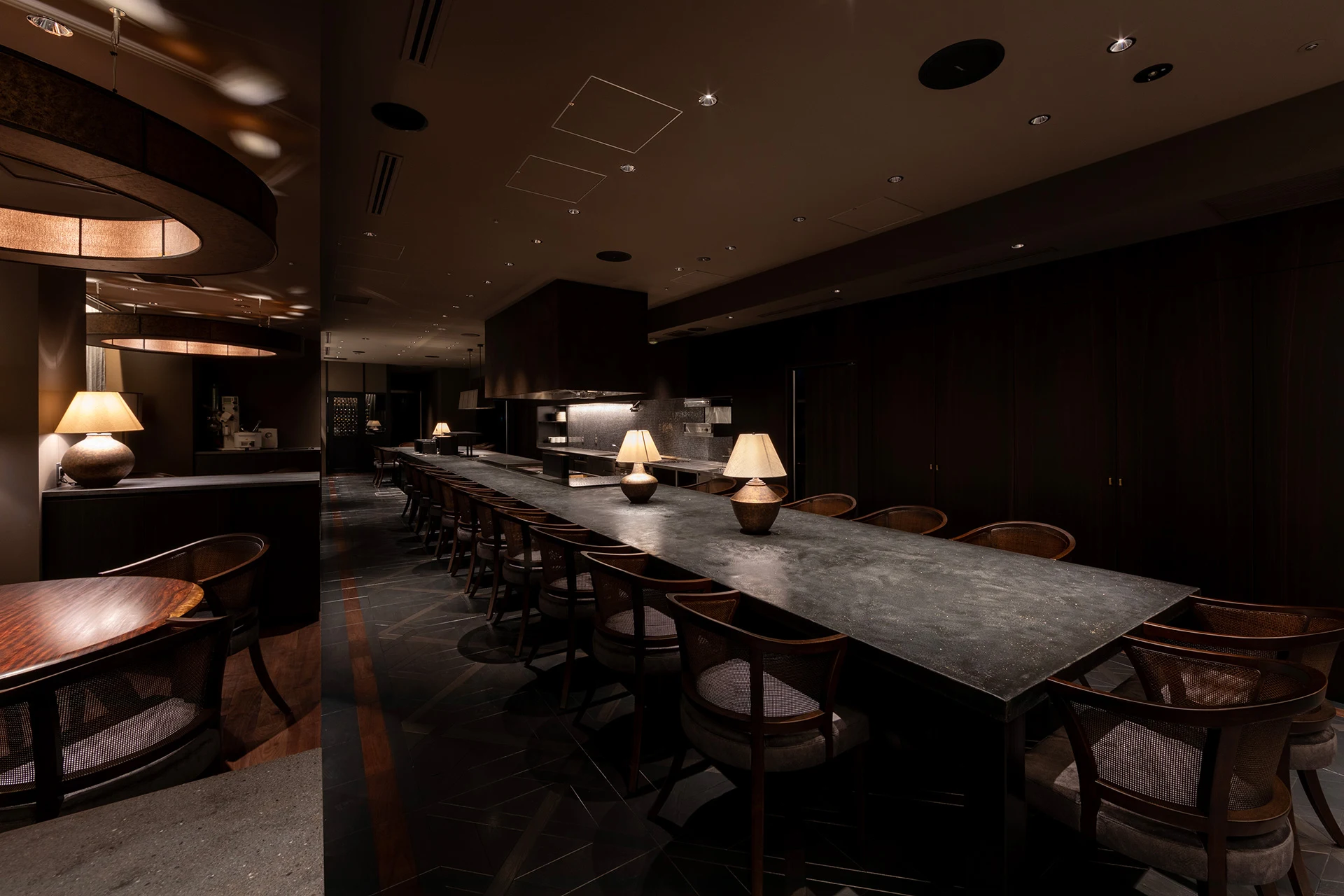
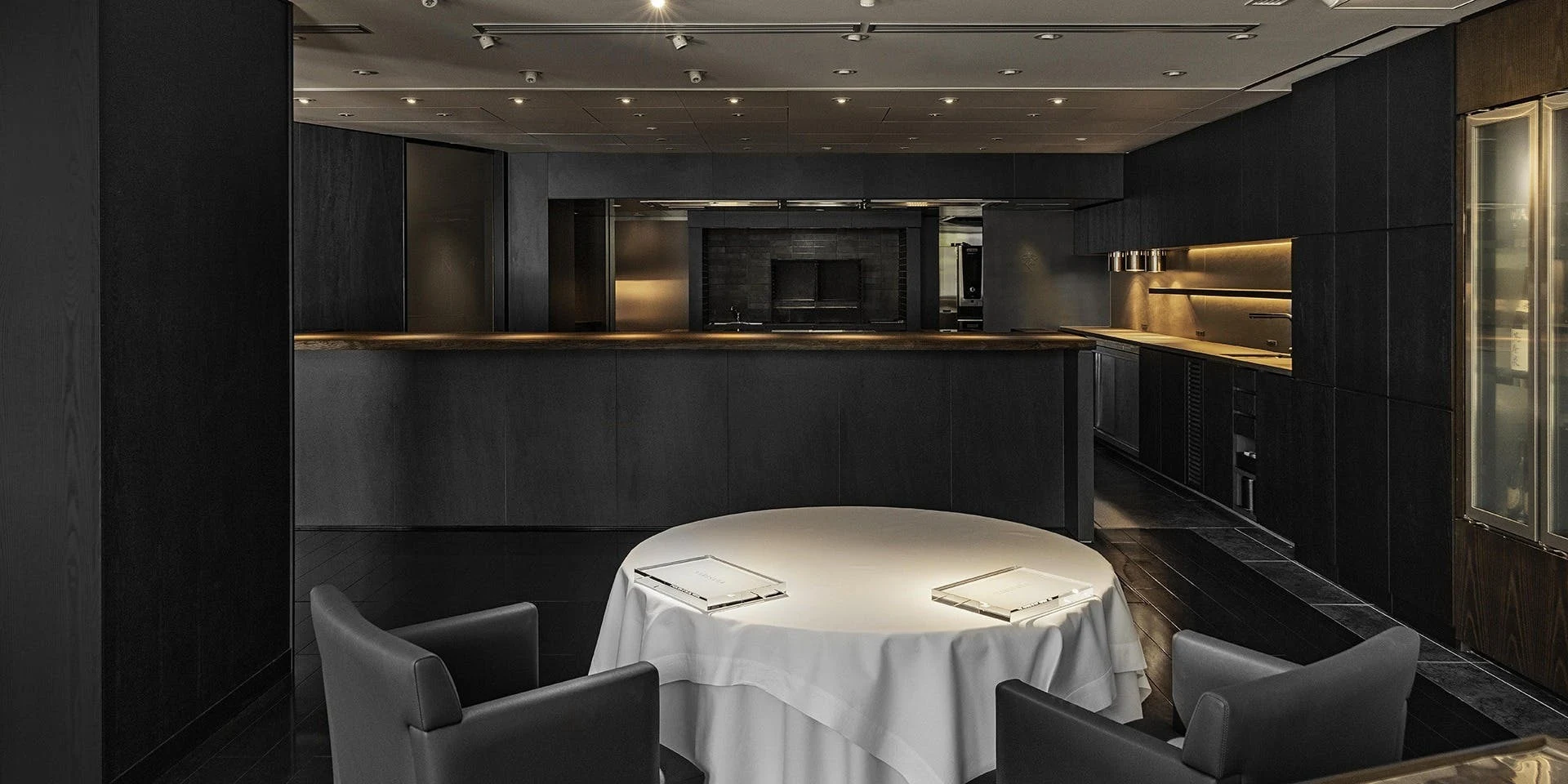
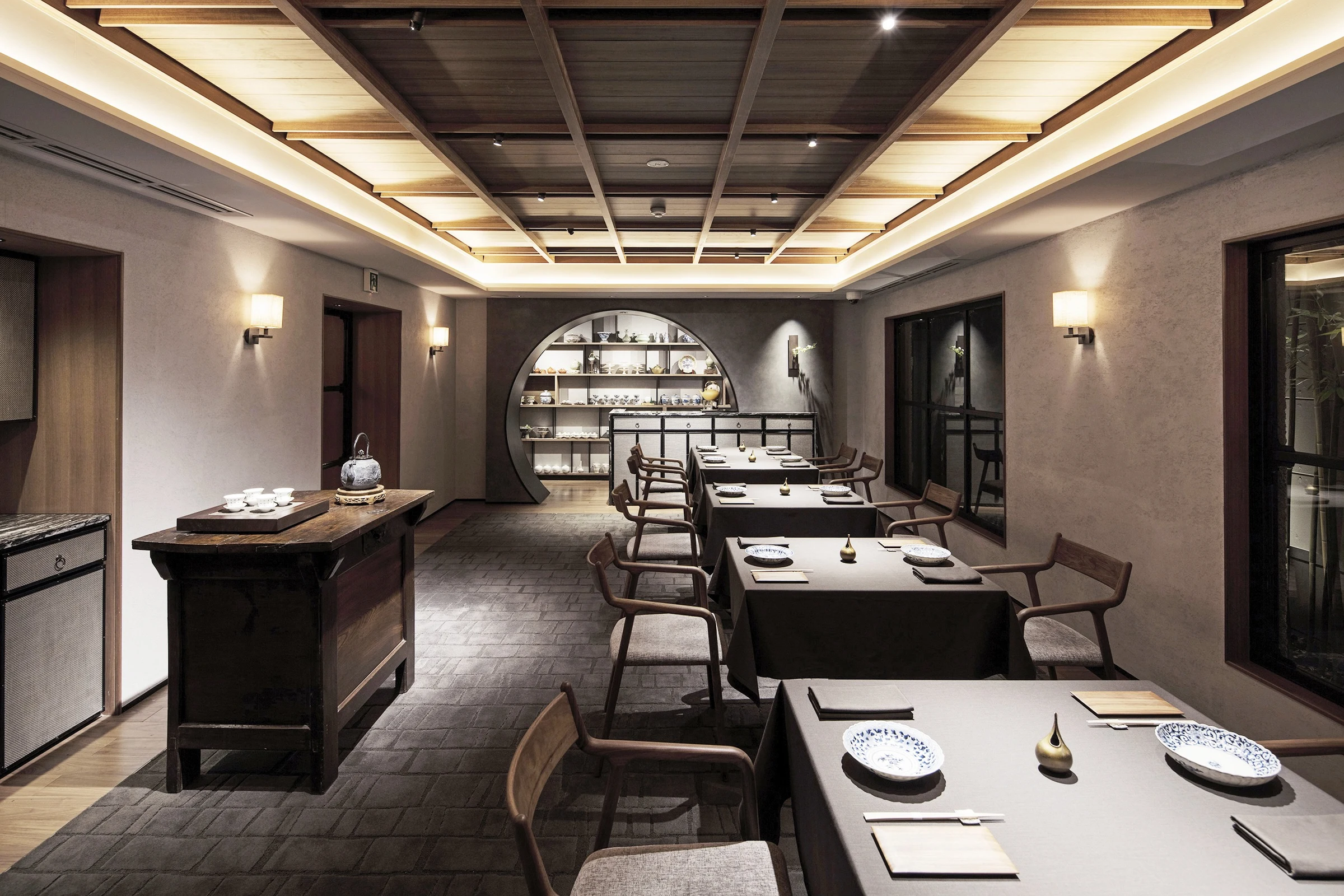
The clearest record of the work is the restaurant itself. Tempura Motoyoshi in Tokyo functions as an intimate, technique-led setting where Kazuhito Motoyoshi’s role as Executive Chef is expressed through the handling of batter, oil, sequence, and timing. Tradition and adjustment are kept in the same frame. The gestures remain legible as tempura: batter, oil, and an omakase sequence. The contemporary part is in the degree of refinement Motoyoshi applies to the form, testing precision without moving the cooking outside tempura.
The Work Today
Current work at the Tokyo restaurant centers on tempura as technique rather than category. Motoyoshi uses batter and oil to manage moisture in seafood and vegetables, and sometimes uses liquid nitrogen in what critics have called molecular tempura. The point remains practical: a light coating, a crisp surface, and an interior that carries the ingredient cleanly. Coating texture and frying temperature are judged against each ingredient’s flavor. The batter technique incorporates two types of water and liquid nitrogen, while the oil blend includes sesame, corn, and canola oils. These are working choices in a calibrated system of heat, hydration, and aroma. Liquid nitrogen is used to chill flour before frying. Light sesame seed oil is also part of the approach, and Motoyoshi has addressed tempura’s oil-heavy reputation directly: "There is a perception that tempura is unhealthy because of the oil. But it depends on the kind of oil." The signatures keep the form close to the sea. Uni with shiso tempura sets richness against an aromatic leaf; ikura with nori tempura concentrates roe and seaweed in one bite. Within an omakase built around seafood, both dishes show Motoyoshi using tempura as a structure for clarity rather than excess.
Career - Executive Chef — Tempura Motoyoshi, Tokyo, Japan
Signature
Signature dishes include Uni with shiso tempura and Ikura with nori tempura.
In Their Words “There is a perception that tempura is unhealthy because of the oil. But it depends on the kind of oil.” “For what I do, I think I’m in my prime.”
Acclaim
The formal recognition includes Two Michelin stars for Tempura Motoyoshi in the MICHELIN Guide Tokyo 2025.
FAQ What is Kazuhito Motoyoshi's current role? Kazuhito Motoyoshi is Executive Chef. What recognition has Kazuhito Motoyoshi received? Two Michelin stars for Tempura Motoyoshi. What is Kazuhito Motoyoshi known for? Motoyoshi is focused on elevating and innovating with tempura.

The Sunday letter
Get the next Made By profile in your inbox.
We send one email every Sunday morning with the people we profiled that week.
See a sample of the Sunday emailOne email a week. Unsubscribe from any issue.