James Beard Award winner
Lyn Farmer
- Discipline
- James Beard Award winner
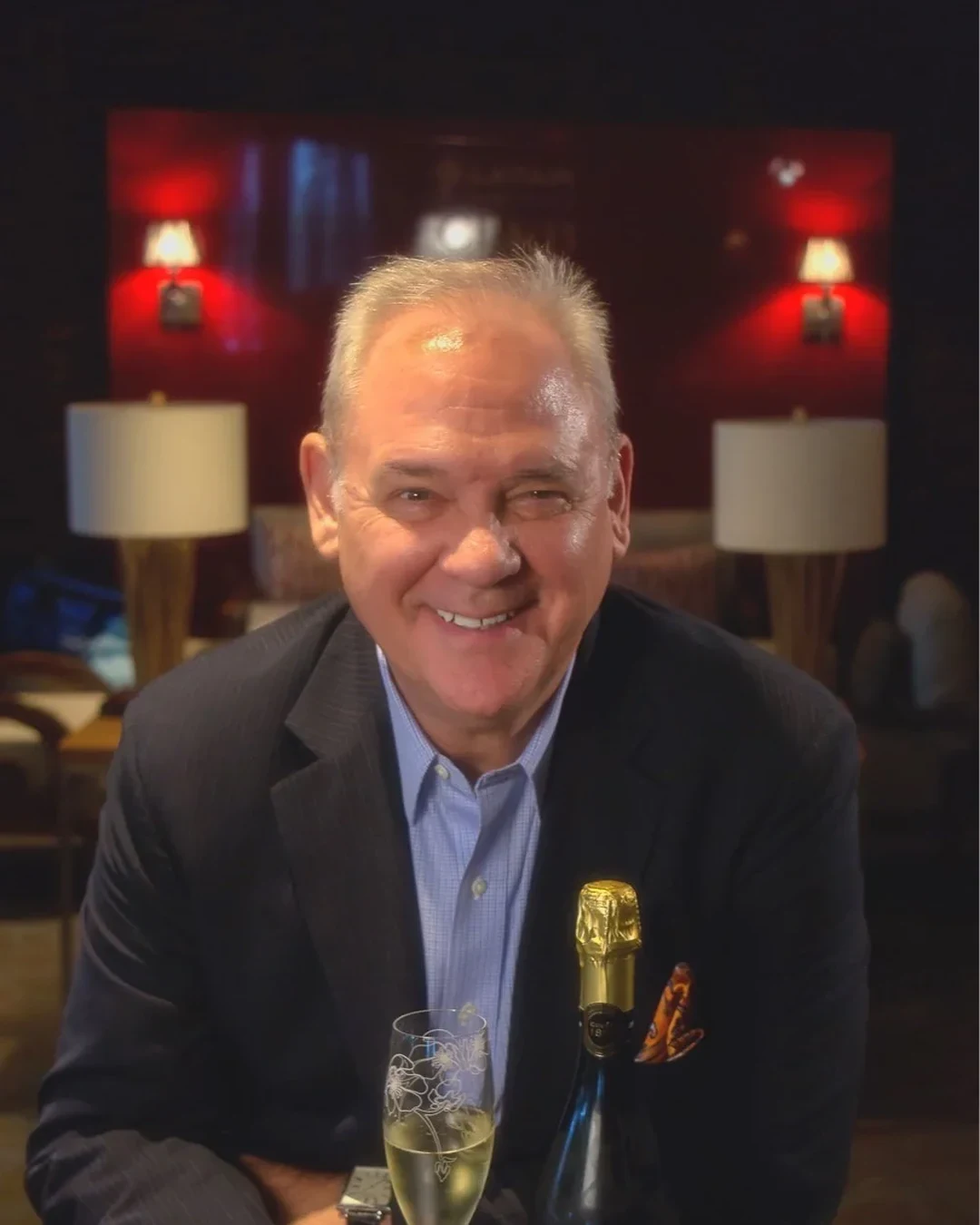
i. Biography
Wine and food education depends on accurate language, comparative tasting, and the ability to connect what is in the glass to place, production, and service. In Miami, Lyn Farmer works in that register as a WSET Certified Educator teaching throughout the United States, with the added discipline of a journalist who has reported from nearly every major wine region in the world. His work sits where wine, food, culture, and communication meet: magazine editing, newspaper criticism, education, music, travel, and the practical task of making complex sensory material clear without reducing it.
The Path
Formal beverage study includes training at Sake Education Council in Tokyo, a useful marker for the kind of cross-cultural tasting literacy Lyn Farmer later brought into wine and food education. The work has been less about one fixed lane than about interpretation across related fields: broadcast, print, hospitality, and higher education, each requiring attention to structure, audience, and context. Programming classical music and jazz radio stations trains a particular kind of sequencing and listening: nuance, mood, structure, and timing. Lyn Farmer carried that sensibility into wine and food writing, where precision and tone matter as much as sensory vocabulary. As senior editor at The Wine News magazine, he worked inside the editorial craft of wine journalism, shaping copy around regions, producers, bottles, and the experience of tasting. Restaurant criticism requires the discipline to judge a meal in context: service, cooking, setting, consistency, and the short life of a plate once it leaves the pass. As dining critic at Sun-Sentinel in South Florida from 2004, Lyn Farmer extended his work from the glass to the table, turning immediate hospitality experiences into durable prose for readers. Wine and food programming at sea adds another layer: education, service, travel, and setting have to function together. As wine and food program developer at Regent and Silversea cruise lines, Lyn Farmer worked in that moving hospitality environment. In parallel, music history and appreciation instruction at University of Miami and Florida International University kept the teaching thread active across another discipline built on close listening and historical context. Current wine and food instruction asks for direct contact with students, structured vocabulary, and the restraint to let producers, regions, and materials stay legible.
The Work Today
Wine and food education benefits from time spent in more than one professional room. Based in Miami, Lyn Farmer works from a background that includes newsrooms, classrooms, radio stations, restaurants, and the world’s wine regions. His WSET role takes him across the United States to teach, with reporting, tasting, editing, and explanation informing the classroom work. The craft remains the same whether the format is criticism, journalism, seminar, or masterclass: build a useful frame, use accurate language, and leave complexity intact. In Lyn Farmer’s work, wine and food are treated as cultural and technical subjects, grounded in place, skill, memory, and the practical experience of tasting.
Career - Wine and food journalist and educator — Miami - WSET Certified Educator — WSET, United States - Seminar leader and masterclass instructor - Program director of classical music and jazz radio stations - Senior editor — The Wine News magazine - Dining critic — Sun-Sentinel, South Florida (from 2004) - Wine and food program developer — Regent and Silversea cruise lines - Music history and appreciation instructor — University of Miami and Florida International University Education: Sake Education Council in Tokyo
Acclaim
Wine and spirits writing is a trade of observation, accuracy, and phrasing under pressure: sensory detail has to become useful language. Lyn Farmer’s honors include James Beard Foundation Award for best writing on wines and spirits, recognition tied to that specific craft of mak