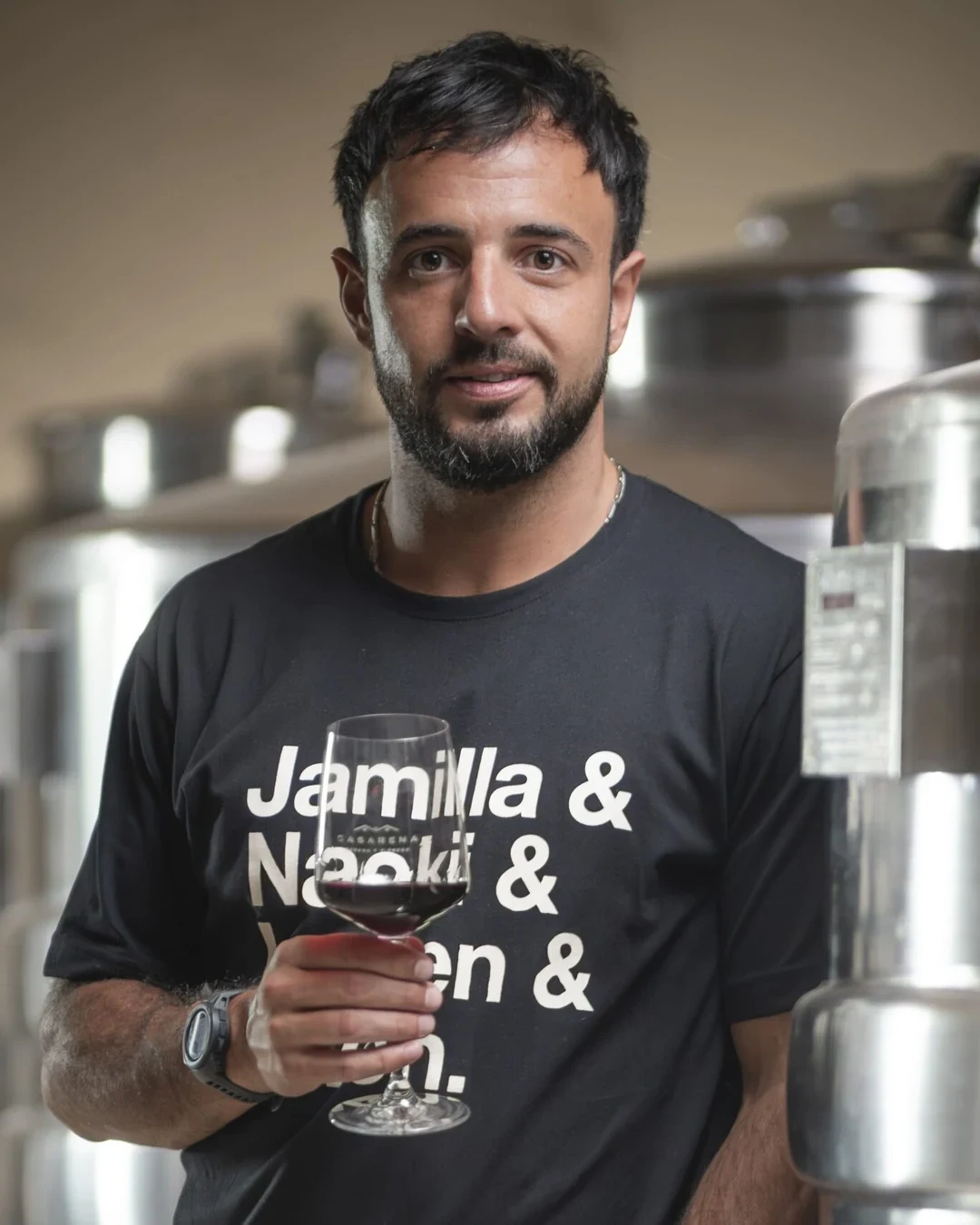
Winemaker
Marc Valette
- Discipline
- Winemaker
- Based in
- Cessenon Sur Orb, France

i. Biography
From family vines in the South of France to ownership of Domaine Canet Valette outside Cessenon, France, Marc Valette’s route turns on 1992: the year he created his own domaine and cultivated its first vintage. The work that followed tightened around AOP Saint-Chinian, clay-limestone terroirs, organic farming, and wines built for maximum flavor, concentration, and age.
Beginnings
Before the first vintage carried his own direction, Valette took over the family vines. In 1992, he created his own domaine, setting the course for a cellar rooted in the land around Cessenon and in the appellation culture of Saint-Chinian. That same year, he cultivated his first vintage. The move was not framed by a long list of outside posts; the arc begins in the vines, then moves directly into authorship at the domaine. The specialty that emerged is precise: Organic AOP Saint-Chinian wines from clay-limestone terroirs in the South of France. Rather than chasing lightness or polish, the wines are described through maximum flavor, extraction, concentration, and tannin, and they are bottled unfiltered and unfined.
The Rise
The farming became formally certified organic by Ecocert in 1999. That credential gives a date to a larger commitment: wines shaped by low yields, late-picked fruit, and cellar work that allows structure to gather slowly. His artisanal method starts with Carignan, Cinsaut, Grenache, Syrah, and Mourvèdre picked late. In the vat, the process can include extended cuvaison, repeated pigeage, and sometimes foot-treading, all choices that point toward density and physical contact rather than cosmetic winemaking. Long élevage is another defining part of the cellar rhythm. The resulting wines are described as carrying fine tannins while retaining an authentic, full character, a combination that keeps weight and texture from turning blunt.
Today
Valette’s role now is owner, and the domaine’s identity rests on wines that ask for time. Maghani is one of its named wines; the 2016 Maghani is described as made for aging, with integrated new-oak aging and great potential. The aging regime for Maghani is exacting: it is matured for three full years, with half of it spending two of those years in oak. That patience puts the wine in line with the broader house language of long élevage, tannin, and depth. Antonyme offers another named expression from the same cellar. The 2024 vintage is a Saint-Chinian wine described as structured and aromatically rich, and it received 90/100 from Revue des Vins de France 2026. Across these bottles, the through-line remains clear: family vines, a first vintage in 1992, organic certification in 1999, and a cellar built around late-picked southern varieties, long extraction, and wines released with their substance intact.
FAQ Where else has Marc Valette worked? His career has run from the family vines to his own domaine outside Cessenon, France. Where did Marc Valette begin their career? He began by taking over the family vines before creating his own domaine in 1992. What roles has Marc Valette held? He has cultivated his first vintage, created his own domaine, and now holds the role of owner.