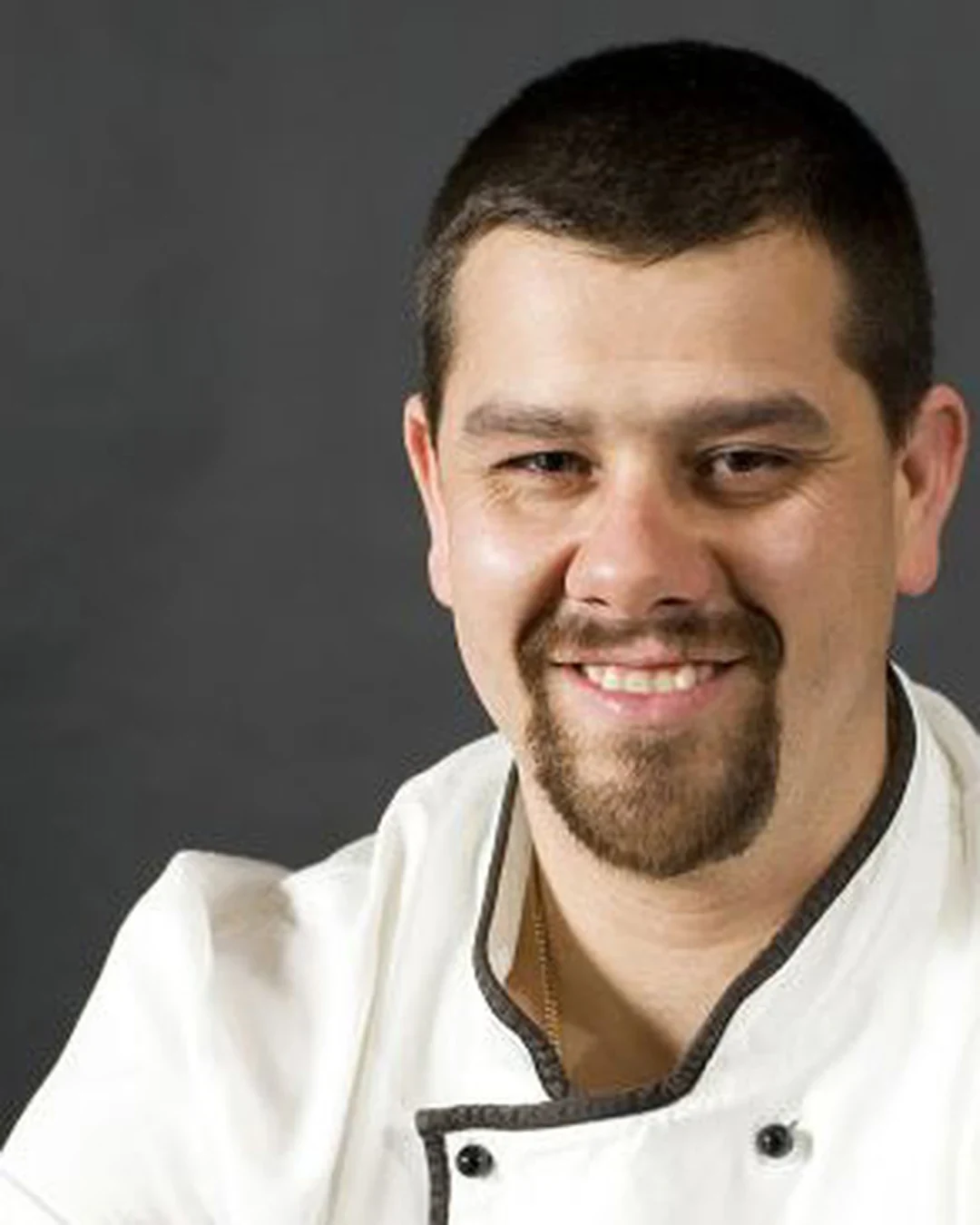
Portrait of Mario Bunda
i. Biography
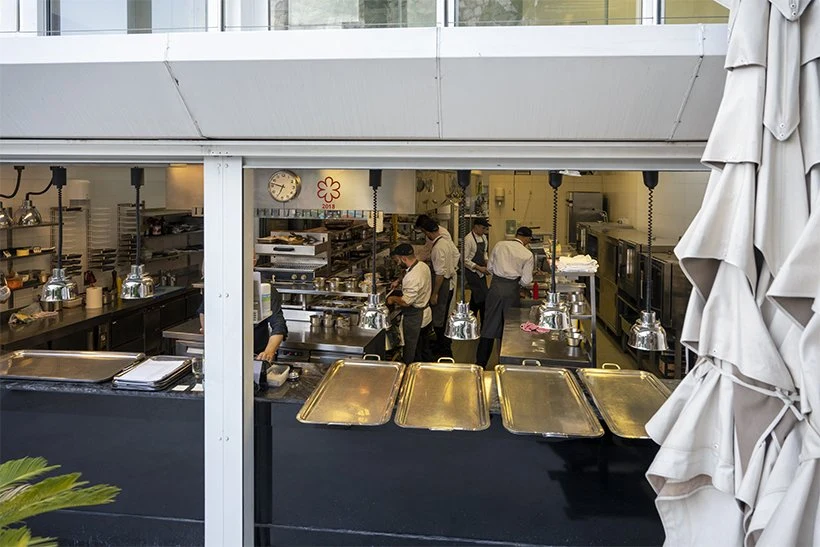
At Nautika Restaurant in Dubrovnik, Croatia, Adriatic supply sets the first constraint. In Mario Bunda’s kitchen, the morning exchange with a Dubrovnik fishmonger is part of the method: the catch determines what the day can support. Local seafood, vegetables, lobster from Vis, and delicacies from nearby waters give the kitchen its working material, tied to tide, season, and place. Refined Dalmatian cuisine depends on that proximity without treating tradition as fixed. There, Bunda works with Croatian coastal ingredients through contemporary presentation, keeping the plates composed and clear. The Adriatic functions as source, discipline, and measure: what comes from nearby has to carry the dish.
The Sunday letter
Read Made By's new profiles every Sunday.
Meet the chefs, winemakers and sommeliers behind the places we cover. See a sample below before you subscribe.
See a sample of the Sunday emailOne email a week. Unsubscribe from any issue.
The Making
Hospitality training gives a kitchen its base grammar: handling, sequence, restraint, and respect for product. Mario Bunda trained at Turističko-Ugostiteljska, where those foundations of hospitality and cuisine formed the structure for work that depends on precision as much as imagination. Contemporary Dalmatian cooking at the Dubrovnik venue is an act of sharpening rather than departure. As chef of Nautika Restaurant in Dubrovnik, Mario carries classic coastal instincts into a polished kitchen, using modern technique and presentation while staying guided by the changing rhythm of the coast.
Today
Refined Dalmatian cuisine here is built around local Adriatic seafood, including lobster from Vis, and delicacies from the waters that define the coast. In Bunda’s kitchen, proximity is practical: what arrives from the sea and the market sets the day’s range, so freshness is a condition of work rather than a decorative claim. Procurement remains part of the craft. The fishmonger’s offering is a daily read on place, season, and possibility. Bunda has described the broader Croatian moment plainly: "There has been a renaissance in Croatian gastronomy over the last decade or so, and things have really taken off." That renaissance, as Bunda frames it, is not a break from heritage. "Most Croatian restaurants, including Nautika, anchor their offer in the nation’s gastronomic heritage," he says. At the restaurant, the anchoring is visible in ingredient choice, seasonal discipline, and contemporary presentation that supports rather than masks the Adriatic character of the cooking.
Career - Chef — Nautika Restaurant, Dubrovnik, Croatia Education: Turističko-Ugostiteljska
Signature
Signature work at Nautika Restaurant includes Sea bass with cuttlefish ink sauce and Shrimp with gnocchi and beurre blanc. In Bunda’s hands, both keep fish and shellfish at the center, with sauces and accompaniments used to frame the product rather than crowd it. Sea bass with cuttlefish ink sauce works in a concentrated marine register. Shrimp with gnocchi and beurre blanc moves through texture, richness, and delicacy. The dishes rely on recognizable coastal elements, with proportion and presentation doing the finishing work.
The Record
Sea bass with cuttlefish ink sauce is described as an imaginative dish made with the freshest ingredients, while lightly smoked tuna tartare with orange chutney appears on the à la carte and tasting menus. The pairing shows the range of the same coastal vocabulary: one deep and marine, the other shaped by smoke and citrus. Other dishes keep the Adriatic register specific rather than abstract: white fish fillet on a bed of cherry tomatoes and spinach; cuttlefish with sweet potato puree and broccoflower; shrimp with gnocchi and beurre blanc. The craft is in the combination of fish, shellfish, vegetables, sauce, and season. Seasonality directs the kitchen’s movement. As Bunda puts it, "The changing seasons largely dictate the different ingredients that we work with here." The method is contained in that line: begin with what arrives, respect its source, and let Croatian heritage meet the present tense of the market.
FAQ Where did Mario Bunda train or study? Mario Bunda trained at Turističko-Ugostiteljska. What is Mar
The Sunday letter
Get the next Made By profile in your inbox.
We send one email every Sunday morning with the people we profiled that week.
See a sample of the Sunday emailOne email a week. Unsubscribe from any issue.