i. Biography
The Climb
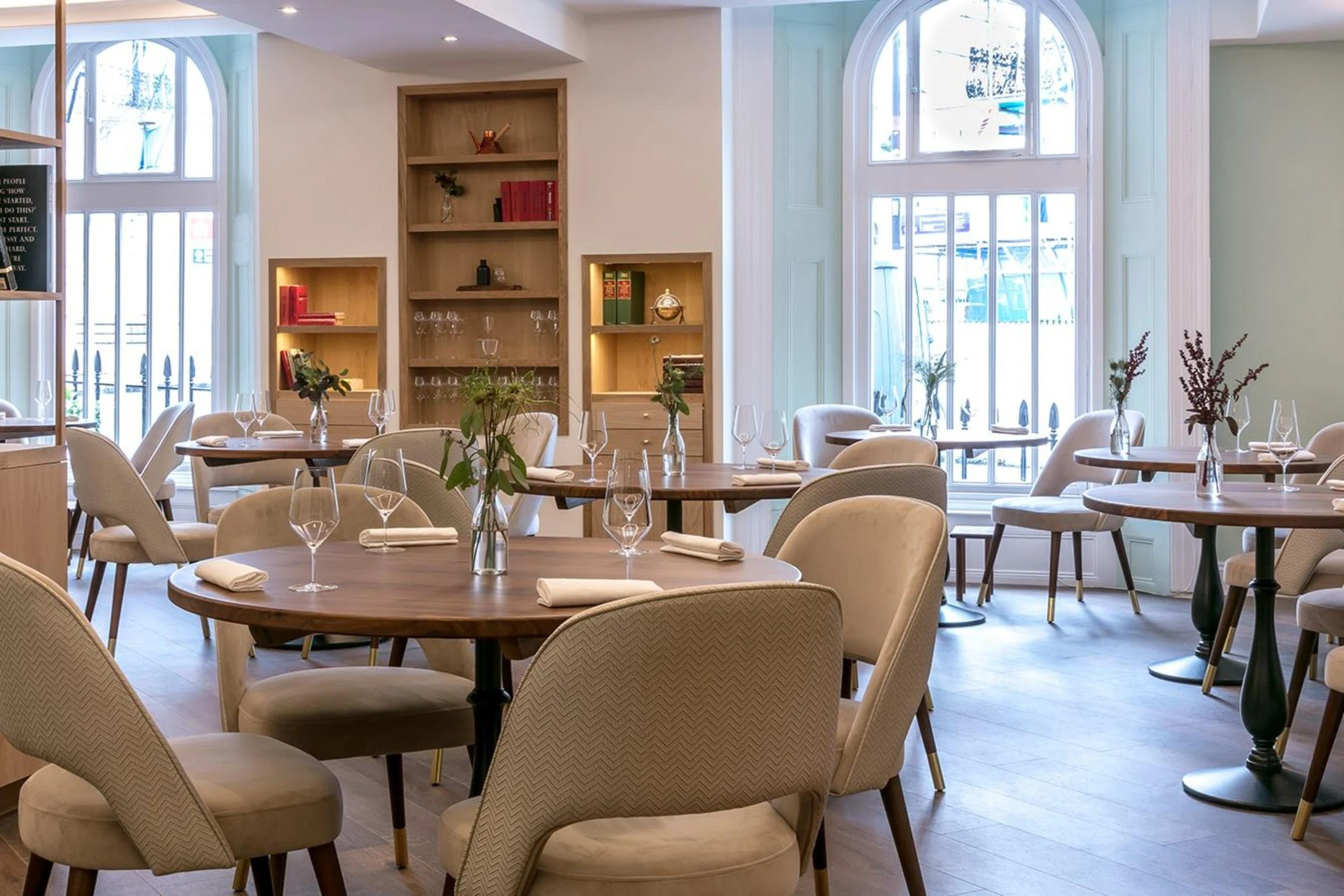
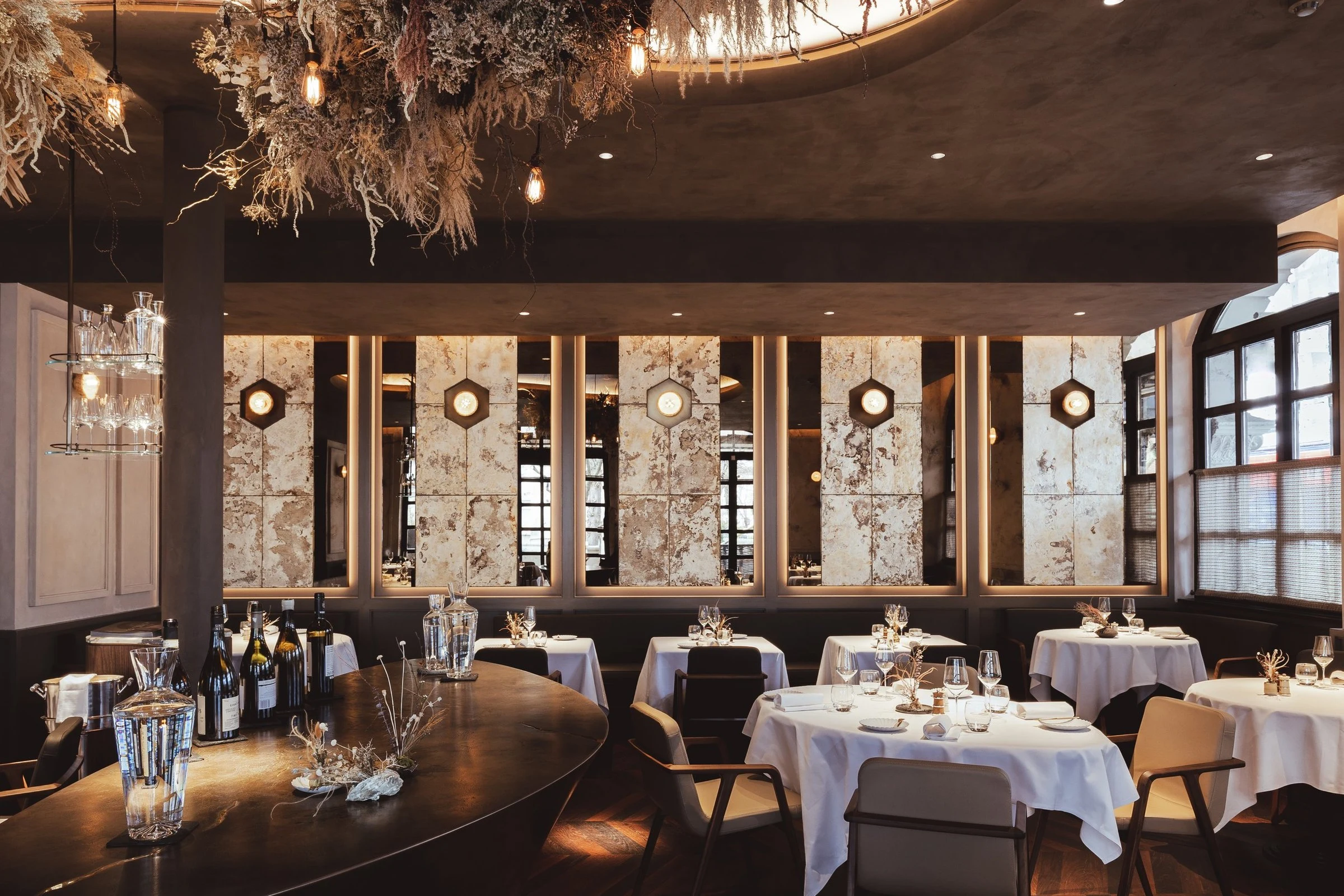
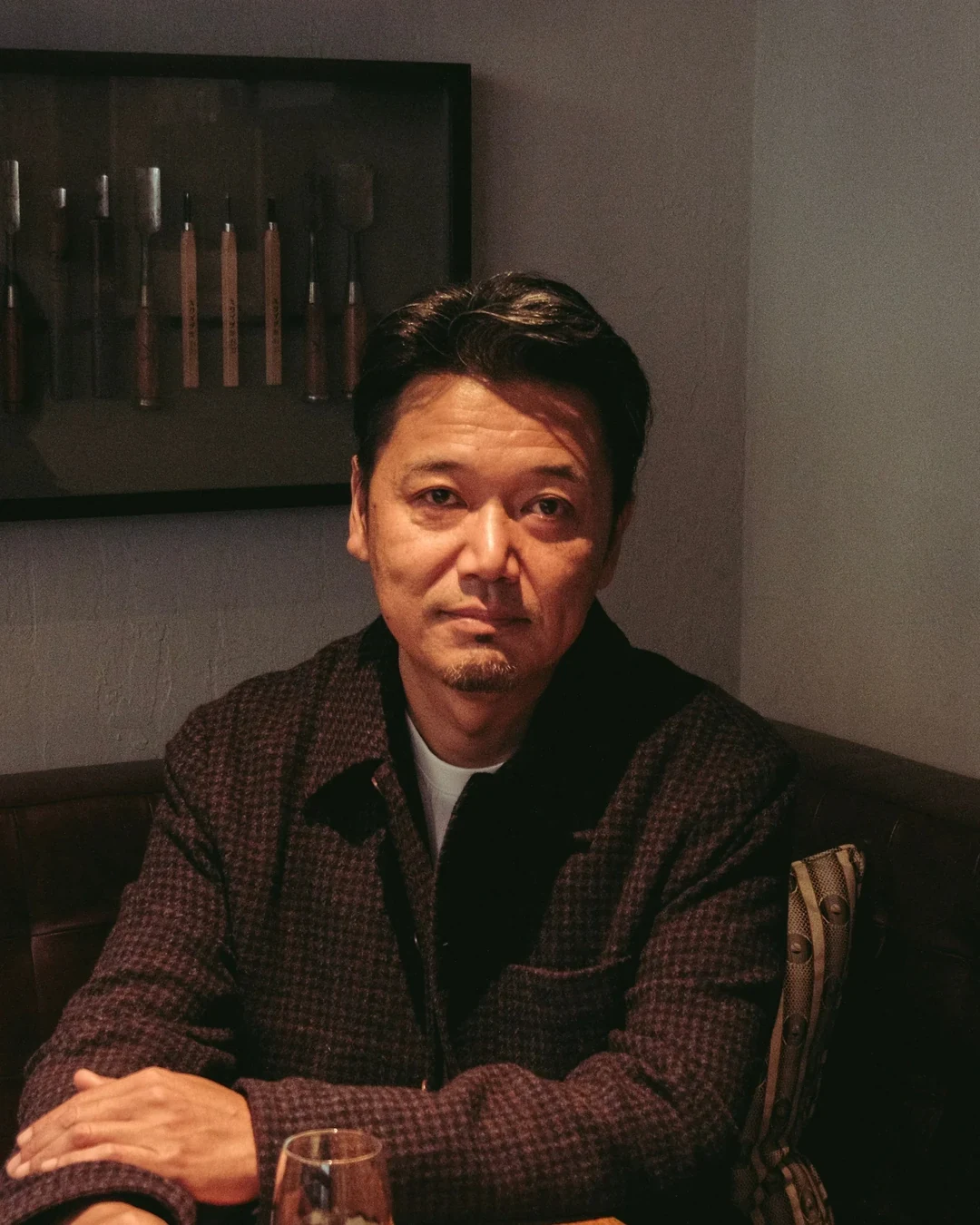
In the kaiseki line, precision is not decorative; it is the work. Masaki Sugisaki learned that early in his career while working in their parents’ traditional kaiseki restaurant at Family restaurant in Saitama, Japan, where the pace of service and the control behind each plate set the terms. That kind of kitchen trains more than technique: it teaches discipline, sequence, and how food can hold a room together. Sugisaki now carries that foundation into a different setting as Executive Chef of Dinings SW3, where the old standards of detail meet a contemporary dining room.
Today
Japanese cuisine had to explain itself to diners outside Japan, and Masaki Sugisaki worked through that friction directly. “I thought Japanese cuisine was quite popular outside of Japan, but it wasn't. When I started with sushi, the first reaction was, 'Oh, this fish is not cooked.'” The line shows the distance he was working against: admiration without fluency, curiosity without context. His response was to make the food easier to approach without flattening what it is, using hospitality as a tool for bringing Japanese cooking into an everyday social space.
Career - Executive Chef — Dinings SW3, Chelsea, London - Worked in parents' traditional kaiseki restaurant — Family restaurant, Saitama, Japan
Signature
Sugisaki’s signature dishes include Gill To Tail, Cornish red chicken udon noodle dish, and tuna carpaccio with autumn truffle. The range points to a kitchen that moves between structure and contrast: Gill To Tail suggests completeness and use across the whole ingredient; the Cornish red chicken udon noodle dish reads as grounded and direct; tuna carpaccio with autumn truffle brings a lighter register, with richness held in check. Taken together, the dishes show a chef working with clarity rather than excess, and with enough restraint to let the ingredients stay legible.
In Their Words “My aim was to move beyond the perception of Japanese food as an unfamiliar foreign cuisine, and instead create an everyday social space where anyone could gather with ease.”
Recognition
Recognition, for Sugisaki, sits in the social use of the meal rather than in display. The measure is whether Japanese food feels less foreign, more ordinary, and easier for people to gather around. That is a dining-room standard: practical, observable, and tied to repeat business rather than rhetoric. In that sense, the work is successful when the room feels open and the cuisine can be met without hesitation.
FAQ What is Masaki Sugisaki's current role? As of 2026, Masaki Sugisaki is Executive Chef. Where did Masaki Sugisaki work before? Masaki Sugisaki's earlier career included Family restaurant.
Favorite Places