Culinary legend
Michael Pollan
- Discipline
- Culinary legend
i. Biography
Coming Up
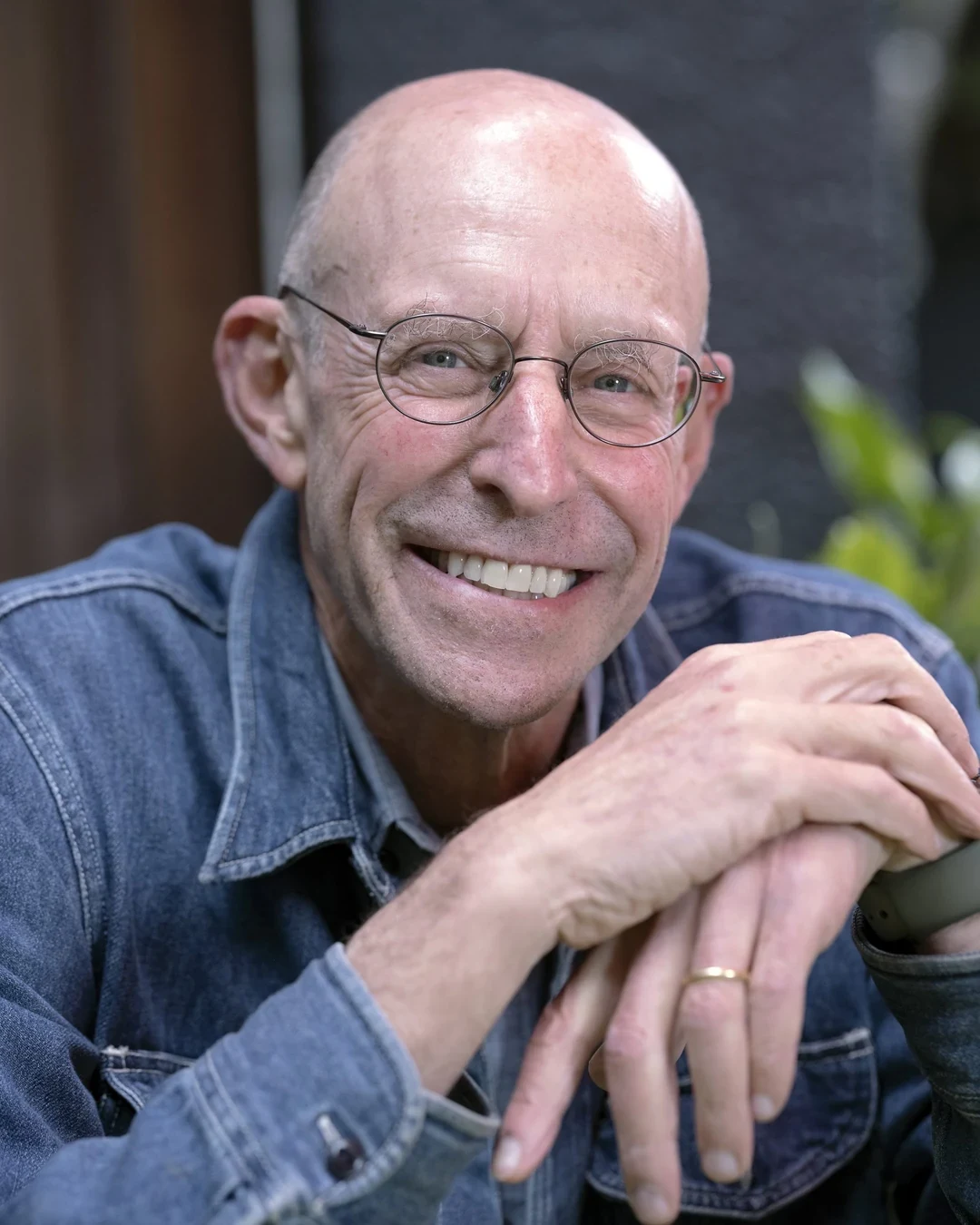
Food writing in Michael Pollan’s hands is built from reporting, teaching, and long-form editorial discipline. He trained at Mansfield College, Oxford and Bennington College before becoming former executive editor at Harper's Magazine, a role that sharpened the plainspoken, evidence-led style that runs through his work. The result is a body of writing that treats eating as more than appetite: a subject where culture, policy, and daily practice meet. Pollan’s current posts keep him inside the institutions that shape public conversation about food, science, and education. He is a contributing writer of The New York Times Magazine, professor and Lewis K. Chan Arts Lecturer of Harvard University, and Knight Professor of science and Environmental Journalism and director of the Knight Program in science and Environmental Journalism of UC Berkeley Graduate School of Journalism. In 2020, he became co-founder and leader of the public-education program of UC Berkeley Center for the Science of Psychedelics, and since 2022 he has also served as masterclass instructor for Intentional Eating of MasterClass. Across those roles, the work stays focused on explaining how food systems shape what people do at the table.
Where They Are Now
Pollan’s subject remains food, but the craft is systems thinking: the dinner table, the market, the household, and the forces that organize them. He writes about cooking as a practice with consequences beyond the plate, arguing that it reaches into environment and agriculture as well as private life. “I’ve come to think that cooking is a political act, with large consequences not only for ourselves but for the environment and agriculture as well,” he has said. In that framework, cooking is not framed as leisure or taste alone; it is an everyday discipline with public effects. That position has made Pollan’s writing useful to readers who want food discourse without performance. He returns to the satisfaction of making, preparing, and sharing meals, but he does so as a critique of convenience culture rather than a defense of nostalgia. The point is practical: the kitchen is still a place where attention, labor, and care can be organized into a daily habit.
Career - contributing writer — The New York Times Magazine - professor and Lewis K. Chan Arts Lecturer — Harvard University - Knight Professor of Science and Environmental Journalism — UC Berkeley Graduate School of Journalism - director of the Knight Program in Science and Environmental Journalism — UC Berkeley Graduate School of Journalism - co-founder and leader of the public-education program — UC Berkeley Center for the Science of Psychedelics (2020–present) - MasterClass instructor for Intentional Eating — MasterClass (2022–present) - former executive editor — Harper's Magazine Education: Mansfield College, Oxford; Bennington College
Signature
Michael's signature dishes include The Omnivore's Dilemma: A Natural History of Four Meals, The Botany of Desire, In Defense of Food Rules, and Cooked: A Natural History of Transformation. Each title marks a different angle on the same trade: how to think clearly about what we eat, why we eat it, and what the systems around food do to those choices. The Omnivore's Dilemma: A Natural History of Four Meals frames the complexity behind a single day of eating. The Botany of Desire tracks the entanglement between people and the natural world. In Defense of Food and Food Rules narrow the argument toward restraint, clarity, and usable guidance. Cooked: A Natural History of Transformation returns to heat and technique as the means by which ingredients become a meal. Taken together, these books show Pollan working at the level of habits, not slogans. His focus is not just on food as subject matter, but on attention as a method. That is what links the books to the teaching and public-facing roles: a steady argument that what people eat is how they understand their own lives.
In Their Words “This is what


