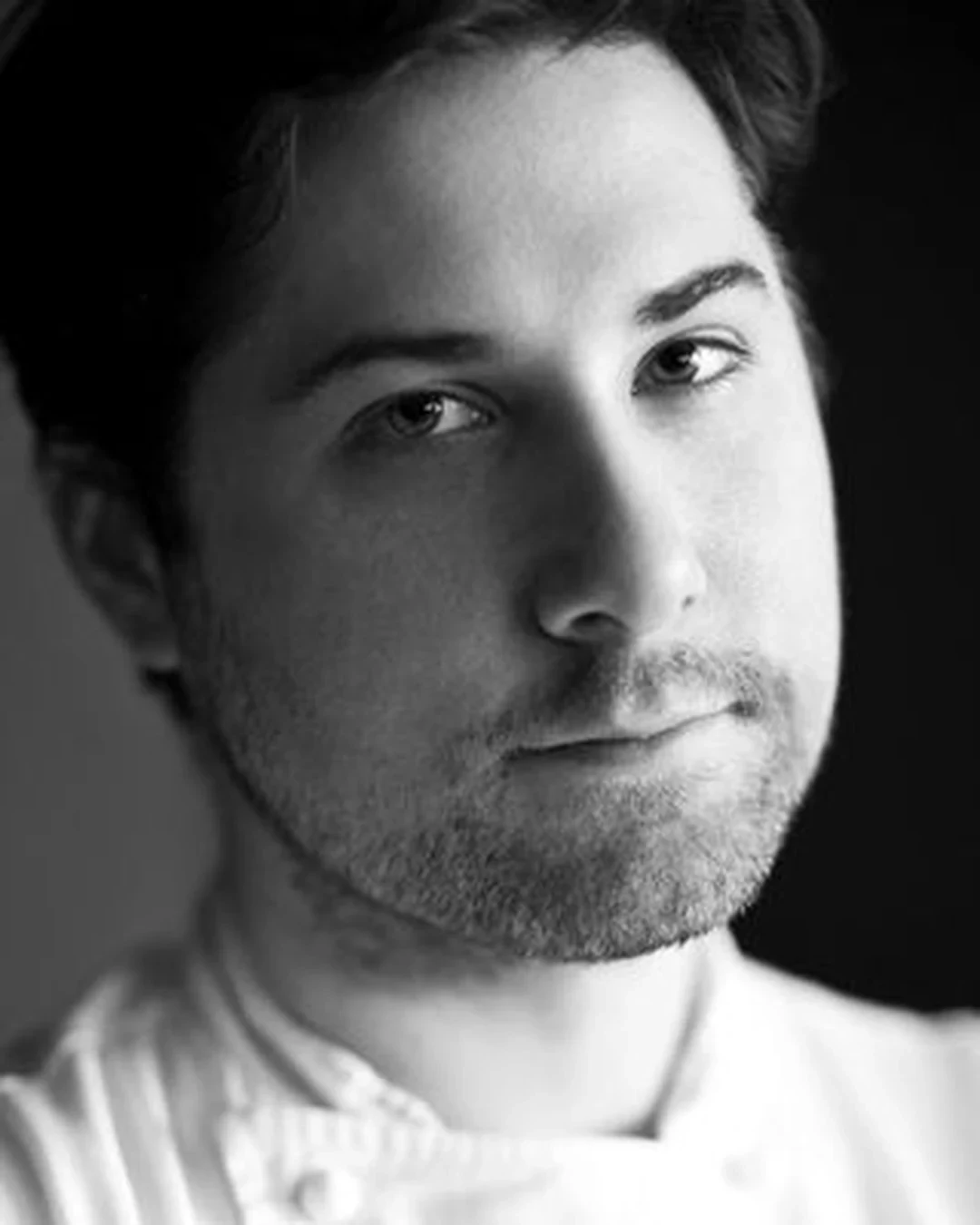
Portrait of Nick Curtin
i. Biography
Dining-room craft at Alouette in Copenhagen is built around analysis as much as appetite. Nick Curtin, American Chef & Owner of Alouette in Copenhagen, Denmark, came to the trade with formal study at New York University in New York City, where he earned a B.A. In Political Science, and with earlier schooling at The Wheeler School. He has described Wheeler as formative rather than incidental: “The academic program at Wheeler had an immense impact on my learning and my sense of self.” For a working kitchen, that matters less as biography than as method: systems, consequences, and the discipline of thinking before acting.
The Sunday letter
Read Made By's new profiles every Sunday.
Meet the chefs, winemakers and sommeliers behind the places we cover. See a sample below before you subscribe.
See a sample of the Sunday emailOne email a week. Unsubscribe from any issue.
The Climb
Kitchen formation in New York City gave the work its first professional grammar. After training at New York University and The Wheeler School (2005), Nick Curtin entered the dining scene as kitchen staff at Perry Street, where repetition, timing, and the compressed language of service became a second education. The move from classroom to line did not replace analysis; it put it under pressure. Leadership in New York kitchens added responsibility to technique. The progression through head chef at ACME in New York City and executive chef at Rosette in Lower East Side, New York City (until 2014) marks a cook taking on menu, brigade, pace, and accountability. Those roles sit in the trade record as evidence of range before the Copenhagen years. Copenhagen changed the working context without erasing the New York edge. In 2014, Nick Curtin moved to Copenhagen as chef at Almanak (from 2014), entering a food culture where sourcing, seasonality, restraint, and clarity carry particular weight. The relevant shift is not geography alone, but the way Danish culinary heritage and product discipline became part of the cooking vocabulary. Restaurant Alouette has carried that transatlantic register since 2018. As co-owner and executive chef, Curtin works in a model where technical control, sourcing choices, team structure, and the economics of the room are linked. The restaurant is treated less as a platform than as a functioning system.
Today
Ownership and cooking are combined at Restaurant Alouette in Copenhagen. In Curtin’s role as co-owner and executive chef, the pass is only one part of the craft: sourcing, labor, cost, and the daily human structure of the kitchen all bear on the plate. For a contemporary tasting-menu restaurant, those decisions are not separate from technique. Sustainability at Alouette is framed broadly: fiscal sustainability, human sustainability, and a sustainable kitchen. The tasting menu moves through Denmark’s culinary heritage, joining tradition with innovation and rooted in full-circle sustainability. In practice, the stated emphasis is connection—producer to chef, ingredient to origin, kitchen to guest. Sourcing is handled through hand-picked producers, with the components and their origins presented to diners. The named work shows two registers: dry-aged dairy cow with hen-of-the-woods mushrooms and black currants, and, in 2025 at Aurelia at Castle Hill Inn in Newport, Rhode Island, Osetra caviar with kombu oil served in a beeswax-glazed, fire-roasted pumpkin bowl. Both examples place provenance, vessel, texture, and contrast inside the construction of the dish.
Career - Co-owner and executive chef — Restaurant Alouette, Copenhagen (2018–present) - Kitchen staff — Perry Street, New York City - Head chef — ACME, New York City - Executive chef — Rosette, Lower East Side, New York City (until 2014) - Chef — Almanak, Copenhagen (from 2014) Education: New York University; The Wheeler School
Signature
The signature work attributed to Nick Curtin includes Spicy Fried Chicken, Dry-aged dairy cow with hen-of-the-woods mushrooms and black currants, Osetra caviar with kombu oil, twice smoked trout with fermented blackberries, and grilled lamb loin with sweet habanero relish and milk bread. Read as a set, the dishes move across crunch, heat, smoke, fermentation, richness, acidity, fire,

The Sunday letter
Get the next Made By profile in your inbox.
We send one email every Sunday morning with the people we profiled that week.
See a sample of the Sunday emailOne email a week. Unsubscribe from any issue.