Chef
Nico Schuermans
- Discipline
- Chef
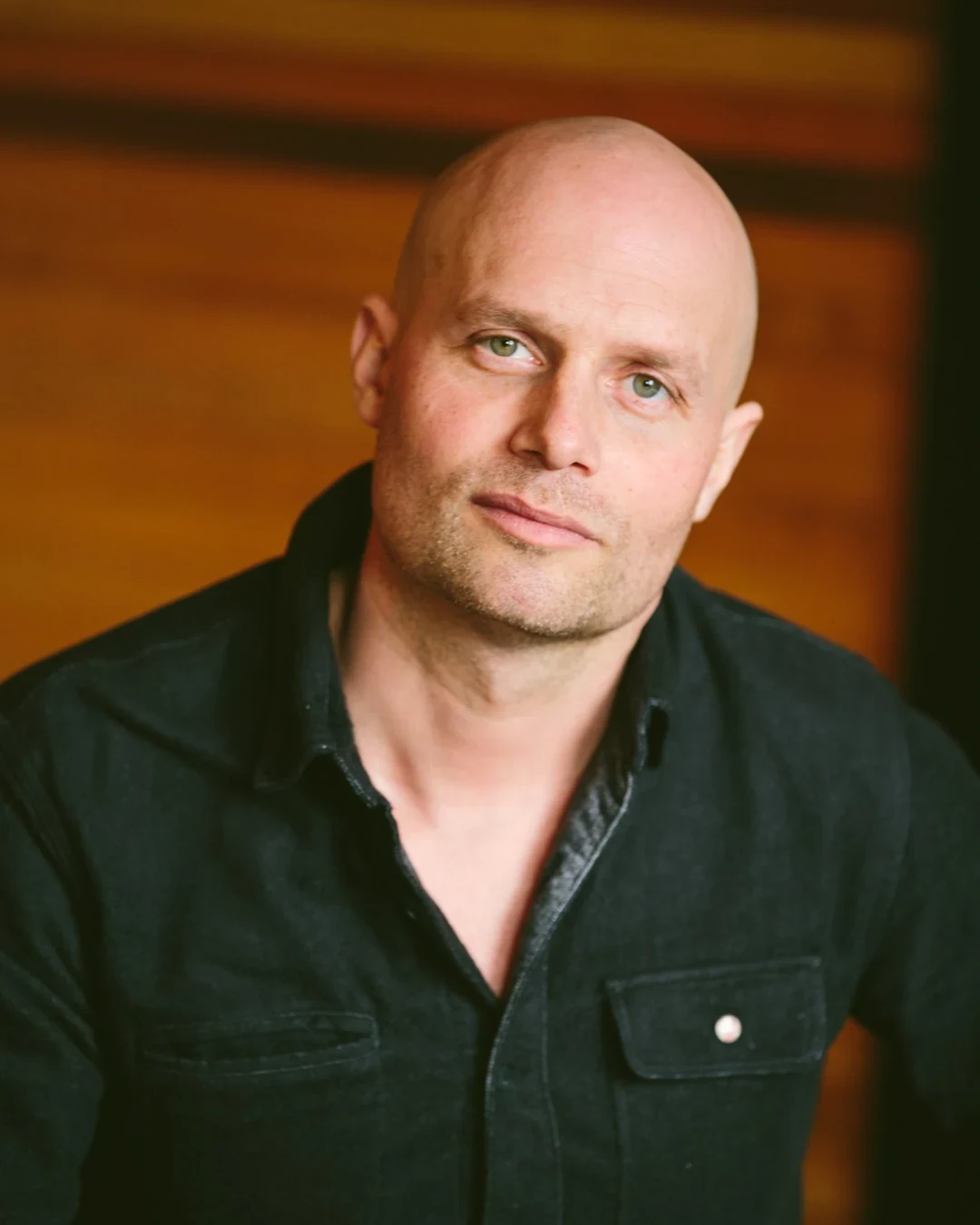
i. Biography
In Vancouver, Canada, Belgian restaurant craft is set against West Coast supply at Chambar, where Nico Schuermans has worked since 2004 as owner. The cooking keeps a Belgian core: mussels steamed in white wine, forest mushrooms in vol-au-vent, French technique as the operating grammar, and Belgian beer culture treated as part of service rather than decoration. North African influences, bold flavours, careful preparation, and warm hospitality define the room without turning it formal.
Coming Up
Classical discipline came first through CREPAC School of Culinary Arts, followed by professional training at La Villa Lorraine in Belgium. In Nico Schuermans’s case, that foundation was extended through a culinary role at Comme Chez Soi in Belgium and a culinary role at The Savoy in London, England, kitchens associated here with technique, precision, and controlled execution. That training remains visible in the way the food is built: French structure, layered flavour, and richness held in check by clarity. As chef and co-founder of Chambar since 2004, Nico Schuermans has applied those habits to a Vancouver restaurant with a Belgian pulse and enough range to take in broader influences without losing its center.
Where They Are Now
Chambar is the working expression of Belgian flavour in a West Coast context. Belgian food and Belgian ales set the frame, while West Coast ingredients bring seasonality, freshness, and local reference to dishes rooted in European craft. The kitchen gives equal weight to French technique and West Coast ingredients. Bold flavour is central, but it is controlled by preparation rather than volume. The result is cooking that can be polished and generous without making the room feel ceremonious. Belgian cuisine with North African influences gives the restaurant a wider register of warmth, spice, and aromatic depth. Belgian beer culture has its own place in the craft: handpicked Belgian beer imports are paired with menu items, making the glass part of the meal and another route into the restaurant’s Belgian identity. The fine-dining question at Chambar is answered through ease rather than display. The vision Nico Schuermans shares with Karri Schuermans rejects pretension and keeps the room relaxed, with the work carried by consistency, polish, generosity, and hospitality that does not need staging.
Career - Chef and co-founder — Chambar, Vancouver, Canada (2004–present) - Professional training — La Villa Lorraine, Belgium - Culinary role — Comme Chez Soi, Belgium - Culinary role — The Savoy, London, England Education: CREPAC School of Culinary Arts
Signature
The signature dishes named for Nico Schuermans — Mussels vin blanc, Les amuses bouches d’Escoffier, and Blue Fig — show the range of the house language. Mussels vin blanc keeps the work direct: shellfish, white wine, and timing. Les amuses bouches d’Escoffier points back to classical composition. Blue Fig sits in the same register of dishes built to be clear, recognizable, and finished without excess.
In Their Words “Bold.Flavourful. Unexpected. I am committed to using sustainable produce and seafood. I like to create complex dishes that seem effortless.” “I’m inspired by all things wild, seasonal and uncultivated.”
Honors
Recognition here is tied to dishes that have carried beyond the dining room. Mussels vin blanc is a signature dish associated with Schuermans, a one-pot mussels recipe he shared from Chambar Restaurant; TODAY described mussel dishes as among the most popular items on Vancouver menus. Les amuses bouches d’Escoffier is another signature work, a sampling platter that draws on Schuermans’s classic training and features a forest mushroom vol-au-vent. The broader recognition rests on Vancouver longevity since 2004 and on the repeatable craft of a dining room built around Belgian flavour, beer culture, and hospitality that stays direct.
FAQ Where did Nico Schuermans train or study? Nico Schuermans trained at CREPAC School of Culina


