Winemaker
Pascal Marchand
- Discipline
- Winemaker
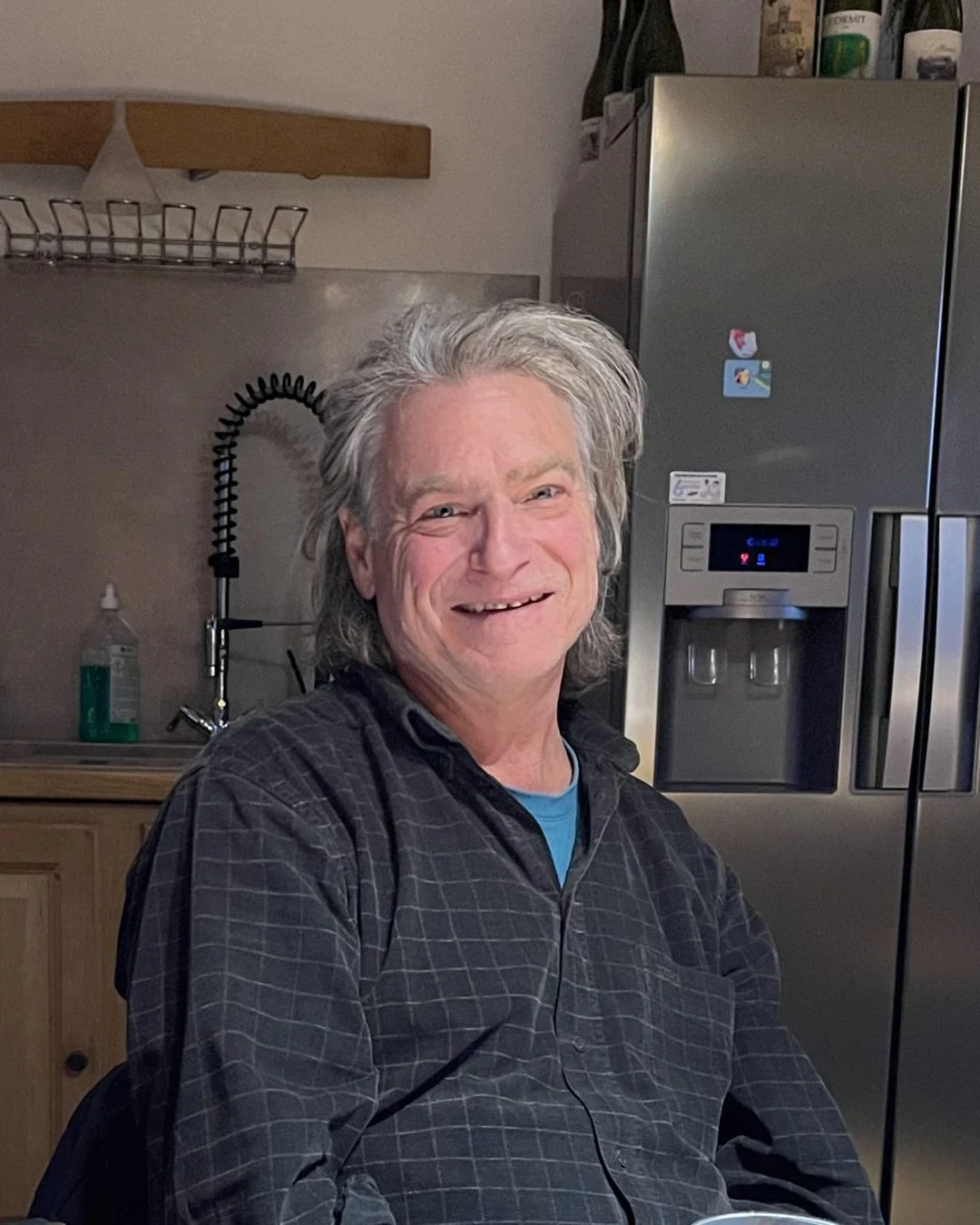
i. Biography
The Path
At Beaune, Pascal Marchand was trained inside Burgundy’s working cadence, where repetition, timing, and attention are part of the job description. The first harvest on record came at Domaine Bruno Clair in Burgundy (1983), a season entry that placed him in the immediate pressure of vintage work. By the time he became winemaker at Domaine des Comte Armand in Burgundy (1985–1999), the role had moved from seasonal labor into long-form responsibility, the kind that builds judgment through years of the same terrain. In 1999, he took responsibility for Domaine de la Vougeraie at Domaine de la Vougeraie in Burgundy (1999–2005), carrying that accumulated Burgundian practice into another estate context. Today, Pascal is micro-negociant of Pascal Marchand (since 2006) and winemaker of Domaine Jean Féry, still working in a field where precision and memory remain part of the craft.
The Work Today
“I am an hedonistic guy and an epicurean. To be a winemaker is the perfect occupation for a such a guy.” In Pascal Marchand’s own terms, winemaking is measured not only by control, but by the ability to shape something that gives pleasure. That position sets out a clear working logic: the vineyard should carry the wine as far as it can, and the cellar should not be used to paper over what the site or the season did not supply. The standard here is restraint, with the wine expected to stand on what is present rather than what is added. He has also said, “When I make my wines, I am really looking to give pleasure to people.” The line is straightforward, and so is the aim behind it. The work is attentive without becoming academic, and technical without turning into display. In Marchand’s framing, the finished wine should land with clarity and presence, offering the kind of satisfaction that comes from balance rather than effect.
In Their Words “My wines are made in the most natural way possible, minimizing the oenological products that are there normally to cover what is missing from the vineyards, because to much production or lack of work.” “I worked with François Germain. For me, I learned a lot about passion—he was very passionate about his work.” Read together, those remarks describe a working ethic built on visibility and discipline. The first puts the emphasis on keeping intervention in check so the vineyard remains legible in the wine. The second names François Germain as an influence and makes the lesson plain: seriousness in this trade is carried through sustained commitment to the work itself, not through talk around it.
Career - micro-negociant — Pascal Marchand (2006–present) - winemaker — Domaine Jean Féry, Burgundy - worked the harvest — Domaine Bruno Clair, Burgundy (1983) - winemaker — Domaine des Comte Armand, Burgundy (1985–1999) - responsible for Domaine de la Vougeraie — Domaine de la Vougeraie, Burgundy (1999–2005) Education: Beaune
Acclaim
At Domaine de la Vougeraie, he converted estates to organic and biodynamic cultivation. That work fits the line running through Marchand’s career: methods chosen to let the vineyard carry more of the load. Conversion to organic and biodynamic cultivation is not presented here as a stylistic flourish, but as a practical decision with consequences for how an estate is worked. In Burgundy, where scrutiny is constant, it marks a serious commitment to process and to what the site is allowed to say.
FAQ Where did Pascal Marchand train or study? Pascal Marchand trained at Beaune. What is Pascal Marchand known for? Converted estates to organic and biodynamic cultivation.


