
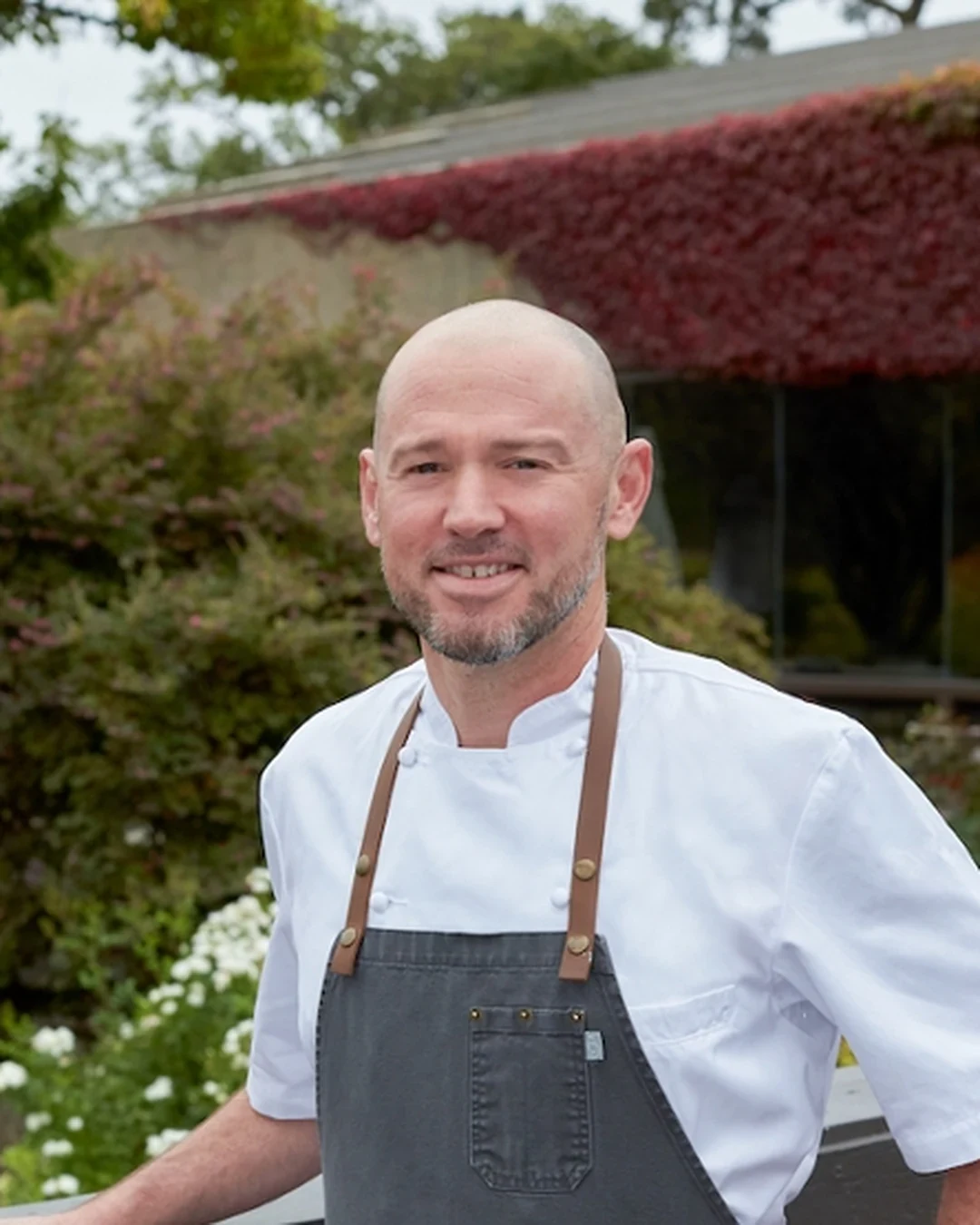
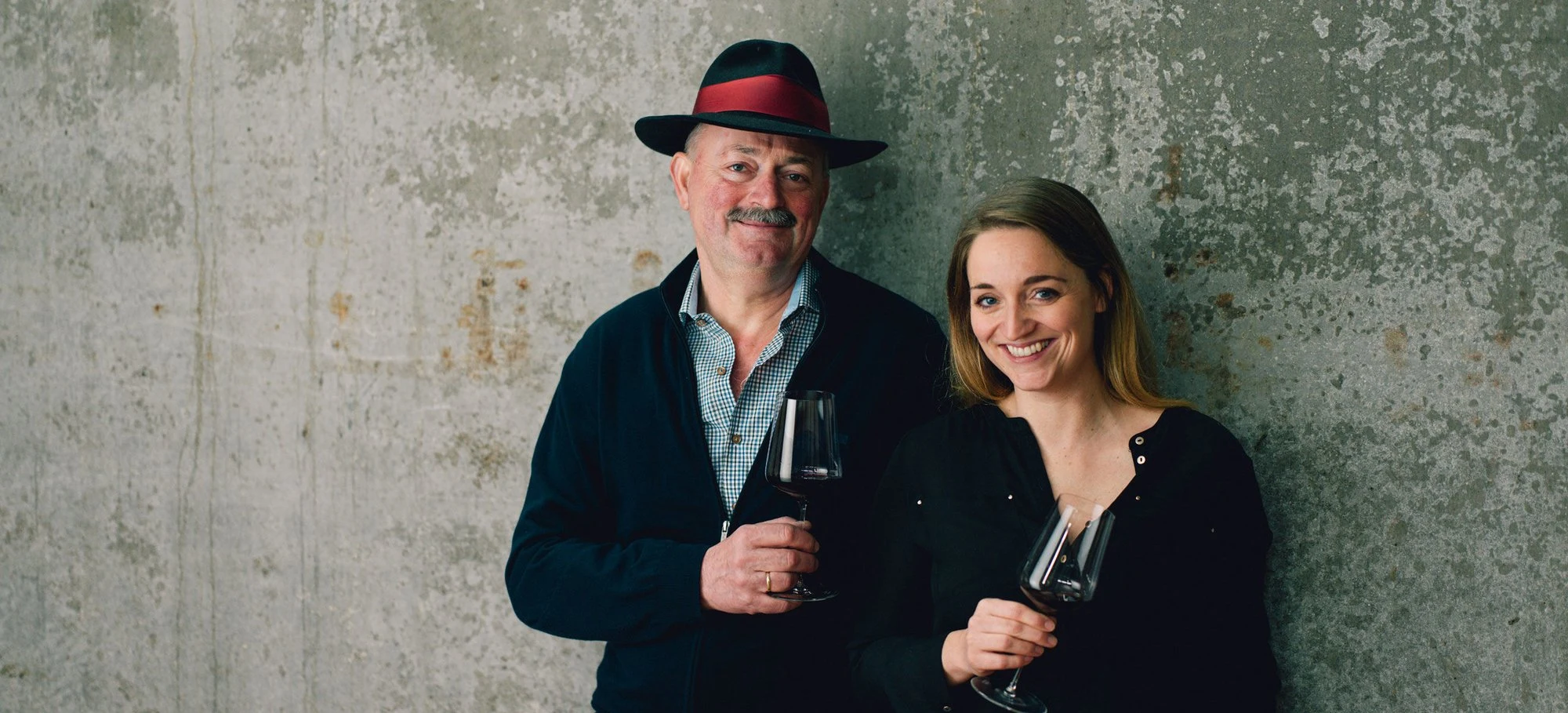
Portrait of Philipp Grassl
i. Biography
His career centers on wine at the same producer, and on a tight red-wine brief: “Our winery has always been known for taut, savory red wines.” The line works as a working definition of Philipp Grassl’s place in the cellar, setting out a style built on restraint, structure, and a clear reading of site rather than any broad gesture.
The Sunday letter
Read Made By's new profiles every Sunday.
Meet the chefs, winemakers and sommeliers behind the places we cover. See a sample below before you subscribe.
See a sample of the Sunday emailOne email a week. Unsubscribe from any issue.
Coming Up
Winemaking at Weingut Philipp Grassl in Göttlesbrunn, starting in 2006, gave Philipp Grassl a career anchored in precision and repetition rather than spectacle. From the outset, the focus was on red wines with a firm, savory line and on shaping a cellar identity that stayed close to clarity. In Göttlesbrunn, that kind of work is the producer’s long view: vintages stacked one after another, each one asking for attention, patience, and consistency.
Where They Are Now
The company is in Göttlesbrunn, Austria. For Philipp Grassl, that place is not just a pin on the map but the framework for the wines themselves. The setting supports a style that leans toward tension, savor, and precision, with the producer’s identity kept close to origin and to the red-wine vocabulary that has defined it.
Career - Winemaker — Weingut Philipp Grassl, Göttlesbrunn (from 2006)
Signature
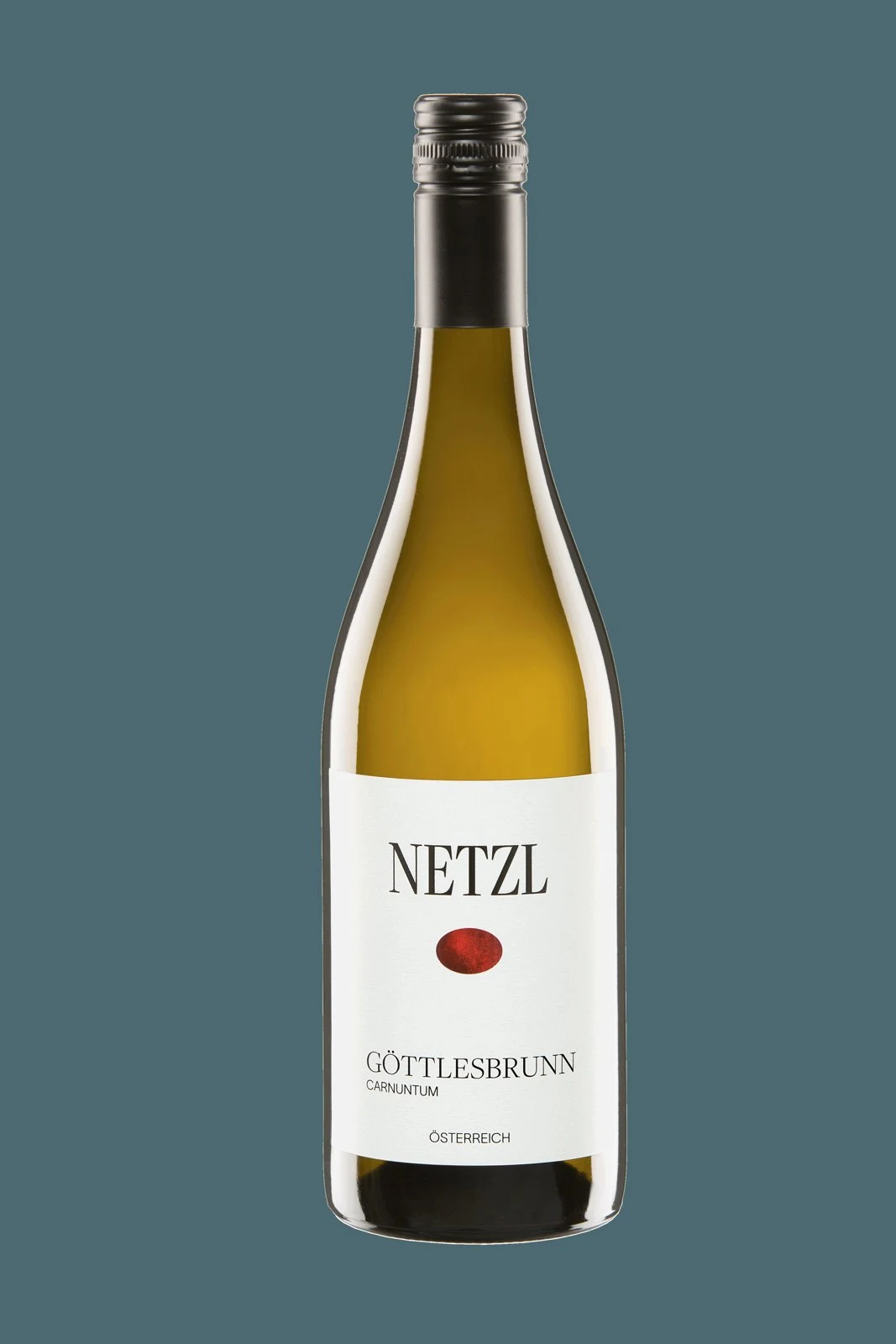
Philipp's signature wines include Ried Bärnreiser, Schüttenberg, Bärnreiser, St. Laurent Reserve, and 2023 St. Laurent Carnuntum. Read together, they point to a cellar that returns to structure and depth as core values. Ried Bärnreiser and Bärnreiser place emphasis on a site that warrants repeated attention, while Schüttenberg and St. Laurent Reserve show how that same red-wine identity can be carried across different expressions. The 2023 St. Laurent Carnuntum keeps the work current, extending the producer’s known emphasis on taut, savory red wines into a recent release.
In Their Words “The Bärnreiser is a southwest-facing, relatively large site with very different sections.” “This very powerful wine definitely needs five to seven years of aging to fully unfold.” The first remark treats the vineyard as a set of distinctions rather than a single uniform block—defined by exposure, scale, and variation within the site. The second puts aging time at the center of the wine’s life, making clear that power here is not intended for immediate consumption alone. It is a wine that needs time to settle, gather itself, and show its full shape gradually.
FAQ What recognition has Philipp Grassl received? Falstaff Winemaker of the Year (2018).

The Sunday letter
Get the next Made By profile in your inbox.
We send one email every Sunday morning with the people we profiled that week.
See a sample of the Sunday emailOne email a week. Unsubscribe from any issue.