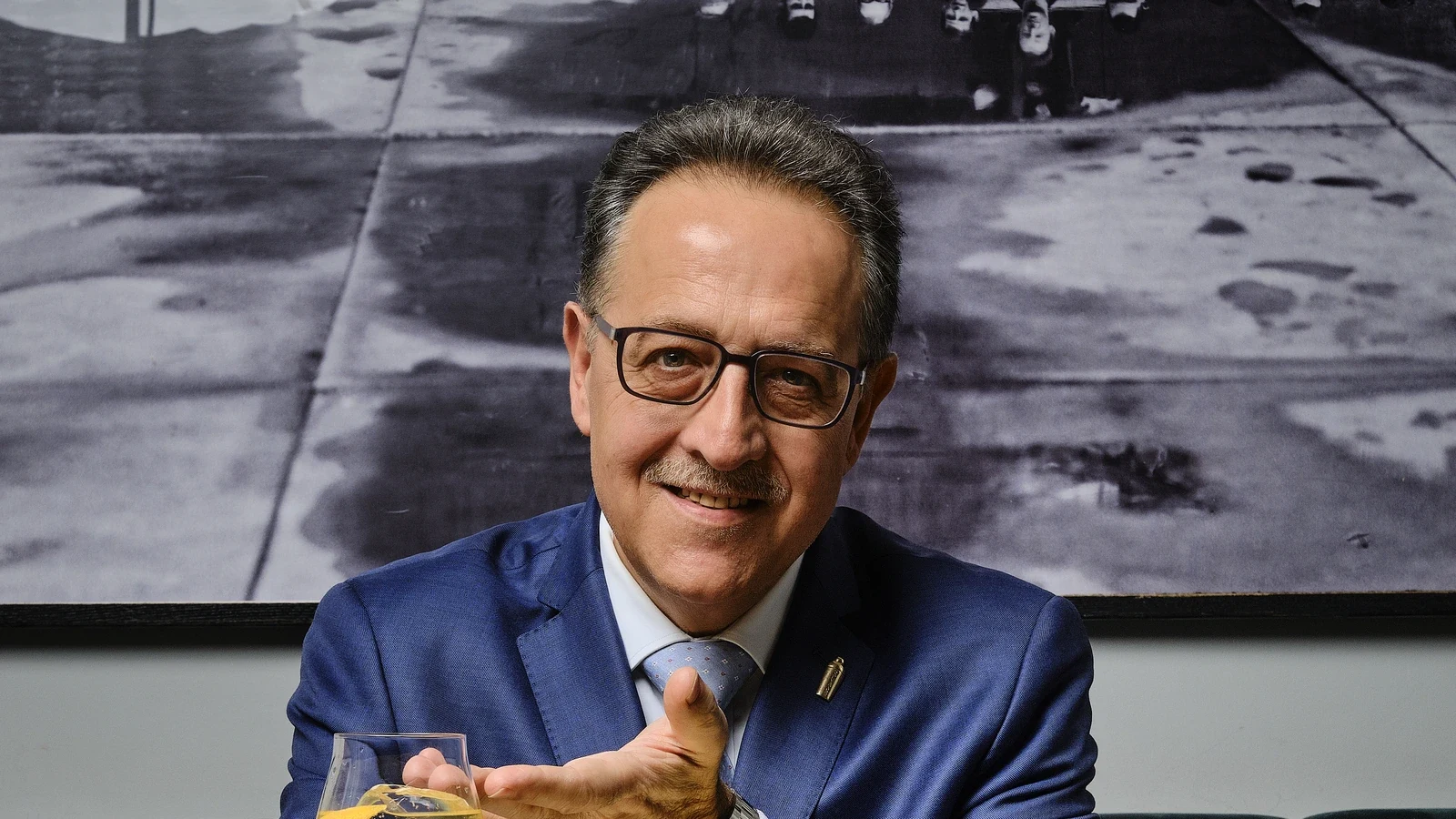
Bartender known as The Maestro
Salvatore Calabrese
- Discipline
- Bartender known as The Maestro
Made By record
Awards & recognition
1 total
verified records


i. Biography
For the bar trade and select brands, the working vocabulary around Salvatore Calabrese is practical: identical cuts, cold glassware, measured spirits, and service that treats old bottles as usable stock rather than display. The line runs from Maiori to London through classic cocktails, rare cognacs, and a very dry, very cold martini made in response to a guest’s request.
The Place Hotel training in Maiori was manual before it was technical. When Salvatore Calabrese entered the trade at age 11, after his father found him a summer job at Hotel Reginna in 1966 to keep him occupied, the instruction came through labor: early starts, repeated tasks, visible order, and standards that could be checked by eye and hand before any bar station was involved. Knife work set the first measure of precision. At 11, Calabrese was assigned to slice breakfast bread to identical widths, a hotel task with a direct trade lesson: consistency is produced before it is presented. Pressure, angle, rhythm, and repeatability mattered. The same habits later carried into measured pours, clean glassware, controlled dilution, and drinks built on restraint. The first bartending job came at the same property. The move from bread knife to bottles changed the tools, not the standard. Measure, repetition, and clean edges became balance, temperature, dilution, and composed service. England put that training into a different service tempo and a different set of guest expectations. Bar work came first; leadership followed as an extension of the same discipline rather than a separate skill.
The Method Classic mixology is the working base of the cocktail practice associated with Salvatore Calabrese at Donovan Bar, Brown’s Hotel in London. The method favors enduring forms, adjusted through touch, temperature, and proportion, with modern finesse applied inside recognizable structures. Aged spirits and rare cognacs are treated as ingredients with age, texture, and weight. The handling is practical: cold glass, exact measure, and care with liquid that has already carried time before it reaches the drink. The martini language is narrow by design: very dry, very cold. That build leaves little room to hide mistakes. Temperature, proportion, dilution, and the decision to stop before excess are the controls.
The Range The Liquid History idea applies the same respect for aged stock in another format: not only old cognac, but the deliberate gathering of aged liqueurs into one glass. Its value rests on continuity and selection, with bottles held over time and brought together to concentrate craft without overloading the drink. Consulting for the bar industry and select brands moves the practice beyond one counter while keeping the same controls learned in Maiori and sharpened in London: identical widths, cold temperature, rare spirits, and classic forms handled with care. Precision remains the line, supported by patience and by the expectation that disciplined making is still legible after the glass leaves the hand.
Signature
Signature cocktails include DUKES Martini.
FAQ What is Salvatore Calabrese's current role? He is a consultant to the bar industry and select brands. What is Salvatore Calabrese known for? Classic cocktails.