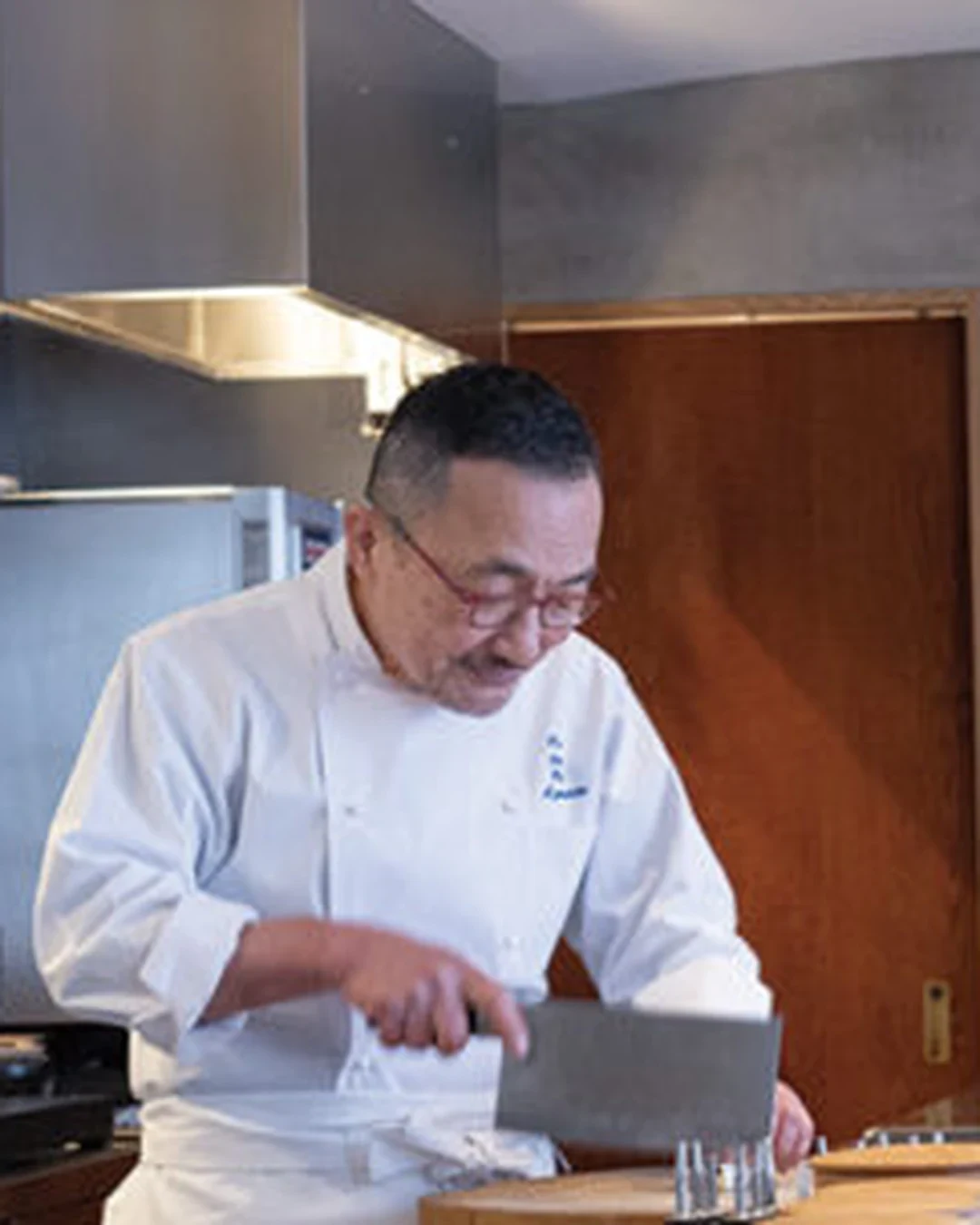
Portrait of Shizuo Miyamoto
i. Biography
Where It Started Chinese cuisine supplies the working grammar here: technique, heat, sequence, and meaning before decoration. In Shizuo Miyamoto’s cooking, that grammar is treated as the structure of the restaurant rather than as a borrowed accent. Classical literature from that tradition informs the recipes, giving the work an ancestry in text as well as kitchen practice; story and image are used as organizing pressure, not ornament. Kyoto’s seasonal ingredient culture sets the second condition. The cooking is not presented as fusion, and the foundation is not softened to suit place. Instead, Miyamoto works the friction between inherited technique and the ingredients around him: wok force, precise seasoning, and the short window of the season. Fish receives particular emphasis, tying the kitchen to freshness and timing while keeping each dish rooted in heat. Delicacy is handled as a carrier for intensity, not an alternative to it.
The Sunday letter
Read Made By's new profiles every Sunday.
Meet the chefs, winemakers and sommeliers behind the places we cover. See a sample below before you subscribe.
See a sample of the Sunday emailOne email a week. Unsubscribe from any issue.
Who Shaped Them The tradition remains the primary shaping force, visible in the food’s attention to technique, temperature, contrast, and stimulation. Miyamoto does not reduce that inheritance to familiar restaurant signals. The cooking returns to fundamentals: aromatic force, momentum, and the ability of heat to sharpen an ingredient rather than bury it. Literary reference gives the work another form of lineage. Classical texts function as a source of structure and atmosphere for Miyamoto, organizing flavor and imagination without turning the plate into illustration. The inheritance moves from text to kitchen, from tradition to season, from heat to ingredient. Kyoto adds rhythm and restraint to that framework. Its seasonal ingredient culture presses the kitchen toward timing, condition, and attention to what is available now. In Miyamoto’s style, that pressure does not cover the foundation; it gives it a local measure.
The Work Today
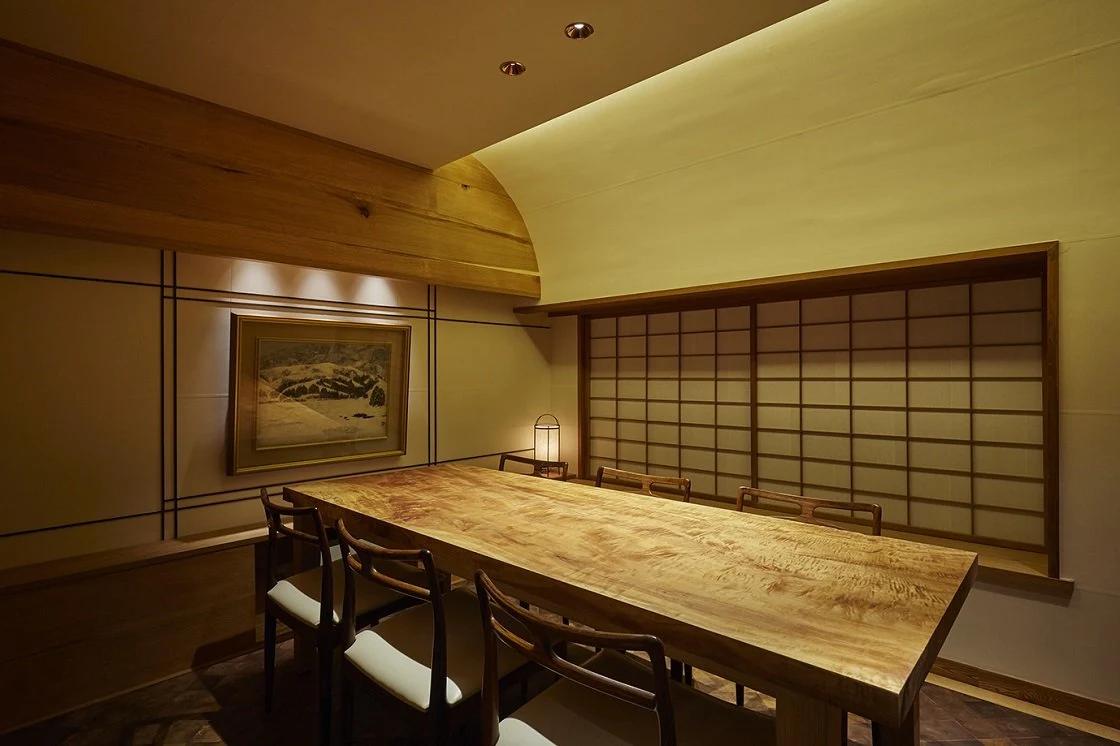
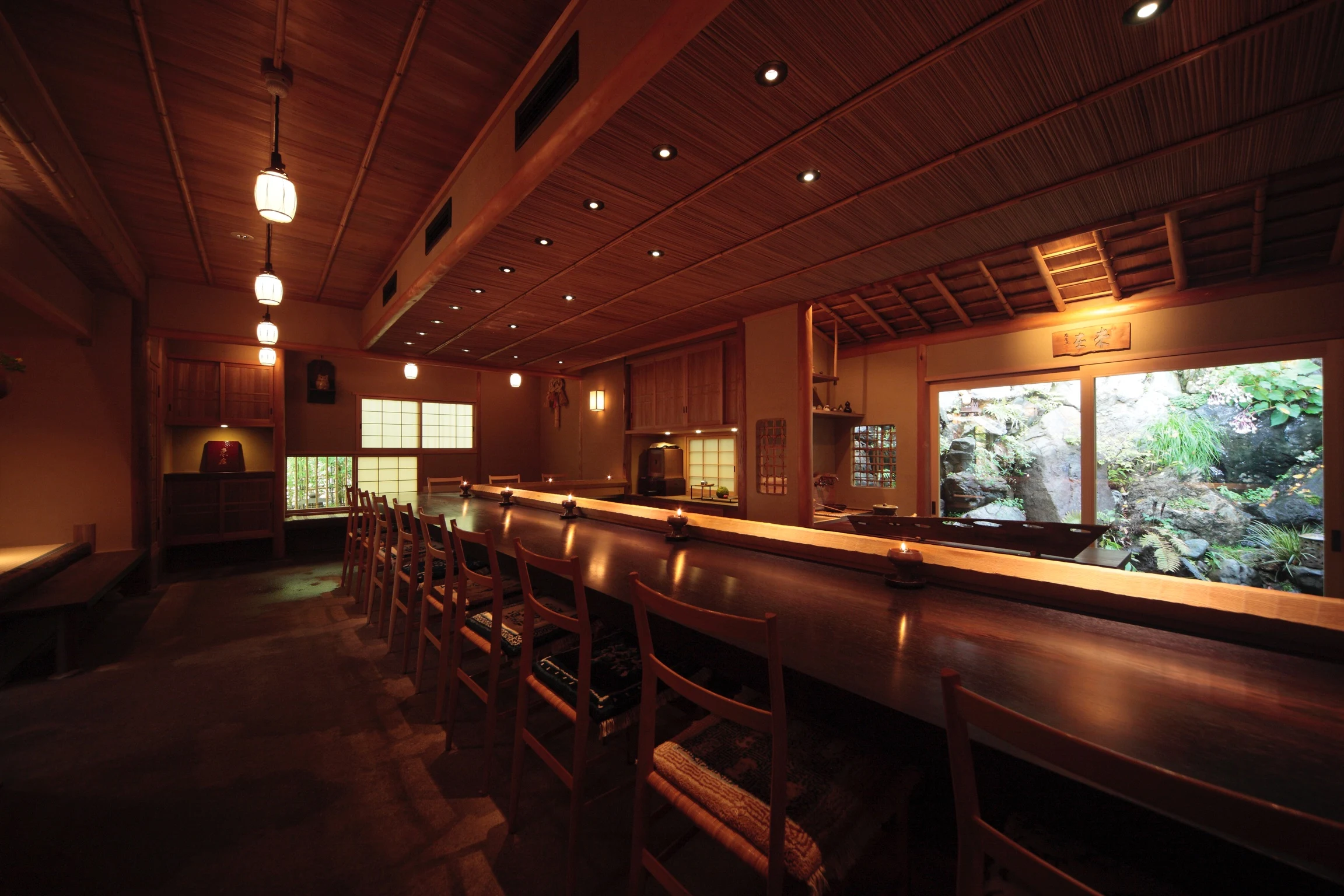
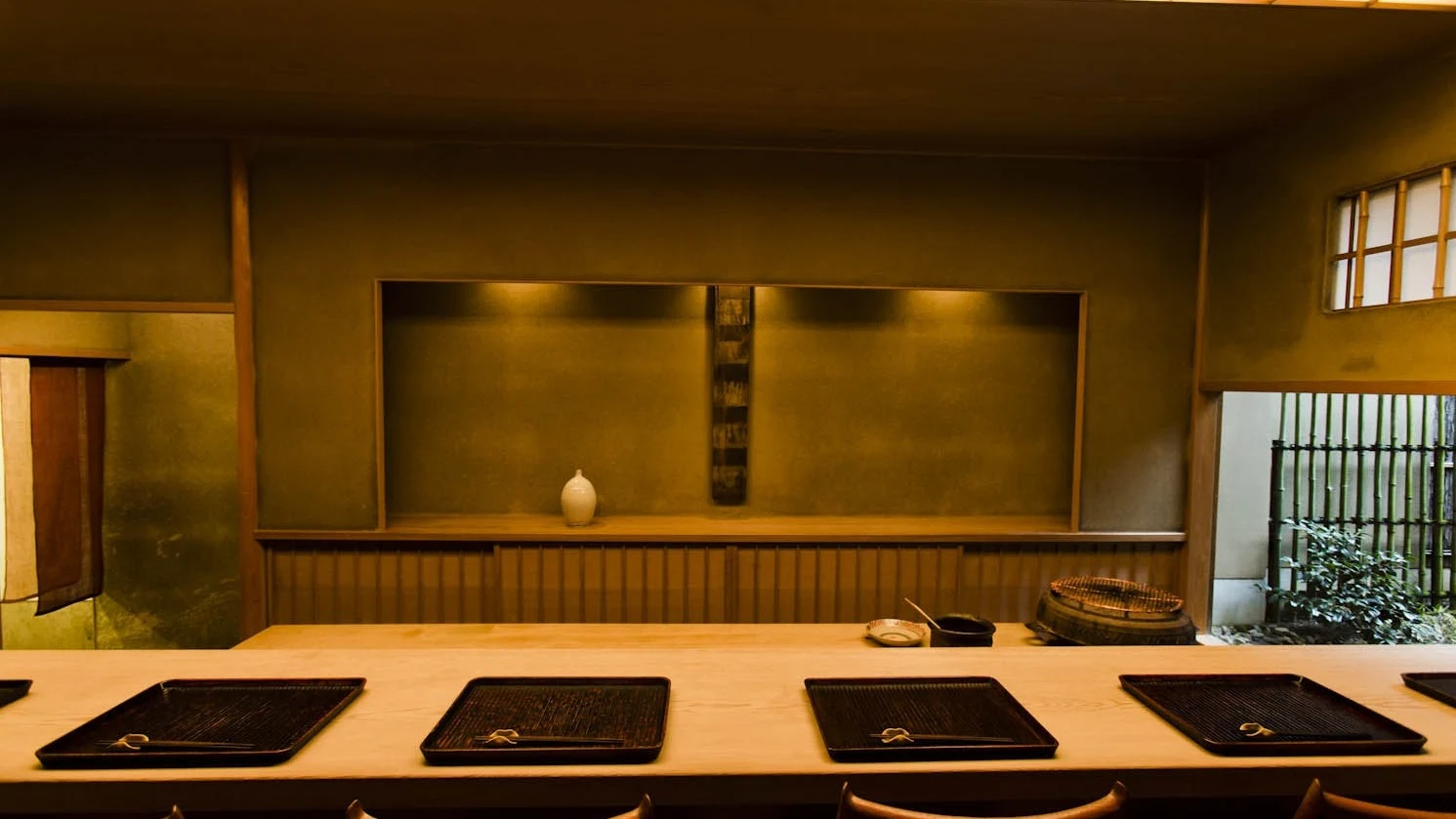
Singular Chinese cooking in Kyoto is the operating frame at Kyo Seika, where Miyamoto’s current role as owner gives him control over the restaurant’s style. The identity rests on balance: rigor and imagination, season and technique, stimulation held inside a controlled frame. The cooking is situated in Kyoto without being dissolved into it. The Three-Flavor Spring Roll with scallop, truffle, mala sorbet, and Yoshida Farm Caciocavallo makes that frame concrete. The dish has been described as a masterpiece because its construction depends on contrast: hot spring roll against cold mala sorbet, crispness and warmth against chill and stimulation, with scallop, truffle, and Yoshida Farm Caciocavallo adding layered richness. The bite states the restaurant’s position clearly: refinement without loss of force, and inherited structure carried through a Kyoto context.
Signature
Signature dishes include Three-Flavor Spring Roll with scallop.
FAQ What does Shizuo Miyamoto do now? Shizuo Miyamoto is chef at Kyo Seika — Chinese. What is Shizuo Miyamoto known for? Singular Chinese cooking in Kyoto's Higashiyama district.
The Sunday letter
Get the next Made By profile in your inbox.
We send one email every Sunday morning with the people we profiled that week.
See a sample of the Sunday emailOne email a week. Unsubscribe from any issue.