Chef
Stephen Rogers
- Discipline
- Chef
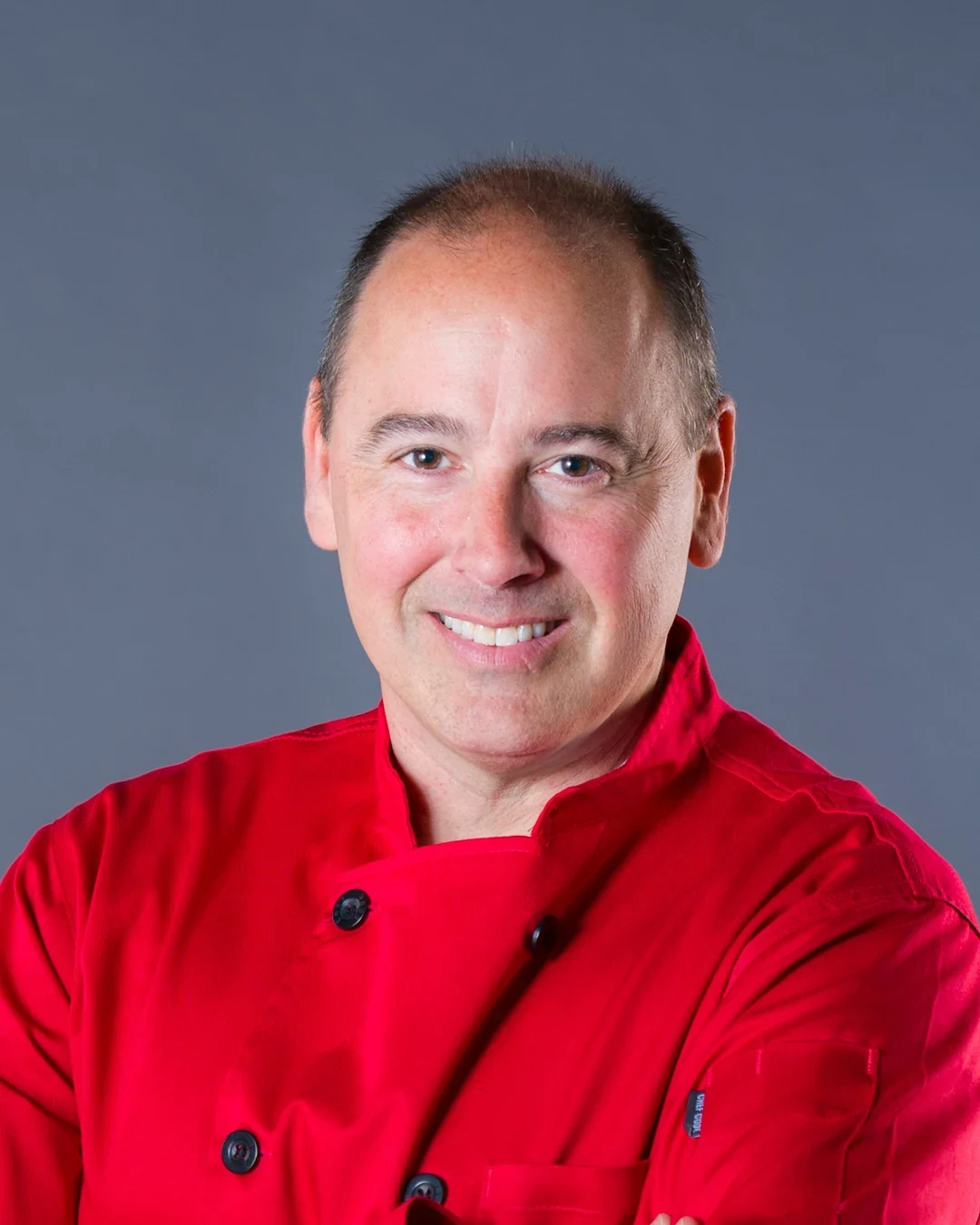
i. Biography
The Climb
The kitchen path here runs through training, service, teaching, and ownership, with Stephen Rogers bringing each register into the work. Highland Park High School, Eastman School of Music, and Curtis Institute gave that trajectory a formal base, one that points to discipline, repetition, and exacting standards. Before Rogers became a chef with weight on both the dining room and business side, he learned service from the floor at Quatorze in New York, where the work meant timing, pressure, and the mechanics of keeping a room moving cleanly. A later role as adjunct professor at Manhattanville College adds another dimension: the transmission of craft, not just its execution. From there, PRESS in Napa Valley placed him in the pace and expectations of fine dining, sharpening the instincts already in motion. Rogers’s career also shows range in the structure of the job itself. He is executive chef and co-owner and chef/owner of Gemma and chef/owner of Sachet, roles that combine creative control with ownership. The progression from service to instruction to leadership reads as accumulation: each step added a different kind of fluency, until the work encompassed not only the plate but the larger system around it.
Today
In Dallas, Gemma sits under Rogers as chef/owner, and he is also named there as executive chef and co-owner. That dual responsibility keeps the work close to both the kitchen and the business, with the menu and the operating rhythm folded into the same remit. The result is a chef whose presence is built into the room as much as into the food. Mediterranean-inspired cooking is the frame, and at the table that shows up as a meze-inspired meal. Small plates and sequence matter here; the format favors variety, sharing, and pacing. The style reads as generous without losing discipline, and coordinated without flattening the energy of the meal.
In Their Words The line is plain, and that is what gives it force. It points to the practical pull of restaurant work: the money, the proximity to food, and the charge of service after dark. It is a reminder that many careers start in the conditions of the room itself. “That’s how I taught myself to cook. I’d make cassoulet one day, coq au vin the next.” Self-teaching here is described through repetition and range. Cassoulet and coq au vin suggest a method built on moving from one dish to the next, using practice as the curriculum. The emphasis is on making, trying, and building fluency one plate at a time.
Career - executive chef and co-owner — Gemma, Dallas, TX - chef/owner — Gemma, Dallas, TX - chef/owner — Sachet, Dallas, TX - server — Quatorze, New York - adjunct professor — Manhattanville College - chef — PRESS, Napa Valley Education: Highland Park High School; Eastman School of Music; Curtis Institute; Manhattan School of Music
Recognition
Stephen's honors include James Beard Foundation TasteTwenty (2025), James Beard Award nominee for Outstanding Hospitality, and James Beard Award semifinalist for Outstanding Wine Program. Those recognitions point beyond the plate to the full shape of the restaurant: how guests are received, and how wine supports the program as a whole. For a career that moves through performance, instruction, service, and ownership, the recognition fits the breadth of the work. It marks a professional profile shaped by training and by the daily demands of running a restaurant life.
FAQ What is Stephen Rogers's current role? As of 2026, Stephen Rogers is Chef/Owner. Where did Stephen Rogers train or study? Stephen Rogers trained at Highland Park High School and Eastman School of Music. What recognition has Stephen Rogers received? James Beard Foundation TasteTwenty (2025).


