Chef
Thai Dang
- Discipline
- Chef
Made By record
Awards & recognition
2 total
verified records

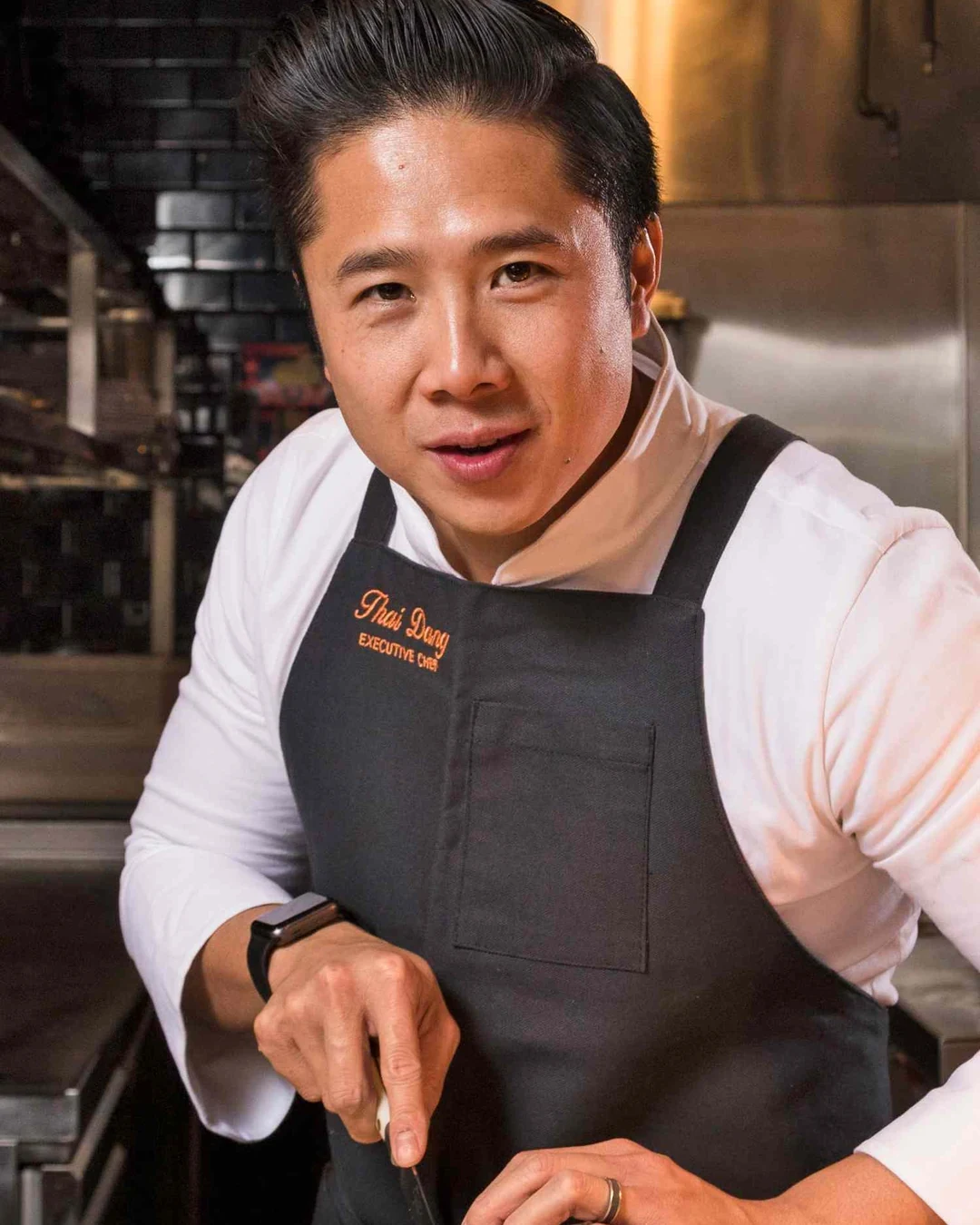
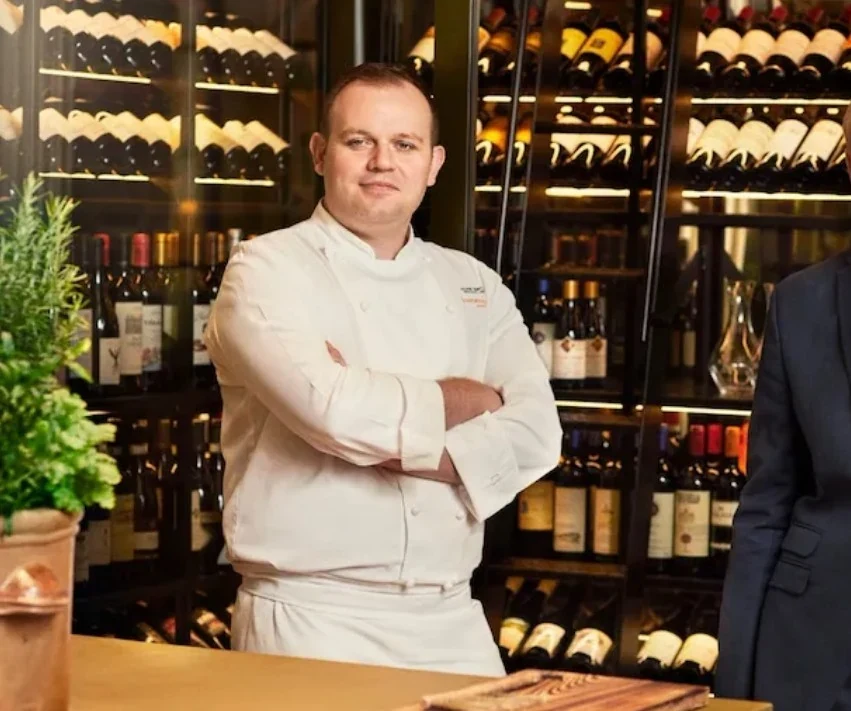
Portrait of Thai Dang
i. Biography
In Pilsen, Chicago, Vietnamese cooking is built from materials with little tolerance for vague handling: fish sauce, citrus, chiles, and garlic. At HaiSous Vietnamese Kitchen, where Thai Dang is Executive Chef and owner, those ingredients carry structure as much as flavor. Fish sauce supplies salinity and depth; citrus cuts and lifts; chiles give heat without blur; garlic sets the aromatic base. French technique and a fine-dining frame give the cooking a polished format while leaving the core profile intact. Composure in this kitchen does not mean lowering the volume. The crispy fish sauce wings, one of the dishes most closely associated with Thai Dang, are described as crackly, sticky, sweet, savory, garlicky, and spicy. That register is direct: texture first, glaze second, then the stacked pressure of sugar, salt, garlic, chile, and fish sauce. At HaiSous Vietnamese Kitchen, refinement is control and timing, not quietness.
The Sunday letter
Read Made By's new profiles every Sunday.
Meet the chefs, winemakers and sommeliers behind the places we cover. See a sample below before you subscribe.
See a sample of the Sunday emailOne email a week. Unsubscribe from any issue.
The Path
Technique entered the work early through L’Academie de Cuisine in Maryland, where Thai Dang trained before moving into professional fine dining. The next stage came as a cook at fine dining restaurant in the downtown Mandarin Oriental hotel in Washington, D.C, a kitchen setting where repetition, discipline, and standards shape the hand before style does. Chicago put that technical base into more ambitious dining rooms. As chef at L20 and then chef de cuisine at Ria, Thai Dang worked inside formats where precision and presentation were central to the job. The later role of chef / restaurateur at Embeya in West Loop, Chicago until 2015 added the wider problem set of restaurant identity: not only how a dish is built, but how a room, menu, and point of view hold together. The current body of work keeps Vietnamese flavor at the center while moving across formats. Thai Dang is Executive Chef of HaiSous Vietnamese Kitchen since 2017, owner / operator of Dang Good Wings since 2022, and owner / operator of Cà Phê Đá since 2022. From 2024, he has also been a collaborator at Le Garçon Saigon in Hong Kong and Chôm Chôm in Hong Kong; today, he is Executive Chef of Crying Tiger since 2025. The common line is a working interest in Vietnamese cooking as restaurant language: fine-dining structure, wings, cafe service, and collaboration all using flavor as the anchor.
The Work Today
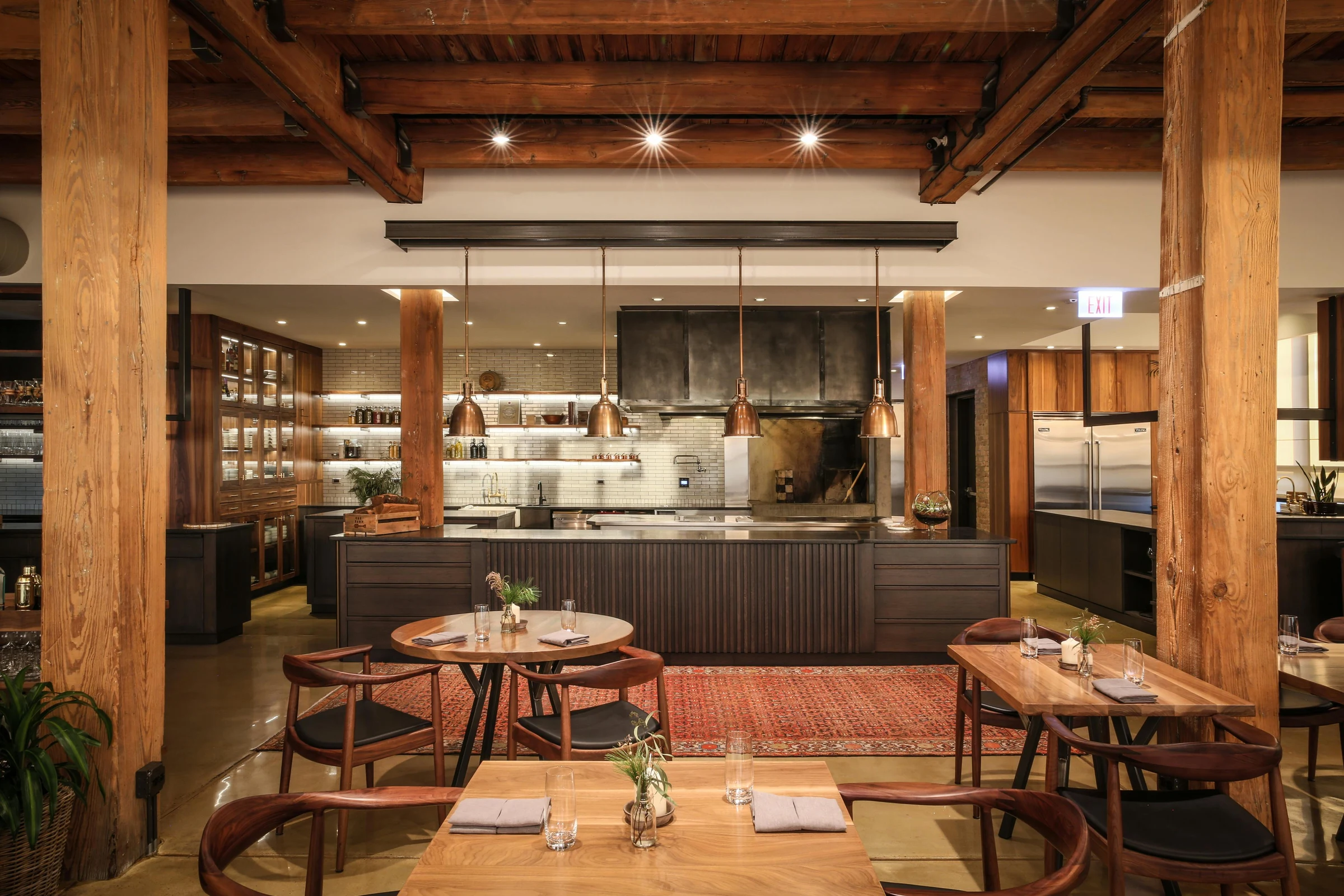
HaiSous Vietnamese Kitchen in Pilsen, Chicago is the central workshop for this approach, with Thai Dang serving as Executive Chef and owner in a role connected to ownership and co-ownership. The restaurant gives Vietnamese ingredients a refined structure without treating directness as a flaw. The work asks familiar components to operate in a modern dining room: clear sequencing, controlled balance, and enough polish to carry intensity cleanly.
Career - Executive Chef — HaiSous Vietnamese Kitchen, Pilsen, Chicago (2017–present) - owner / operator — Dang Good Wings, University of Chicago (2022–present) - owner / operator — Cà Phê Đá, University of Chicago (2022–present) - Executive Chef — Crying Tiger, River North, Chicago (2025–present) - cook — fine dining restaurant in the downtown Mandarin Oriental hotel, Washington, D.C. - chef — L20, Chicago - chef de cuisine — Ria - chef / restaurateur — Embeya, West Loop, Chicago (until 2015) - collaborator — Le Garçon Saigon, Hong Kong (from 2024) - collaborator — Chôm Chôm, Hong Kong (from 2024) Education: L’Academie de Cuisine in Maryland
Signature
Signature dishes include Australian Wagyu with lemongrass and Crispy fish sauce wings. The Australian Wagyu with lemongrass puts a luxury ingredient against a Vietnamese aromatic, making fragrance part of the structure rather than an accent. The Crispy fish sauce wings work in a more immediate register: crackle, glaze, sweetness, savor, garlic, spice, and the pull of fish sauce. The two dishes mark the range of the cooking without changing its basis. One uses richness and lemongrass; the other uses crunch and intensity. Both depend on bal
The Sunday letter
Get the next Made By profile in your inbox.
We send one email every Sunday morning with the people we profiled that week.
See a sample of the Sunday emailOne email a week. Unsubscribe from any issue.